


This article was automatically translated from the original Turkish version.
+2 More
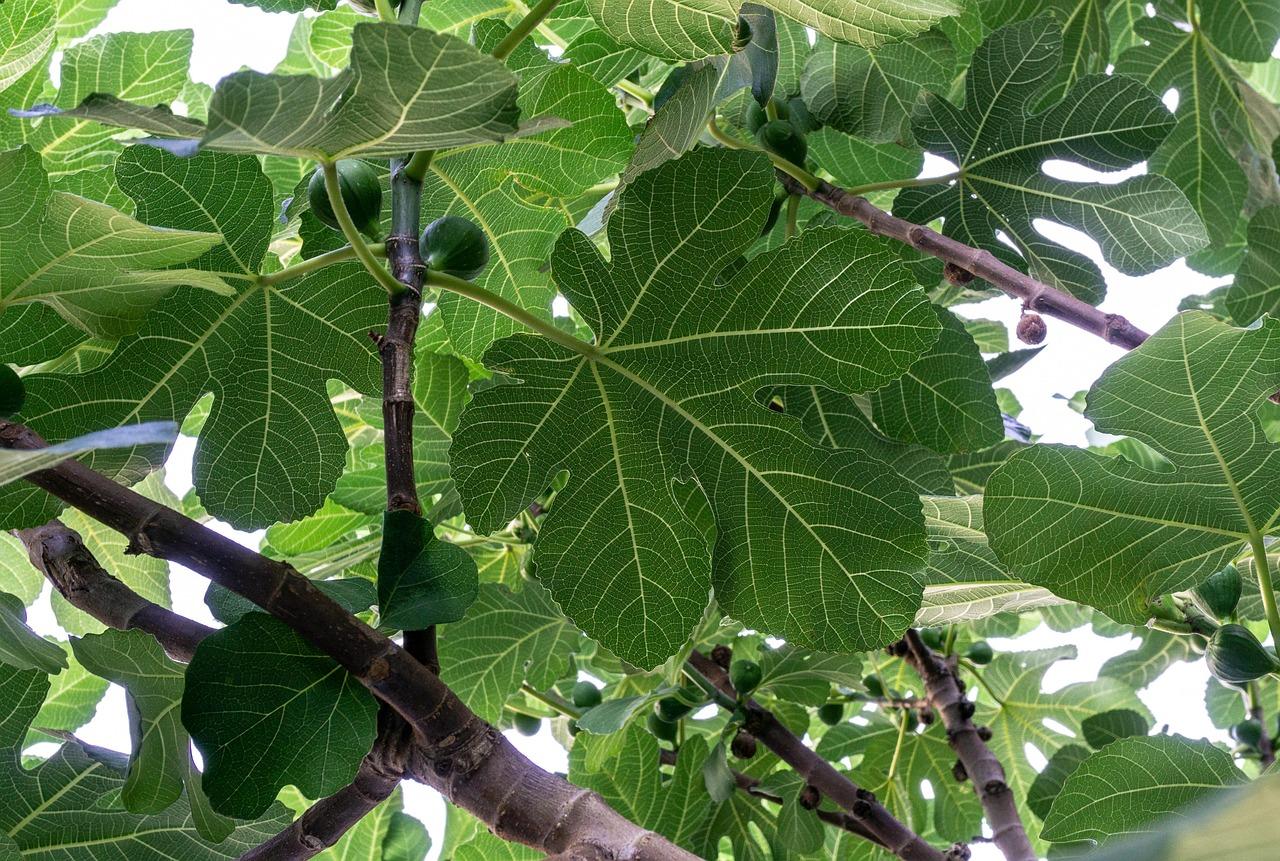
Fig Tree
Scientific Name | Ficus carica L. | ||||||||
|---|---|---|---|---|---|---|---|---|---|
Family | Moraceae (Mulberry family) | ||||||||
Distribution Area | Eastern Mediterranean, Southwest Asia; currently cultivated worldwide. | ||||||||
Lifespan | Approximately 100 years | ||||||||
Leaf Structure | Large, lobed, hairy | ||||||||
Climate Preference | Temperate climate: hot summer, cool winter | ||||||||
The fig tree is a species of the genus Ficus in the family Moraceae (Moraceae). It is a medium-sized tree or shrub that can live up to 100 years. Its leaves are large, three to five lobed, and hairy. The structure known as fruit is not a true fruit in botanical terms but a syconium, a closed inflorescence developing along the floral axis. Male and female individuals are found on separate plants. Fruits vary in color, taste, skin structure, and aroma according to genetic variation.
The fig tree is native to the Eastern Mediterranean and Southwest Asia region. Archaeological evidence shows that figs were collected and consumed by humans as early as 8000 BCE and were cultivated by 4000 BCE. The species has spread throughout history from Africa to China and from Europe to the Americas. In particular, the Aegean Region is a globally prominent center in terms of production and diversity.
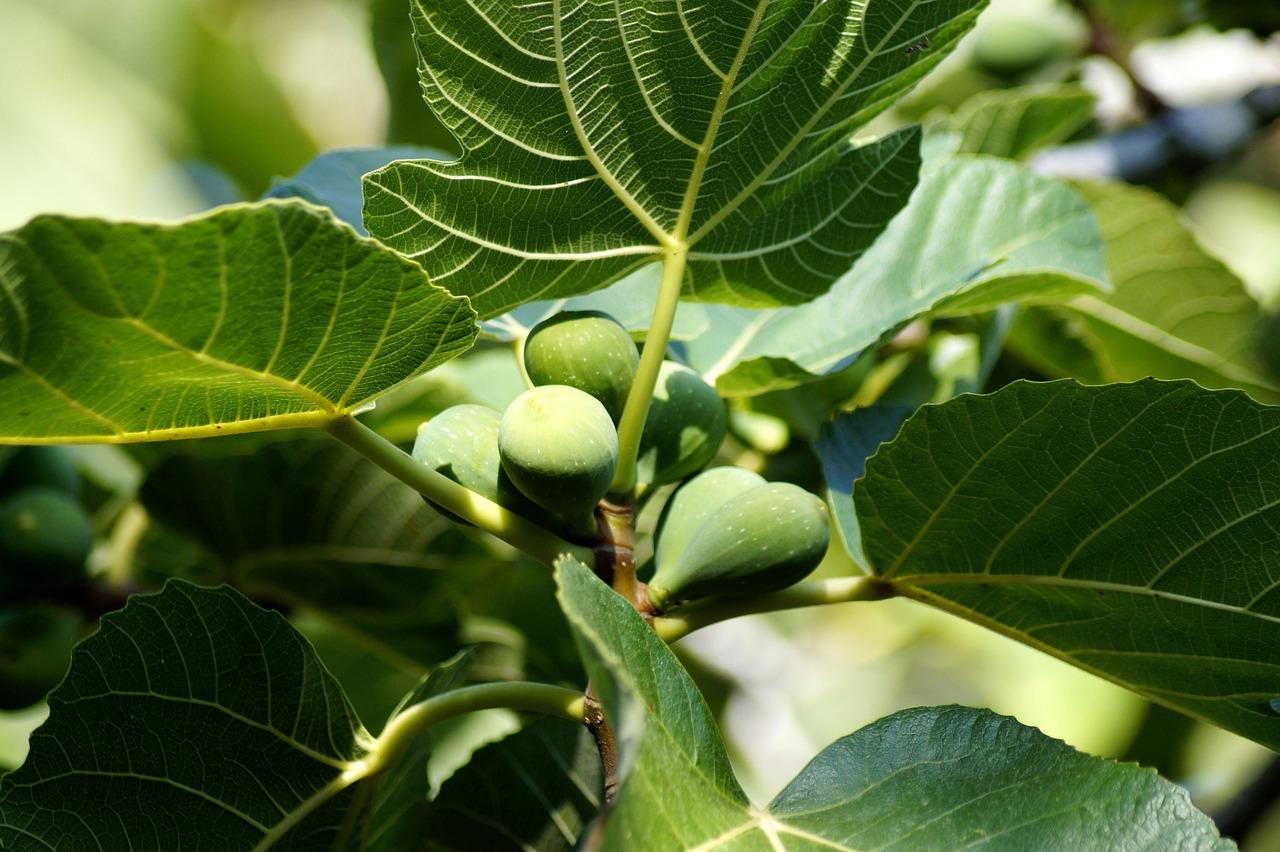
İncir dalları. (Pıxabay)
Türkiye, with approximately 10 million fig trees, is the world’s largest producer and exporter of figs. The majority of production occurs in the provinces of Aydın and İzmir, particularly in the Büyük Menderes and Küçük Menderes river basins. Among the most commonly cultivated varieties in Türkiye are Sarılop (for dried consumption) and Bursa Siyahı (for fresh consumption). Dried varieties require more sensitive environmental conditions, while table varieties are valued for their shelf life and suitability for export markets.
The fig tree holds significant agricultural value for the Turkish economy. According to 2025 projections, fresh fig production is expected to reach 317,000 tonnes, while dried fig exports are projected to reach 97,000 tonnes. It is generally accepted that approximately 2.9 kg of fresh fruit are required to produce 1 kg of dried figs. The majority of Türkiye’s dried fig exports are directed to European countries (Germany, France, Italy, United Kingdom) as well as the United States and Russia.
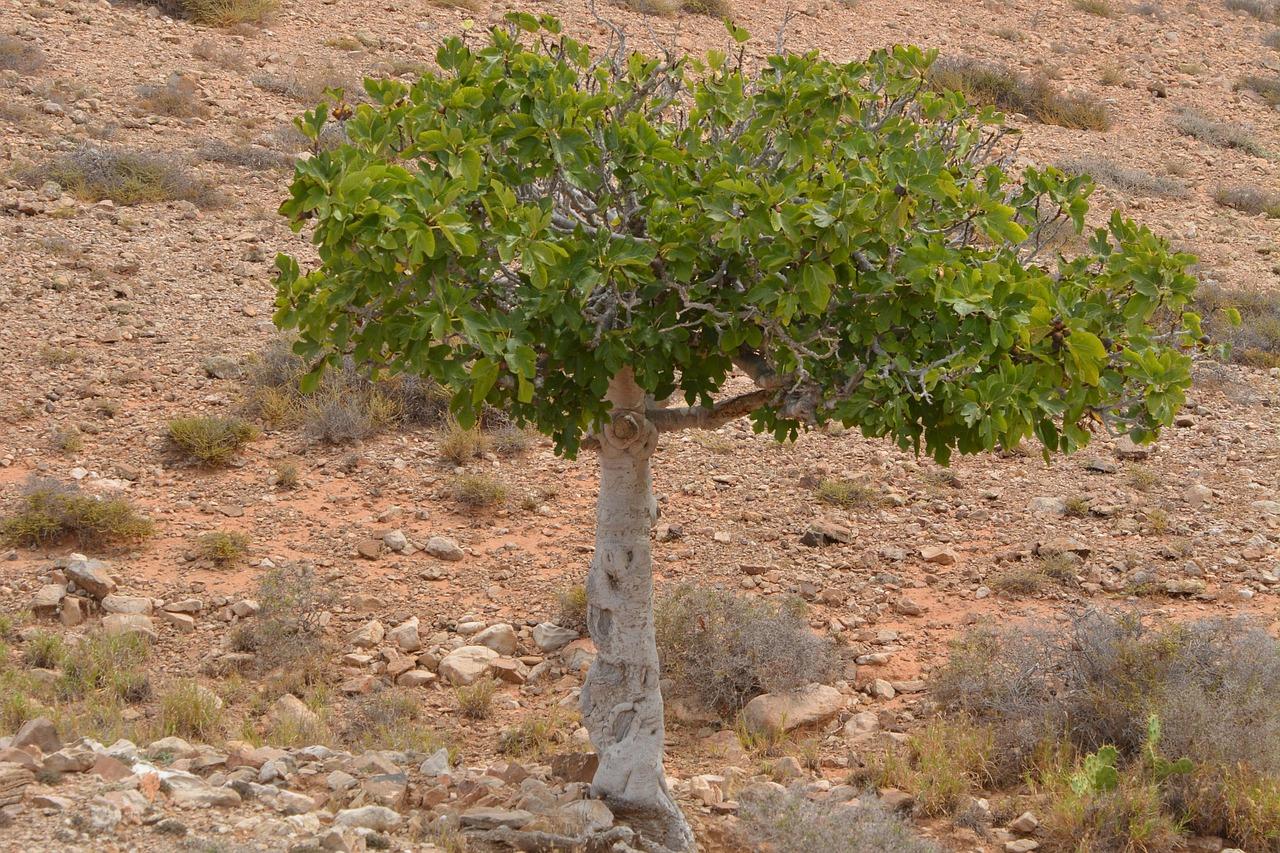
İncir ağacı. (Pıxabay)
In the Aegean Region, the fig, known locally as yemiş, has inspired numerous proverbs, legends, and superstitions. For example:
In this way, the fig tree appears in folk narratives as both a sacred and a potentially hazardous natural entity.
Current scientific research focuses on the genetic diversity, phenolic compound content, and agricultural productivity of the fig tree (Ficus carica L.). Key factors determining the quality of fig products include drying conditions, storage environment, aflatoxin formation, and pathogens such as Fusarium spp. and Fig Mosaic Virus. These factors directly affect both the production process and the final product quality. On the other hand, production forecasts based on the ARIMA (Autoregressive Integrated Moving Average) model reveal that Türkiye’s fig sector has significant long-term and sustainable growth potential, offering a vital data source for sectoral planning.
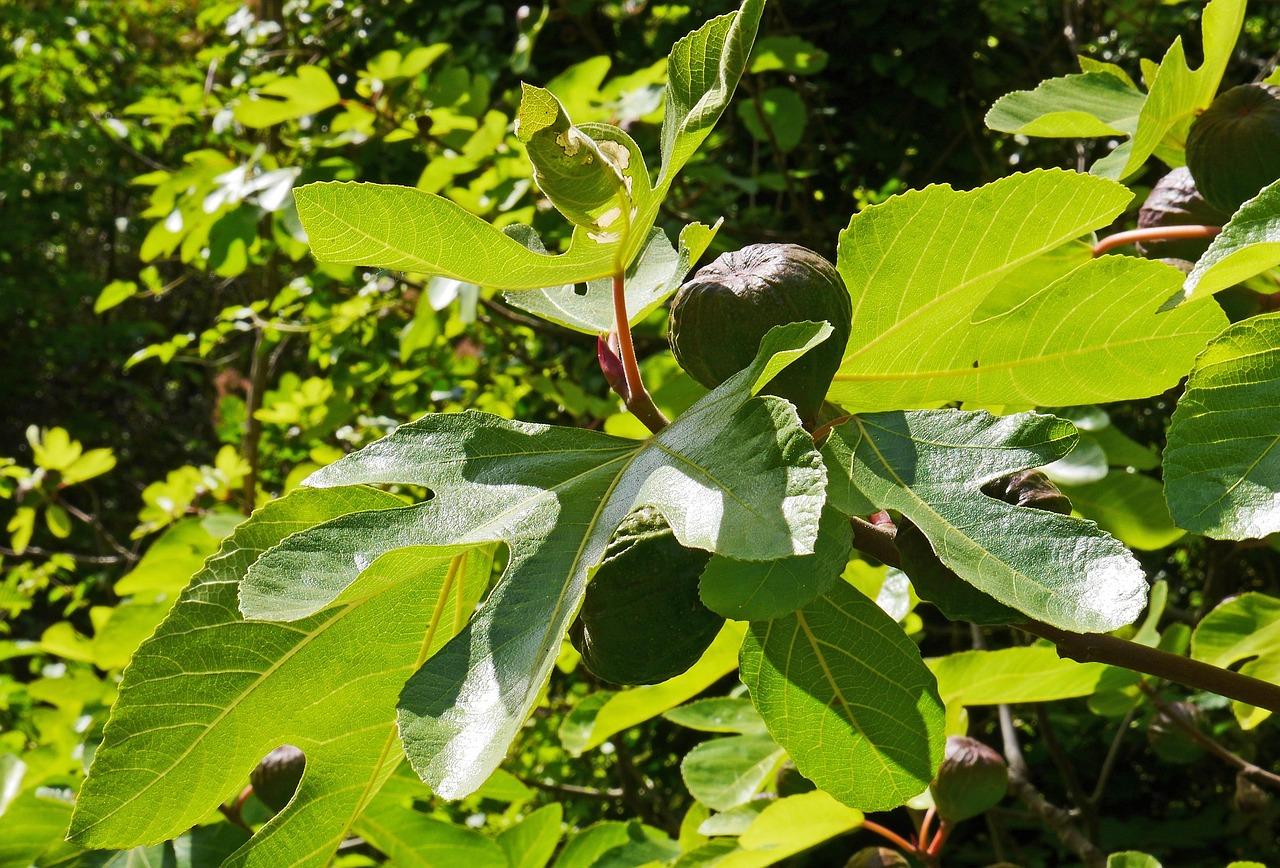
İncir Ağacı Yaprakları. (Pıxabay)
Dadaş, Bahar. "Aydın’da İncir ve İncir Kavram Alanı." Bildiri sunumu, I. Genç Türkologlar Çalıştayı Bildiri Kitabı, Ordu Üniversitesi, 2018.
Günal, Nurten. "Türk Dünyasında İncir Kültürü." Accessed May 26, 2025. Accessed June 5, 2025.
Karadeniz, Tuna. Bak, Tuba. Doğru, Berna. Kırca, Levent. “Farklı İki İncir Genotipinde Fenolik Madde İçerikleri.” Pamukkale Üniversitesi Yayını. Accessed June 5, 2025.
Pixabay. 2015. İncir ağacı doğa ağaç. Accessed June 5, 2025.
Pixabay. 2016. İncir ağacı meyve incir yaprağı. Accessed June 5, 2025.
Pixabay. 2019. İncir ağacı incir meyve lezzetli. Accessed June 5, 2025.https://pixabay.com/tr/photos/incir-a%C4%9Fac%C4%B1-incir-meyve-lezzetli-4432033/
Pixabay. 2021. İncir ağacı incir yaprağı yeşil. Accessed June 5, 2025.https://pixabay.com/tr/photos/incir-a%C4%9Fac%C4%B1-incir-yapra%C4%9F%C4%B1-ye%C5%9Fil-6550648/
Çakan, Veli Anıl. "Türkiye Yaş İncir Üretimi ve Kuru İncir İhracatı İçin Öngörü: ARIMA Modeli Yaklaşımı." Tekirdağ Ziraat Fakültesi Dergisi 17, no. 3 (2020): 357–368. Accessed June 5, 2025.

Fig Tree
Scientific Name | Ficus carica L. | ||||||||
|---|---|---|---|---|---|---|---|---|---|
Family | Moraceae (Mulberry family) | ||||||||
Distribution Area | Eastern Mediterranean, Southwest Asia; currently cultivated worldwide. | ||||||||
Lifespan | Approximately 100 years | ||||||||
Leaf Structure | Large, lobed, hairy | ||||||||
Climate Preference | Temperate climate: hot summer, cool winter | ||||||||
Geographical Origin and Distribution
Cultivation in Türkiye
Economic Value and Export
Folk Culture and Expressions
Scientific Research and Challenges