


This article was automatically translated from the original Turkish version.
+1 More
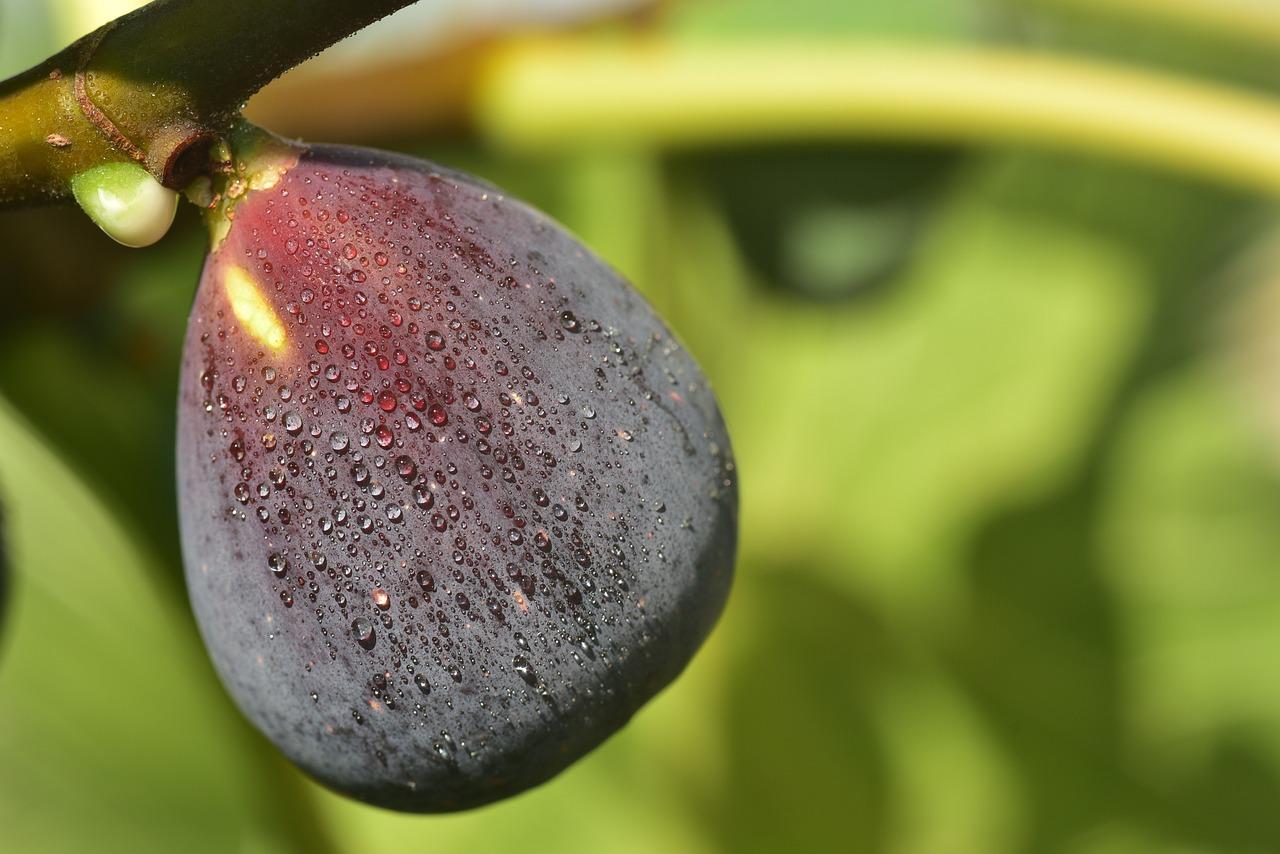
Fig Milk
Also Known as | Fig latex | ||||||||
|---|---|---|---|---|---|---|---|---|---|
Source | Ficus carica L. (Fig) | ||||||||
Color | White | ||||||||
Structure(s) | Milky viscous liquid | ||||||||
Active Components | Ficin, Phenolics, Flavonoids, Triterpenoids, Coumarins | ||||||||
Biological Effects | Anti-inflammatory Wound-healing Proteolytic (protein-degrading) Antiviral Antimicrobial | ||||||||
Fig latex (Ficus carica L. latex) is a white, viscous, sticky, milk-like liquid released when the fruit, branches, or leaves of the plant Ficus carica L. are damaged. This plant secretion is defined in botany as “latex.” Fig latex functions as part of the plant’s defense system and plays a role in protecting tissues against microorganisms following injury.
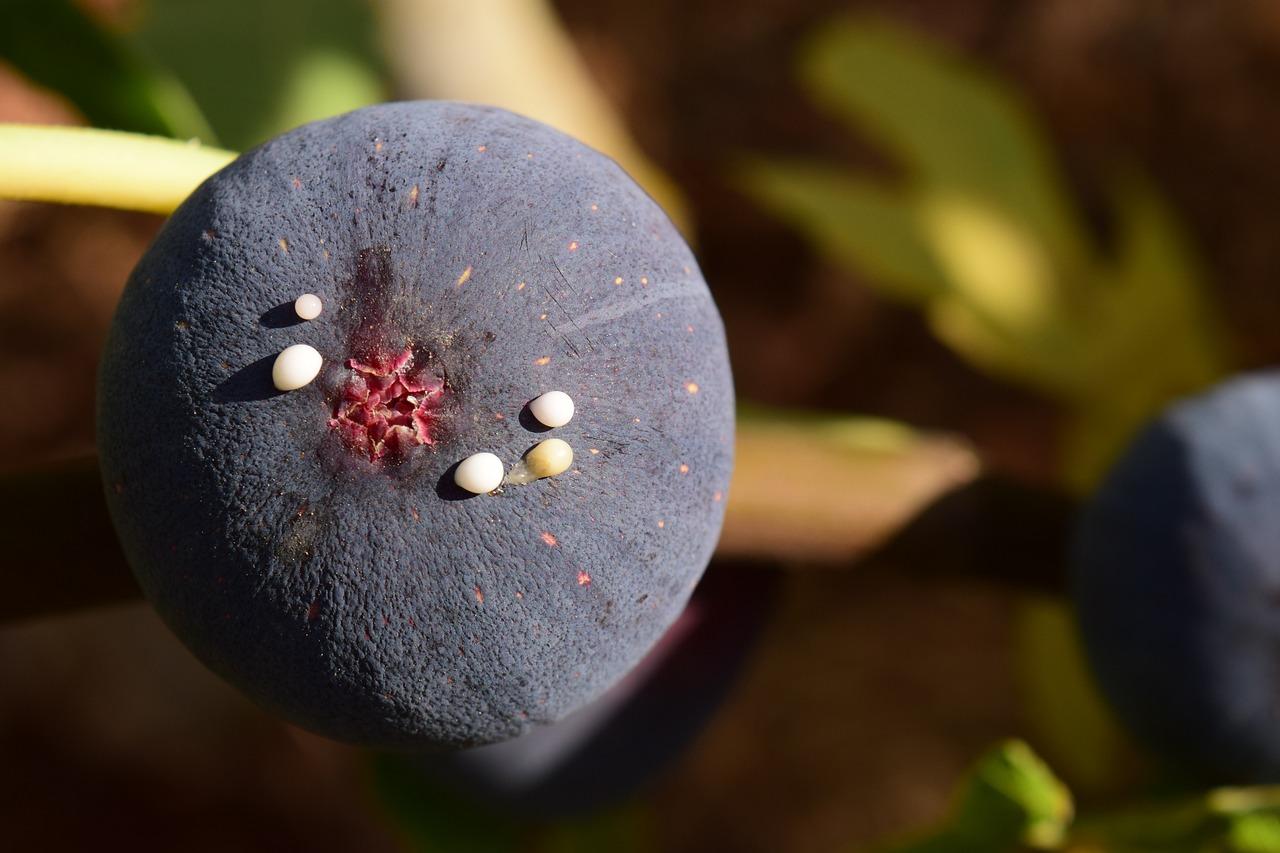
Image of Fig Latex (pıxabay)
Fig latex is a complex structure containing numerous biologically active compounds. Its main constituents include proteolytic enzymes (particularly ficin), phenolic compounds, flavonoids, alkaloids, coumarins, and triterpenoids. Ficin is a plant protease exhibiting proteolytic activity similar to papain, derived from papaya, and bromelain, derived from pineapple. This enzyme is particularly notable for its ability to break down protein structures.
The biological effects of fig latex have been demonstrated through experimental studies and include the following properties:
In traditional applications, fig latex is applied topically directly to conditions such as warts, moles, and superficial skin lesions. The proteolytic and antimicrobial components in its composition may contribute to its efficacy in these uses. In modern research, the enzymatic properties of fig latex are being evaluated for potential applications in pharmaceutical and cosmetic products.
Direct skin contact with fig latex may cause irritation, and in sensitive individuals, it may trigger allergic reactions. Some of its constituents exhibit irritant properties, so direct contact with the eyes or mucous membranes should be avoided. Due to the risk of severe adverse effects in individuals with latex sensitivity, fig latex must be used with caution.
Ayar, Ayşe, and Çiğdem Karacaoğlan. 2023. “İncir Sütü - Fisin - Lateks.” *Uluslararası Anadolu Ziraat Mühendisliği Bilimleri Dergisi* 5, no. 1: 12–20. Accessed May 21, 2025. https://dergipark.org.tr/tr/download/article-file/2447164
Pixabay. "Incir, Mavi, Olgun görseli JPG." Accessed May 28, 2025. https://pixabay.com/tr/photos/incir-mavi-olgun-incir-a%C4%9Fac%C4%B1-3622427/
Pixabay. "Incir, Mavi, Olgun görseli JPG." Accessed May 28, 2025. https://pixabay.com/tr/photos/incir-mavi-olgun-mavi-incir-damla-1603965/

Fig Milk
Also Known as | Fig latex | ||||||||
|---|---|---|---|---|---|---|---|---|---|
Source | Ficus carica L. (Fig) | ||||||||
Color | White | ||||||||
Structure(s) | Milky viscous liquid | ||||||||
Active Components | Ficin, Phenolics, Flavonoids, Triterpenoids, Coumarins | ||||||||
Biological Effects | Anti-inflammatory Wound-healing Proteolytic (protein-degrading) Antiviral Antimicrobial | ||||||||
Composition and Chemical Structure
Biological Properties
Applications
Warnings and Side Effects