


This article was automatically translated from the original Turkish version.
Fatma Barbarosoğlu’s book Fashion and Mentality examines the phenomenon of fashion not merely as a matter of clothing and attire but also as a mechanism of mindset and cultural change. The book analyzes how fashion is intertwined with individuals’ expressions of social identity and how this process has been shaped within historical, social and cultural contexts. Author provides readers with a new perspective, both individual and societal, through an in-depth exploration of the relationship between fashion and mentality.
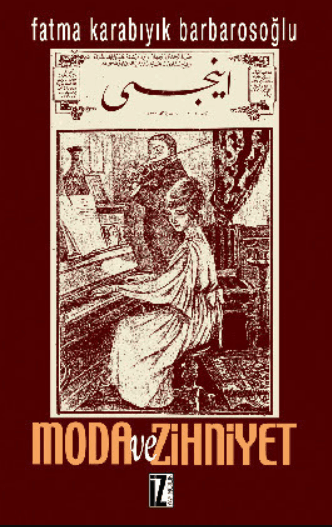
Fashion and Mentality
The book traces the historical roots of fashion to explain how it evolved into a social dynamic. Barbarosoğlu argues that fashion is not merely an aesthetic or consumer issue but a medium reflecting shifts in societal mentality. The Westernization process and the transition from the Ottoman Empire to the Republic are examined in detail as key contexts for understanding fashion’s impact on mental transformations. The author supports his arguments with historical examples, discussing how styles of dress have shaped social structures.
Fatma Barbarosoğlu analyzes how fashion influences the ways individuals express their identities. She contends that clothing is not merely a personal preference but a form of expression determined by social norms. The book provides a detailed examination of the relationship between women’s identity and fashion. Different periods, from the tesettür fashion of the Ottoman era to contemporary styles in modern Türkiye, are presented as examples to illustrate how social transformations have been reflected in fashion. Barbarosoğlu explores how individuals expressed their place within social structures through fashion and how these expressions influenced shifts in mentality.
The book assigns particular importance to the role of fashion in modernization processes. Changes in dress styles under the influence of Westernization policies are not viewed merely as symbols of modernization but as indicators of mental transformation. Barbarosoğlu analyzes how modernization has manifested in individuals’ clothing choices and the social tensions that emerged during this period. Historical events such as the clothing revolution during the transition from the Ottoman Empire to the Republic are discussed within this context. The author illustrates with examples how fashion has transformed social norms and individuals’ self-perception during modernization.
Fatma Barbarosoğlu also draws attention in her book to the effects of globalization on fashion. Today, fashion appears as part of global consumer culture. The author discusses how globalization has diversified the factors shaping individuals’ clothing preferences and how local identities have been transformed in this process. The influence of global brands and media on shaping public perceptions of fashion is among the book’s key important discussions.
Fashion and Mentality treats fashion not merely as an aesthetic phenomenon but as a social, cultural and psychological process. The author provides a detailed historical and sociological analysis of how individuals and societies have entered processes of change through fashion. The book offers a profound analysis of how fashion has transformed the ways individuals express their social belonging.
Fatma Barbarosoğlu. Moda ve Zihniyet. İz Yayıncılık, 2017.

No Discussion Added Yet
Start discussion for "Fashion and Mentality (Book)" article
Content of the Book
Historical Foundations of Fashion and Mentality
Fashion and Social Identity
Modernization and Its Relationship with Fashion
Globalization and Its Impact on Fashion
Thematic Depth of the Work