


This article was automatically translated from the original Turkish version.
In today’s global economy, conducting trade in accordance with ethical standards is increasingly gaining importance. Fair trade is an approach that promotes sustainable economic growth by protecting the rights of producers and workers. This system aims to ensure that small-scale producers and farmers in developing countries gain access to markets at fair prices.
Fair trade is a system designed to provide disadvantaged producers operating under difficult conditions in developing countries with market access and opportunities to escape poverty. This model creates a supply chain that empowers producers through international trade and delivers more equitable and economic benefits. It also seeks to reduce injustices in markets by strengthening the connection between consumption and production.
The fair trade movement emerged in response to social political and economic concerns and is also referred to as ethical trade. Its activities are monitored by the World Fair Trade Organization and are based on ten core principles. It particularly aims to improve the living standards of small-scale farmers by providing them with direct trade opportunities especially in agriculture.
However fair trade does not have a precise or legal definition. The concept encompasses a set of principles and practices that encourage ethical consumption seek solutions to poverty and offer alternatives to traditional trade systems. The effort to establish a fairer global trade order continues to evolve as a social movement filled with both opportunities and challenges.
Fair trade provides producers with a fair pricing system that ensures a sustainable income and protects them from market fluctuations. Social premiums provided to producers can be used for community projects and cooperative investments. Through the direct trade model the influence of intermediaries is reduced enabling producers to earn higher profits. Long-term contracts between importers and small-scale producers are encouraged to support financial stability.
Fair trade encourages producers to organize within democratic structures and participate in decision-making processes. It also contributes to the adoption of sustainable agricultural practices by promoting environmentally friendly production. By limiting the use of harmful chemicals it protects the health of both producers and consumers. One of the most important principles of fair trade is providing fair working conditions. By prohibiting child labor and supporting workers’ right to unionize it prevents the exploitation of labor. Through these characteristics fair trade contributes to the economic and social development of producers as an ethical sustainable and socially responsible trade model.
Fair trade helps achieve a more equitable distribution within the global economy. It facilitates small-scale producers’ ability to compete with large corporations and reduces economic inequalities. At the same time it positively influences market balance by offering consumers ethical and high-quality products.
A study on fair trade measured willingness to pay premiums and levels of trust. The findings revealed that increasing awareness enables disadvantaged producers in fair trade to achieve profits among other outcomes.
In Türkiye the fair trade movement and institutional structures were established under an European Union project. A website was launched and various events were shared.
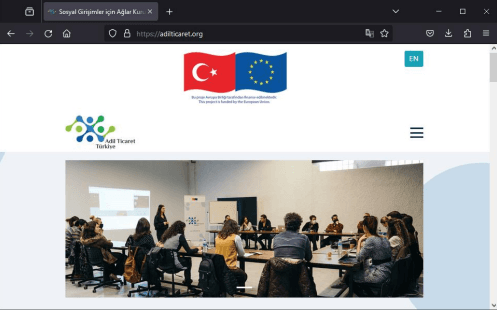
Fair Trade Website
Although fair trade offers many advantages it also faces certain challenges and criticisms.
Fair trade is a significant movement aiming to promote an ethical and sustainable approach to trade in the global economy. While safeguarding producers’ rights it also considers environmental protection. This system provides substantial social and economic benefits. Consumer support through conscious purchasing decisions will strengthen and expand this movement.
Adaş, Tülay. "Türkiye'de Adil Ticaret Farkındalığı Yaratma Üzerine Deneysel Bir Çalışma." PhD thesis, Trakya Üniversitesi Sosyal Bilimler Enstitüsü İşletme Ana Bilim Dalı İşletme Bilim Dalı, Edirne, 2024.
Kapusuz, Sevdenur. "Adil Ticaret Bilgisi, Adil Ticaret Primi, Ödeme İstekliiği ve Adil Ticaret Bağlılığı İlişkisinde Adil Ticarete Duyulan Güvenin Rolü: Türkiye Örneği." Master's thesis, Eskişehir Osmangazi Üniversitesi Sosyal Bilimler Enstitüsü İşletme Anabilim Dalı İşletme Bilim Dalı, Eskişehir, 2015.

Objectives of Fair Trade
Characteristics of Fair Trade
Core Principles of Fair Trade
Fair Trade Certifications and Organizations
Economic Impacts of Fair Trade
Fair Trade in Türkiye
Challenges and Criticisms of Fair Trade