

Eye Makeup
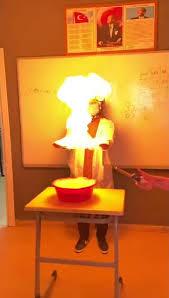
Have you ever seen a magician? Magicians captivate our eyes with their tricks—they show us something different from what is actually happening. To fool someone refers to behaviors aimed at deceiving, misleading, or presenting something as better than it really is by concealing the truth. For example, cheating in a game or decorating an item to make it appear far more valuable than it is are both examples of fooling someone.

(Generated by artificial intelligence)
Where Does It Come From? 🤨
The exact origin of this expression is unknown. However, it is often linked to the practices of traveling vendors or certain artists in earlier times, who used various methods to make their products or performances more appealing. For instance, a painter enhancing certain parts of a painting to make them more vivid, or a seller repainting an old object to make it look new, sheds light on the expression’s origins.
Origin and Meaning? 🖼️
The expression to fool someone does not literally mean to paint someone’s eyes different colors. Here, “to paint” refers to embellishment or deception intended to make something appear better or different than it is. We use this expression when someone tries to influence others by hiding the truth, using flowery language, or putting on a showy display. Such behaviors, like a painted picture concealing reality, prevent the other person from seeing the true situation.
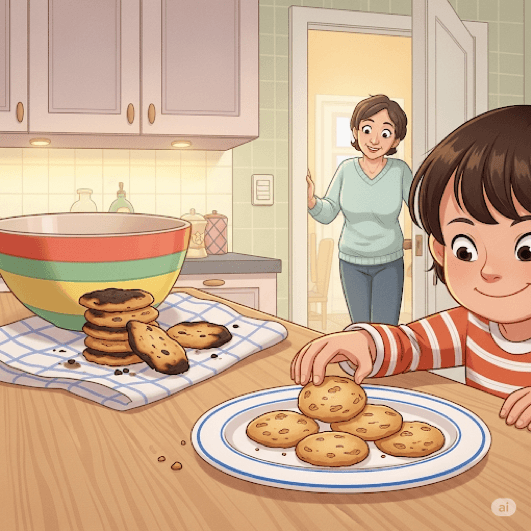
(Generated by artificial intelligence)
How Is It Used in Everyday Life? 🗣️
If a friend pretends to have done their homework when they have not, you could say, “I think they’re just fooling you—they didn’t finish the homework.” Or if an advertisement makes a product seem far better than it actually is, you might say, “This ad is clearly fooling people.” This expression is commonly used to describe situations that are superficial and deceptive.