

`idiom` Related Article Results

Do not let the soap touch the water
The expression “not to touch water or soap” describes avoiding taking sides in an event, evading responsibility, or refusing to get involved in problematic issues. Just as one might avoid getting one’s hands dirty with water and soap, some people choose to stay away from controversial matters. While this can sometimes be a positive choice, it can also mean failing to do something that ought to be done. 🧼 Where Does It Come From? The origin of this expression lies in the connection between clean
EN
Nida Üstün

Between Kaş and Göz
In some situations, we want to describe how something—a task, a promise, or a circumstance—happened in an extremely short amount of time. This is precisely what the expression “kaşla göz arasında” conveys: as if everything was over before you could even blink! Where Does It Come From? 🧐 The origin of this expression lies in how quickly human movements can occur. Raising an eyebrow or blinking the eye are both actions that take just a fleeting moment. The phrase uses these rapid movements as a m
ENNida Üstün

Walking Water Under the Straw
To run water under the straw means to carry out a task secretly, without letting anyone know. Just as water flows silently beneath straw when irrigating a field, some actions proceed quietly without others noticing. Let’s examine where this interesting expression comes from and how it is used. Where Does It Come From? This expression originates from the ancient agricultural traditions of Anatolia. Canals were dug to irrigate fields. Sometimes a farmer would secretly divert water from a shared ca
ENNida Üstün

When the Fish Comes Out of the Poplar
If someone tells you, “When the fish climbs up the poplar tree,” have you ever wondered what that means? Actually, this phrase is used to describe something that will never happen in real life. Let’s explore together what this interesting expression really means! Where Does It Come From? 🐟 This expression is based on the fact that fish live in water and cannot climb up a poplar tree—that is, to the top of a tree. For centuries, people have used such playful and imaginative phrases to describe s
ENNida Üstün

To bow one's head in submission
We all sometimes struggle to understand things, don’t we? The expression “kafasına dank etmek” is used precisely in such moments. Sometimes you listen to a topic over and over again but still cannot grasp it. Then suddenly, as if a light turns on in your mind, everything falls into place. This moment is called “kafasına dank etmek”. 💡 Where Does It Come From? The exact origin of this expression is unknown, but the word “dank” may derive from a metaphorical sound association. The sound “dank” re
ENNida Üstün

Eye Makeup
Have you ever seen a magician? Magicians captivate our eyes with their tricks—they show us something different from what is actually happening. To fool someone refers to behaviors aimed at deceiving, misleading, or presenting something as better than it really is by concealing the truth. For example, cheating in a game or decorating an item to make it appear far more valuable than it is are both examples of fooling someone. Where Does It Come From? 🤨 The exact origin of this expression is unkno
ENNida Üstün

Riding the Cubes
What Does It Mean? The expression “to climb onto the pots” means to become extremely angry or furious in response to a situation. In such cases, the person clearly shows their irritation and may react harshly toward those around them. This idiom is used to convey the intensity of someone’s anger. Where Does It Come From? The exact origin of the expression “to climb onto the pots” is unknown, but it began to be used to describe situations in which people become excessively angry in everyday life.
EN
Zelal Çakar

Throwing the Ashik
“Aşık atmak” is a Turkish idiom meaning to compete with or measure oneself against someone. This expression particularly refers to attempting to compete with someone who is superior or more powerful. Origin and History In the past, children played games using small bones known as aşık kemikleri. In these games, children competed with each other, trying to gain superiority by throwing the aşık bones. It is from this practice that over time the phrase “aşık atmak” came to be used to mean “to compe
EN
Sümeyye Akkanat Terzioğlu
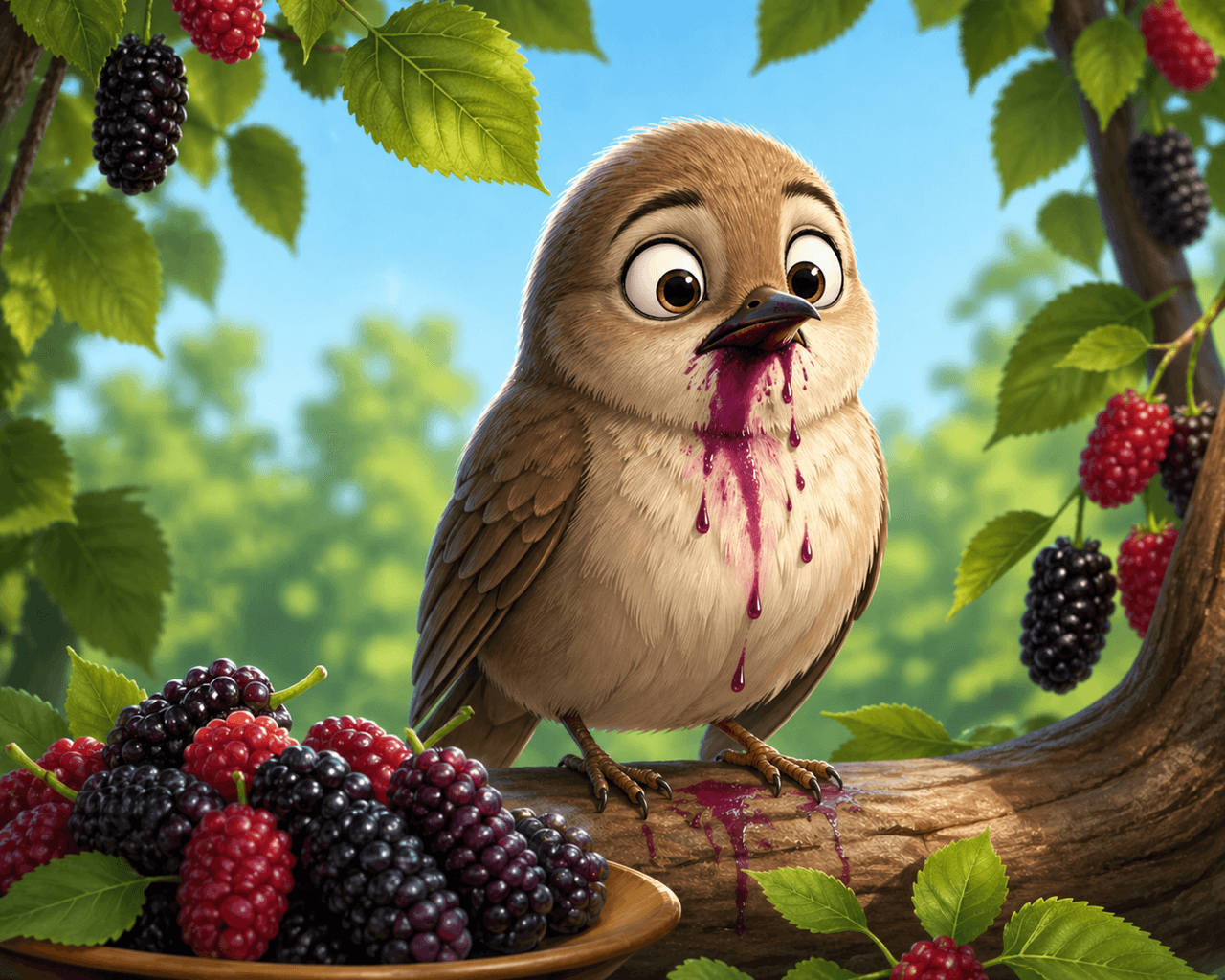
Turn into a nightingale after eating the mulberry
The expression “dut yemiş bülbüle dönmek” is a fixed phrase that describes a person becoming speechless due to surprise, embarrassment, or inability to find the right words. It conveys the state of falling silent and being unable to speak. Turkish idioms passed down from generation to generation represent one of our most important cultural heritages, as they succinctly and vividly summarize situations that would otherwise require lengthy explanations in daily life. (Generated by artificial intel
EN
Eylül BOLAT
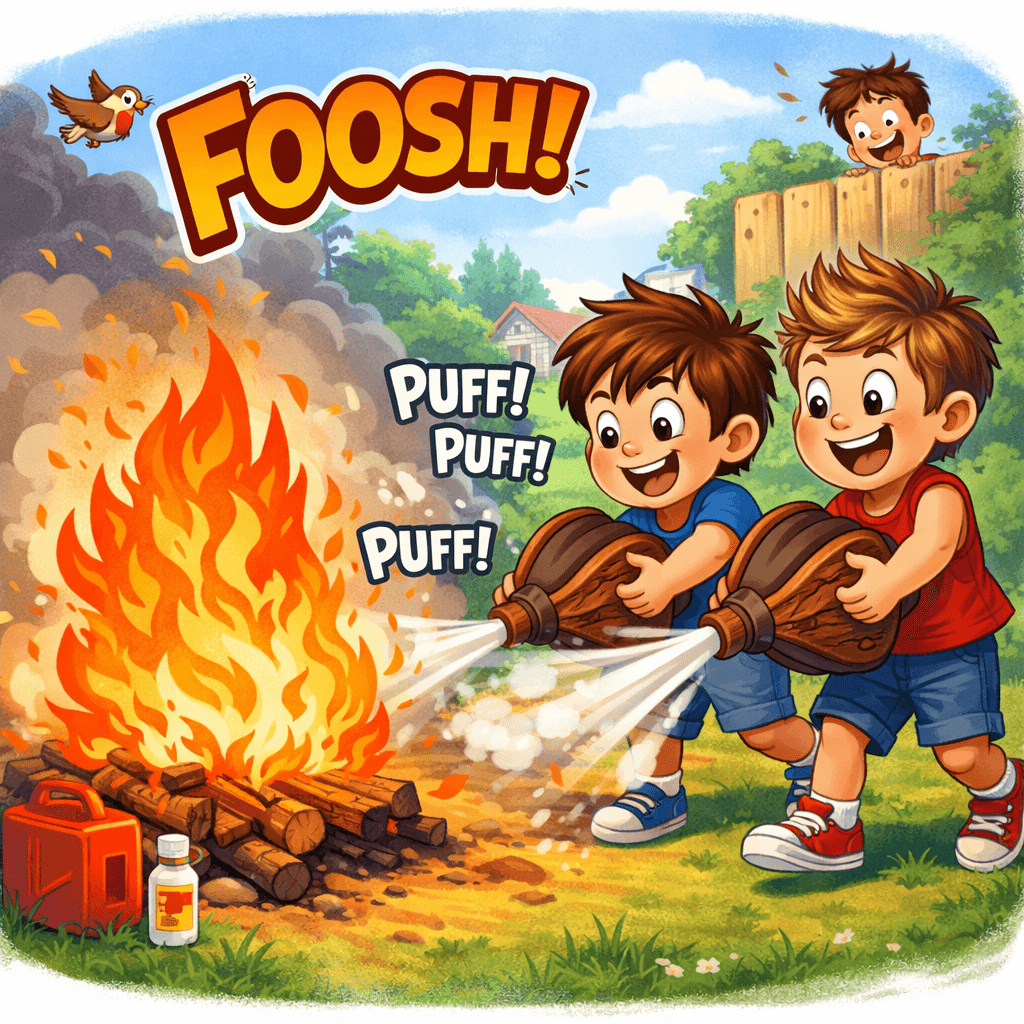
Go to the fire with a pickaxe
“To go to a fire with a bellows” is an idiom. This idiom means to make a bad situation worse. What Does It Mean? This idiom means to escalate a problem or conflict instead of calming it down. In other words, the person makes things more difficult rather than resolving the situation. An image symbolizing the idiom (generated by artificial intelligence.) " image-element-format="right" image-height="1536" image-source="https://cdn.t3pedia.org/media/uploads/2026/03/28/usKLvd4yKKEtzjV4MfK8kfUIaKvuz3D
ENEylül BOLAT