

`origin` Related Article Results
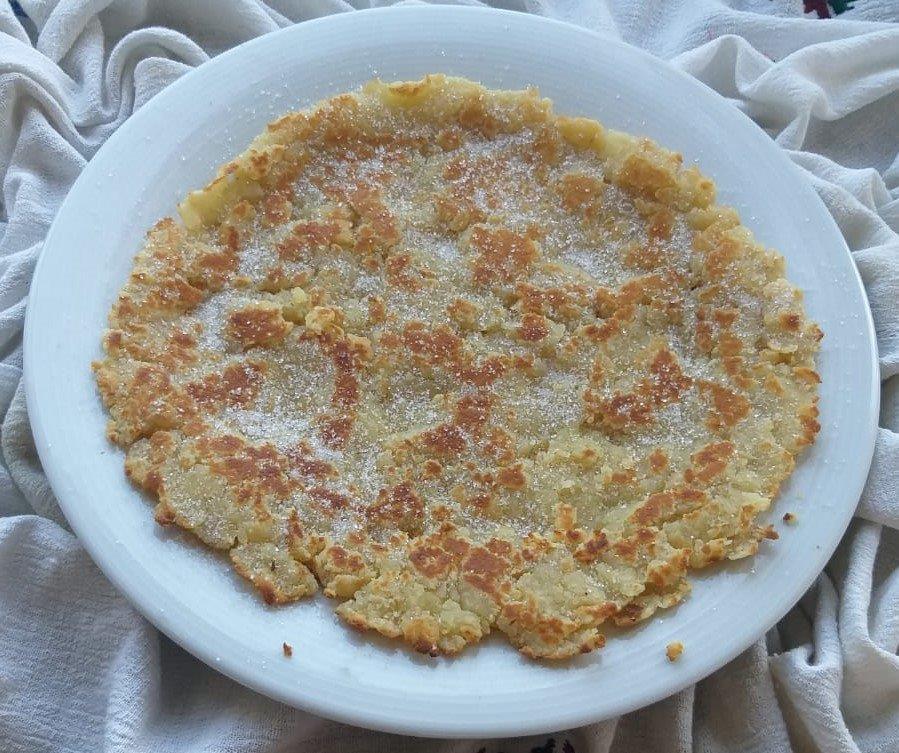
Mengen Höşmerimi
Mengen höşmerimi is a dessert specific to the Mengen district of Bolu province and holds an important place in the region's culinary culture. This delicacy, with a long-standing past, is consumed on holidays (bayramlarda), special occasions, and as a dessert after meals. Mengen höşmeri was registered by the Mengen Municipality on 19.07.2022 and is protected as a designation of origin (mahreç işareti) under the Industrial Property Law. The application date of the geographical indication is 10.06.
EN
Melahat Pamuk
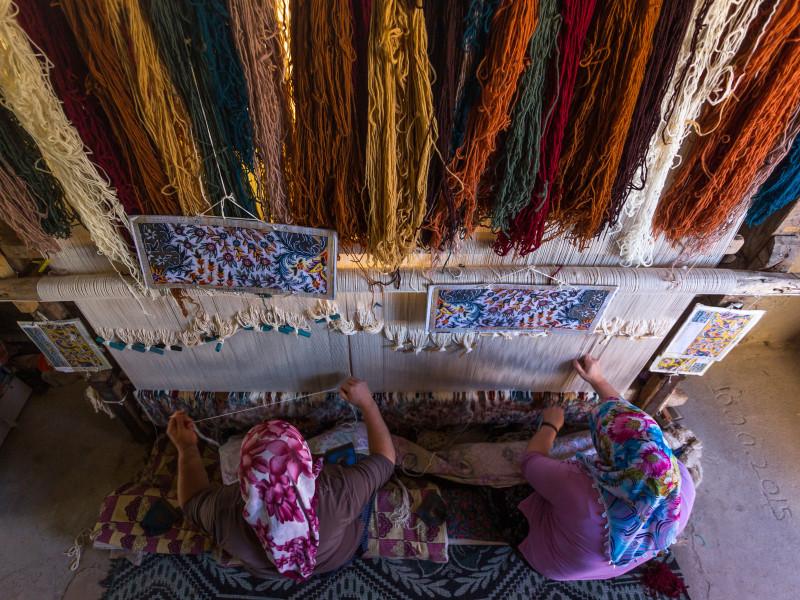
Bünyan Hand-Woven Carpet
Bünyan Hand-Woven Carpet (Bünyan El Halısı) is a type of carpet woven using traditional methods in the Bünyan district of Kayseri province and registered with a "designation of origin". As one of the important representatives of the carpet weaving tradition in Turkey, the Bünyan carpet stands out with its technical characteristics, cultural origin, and unique pattern structure. In Bünyan, carpet weaving is kept alive both as an economic activity and a cultural heritage. History The origins of Bü
ENMelahat Pamuk
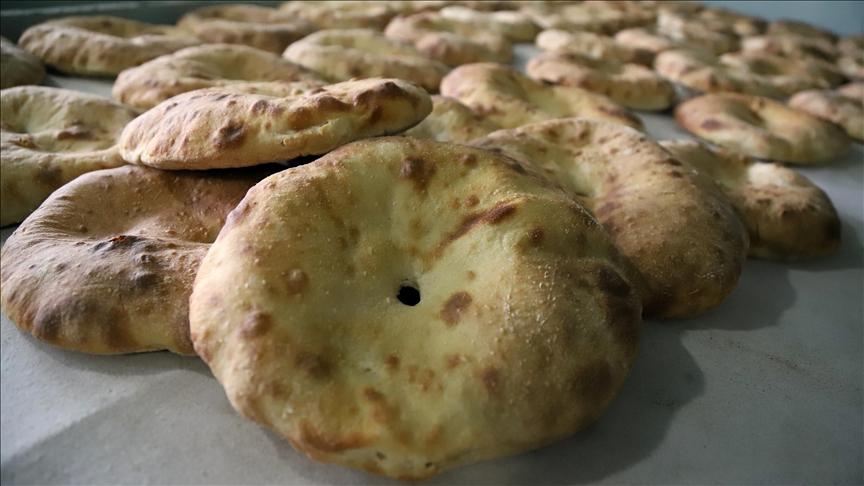
Gelveri Ekmeği (Gelveri Bread)
Gelveri bread (Gelveri ekmeği) is a traditional flatbread type specific to the Güzelyurt district of Aksaray province, registered with a geographical indication (Registration No: 1040, 07.03.2022). This bread, which has a round shape and a soft inner structure, is produced in the characteristic rock formations and historical stone ovens of the Cappadocia Region. The geographical boundary is limited to the Güzelyurt district of Aksaray. History The roots of Gelveri bread extend to the ancient per
ENMelahat Pamuk
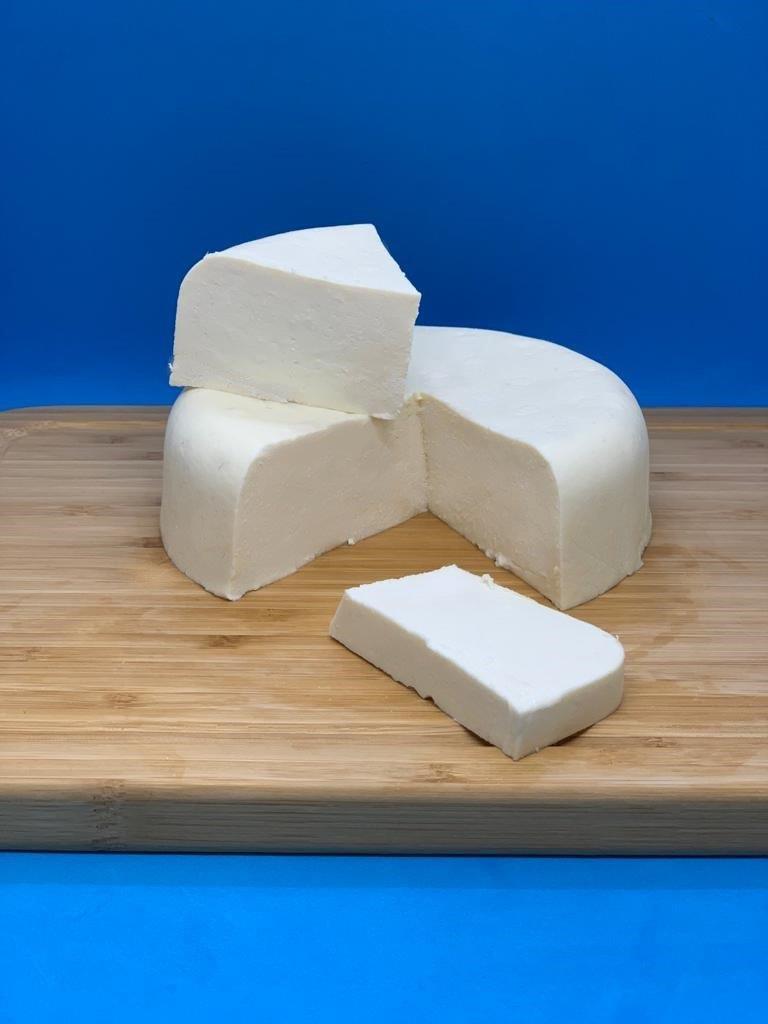
Mengen Cheese
Mengen Cheese is a traditional cheese variety produced within the borders of the Mengen district of Turkey's Bolu province, protected by a geographical indication (Designation of Origin). This low-fat and semi-hard cheese resembles kaşar cheese with its light yellow color, cylindrical form, and appearance. According to historical records, especially in Ottoman salnames (provincial yearbooks) from the early 20th century (1916 Independent Bolu Sanjak Salname, 1921-1925 Bolu Liva Salname), it is st
ENMelahat Pamuk
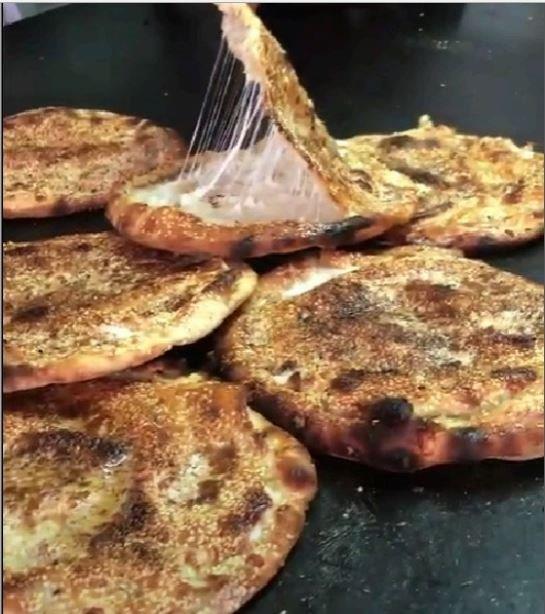
Konya Yağ Somunu
Konya Yağ Somunu is a bakery product produced in the province of Konya and consumed by the local people for a long time. This product, prepared with traditional methods, is used especially for breakfast in Konya cuisine and is enriched with various fillings. The production and consumption form of the product has undergone changes over time, has been diversified with different ingredients, and has survived to the present day as part of local culinary practices. In 2022, it was registered by recei
ENMelahat Pamuk
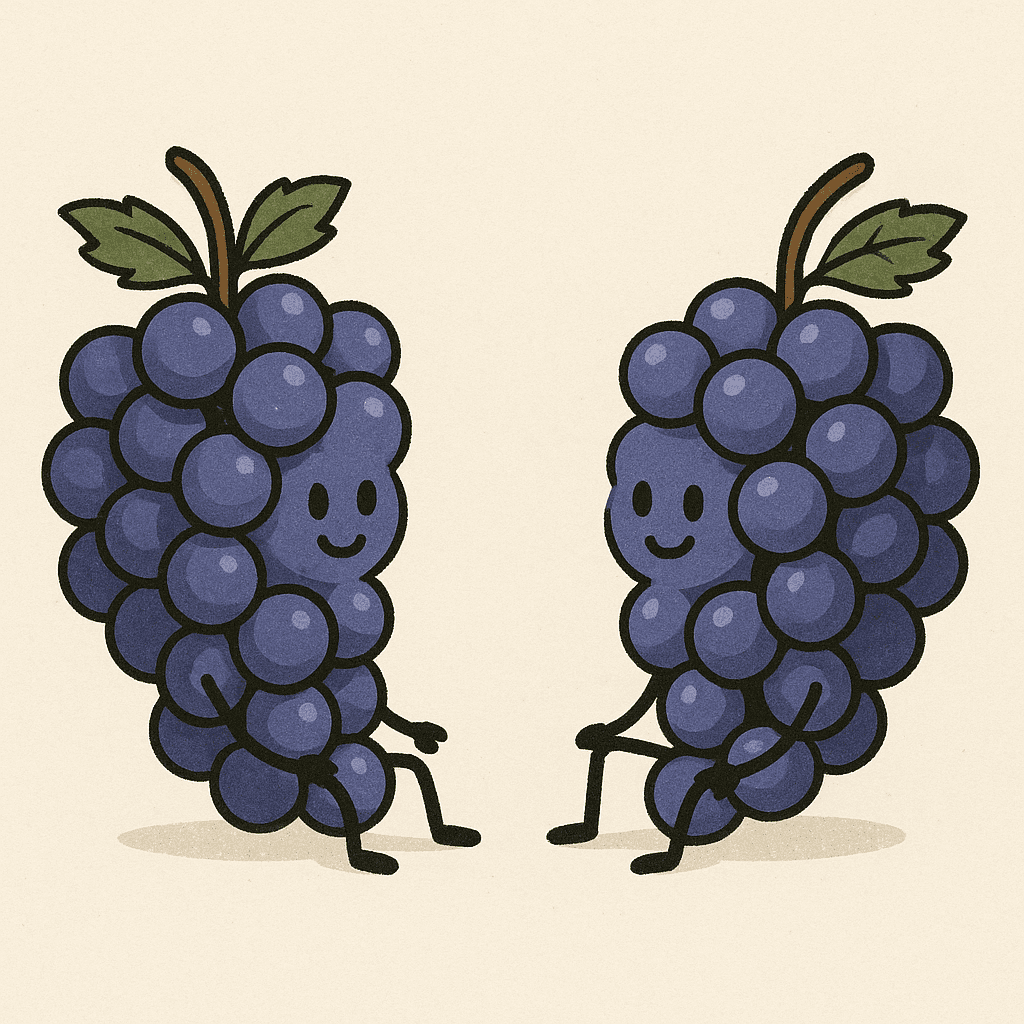
Grape looks at grape and ripens
Have you ever wondered how grapes change color by looking at each other? Or do people also change color—become hardened or influenced—by looking at one another? If your answer is yes, keep reading! The proverb “Üzüm üzüme baka baka kararır” describes how people who spend time together, laugh together, play together, and become friends gradually begin to resemble each other in character. It expresses how, in daily life, people’s behaviors, speech, and shared habits can make them more alike over t
EN
Nida Öztürkmen
Do not let the soap touch the water
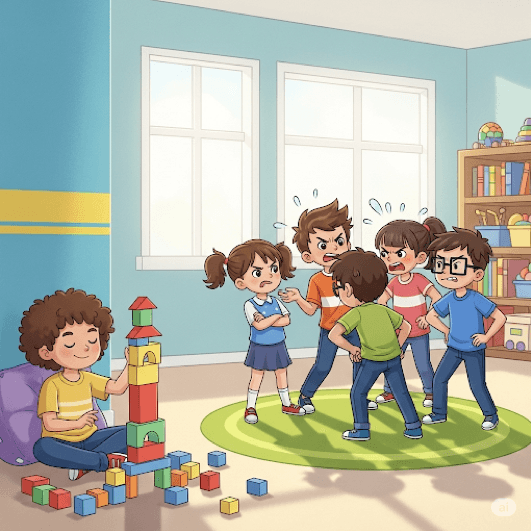
The expression “not to touch water or soap” describes avoiding taking sides in an event, evading responsibility, or refusing to get involved in problematic issues. Just as one might avoid getting one’s hands dirty with water and soap, some people choose to stay away from controversial matters. While this can sometimes be a positive choice, it can also mean failing to do something that ought to be done. 🧼 Where Does It Come From? The origin of this expression lies in the connection between clean
EN
Nida Üstün

To Have Both Hands in Blood
To have both hands in blood means to be extremely busy and therefore unable to go somewhere or help someone. In fact, it conveys that someone is so occupied that they have no time left for anything else. For example, if your mother says, “I can’t come now, my two hands are in blood,” it means she is too busy to attend to you. (Generated by artificial intelligence) " image-element-format="right" image-source="https://cdn.t3pedia.org/media/uploads/2025/08/16/PBqfhatap8jqPn0SPxTzWa7L0ahXwDqO.png"&g
ENNida Üstün

Falls at the base of the pear branch
This proverb illustrates that children often resemble their parents. Just as a pear falling from a tree lands directly beneath it, children may inherit their family’s traits, abilities, or temperament. This applies not only to physical appearance but also to ways of thinking and behavior. 🌳 Where Does It Come From? This proverb arises from a simple observation in nature. Imagine a pear tree: when ripe pears detach from their branches under the influence of gravity, they do not fall far away but
ENNida Üstün

Between Kaş and Göz
In some situations, we want to describe how something—a task, a promise, or a circumstance—happened in an extremely short amount of time. This is precisely what the expression “kaşla göz arasında” conveys: as if everything was over before you could even blink! Where Does It Come From? 🧐 The origin of this expression lies in how quickly human movements can occur. Raising an eyebrow or blinking the eye are both actions that take just a fleeting moment. The phrase uses these rapid movements as a m
ENNida Üstün