
This article was automatically translated from the original Turkish version.
+1 More
Type(s) | Private museum (archaeology and art) | ||||||||
|---|---|---|---|---|---|---|---|---|---|
Purpose(s) | To promote education and cultural awareness | ||||||||
Founder(s) | Yüksel Erimtan | ||||||||
Location | Ankara | ||||||||
Collection | Archaeological and artistic artifacts | ||||||||
Affiliated Institution | Yüksel Erimtan Culture and Art Foundation (2009) | ||||||||
Year of Establishment | 2015 | ||||||||
Erimtan Archaeology and Art Museum is a cultural institution located in Ankara, focusing on archaeology and art. The museum was established as part of a private cultural initiative and houses a collection of archaeological artifacts and art objects from various historical periods. Its exhibition philosophy is based on preserving and presenting the scientific and cultural value of the collection to visitors. The museum aims to make both archaeological and artistic heritage accessible to researchers and the public.
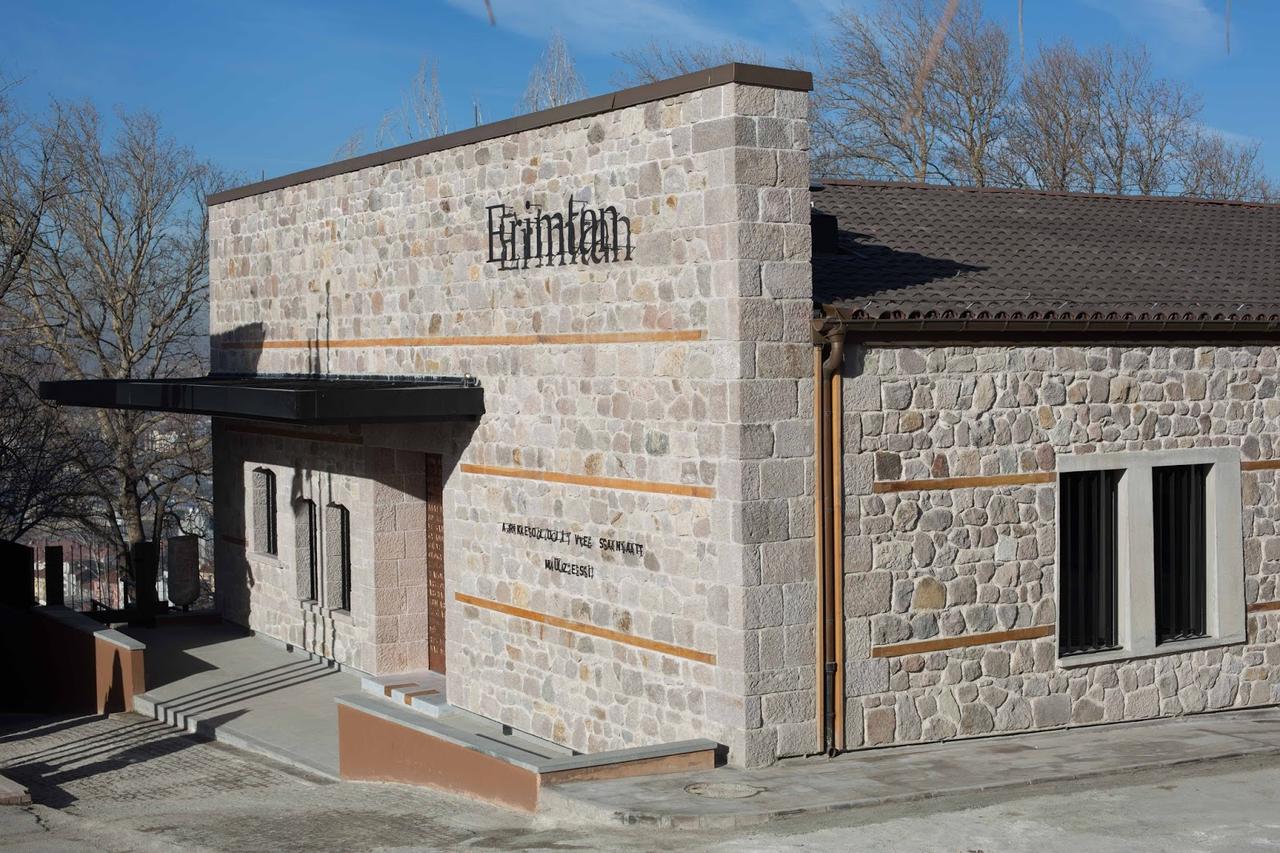
Erimtan Archaeology and Art Museum (Culture Portal)
Erimtan Archaeology and Art Museum’s historical development began in the early 1960s when Yüksel Erimtan started collecting ancient artifacts. Initially gathering seal stones from the Roman period, Erimtan gradually expanded his collection systematically to include archaeological objects from various eras. During this process, the collection was shaped under the guidance of archaeologists and experts, with a focus on specific groups of artifacts.
As the collection grew, the need to preserve the artifacts and evaluate them according to scientific principles became increasingly important. In response, Yüksel Erimtan founded the Association of Cultural Property Collectors in 1996, contributing to the institutionalization of private collecting in Türkiye.
In the 2000s, efforts to open the collection to the public gained momentum. To this end, the Yüksel Erimtan Culture and Art Foundation was established in 2009. The foundation began operations with the goals of exhibiting, preserving, and supporting the collection through cultural activities.
The site selected for the museum consisted of traditional Ankara houses located around Ankara Castle, which were preserved and renovated to suit museum functions.
Following all preparatory work, Erimtan Archaeology and Art Museum opened to the public in 2015. Since its opening, the museum has operated as an institution that makes a private archaeological collection publicly accessible and supports it through cultural activities.
The museum building is situated within Ankara’s historic environment, and its architecture has been designed to ensure the preservation of the exhibited artifacts and safe visitor circulation. The interior layout has been planned to allow the collection to be understood chronologically and thematically. Exhibition areas have been arranged to highlight the relationships between archaeological and artistic objects. The architectural design incorporates lighting, climate control, and security systems configured to support the long-term conservation of the collection. Additionally, exhibition spaces feature multi-purpose areas to ensure easy visitor access and accommodate diverse exhibition formats.
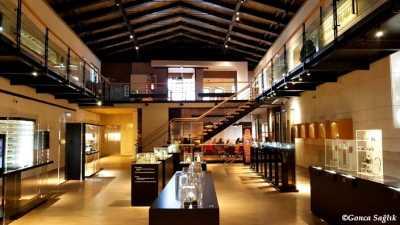
Erimtan Archaeology and Art Museum (Culture Portal)
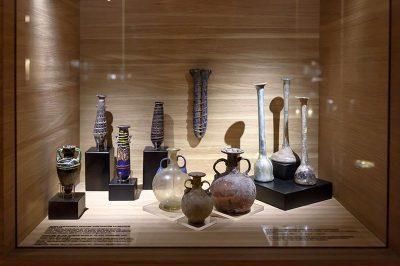
The museum’s collection displays archaeological artifacts from various periods of Anatolia. Stone, metal, and ceramic finds hold a prominent place in the collection. The collection spans a chronological range from the 3rd millennium BCE to antiquity. Archaeological objects are categorized to reflect chronological and cultural diversity and presented in chronological order. Some artifacts also enable comparative analysis of finds from different regions of Anatolia.
In addition to archaeological finds, the museum enriches its collection with art objects, including sculptures, paintings, and decorative arts. These pieces are exhibited alongside archaeological artifacts to illustrate the relationship between archaeology and art. The art collection is organized to reflect both visual diversity and chronological distinctions. The museum facilitates visitor understanding by scientifically classifying the objects and providing explanatory texts.
Exhibition activities at the Erimtan Archaeology and Art Museum are conducted in accordance with the principles of preserving the scientific value of the collection and presenting cultural heritage to the public. The museum presents its collection to the public through both permanent and temporary exhibitions. Informational panels, explanatory texts, and visual materials are used in exhibition design. The museum also supports the promotion and use of the collection through educational programs, lectures, and cultural events. Activities are designed to cater to different age groups and visitor profiles. While ensuring access to the collection for researchers, the museum aims to provide visitors with a meaningful cultural experience.
The Erimtan Archaeology and Art Museum operates as an institution that not only preserves, exhibits, and makes accessible archaeological artifacts but also hosts a wide range of cultural activities. In addition to its permanent collection displays, the museum features rotating exhibitions that focus on different periods and themes.
Activities held within the museum include concerts, panel discussions, conferences, and various art events. These initiatives ensure that the museum functions not merely as an exhibition space but also as a cultural environment that fosters interdisciplinary interaction.
Educational activities also play a significant role in the museum’s mission. Workshops, educational programs, and guided events are organized for different age groups. These activities aim to raise awareness about archaeology and art and to strengthen public awareness of cultural heritage.
The museum is part of cultural routes developed in collaboration with other museums in Ankara and is regarded as a component of a city-wide cultural itinerary.
The museum is located in a central position within the boundaries of Ankara and occupies an area of significant historical and cultural importance. Up-to-date information regarding visiting hours, exhibitions, and events is provided through the Ankara Provincial Directorate of Culture and Tourism, the museum’s official website, and other official cultural platforms. The museum is designed to meet accessibility standards, ensuring comfortable navigation for all visitors. Additionally, detailed informational materials about the collection and exhibitions are made available to visitors.
Ankara İl Directorate of Culture and Tourism. "Erimtan Arkeoloji and Art Museum." T.C. Kültür veTurizm Bakanlığı. Accessed March 25, 2026. https://ankara.ktb.gov.tr/TR-260364/erimtan-arkeoloji-ve-sanat-muzesi.html
Erimtan. "Koleksiyon." Erimtan Arkeoloji ve Sanat Müzesi. Accessed March 25, 2026. https://erimtanmuseum.org/tr/koleksiyon
Erimtan. "Müze." Erimtan Arkeoloji ve Sanat Müzesi. Accessed March 25, 2026. https://erimtanmuseum.org/tr/muze
Müzeler. "Erimtan Arkeoloji ve Sanat Müzesi." Muzeler.org. Accessed March 25, 2026. https://muzeler.org/erimtan-arkeoloji-ve-sanat-muzesi-kultur-girisimi–421778
Türkiye Kültür Portalı. “Erimtan Arkeoloji ve Sanat Müzesi.” T.C. Kültür ve Turizm Bakanlığı. Accessed March 25, 2026. https://www.kulturportali.gov.tr/turkiye/ankara/gezilecekyer/erimtan-arkeoloji-ve-sanat-muzesi
Yanar, Ayşem. “Erimtan Arkeoloji ve Sanat Müzesi.” *Türkiye Turizm Ansiklopedisi.* Accessed March 25, 2026. https://turkiyeturizmansiklopedisi.com/erimtan-arkeoloji-ve-sanat-muzesi

Type(s) | Private museum (archaeology and art) | ||||||||
|---|---|---|---|---|---|---|---|---|---|
Purpose(s) | To promote education and cultural awareness | ||||||||
Founder(s) | Yüksel Erimtan | ||||||||
Location | Ankara | ||||||||
Collection | Archaeological and artistic artifacts | ||||||||
Affiliated Institution | Yüksel Erimtan Culture and Art Foundation (2009) | ||||||||
Year of Establishment | 2015 | ||||||||
No Discussion Added Yet
Start discussion for "Erimtan Archaeology and Art Museum" article
History
Architectural Features
Collection
Archaeological Artifacts
Art Objects
Exhibitions and Activities
Functions and Activities
Location and Visit