


This article was automatically translated from the original Turkish version.
+1 More
Elpek Bezi, a traditional woven fabric produced continuously from antiquity to the present in the Karadeniz Ereğli district of Zonguldak province, Türkiye. It is manufactured on two-heddle, two-pedal looms using the bezayağı weaving technique. Historically, linen yarn was primarily used in the production of Elpek Bezi, though cotton yarn was later incorporated. During weaving, vertical stripe patterns are created using either single colors or color repeats in the warp and weft threads.
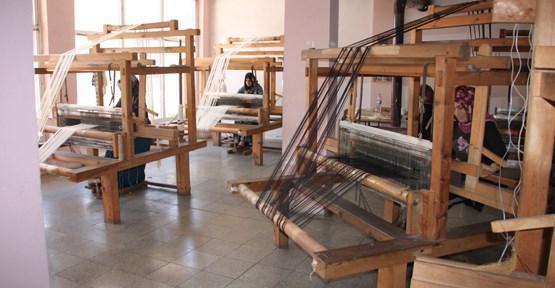
Elpek Bezi Dokuma Tezgahı. (Kdz. Ereğli Kaymakamlığı)
The main raw materials used in the production of Elpek Bezi are linen and cotton. Linen yarn enhances the fabric’s durability and, due to its high moisture absorption capacity, results in a textile particularly suitable for hot and humid climates. Cotton yarn began to be preferred in later production periods, expanding the fabric’s range of applications. The weaving technique employed is the bezayağı weave. This system is based on the principle that both warp and weft threads pass alternately over and under each other with every passage, giving the fabric a smooth and robust surface.
Linen production and weaving activities have held significant importance in the Karadeniz Ereğli region since antiquity. Elpek Bezi is understood to be a continuation of this deep-rooted textile tradition. Production of Elpek Bezi declined from the 1940s onward and nearly disappeared entirely. However, after a pause of approximately fifty years, this traditional weaving was revived, and women in the region began producing it again on handlooms.
Today, Elpek Bezi holds importance both as a means of preserving cultural heritage and as an economic production activity. This fabric, produced in the region using traditional methods, is sold as a raw material to select Turkish clothing brands and is used in various fashion products. Additionally, a geographical indication application for Elpek Bezi was submitted on 03.12.2019.
Traditionally, Elpek Bezi was used to make garments designed to provide coolness in hot climates. Due to its fine texture and breathable structure, it was especially favored for summer clothing. Today, its applications have expanded: in addition to the apparel sector, it is now also used in home textiles, including curtains, tablecloths, and decorative items.
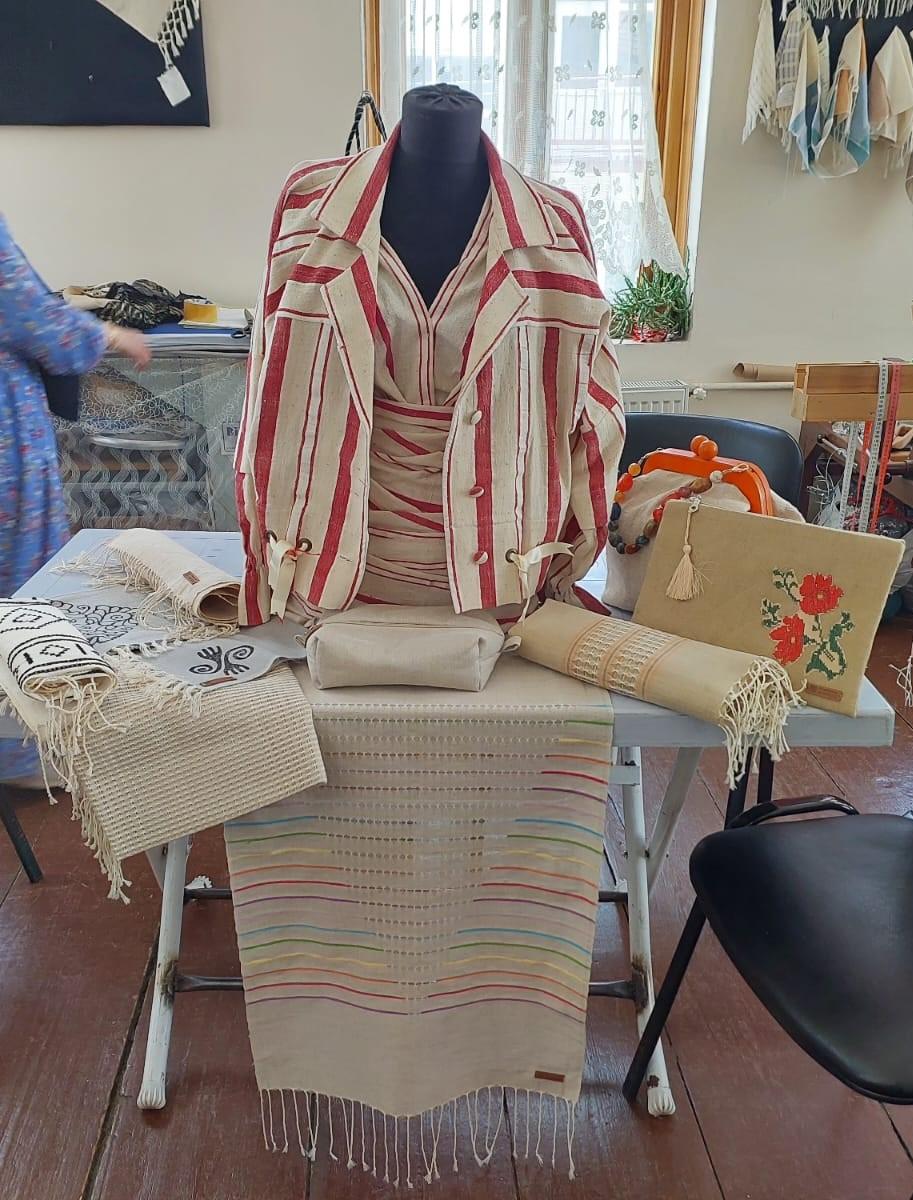
Elpek Bezi ile Dokunan Ürünler. (Kdz. Ereğli Kaymakamlığı)
Akpınarlı, Hatice Feriha, and Mualla Gözde Çalışkan Çoban. "Kumaş Dokumacılığının Anadolu’daki Coğrafi Dağılımı." *İdil Sanat ve Dil Dergisi* 78 (2021): 285–303. Accessed April 27, 2025.https://www.ceeol.com/search/article-detail?id=965455.
T.C. Karadeniz Ereğli District Governorship. *Elpek Bezi*. Karadeniz Ereğli: District Governorship Publication. Accessed April 27, 2025.
Yavuz Öz, Duygu. "Karadeniz Ereğli’ye Bağlı Köy Adları Üzerine Bir İnceleme." Türk Dünyası Araştırmaları 120, no. 236 (September-October 2018): 55–76.

Raw Materials and Technical Characteristics
Historical Development
Current Status
Applications