

`linen` Related Article Results
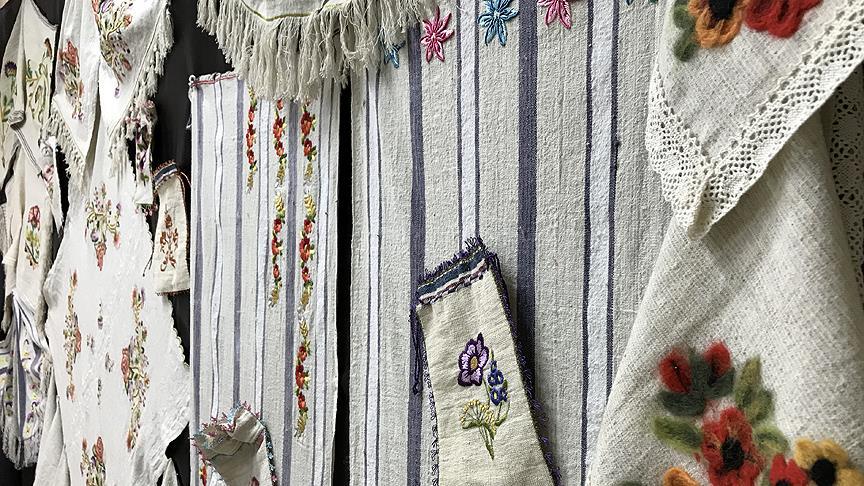
Kandıra Bezi
Kandıra fabric is a traditional woven textile produced in the Kandıra district of Türkiye’s Kocaeli province and registered with a geographical indication. Made from flax, this fabric is a cultural product requiring intensive manual labor and local expertise at every stage of production. From Raw Material to Loom The primary raw material of Kandıra fabric, flax, is sown in humus-rich soils during autumn and begins to mature in spring. Harvesting is carried out by hand in June and July. The flax
EN
Elif Laçin
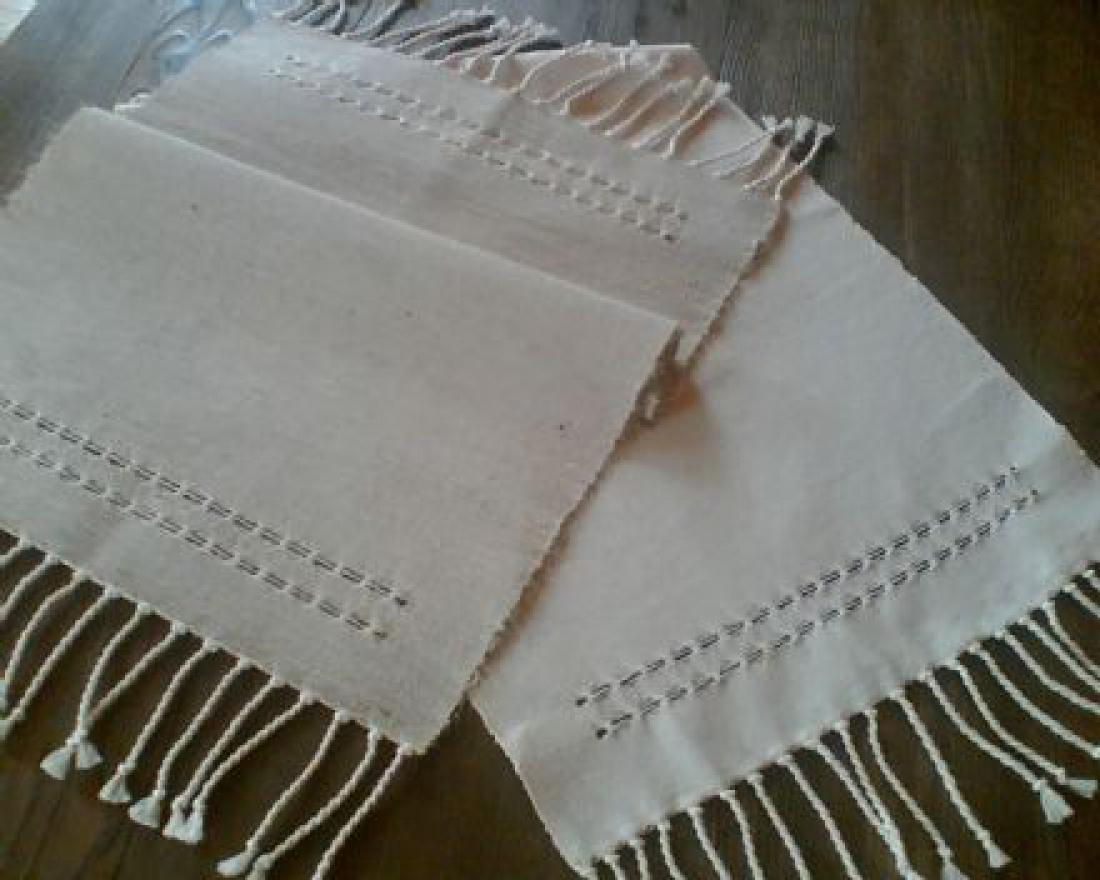
Elpek Fabric
Elpek Bezi, a traditional woven fabric produced continuously from antiquity to the present in the Karadeniz Ereğli district of Zonguldak province, Türkiye. It is manufactured on two-heddle, two-pedal looms using the bezayağı weaving technique. Historically, linen yarn was primarily used in the production of Elpek Bezi, though cotton yarn was later incorporated. During weaving, vertical stripe patterns are created using either single colors or color repeats in the warp and weft threads. Raw Mater
EN
Samet Demirbaş
Elpek Fabric
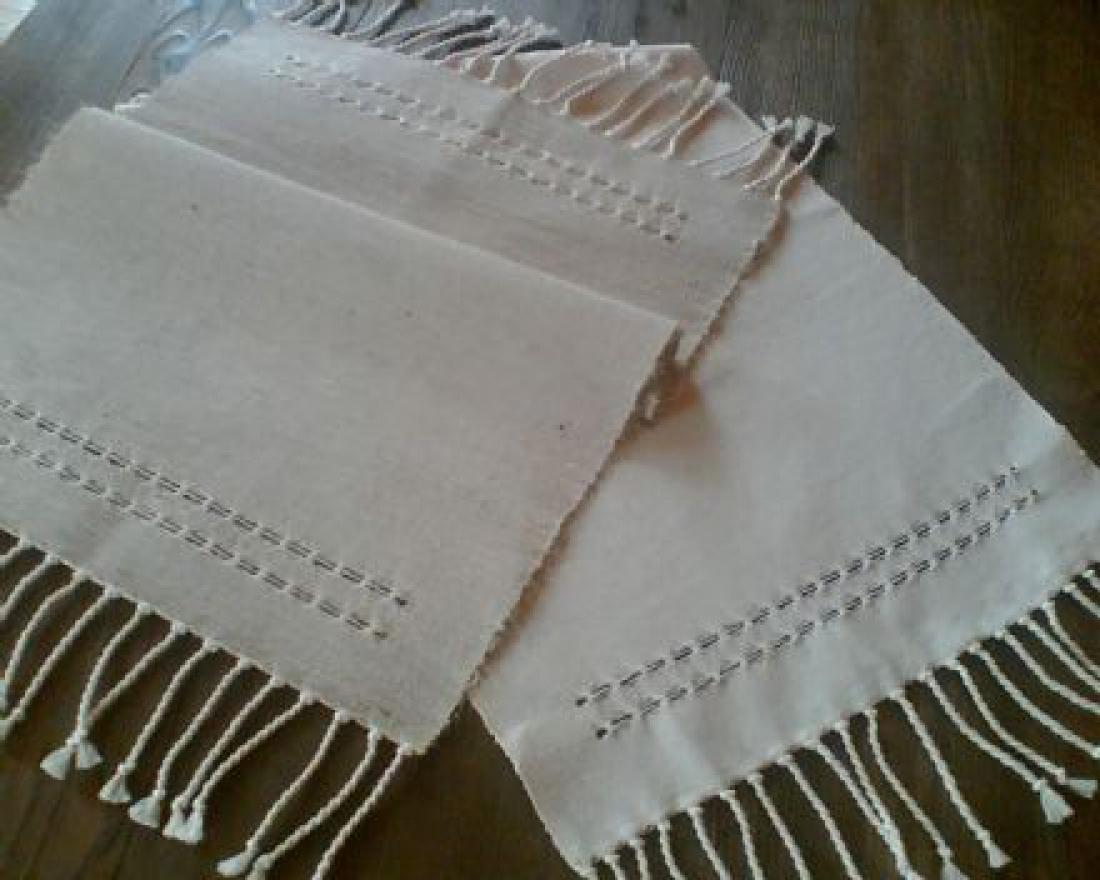
Elpek Bezi is a traditional woven fabric produced continuously from antiquity to the present day in the Karadeniz Ereğli district of Zonguldak province, Türkiye. It is woven on two-shaft, two-pedal looms using the bezağı weaving technique. Historically, flax yarn was primarily used in the production of Elpek Bezi; over time, cotton yarn was also incorporated. During weaving, vertical stripe patterns are created using either single colors or repeated color sequences in the warp and weft threads.
ENSamet Demirbaş