

`fabric` Related Article Results
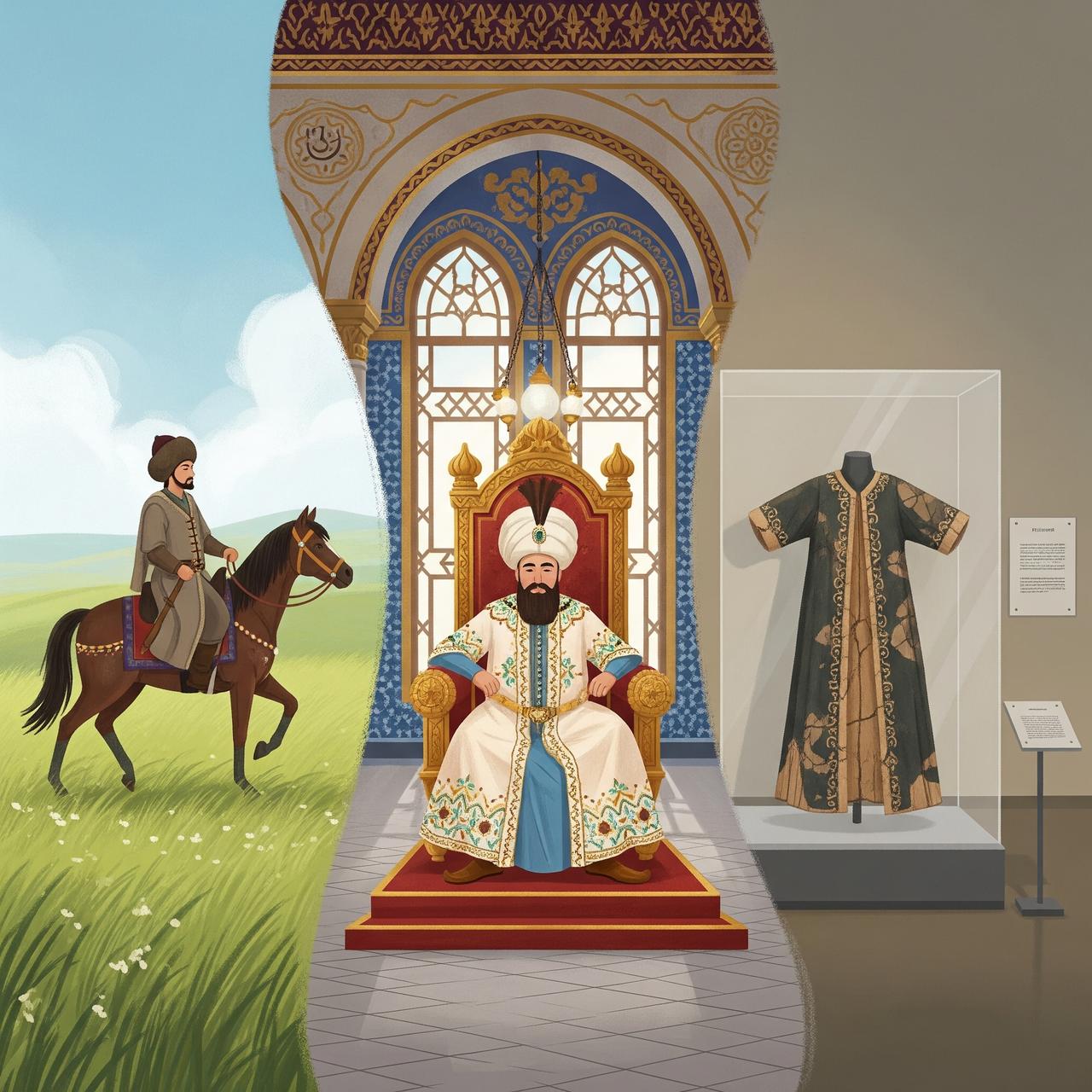
Kaftan
Kaftan,Have you ever seen the elaborate, long, and ornate garments worn by sultans in museums? These garments are called kaftans! A kaftan is not merely a piece of clothing; it was also a symbol of wealth, power, and high status. This distinctive garment, worn by kings, sultans, and heroes in the past, resembles a work of art woven in fabric. A kaftan is typically a long-sleeved, open-front upper garment that reaches down to the feet, made from valuable fabrics such as silk or velvet. What makes
EN
Kasım Emre Anıl
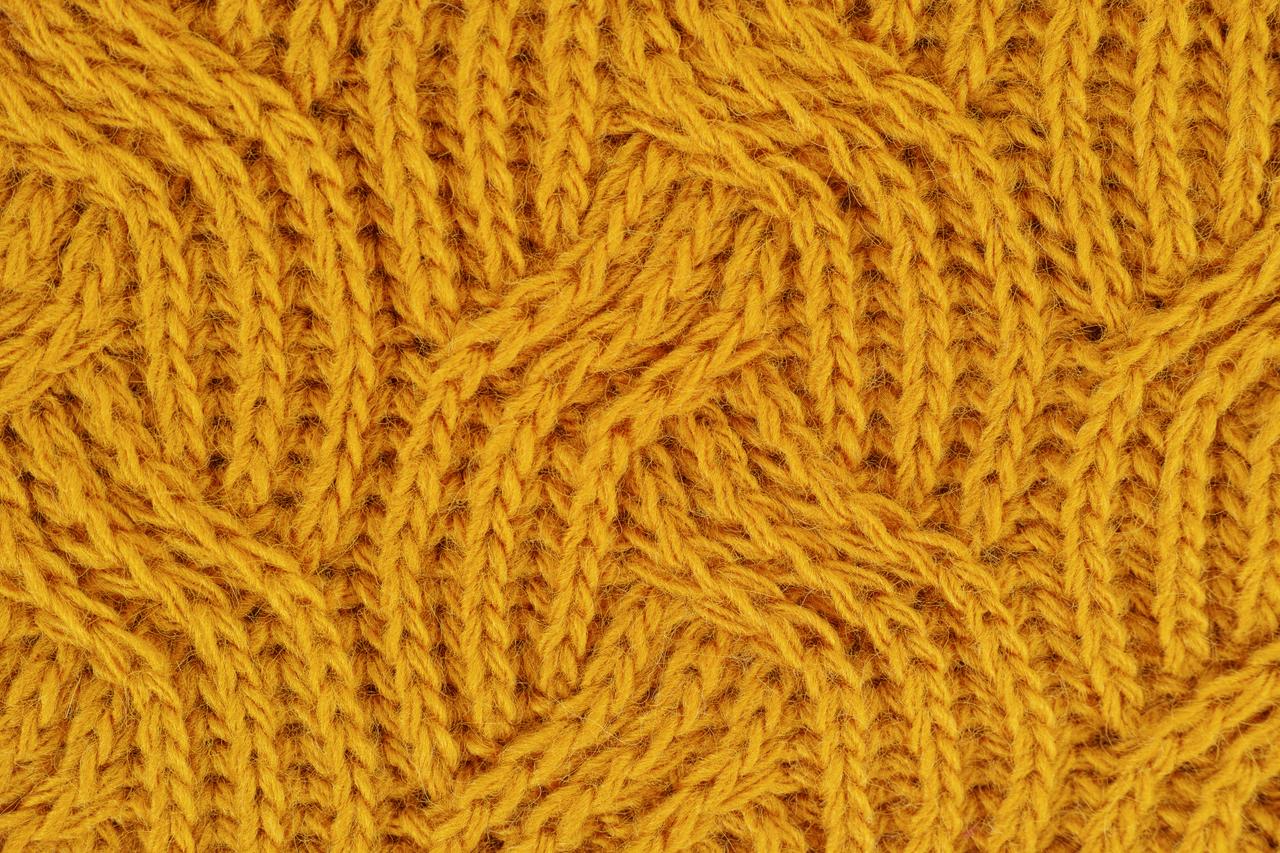
Knitting Art (Textile)
Knitting is one of the most widely used production methods in textile surface formation, following weaving. Essentially, knitted fabrics are formed by interlocking yarns into structures called loops. Due to their properties such as flexibility, softness, and comfort, knitted fabrics are frequently preferred in both everyday apparel and technical textile applications. Knitting Methods and Classification Knitting technology is divided into two main categories: weft knitting and warp knitting. In w
EN
Sude Salman
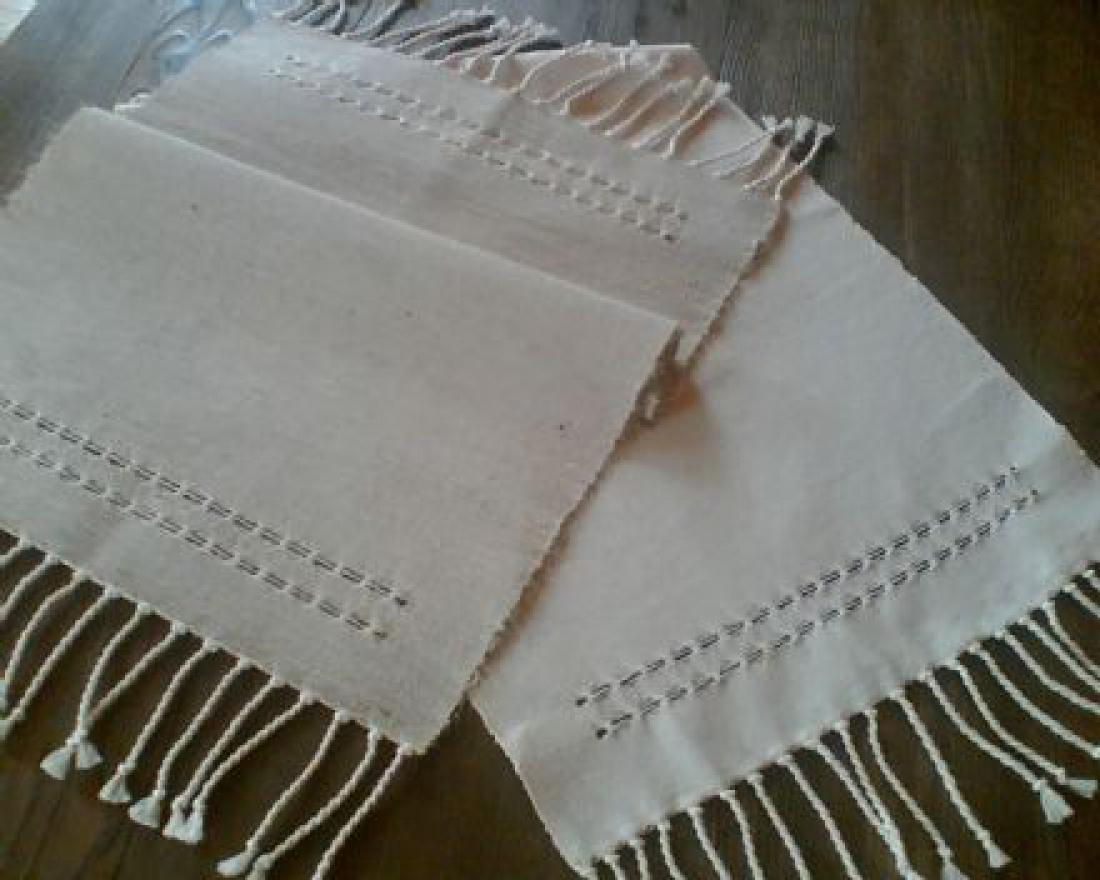
Elpek Fabric
Elpek Bezi, a traditional woven fabric produced continuously from antiquity to the present in the Karadeniz Ereğli district of Zonguldak province, Türkiye. It is manufactured on two-heddle, two-pedal looms using the bezayağı weaving technique. Historically, linen yarn was primarily used in the production of Elpek Bezi, though cotton yarn was later incorporated. During weaving, vertical stripe patterns are created using either single colors or color repeats in the warp and weft threads. Raw Mater
ENSamet Demirbaş
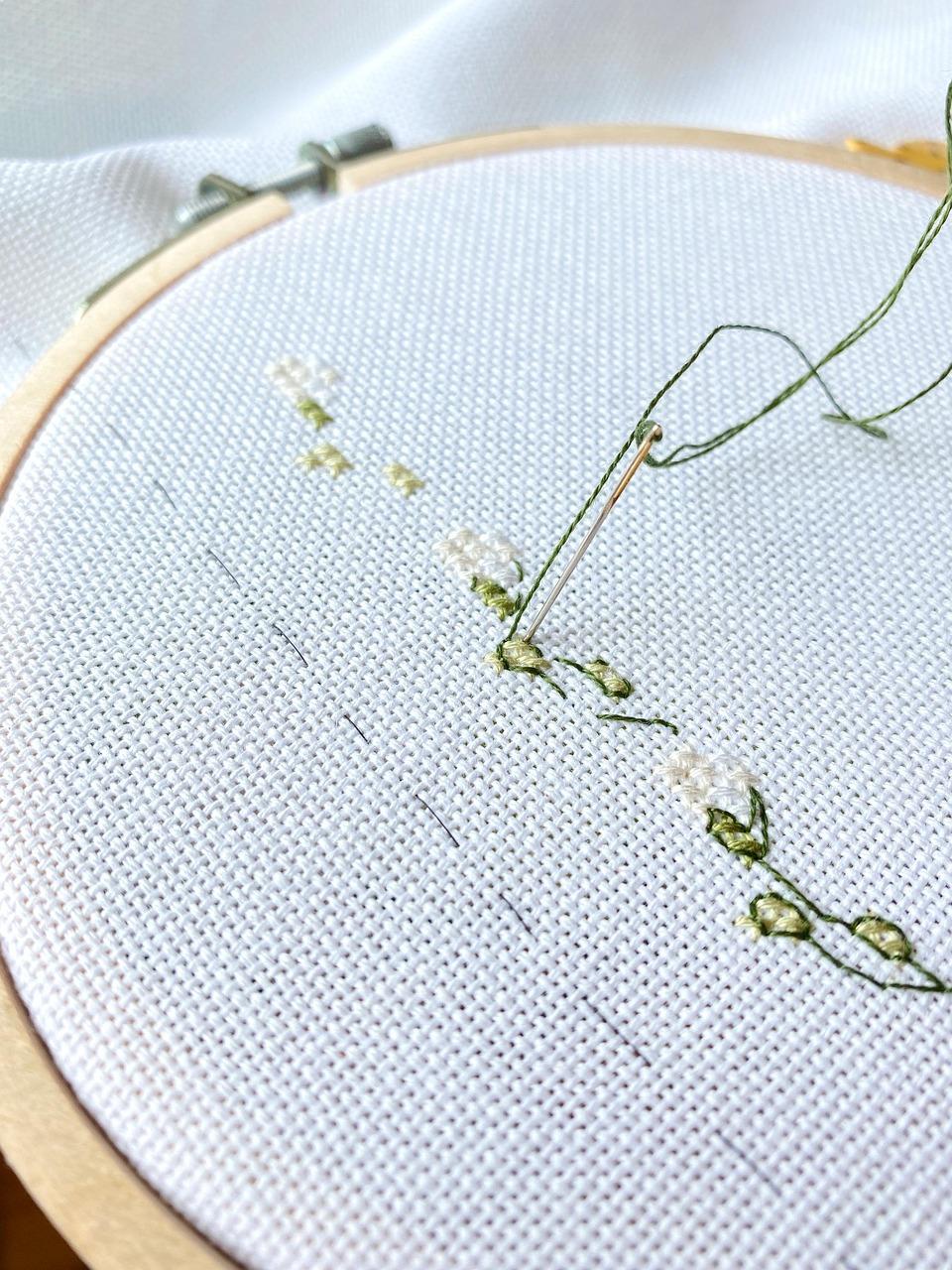
How Is Kanaviçe Processed?
Kanaviçe is a form of embroidery featuring beautiful patterns made with threads. On a special fabric, colorful threads are used to stitch flowers, animals, and shapes. This technique is also called cross-stitch, because the threads are stitched across the fabric in a cross shape. To create kanaviçe, you will need the following materials: ✅ Fabric: A special perforated fabric designed for embroidery. ✅ Threads: Colorful embroidery floss. ✅ Needle: A needle with a rounded tip, as it does not pierc
EN
Meryem Şentürk Çoban
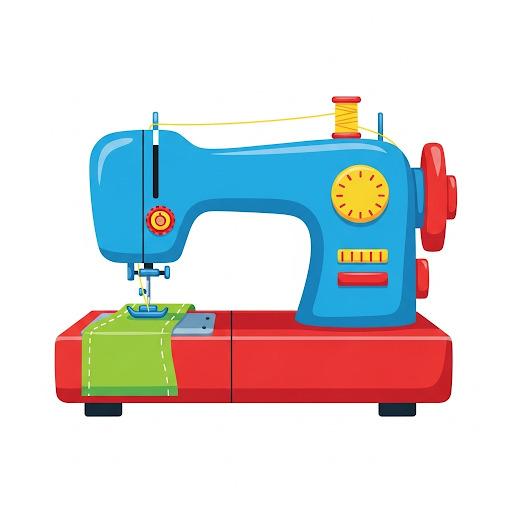
What Is a Sewing Machine?
A sewing machine is a wonderful tool that stitches fabrics together with thread! It works like a magical needle and thread. In the past, sewing our clothes, bags, or other items took a very long time. But thanks to the sewing machine, we can now do these tasks much faster and more easily! How Does It Work? A sewing machine uses a special needle and thread to pass through the fabric. It pulls the thread from beneath and above the fabric, creating tiny knots. These knots hold the fabrics tightly t
ENAlperen Şener
 Ki
KiKimono
Kimono is Japan’s traditional garment. In Japanese, the word “kimono” means “clothing” or “something to wear.” Over the historical process, it evolved from a general term for clothing into a specific term used in modern Japan to denote traditional Japanese attire. The kimono’s origins lie in the kosode, an undergarment worn during the Heian period (794–1185), which followed the Nara period (710–794). “Kosode” means “small sleeves” and differs structurally from the earlier wide-sleeved osode. Dur
EN
Yahya B. Keskin
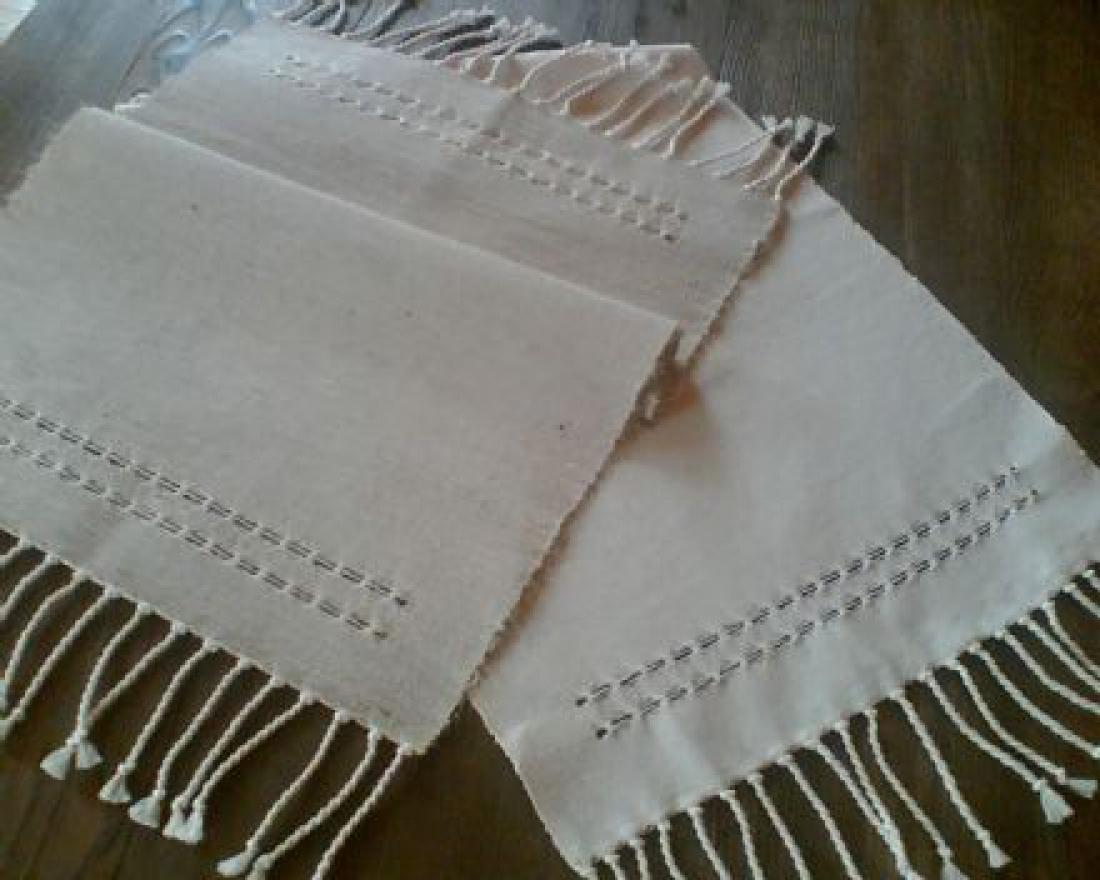
Elpek Fabric
Elpek Bezi is a traditional woven fabric produced continuously from antiquity to the present day in the Karadeniz Ereğli district of Zonguldak province, Türkiye. It is woven on two-shaft, two-pedal looms using the bezağı weaving technique. Historically, flax yarn was primarily used in the production of Elpek Bezi; over time, cotton yarn was also incorporated. During weaving, vertical stripe patterns are created using either single colors or repeated color sequences in the warp and weft threads.
ENSamet Demirbaş
Black Sea Keşan Fabric
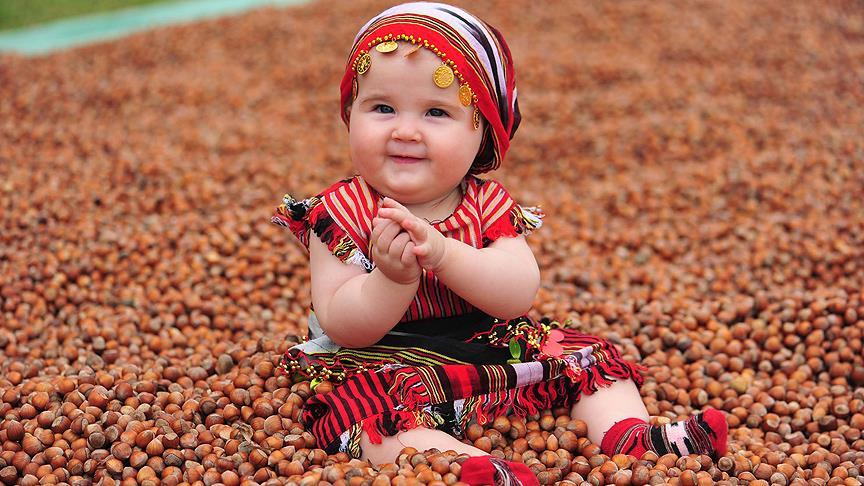
Black Sea Keşan Fabric is a traditional cotton textile woven in Türkiye’s Black Sea Region, particularly in Trabzon and its surroundings. It is produced using the bezaağı weave technique on shuttle looms. This weaving type is traditionally made in the Eastern Black Sea region, including Trabzon, Rize, Artvin, and nearby areas. Keşan fabric is an integral part of the region’s traditional folk clothing. History The origins of Black Sea Keşan fabric are rooted in the region’s hand-weaving tradition
EN
Sabiha Meyra Şahinler
What is Turkish Red?
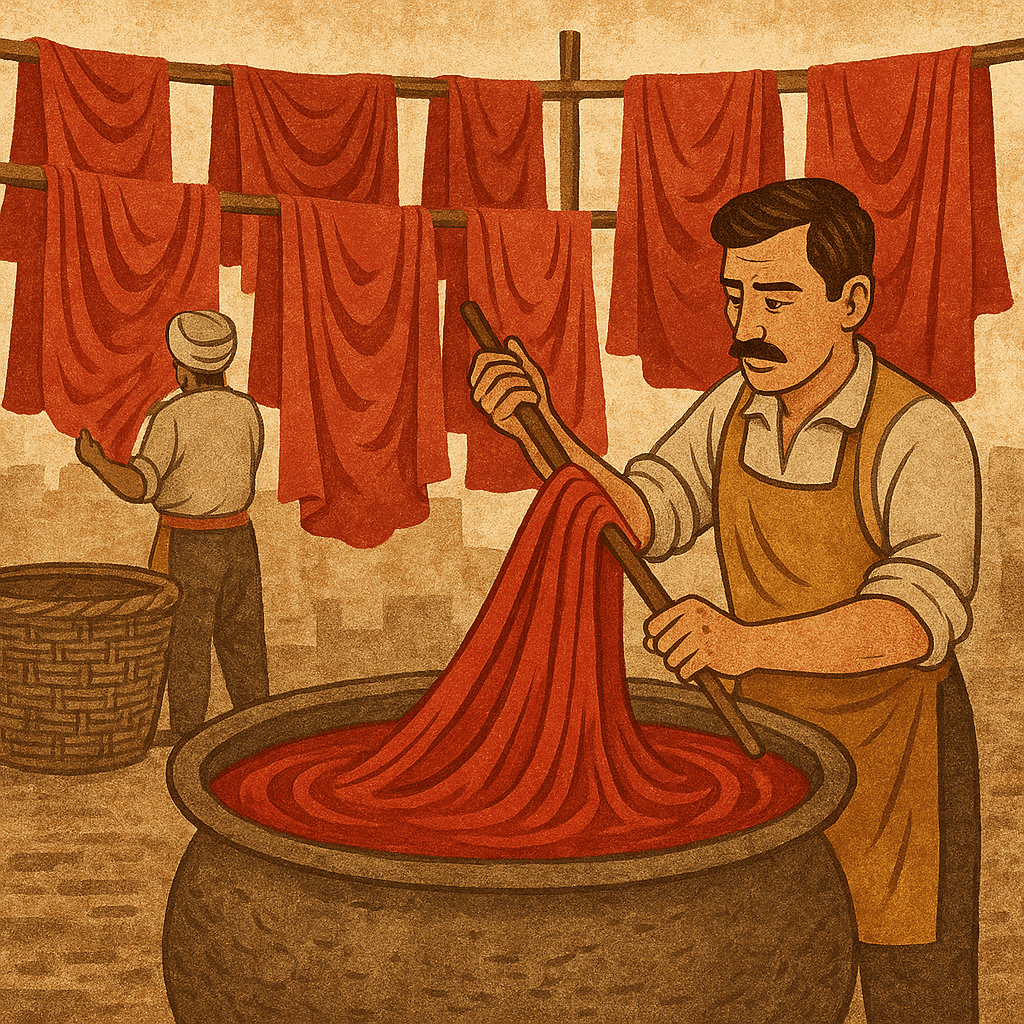
Türk kırmızısı, pamuklu kumaşları canlı ve kalıcı kırmızıya boyamak için kullanılan özel bir boya tekniğidir. Osmanlı döneminde Anadolu’da geliştirilmiş ve Avrupa’ya da buradan yayılmıştır. Avrupalılar bu renge, Edirne’de çok üretildiği için “Rouge d’Andrinople” (Edirne Kırmızısı) adını vermiştir. How Was It Made? Türk kırmızısı was made using red pigments derived from the root dye plant. The fabric was treated with olive oil, alum (aluminum sulfate), soda, and other additives before being dyed.
EN
Sümeyye Akkanat Terzioğlu
Black Sea Keşan Fabric
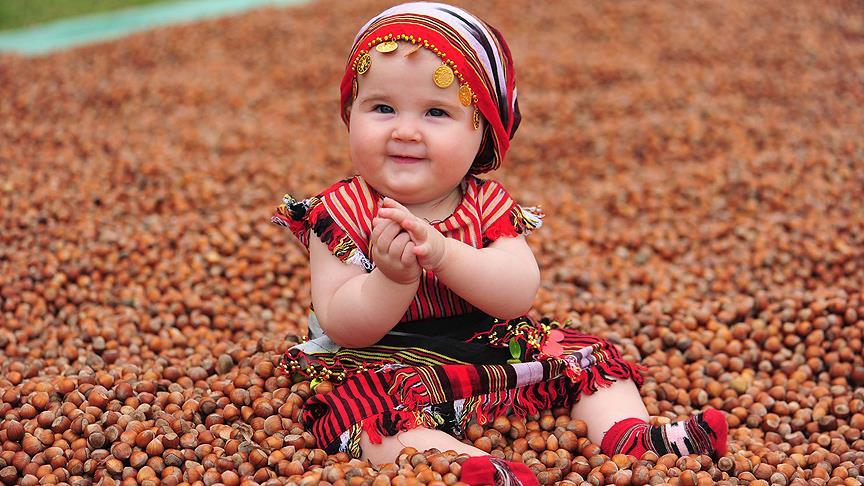
Karadeniz Keşan Fabric is a traditional cotton fabric woven in Türkiye’s Black Sea Region, particularly in Trabzon and its surrounding areas. The weaving technique employed is the bezayağı weave, and production is carried out on shuttle looms. It is a traditional textile produced historically in the Eastern Black Sea region, especially in Trabzon, Rize, Artvin, and nearby areas. Keşan fabric forms part of the traditional folk attire of the region. History The origins of Karadeniz Keşan fabric ar
EN
Sabiha Meyra Şahinler