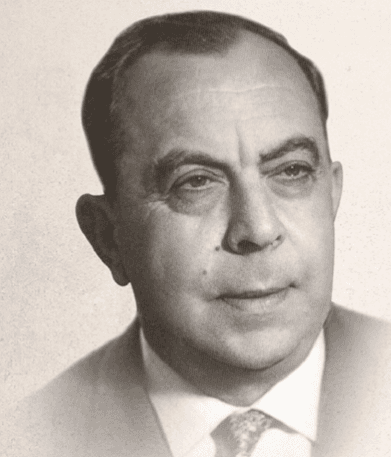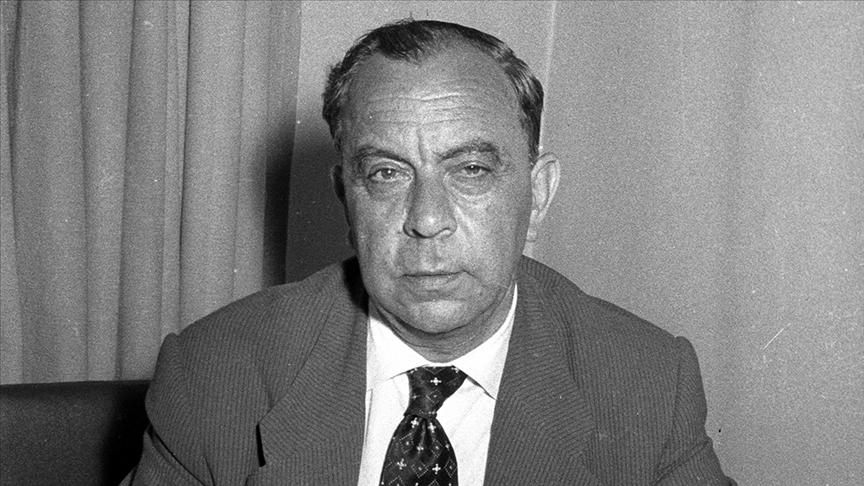

Birth | 14 March 1906, Ortaköy, Lefkoşa (Cyprus) | ||||||||
|---|---|---|---|---|---|---|---|---|---|
Father | Mehmet Hüseyin Küçük | ||||||||
Mother | Pembe Hanım | ||||||||
Profession | Journalist Politician Physician | ||||||||
Area of Expertise | Internal Medicine, Gynecology | ||||||||
Languages | French, English, Greek | ||||||||
Newspaper Founded | The Voice of the People | ||||||||
Political Offices | Lefkoşa Municipality, KATAK, KMTHP, KMTB, Cyprus Turk Party, Cyprus Turkism Resistance Union, VOLKAN, Deputy President of the Republic, Chairmanship of the General Committee, Chairmanship of the Provisional Turkish Cypriot Administration | ||||||||
Death | 15 January 1984, London, Westminster | ||||||||
Burial Place | Hamitköy, Anıttepe, Turkish Republic of Northern Cyprus | ||||||||
Dr. Fazıl Küçük was born on 14 March 1906 in Lefkoşa-Ortaköy. He completed his education in Lefkoşa and Istanbul, and finished his medical studies in France and Switzerland. After specializing in internal medicine at clinics in Lausanne, he returned to Cyprus in May 1937 and began practicing as a private physician in Lefkoşa.
On 14 March 1942, he founded the newspaper Halkın Sesi; on 21 March 1943, he was elected to the Lefkoşa Municipal Council and played an active role in Cypriot Turkish political organizations along the lines of KATAK, KMTHP, and KMTB between 1943 and 1949.
During the EOKA attacks in 1955, he participated in Cypriot Turkish defense organizations; on 17 February 1959, he represented the Cypriot Turks at the London Conference, signed the agreement, and on 3 December 1959 was elected the first Vice President of the Republic of Cyprus. After 21 December 1963, he presided over the General Committee; on 27 December 1967, he became head of the Provisional Cypriot Turkish Administration and handed over his duties to Rauf R. Denktaş on 18 February 1973. Dr. Fazıl Küçük died in London on 15 January 1984 and was buried at Anıttepe in Hamitköy.
Fazıl Küçük was born on 14 March 1906 in Ortaköy, within the Lefkoşa district. His father, Mehmet Hüseyin Küçük, worked as a farrier and saddler in Lefkoşa; his mother was Pembe Hanım. Fazıl Küçük had seven siblings.
Fazıl Küçük’s official name in the population register was Mustafa. During his school years, his teacher gave him the name “Fadıl”; for a time, he was known as “Mustafa Fadıl Küçük.” In 1945, he changed “Fadıl” to “Fazıl,” and thereafter became known as “Mustafa Fazıl Küçük” or simply “Fazıl Küçük.”
His childhood and early youth unfolded against a historical backdrop in which Cyprus’s strategic position in the Eastern Mediterranean intensified international competition; the island’s administration had been transferred to Britain in 1878 and annexed in 1914. This period coincided with growing uncertainty regarding the public rights and political future of the Cypriot Turkish community, while the Ottoman State endured prolonged wars and political transformations.
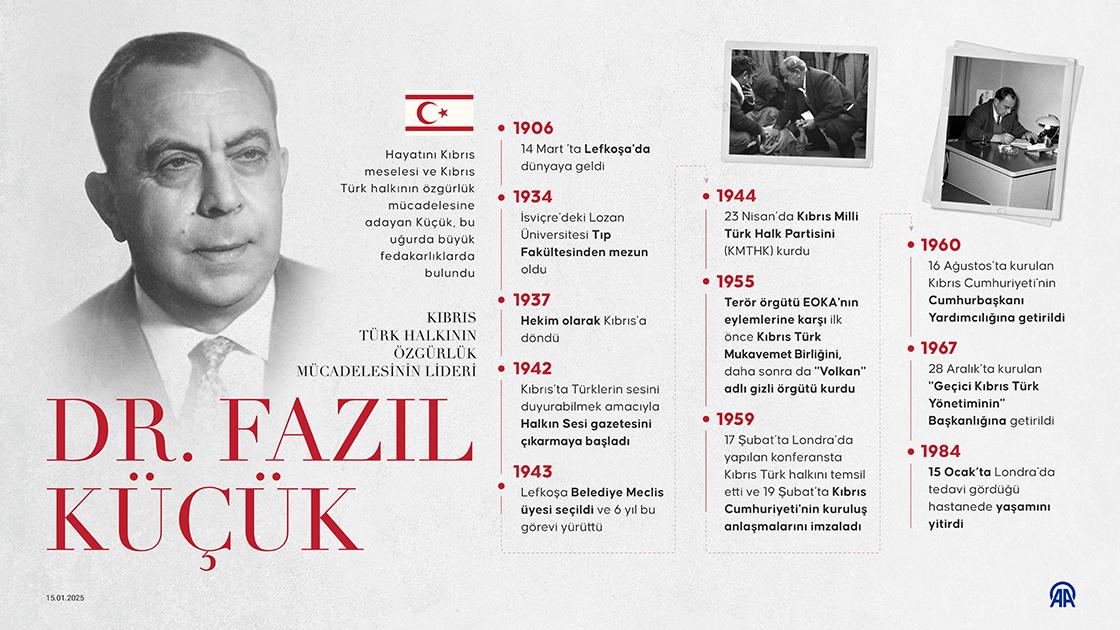
Infographic on Dr. Fazıl Küçük (AA)
Fazıl Küçük’s education began in Lefkoşa. He started his primary schooling at Sarayönü School and shortly afterward transferred to the school known as “Tarakçı Mektebi,” named after its headmaster, located in Haydarpaşa. He completed primary school in 1919. This period coincided with the years of the First World War, and his education was deeply affected by the social consequences of wartime conditions.
After primary school, he continued his secondary education in Lefkoşa. The secondary education path followed the structure of the time, encompassing rüştiye and/or high school level education through idadi stages. After completing rüştiye in 1922, he traveled to Egypt for a period and studied French and German in Alexandria. This foreign language phase was brief; he returned to Turkey in 1923 to continue his education.
He completed his secondary education at Istanbul Özel İstiklal Lisesi/İstiklal İdadisi and graduated on 15 August 1926. Completing part of his secondary education in Lefkoşa and the remainder in Istanbul contributed to the early development of a nationalist character in his educational trajectory.
After secondary school, he enrolled at the Faculty of Medicine of Istanbul Darülfünun and successfully completed his first year. He then chose to continue his education in Europe; on 12 June 1929, he severed ties with the institution and moved first to France and then to Switzerland. He completed his medical studies at the University of Lausanne, acquiring academic and clinical experience along the Paris–Lausanne axis.
This decision was influenced by the limitations imposed by colonial administration on professional practice in Cyprus: non-British-trained physicians faced restrictions on practicing and opening clinics on the island. This situation created the conditions for deepening education and specialization along a European-centered path.
After completing his medical education, he undertook clinical specialization at Lausanne clinics and became a specialist in internal medicine. Within this field, he conducted research on the diagnosis and treatment of pulmonary tuberculosis. He also developed a second specialization in gynecology, taking into account the shortage of physicians in specific areas within the Cypriot Turkish community. Thus, his educational path acquired a multi-layered structure at the level of clinical specialization.
His educational path was supported by early language acquisition. During his time in Alexandria, he studied French and German; in his European educational and clinical environment, he maintained contact with foreign languages, especially French. Küçük, who was fluent in French, English, and Greek, possessed a linguistic repertoire that supported both his medical training and his capacity for communication in public and political activities.
Following his education and specialization, he returned to Cyprus in May 1937 and began working as a private physician in Lefkoşa. Thus, his educational journey, after the phases of higher education and clinical specialization abroad, transitioned into professional practice on the island.
After Dr. Fazıl Küçük’s return to Cyprus in 1937, his medical practice encountered the regulatory restrictions imposed by the British colonial administration. The colonial authorities claimed that physicians not trained in Britain could not open private clinics; thus, Küçük’s attempt to open a private practice faced administrative obstacles. At this stage, he was expected to work in public hospitals, but he refused to serve under colonial authority. Shortly afterward, the administration changed its stance and permitted him to open his private clinic. To publicly highlight the discriminatory approach applied to him, Küçük hung a sign on the exterior wall of his clinic reading “Graduated from Switzerland”; this sign remains preserved in the same location.
Dr. Fazıl Küçük’s medical practice was not limited to clinical service; it evolved into a practice grounded in social support. On Fridays, he provided free medical examinations at his clinic; for patients unable to afford medication, he sometimes provided medicines he prepared himself or covered the cost of prescribed drugs from pharmacies using his own resources. This approach demonstrated that his medical activity was structured around accessibility and solidarity, directly addressing the daily health needs of the community.
Dr. Fazıl Küçük founded the newspaper Halkın Sesi on 14 March 1942 to establish a continuous publication platform capable of voicing the concerns of the Cypriot Turkish community, and he assumed the role of editor. This initiative took shape as a press activity aimed at regularly bringing to public attention the rights, daily problems, and political goals of the Cypriot Turkish community. Küçük positioned the newspaper as a public platform designed to elevate the political and cultural awareness of the community.
Küçük used the newspaper to debate the main issues facing the Turkish community on the island; in his articles, he highlighted topics such as the management of educational institutions, the transfer of the Evkaf Administration, the revitalization of the Muftiate, the transformation of the legal system, and the strengthening of the institutional presence of the Turkish community. In this context, Halkın Sesi served as a vehicle for bringing to public attention issues marked by institutional and political tension with the colonial administration. Küçük’s journalistic approach was grounded not in claims of neutrality but in a clear emphasis on independence, with the defense of the interests of the Cypriot Turkish community at its core.
Articles criticizing the colonial administration led to direct conflict with the authorities; during this period, Halkın Sesi was shut down for three months. The continuation of publication was tested not only by administrative restrictions but also by material and technical obstacles. Difficulties in obtaining paper arose; due to the colonial administration’s refusal to supply paper, the newspaper’s paper needs were sometimes met through alternative means, such as packaging paper. The persistence of the newspaper under these conditions demonstrated that the press activity was also a matter of resistance and continuity.
Dr. Fazıl Küçük wrote columns and served as editor for Halkın Sesi; during certain periods, he published articles under pseudonyms. The newspaper became a long-lasting publication organ in the political trajectory of the Cypriot Turkish community; even during periods when he was not holding political office, Küçük continued writing on social and political issues through this medium. Additionally, to reach a broader audience, the newspaper was published weekly in English under the title The Voice of The People.
Halkın Sesi transformed into a public intervention tool deeply intertwined with Dr. Fazıl Küçük’s political activities. The publishing efforts conducted through the newspaper assumed functions such as keeping the institutional rights claims of the Cypriot Turkish community on the agenda, systematically opposing the Enosis initiative, supporting social organizations, and establishing links with Turkish public opinion.
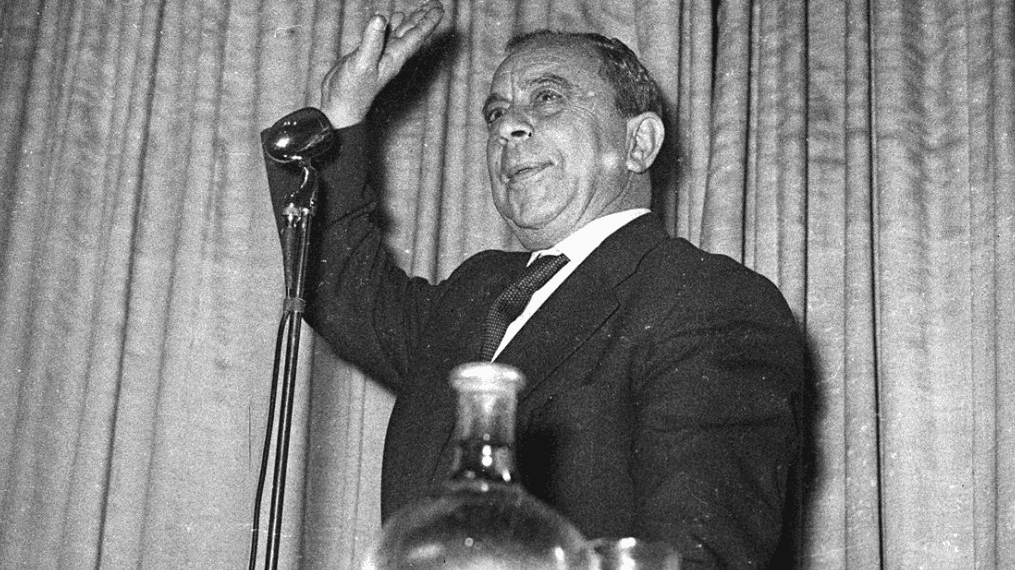
Dr. Fazıl Küçük (AA)
Dr. Fazıl Küçük’s political stance began to crystallize during his university years, prior to his return to Cyprus. During this period, he focused on institutional issues facing the Cypriot Turkish community in education; he developed an open opposition to the Kavanin Meclisi’s Turkish members, who insisted on British administrators managing Turkish schools. This resistance demonstrated Küçük’s distance from local representation practices that were seen as accommodating the colonial administration and his placement of the demand for institutional autonomy at the center of his political agenda.
Küçük’s political orientation remained centered throughout all periods on two institutional goals: the transfer of control over Turkish schools and the Evkaf Administration to the Cypriot Turkish community.
These goals were based on the idea that the Cypriot Turkish community should exercise “unconditional” sovereignty over its own educational and charitable institutions. Küçük attempted to persuade the colonial administration to meet these demands; when persuasion failed, he adopted a clear path of struggle. Thus, his political stance took shape as a framework that went beyond mere representation or electoral activity, aiming instead to strengthen the community’s social existence through control over institutions.
Küçük’s return to Cyprus in 1937 coincided with a period of accelerated political activity. During these years, administrative measures imposed by the colonial regime and debates over the public rights of the Cypriot Turkish community supported Küçük’s transformation into a more visible political actor through both his press activities and organizational initiatives.
After the 1931 uprising by Greek Cypriots, municipal elections were suspended and political representation channels remained limited for a long time. When municipal elections were resumed on 21 March 1943, Dr. Fazıl Küçük achieved a clear victory over his opponents and thereby elevated his political activities to the level of institutional representation. This date marked a critical threshold where Küçük’s early political stance was transformed into a concrete position within local governance.
Dr. Fazıl Küçük (TRT Archive)
Following the elections of 21 March, Dr. Fazıl Küçük served as a member of the Lefkoşa Municipal Council for six years. This membership corresponded to a period during which Küçük conducted his political activities within the mechanisms of local governance. In this context, Küçük became a more visible actor in the areas of municipal services, public representation, and local decision-making processes for the Cypriot Turkish community.
The year 1943 marked not only the consolidation of Küçük’s position in local governance but also the beginning of a period of accelerated development in broader Cypriot Turkish political organizations. In the same year, Küçük took an active role in newly formed Cypriot Turkish political organizations; his municipal council membership strengthened his capacity for internal community representation and laid the groundwork for building more comprehensive institutional and political structures.
In 1943, the same year he was elected to the Lefkoşa Municipal Council, Dr. Fazıl Küçük sought to elevate the political organization of the Cypriot Turkish community into an institutional framework. In this context, on 18 April 1943, he became one of the founders of the Cypriot Turkish Minority Organization (KATAK) and served in its leadership structure. KATAK emerged as one of the earliest organizations aiming to consolidate the rights claims of the Cypriot Turkish community on a political organizational basis in the early 1940s.
Dr. Fazıl Küçük, believing that KATAK was under the influence of the British colonial administration, resigned from his position on its governing board and subsequently severed ties with the organization. This break demonstrated that the principle of “institutional independence,” central to Küçük’s political strategy, directly shaped his organizational choices. Küçük adopted the view that a more explicit “national structure” was necessary to achieve the social, economic, cultural, and legal rights of the Cypriot Turkish community.
This organizational need materialized with the foundation of the Cypriot National Turkish People’s Party (KMTHP) on 23 April 1944. It is known that 161 individuals attended the founding meeting and that the party was established under Küçük’s presidency. The KMTHP placed the protection of the rights and improvement of the welfare of the Cypriot Turkish community at its core; it also adopted as a primary objective the prevention of the Enosis initiative, which aimed to unite Cyprus with Greece. Another critical aspect was the party’s rapid organization across different settlements and its expansion throughout the island.
By the end of the 1940s, a trend toward unification strengthened within Cypriot Turkish political and professional organizations. In this process, KATAK and KMTHP merged on 23 October 1949, and the political structure was reorganized under the name Cypriot National Turkish Union (KMTB). The merger was linked to the goal of consolidating the political representation capacity of the Cypriot Turkish community under a single umbrella and forming a more unified stance against the Greek Cypriot Enosis objective.
After the 1949 merger, Dr. Fazıl Küçük continued the political organization of the Cypriot Turkish community along the axes of preventing Enosis and reinforcing the institutional rights of Cypriot Turks. During this period, two main focal points of political effort emerged:
As the Cyprus issue gained international visibility from the mid-1950s, Küçük intensified his contacts with Turkey and undertook activities to convey the demands of the Cypriot Turkish community to the Turkish public. In this context:
On 1 April 1955, EOKA’s armed actions ushered in a new phase of conflict; this development significantly heightened security concerns among the Cypriot Turkish community. In 1955, Dr. Fazıl Küçük founded a resistance organization called the Cypriot Turkish Resistance Union to enable Cypriot Turks to resist EOKA. This organizational initiative also brought threats directed at Küçük personally.
During this period, the organizational structure was reorganized for security reasons; the initial organization was quietly disbanded, and in September 1955, the VOLKAN organization was established. Thus, 1955 marked a period in which the social dimension of defense was added to the political organization of the Cypriot Turkish community. Following a congress held during the year, the political structure’s name was changed on 15 August 1955 to the Cyprus is Turkish Party (KTP); Dr. Fazıl Küçük assumed the role of its general chairman. Thus, in the second half of the 1950s, Küçük occupied a decisive position both as a political leader and in the context of community security.
During the intensification of intercommunal conflict, the Turkish Resistance Organization (TMT) was established in November 1957. The founding of TMT was carried out by Rauf R. Denktaş, Dr. Burhan Nalbantoğlu, and Kemal Tanrısevdi; Dr. Fazıl Küçük supported TMT and participated in coordination efforts to secure material, personnel, and logistical support from Turkey. Turkey’s decision to support TMT was implemented as of 1 August 1958. During this period, the international dimension of developments in Cyprus also strengthened; negotiations in Zürich and subsequently in London in early 1959 initiated the process leading to the Republic of Cyprus. Dr. Fazıl Küçük’s political mobilization, organizational efforts, and coordination with Turkey throughout the 1950s formed one of the key elements establishing the social and political foundation for this new phase.
Following the agreement reached between the Turkish and Greek foreign ministers in Zürich, Dr. Fazıl Küçük participated in the London Conference on 17 February 1959, representing the Cypriot Turkish people. The conference process constituted the diplomatic stage that concretized the framework for establishing a new political order in Cyprus.
Two days after the completion of the London negotiations, the agreement was signed by Dr. Fazıl Küçük on behalf of the Cypriot Turkish people. Thus, Küçük held the authority to sign on behalf of the Cypriot Turkish side in the political representation and approval mechanism of the 1959 agreements; the agreement texts established the legal and political foundation of the new state structure to be established in Cyprus.
According to the arrangements establishing the Republic of Cyprus, the President would be Greek Cypriot and the Vice President Turkish Cypriot. This structure reflected the two-community partnership model at the highest executive level. In accordance with this constitutional framework, Dr. Fazıl Küçük was elected unopposed as the first Vice President of Cyprus on 3 December 1959. The election signified the transformation of Küçük’s role—developed through political organization, community representation since the 1940s, and international engagement with the Cyprus issue in the 1950s—into a constitutional office.
After a preparatory and organizational period of about a year and a half, the Republic of Cyprus was proclaimed on 16 August 1960. With this date, Dr. Fazıl Küçük’s Vice Presidency was elevated to the highest level of executive power within the two-community partnership framework; the post-1960 period entered a new phase centered on constitutional functioning, joint governance practices, and increasingly severe political crises.
Dr. Fazıl Küçük assumed the office of Vice President, representing the Cypriot Turkish community and serving as its highest political representative within the partnership’s executive structure. The constitutional system envisioned a joint approval mechanism between the President and the Vice President, particularly in the areas of defense, interior affairs, and foreign affairs; it also defined separate social jurisdictions for Turks and Greeks through the Turkish and Greek Communal Chambers, with 30% representation of Turks in public service and 40% in the military.
The partnership arrangement generated tension in the implementation of the constitutional rights granted to Cypriot Turks, under the influence of President Makarios III and the Greek Cypriot executive cadre. This tension reached a critical threshold on 30 November 1963, when Makarios III presented a 13-point proposal package aimed at altering the constitutional framework. The proposal package sought to eliminate the Vice President’s veto power and the requirement for joint approval in key areas; it also targeted structural changes such as the regulation of separate Turkish municipalities and the command structure of the military. Dr. Fazıl Küçük opposed these changes on behalf of the Cypriot Turks.
The night of 20–21 December 1963, beginning with the killing of two Turks in the Tahtakale district of Lefkoşa, rapidly escalated into widespread attacks known as the Bloody Christmas. These attacks brought the security concerns of the Cypriot Turkish community to an acute level and rendered the partnership arrangement effectively non-functional.
Turkey, as one of the guarantor powers, conducted warning flights over Lefkoşa with warplanes on 25 December 1963; this intervention contributed to the temporary cessation of the attacks. Nevertheless, within a few days, more than 25,000 Cypriot Turks, citing security concerns, abandoned their homes in the 103 mixed villages and moved primarily to Lefkoşa. Dr. Fazıl Küçük allocated a large portion of his land in Lefkoşa Ortaköy to the displaced.
Following the 1963 attacks, Cypriot Turks were excluded from the public and constitutional organs of the Republic of Cyprus; while the partnership regime continued to exist on paper, it had effectively become a unilateral structure. In response, a governing structure encompassing legislative, executive, and judicial elements was established within the Cypriot Turkish community; Dr. Fazıl Küçük assumed the presidency of this structure, known as the General Committee. This organization represented the first comprehensive phase of self-administration by the Cypriot Turks, institutionalizing their own administrative and political processes. During this period, the Green Line demarcation separating Turkish and Greek quarters in Lefkoşa was formalized on 30 December 1963 through a memorandum signed under Küçük’s presidency.
From 1964 onward, the areas inhabited by the Cypriot Turkish community endured a struggle for existence under conditions of security pressure and siege. During this period, mass attacks targeting Cypriot Turks occurred in settlements such as Limassol (1964), Paphos (1964), Bogaz and Larnaca (1964), Erenköy (1964), and Geçitkale (1967). Turkey provided support to the Cypriot Turks in various areas during this period.
Dr. Fazıl Küçük defended the security and institutional rights of the Cypriot Turks during this period and undertook initiatives to enhance social resilience in the areas of migration, health, and basic needs. Through contacts with the Turkish Red Crescent, the First Aid Hospital was established in Cyprus; medical personnel, medicines, and medical supplies, along with basic needs such as shelter and food, were delivered to the island by air and sea. The construction of migrant housing for Cypriot Turks forced to relocate was among the primary humanitarian priorities of this period.
On 15 November 1967, 24 Cypriot Turks were killed in an attack on Turkish fighters in Geçitkale. In response, Turkey intervened, issued a note to the parties, and, following Turkey’s determination to act, secured the withdrawal of Greek military elements from the island. Following this process, the Provisional Cypriot Turkish Administration was established on 27 December 1967, and Dr. Fazıl Küçük was appointed its president. This step consolidated the self-administration practices that had emerged since 1963 into a more defined executive framework.
The period of conflict that began in 1963 and continued under severe security conditions until 1967 entered a new phase from 1968 onward; intercommunal negotiations began. The first talks were held in Beirut in 1968; this process initiated a long period during which the Cyprus issue would be addressed through negotiation channels. The continuing nature of these talks meant that political disagreements in Cyprus persisted without producing institutional solutions.
During this phase, the Cypriot Turkish side maintained a political position based on the founding partnership status of the 1960 arrangement; however, the de facto separation conditions since 1963 continued. Dr. Fazıl Küçük continued to defend the political rights of the Cypriot Turkish community as Vice President and, as president of the Provisional Cypriot Turkish Administration established at the end of 1967, played a decisive role in organizing the administrative capacity of the Cypriot Turks. Thus, the post-1968 period progressed on a dual basis: on one hand, negotiations continued; on the other, the Cypriot Turks preserved their self-administration elements.
Dr. Fazıl Küçük resigned from the office of Vice President on 18 February 1973 and handed over his duties to Rauf R. Denktaş. This departure marked the institutional closure of Küçük’s long period of political responsibility, spanning from the 1959–1960 founding process, through the 1963 crisis, to the 1967 administrative structure and the negotiation period after 1968.
His departure from office did not mean complete withdrawal from public life. Although he relinquished his political representative position, he continued to offer assessments on the fundamental issues of the Cypriot Turkish community through the newspaper he owned and maintained an active stance in defending social demands.
The illness he contracted in the early 1980s affected his work pace; however, Küçük did not entirely abandon his writing activities and continued publishing articles in the newspaper at intervals. Thus, the post-1973 period took shape as an era in which he continued to participate in public debate through the press, despite leaving official office.
Dr. Fazıl Küçük welcomed the declaration of the Turkish Republic of Northern Cyprus on 15 November 1983 with joy. In his final statement before his death, he stated that his illness had improved and emphasized that witnessing the establishment of the TRNC had reconnected him to life. This period constituted the culmination of Küçük’s life journey, representing the institutional outcome of a long-standing political struggle.
Dr. Fazıl Küçük died on 15 January 1984 at the age of 78 in a hospital in the Westminster district of London, where he was receiving treatment. His body was brought to Lefkoşa and buried on a hill in Hamitköy, near Lefkoşa, known until then as Mumcu Tepesi. The hill where the memorial tomb was located came to be known as Anıttepe after the burial.
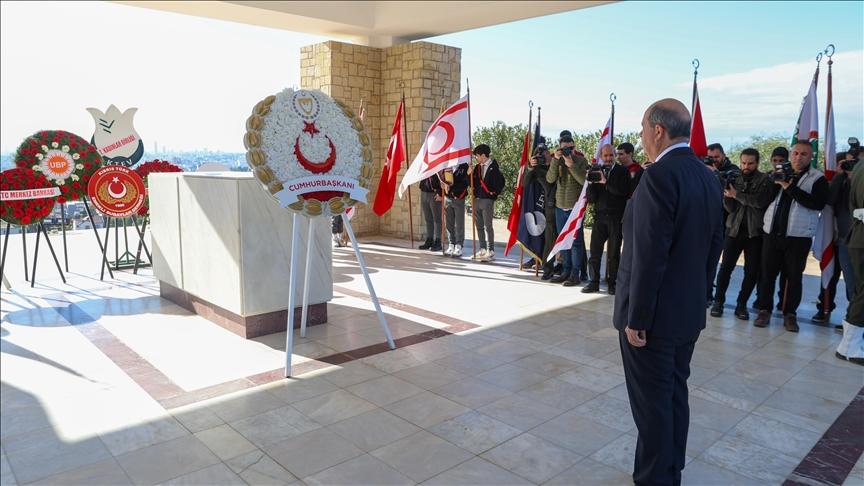
Remembering Dr. Fazıl Küçük on the 40th Anniversary of His Death, 2024 (AA)
One of the main channels through which Dr. Fazıl Küçük’s public influence endured was the newspaper Halkın Sesi. He founded it on 14 March 1942 and served for many years as editor and columnist, occasionally publishing articles under pseudonyms. The newspaper became the longest continuously published medium in Cypriot Turkish press history.【1】 To disseminate Turkish perspectives to a broader audience, he also published Halkın Sesi weekly in English under the title The Voice of The People. The number of articles written by Küçük as a journalist exceeds 2,000.
Among the works authored or published/redacted under Dr. Fazıl Küçük’s name are the following:
Dr. Fazıl Küçük’s name is preserved through its assignment to various institutions and organizations in the Turkish Republic of Northern Cyprus and in Turkey. Additionally, his memory is sustained institutionally through a foundation and museum established by his family. In Halkın Sesi, the tradition of leaving the editorial column blank on his birthday, 14 March, and death anniversary, 15 January, has become a continuous commemorative practice. Furthermore, the Turkish Armed Forces awarded him the “Cyprus Medal of Superior Courage and Sacrifice”.
Anadolu Ajansı. "Kıbrıs Türk Halkının Varoluş ve Özgürlük Mücadelesi Lideri: Dr. Fazıl Küçük." *Anadolu Ajansı Foto Galeri*, January 15, 2019. Accessed January 13, 2026.https://www.aa.com.tr/tr/pg/foto-galeri/kibris-turk-halkinin-varolus-ve-ozgurluk-mucadelesi-lideri-dr-fazil-kucuk/146
Anadolu Ajansı. "Kıbrıs Türklerinin Özgürlük Mücadelesi Lideri Dr. Küçük, Vefatının 40'ıncı Yılında Anıldı." Anadolu Ajansı, January 15, 2024. Accessed January 13, 2026.https://www.aa.com.tr/tr/dunya/kibris-turklerinin-ozgurluk-mucadelesi-lideri-dr-kucuk-vefatinin-40inci-yilinda-anildi/3109373
Arslan, Muhammet İkbal. "Kıbrıs Türk Halkının Özgürlük Mücadelesinin Lideri Fazıl Küçük'ün Vefatının 37. Yıl Dönümü." Anadolu Ajansı, January 15, 2021. Accessed January 13, 2026.https://www.aa.com.tr/tr/dunya/kibris-turk-halkinin-ozgurluk-mucadelesinin-lideri-fazil-kucukun-vefatinin-37-yil-donumu/2111213
Balyemez, Mehmet. "Dr. Fazıl Küçük." *Türk Dünyası Ansiklopedisi*, 2025. Accessed January 13, 2026.https://turkdunyasiansiklopedisi.gov.tr/detay/6785/Dr.-Faz%C4%B1l-K%C3%BC%C3%A7%C3%BCk
Security Forces Command. "Dr. Fazıl Küçük." Accessed January 13, 2026.https://mucahit.gov.ct.tr/Liderlerimiz/DrFazilKucuk.
Soyalp, Tançelik. "Fazıl Küçük (1906–1984)." *Atatürk Ansiklopedisi*, July 28, 2022. Accessed January 13, 2026.https://ataturkansiklopedisi.gov.tr/detay/448/Faz%C4%B1l-K%C3%BC%C3%A7%C3%BCk-(1906-1984
TRT Arşiv. "Dr. Fazıl Küçük." YouTube. Accessed January 13, 2025.https://www.youtube.com/watch?v=1maqNaA4PsE.
[1]
Soyalp Tamçelik. "Fazıl Küçük (1906-1984)." Atatürk Ansiklopedisi. Erişim tarihi: 13 Ocak 2026. https://ataturkansiklopedisi.gov.tr/detay/448/Faz%C4%B1l-K%C3%BC%C3%A7%C3%BCk-(1906-1984).

Birth | 14 March 1906, Ortaköy, Lefkoşa (Cyprus) | ||||||||
|---|---|---|---|---|---|---|---|---|---|
Father | Mehmet Hüseyin Küçük | ||||||||
Mother | Pembe Hanım | ||||||||
Profession | Journalist Politician Physician | ||||||||
Area of Expertise | Internal Medicine, Gynecology | ||||||||
Languages | French, English, Greek | ||||||||
Newspaper Founded | The Voice of the People | ||||||||
Political Offices | Lefkoşa Municipality, KATAK, KMTHP, KMTB, Cyprus Turk Party, Cyprus Turkism Resistance Union, VOLKAN, Deputy President of the Republic, Chairmanship of the General Committee, Chairmanship of the Provisional Turkish Cypriot Administration | ||||||||
Death | 15 January 1984, London, Westminster | ||||||||
Burial Place | Hamitköy, Anıttepe, Turkish Republic of Northern Cyprus | ||||||||
Childhood and Family
Educational Journey
Primary Education
Secondary Education
Higher Education
Clinical Specialization
Language Proficiency and Intellectual Development Through Education
Completion of Education and Transition to Profession
Professional Tension Under Colonial Administration and the Process of Opening a Clinic
Press Activities
Halkın Sesi: Foundation of the Newspaper
Thematic Focus and Critical Orientation
Political Life
The 1931 Uprising and the Threshold of 1943
Membership in the Lefkoşa Municipal Council
Foundation of KATAK and Küçük’s Founding Role (18 April 1943)
Foundation of the Cypriot National Turkish People’s Party (23 April 1944)
Transformation into the Cypriot National Turkish Union (23 October 1949)
EOKA Attacks and Initial Security Organizations (1955)
The Zürich–London Process and Transition to the Republic of Cyprus (1959–1960)
Vice Presidency (Post-1960)
Negotiation Period After 1968, the Path to 1973, and Departure from Office (1968–1973)
Post-Office Period
Witnessing the Declaration of the TRNC (15 November 1983)
Death
Works and Legacy