


This article was automatically translated from the original Turkish version.
![046469c162b2123bd79eaabf201359a366e90ea2_th[1].jpeg](/_next/image?url=https%3A%2F%2Fcdn.t3pedia.org%2Fmedia%2Fuploads%2F2025%2F05%2F25%2FR3KPemWV5BpQbWqLKlyKksjb3wnK8f18.jpeg&w=1280&q=75)
Divriği Pilavı
Other Name | Alatlı Pilav Muhaşerli Pilav | ||||||||
|---|---|---|---|---|---|---|---|---|---|
Materials | Rice, boiled meat (sheep, goat, chicken, etc.), chickpeas, Besni grapes, onion, butter, regional spices | ||||||||
Preparation | The meat is boiled and spiced a day in advance; the chickpeas are boiled; the onion is sautéed; all ingredients are combined and the pilaf is cooked. It is sweetened with butter. | ||||||||
Serving | It is served by inverting the pot onto a large tray or in portions; it is typically accompanied by grape compote. | ||||||||
Cultural Significance | An 800-year history; prepared on special occasions since the Seljuk and Mengujekid periods; geographical indication registration was obtained in 2020. | ||||||||
Divriği Pilavı is a traditional rice pilaf specialty from the Divriği district of Sivas province in Türkiye. It is also known as Alatlı Pilavı or Muhaşerli Pilav. This dish, with a history of approximately 800 years, has been traditionally served by the local population during holidays, weddings, and special occasions since the Seljuk and Mengujekid periods.
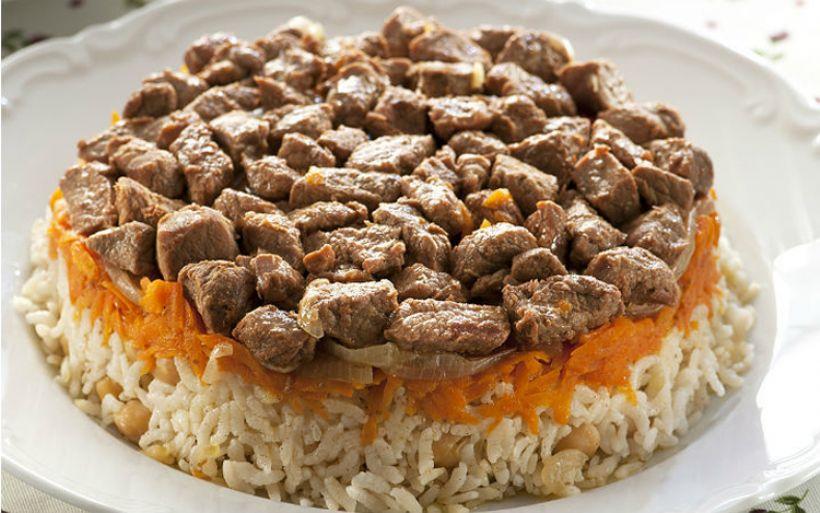
Divriği Pilavı (Hamarat)
The main ingredients of the pilaf include rice, boiled and bone-separated pieces of meat, boiled chickpeas, dried onion, Besni grape (also known as lady’s finger grape), butter, and regional spices. The meats used may include lamb, goat, chicken, turkey, deer, quail, and partridge. The meats are boiled a day in advance, shredded, and mixed with spices and salt.
To achieve a fluffy, grain-separated texture, baldo or osmancık rice varieties are preferred. Before use, the rice is soaked for about 30 minutes to reduce its starch content.
The preparation begins by adding the boiled meat, chickpeas, and grapes to sautéed onions. Then, the washed rice, previously soaked in salted water and drained, is added to the pot.
The pilaf is cooked by adding meat broth and boiling water. Once cooked, melted butter is stirred in and the pot is covered with a cloth to allow it to steam.
Divriği Pilavı Yapılışı (TRT Türk)
Traditionally, Divriği Pilavı is served by inverting the large cooking pot onto a wide tray or platter and eaten from the center. Today, it is commonly served in individual portions in restaurants. It is typically accompanied by grape compote.
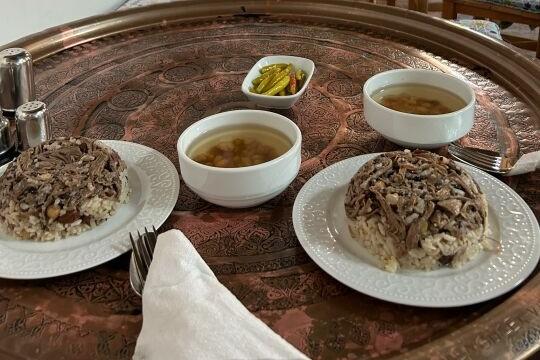
Divriği Pilavı Servisi (Türkiye Turizm Ansiklopedisi)
In 2020, Divriği Pilavı received a geographical indication registration certificate from the Divriği District Governorship. It is recognized as an original example in Turkish cuisine of the harmonious combination of meat, fruit, and rice. Historically and culturally, it is an important component of the regional culinary tradition.
Divriği Belediyesi. "Divriği Yemekleri." Accessed May 25, 2025.https://www.divrigi.bel.tr/yemek.aspx.
Hamarat. "Divriği Pilavı Tarifi." Accessed May 25, 2025.https://www.hamarat.org/divrigi-pilavi.html.
Türkiye Turizm Ansiklopedisi. "Divriği Pilavı (Alatlı Pilav)." Accessed May 25, 2025.https://turkiyeturizmansiklopedisi.com/divrigi-pilavi-alatli-pilav.
YouTube. "Divriği Pilavı Yapımı." 2023. YouTube video. Accessed May 25, 2025.https://www.youtube.com/watch?v=E23u-BZtKk8
Divriği Pilavı
Other Name | Alatlı Pilav Muhaşerli Pilav | ||||||||
|---|---|---|---|---|---|---|---|---|---|
Materials | Rice, boiled meat (sheep, goat, chicken, etc.), chickpeas, Besni grapes, onion, butter, regional spices | ||||||||
Preparation | The meat is boiled and spiced a day in advance; the chickpeas are boiled; the onion is sautéed; all ingredients are combined and the pilaf is cooked. It is sweetened with butter. | ||||||||
Serving | It is served by inverting the pot onto a large tray or in portions; it is typically accompanied by grape compote. | ||||||||
Cultural Significance | An 800-year history; prepared on special occasions since the Seljuk and Mengujekid periods; geographical indication registration was obtained in 2020. | ||||||||
Ingredients and Foods Used
Rice Selection
Preparation
Serving Style and Consumption Habits
Registration and Cultural Significance