

`traditional-dish` Related Article Results
 Tu
TuTutmaç Soup
Tutmaç Çorbası is a traditional dish unique to Turkish cuisine, prepared by cooking small pieces of dough with meat or minced meat, then pouring yogurt over the top. The earliest and most detailed information about tutmaç is found in the 11th-century work Divânu Lügâti’t-Türk by Kaşgarlı Mahmud. According to Kaşgarlı, tutmaç has been known and consumed by Turkic peoples since the time of Zülkarneyn. The word “tutmaç” is derived from the phrase “bizi tutma aç,” meaning “do not leave yourself hung
EN
Miray GÜR
Şanlıurfa Boranisi
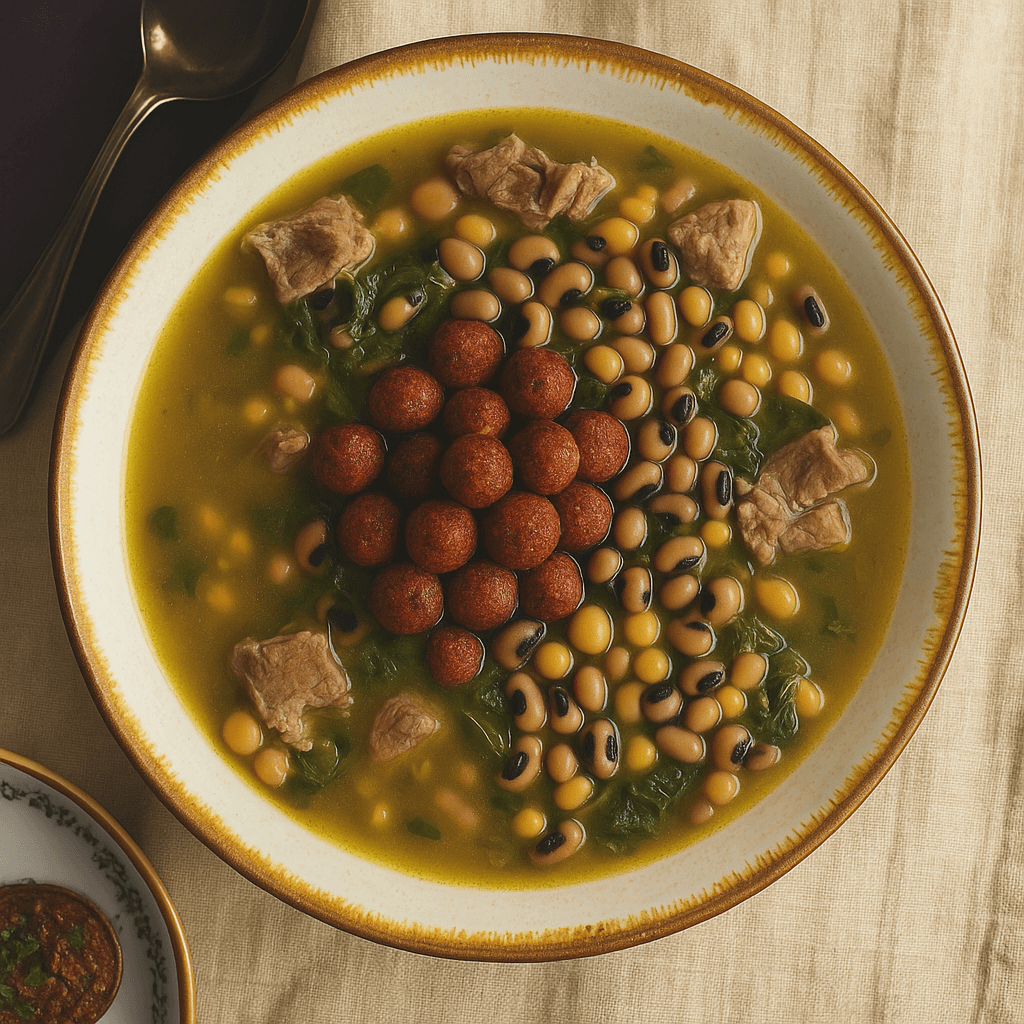
Urfa pencer (pazı) borani is a regional dish specific to Şanlıurfa province in Türkiye’s Southeastern Anatolia Region. This dish combines ingredients such as meat, legumes, green vegetables, and bulgur meatballs, and is particularly favored during winter months and special occasions. Borani is typically prepared for large gatherings and cooked using traditional methods passed down through generations. Şanlıurfa Borani (Anadolu Agency) " image-alternate="" image-element-format="right"> Geograp
EN
Sevgi Kıraç
Kula Güveci
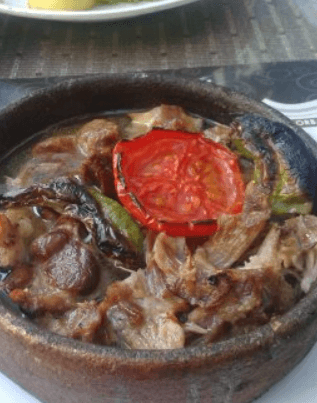
Kula Güveci is a traditional meat dish specific to the Kula district of Manisa, reflecting the local culinary culture of the Aegean Region. This dish, typically prepared with bone-in lamb, is distinguished by its slow cooking in earthenware pots within stone ovens. Geographical and Cultural Context Kula is one of the settlements in the inland areas of the Aegean that has preserved its traditional way of life up to the present day. The region has a deeply rooted oven culture. Kula Güveci is recog
EN
Muhammet Ali Demir
Stone Bread Dessert
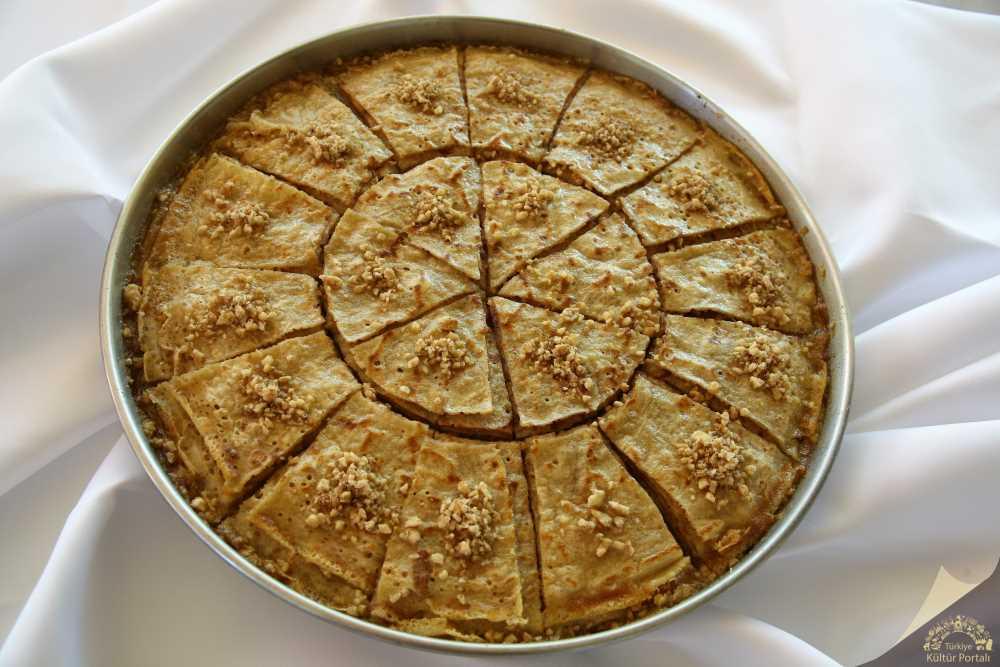
Taş Ekmeği Tatlısı is a traditional syrup-based dessert specific to the Eastern Anatolia Region of Türkiye, particularly associated with the province of Elazığ. It derives its name from the stone oven used in its preparation. This dessert is made by rolling out thin layers of dough, baking them in a stone oven, soaking them in syrup, and enriching them with nuts such as walnuts. It is regarded as an integral part of the region’s unique culinary culture. History and Origin Taş Ekmeği Tatlısı has
EN
Zeynep Şule Bingöl
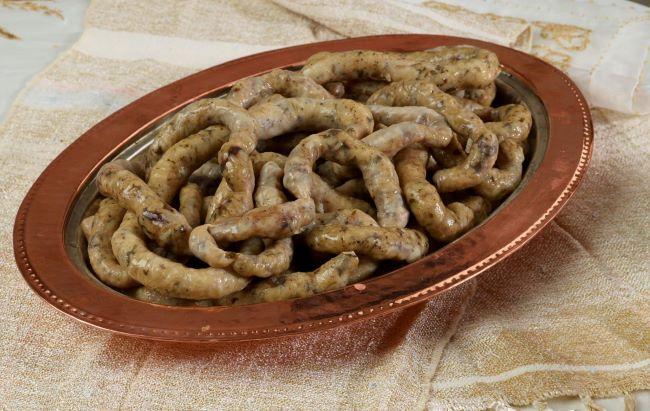
Cokat (Bumbar)
Cokat (Bumbar) is one of the distinctive and traditional delicacies of Siirt cuisine. This dish, especially prepared during holidays and special occasions, reflects the region’s rich culinary heritage. Cokat is made by cleaning and preparing thin intestines, which are then stuffed with rice, black pepper, parsley, and finely chopped meat. The stuffed intestines are tied to a length of approximately 20–30 cm and pierced in two or three places to allow air to escape. They are then boiled for about
EN
Salih Karanfil
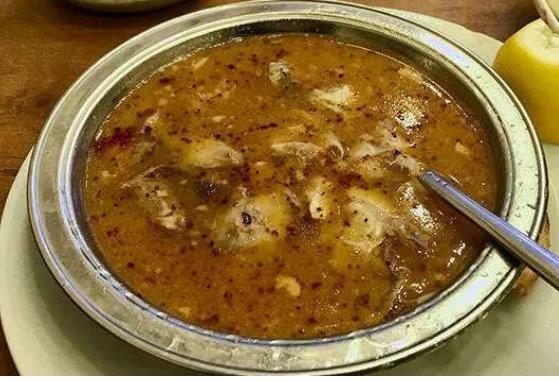
Muğla Sulu Kebabı
Muğla Sulu Kebabı is a traditional meat dish from Muğla province, prepared by first frying meat and bones in their own fat and then adding water and simmering for an extended period. It has a thick, fatty texture due to the presence of marrow, bones, and collagen-rich connective tissue. Product Profile and Geographical Indication Type Muğla Sulu Kebabı belongs to the category of dishes and soups. It has been officially registered by the Turkish Patent and Trademark Office as a "geographical indi
EN
Caner Sefa Koçyiğit
ŞaŞanlıurfa Keme Boranısı
Şanlıurfa Keme Boranısı is a traditional hot dish specific to the province of Şanlıurfa. It is made with keme mushroom and round bulgur meatballs (yuvalak), and served with clarified butter (sadeyağ), lamb meat, and garlic yogurt. Due to the natural growth season of the keme mushroom, the dish is produced only during the spring months. It was registered in 2019 as a product with a designation of origin under geographical indication protection. Structural Characteristics Şanlıurfa Keme Boranısı i
EN
Sevgi Kıraç
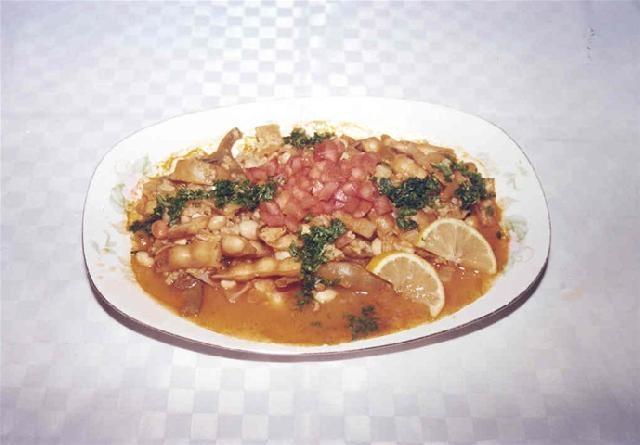
Puçuko
Puçuko is a traditional dish specific to Artvin cuisine, made from dried fresh beans. The dried beans, known as “puçuko,” are produced by sun-drying fresh beans harvested during summer, and they appear on tables during winter as an economical, nutritious, and culturally significant meal. Geographical Indication Registration Puçuko, applied for on 7 September 2017, was registered as a geographical indication by the Turkish Patent and Trademark Office on 26 December 2017. This registration was car
EN
Rüya Dumlu
AnAntakya Paper Kebab
Antakya paper kebab is a traditional kebab variety unique to the Hatay province, prepared with various ingredients, primarily beef brisket, and cooked in a stone oven on greased paper. Known locally as “lahme la varka,” this dish is consumed both in daily meals and during ceremonial occasions. The kebab, registered with a geographical indication, possesses distinctiveness in its production process, ingredients, and cooking technique, and is expertly prepared within its defined geographical bound
ENSevgi Kıraç
OsOsmaniye Zorkun Tava
Osmaniye Zorkun Tava is a traditional meat dish from the Zorkun Plateau in Osmaniye Province, prepared with lamb meat. The main ingredients include cubed lamb, tomatoes, red dried onions, green and red peppers, garlic, spices, and salt. No liquid oil or tomato paste is used in its preparation; the red dried onions impart a distinctive and dominant aroma and flavor. Zorkun Tava is cooked for several hours in a stone oven with the tray covered by a metal lid and served hot. History and Cultural Si
EN
Şule Bozkurt