


This article was automatically translated from the original Turkish version.
Dinosaurs were enormous creatures that lived on our planet a very long time ago. Science experts say that dinosaurs first appeared exactly 230 million years ago! Since then, they lived all over the world and evolved into many different species.
Dinosaurs were animals whose sizes varied greatly—some were as small as a car, while others were as large as a giant building. Some dinosaurs were herbivores, meaning they ate only plants. Giant dinosaurs like Apatosaurus fed on massive tree branches.
But some dinosaurs were carnivores, hunting and feeding on other animals. For example, the T-Rex was one of the most fearsome predators of its time, with sharp teeth. Additionally, some dinosaurs ate both meat and plants; these are called omnivores.
Dinosaurs varied depending on their habitat and feeding habits. Here are some famous dinosaur species:
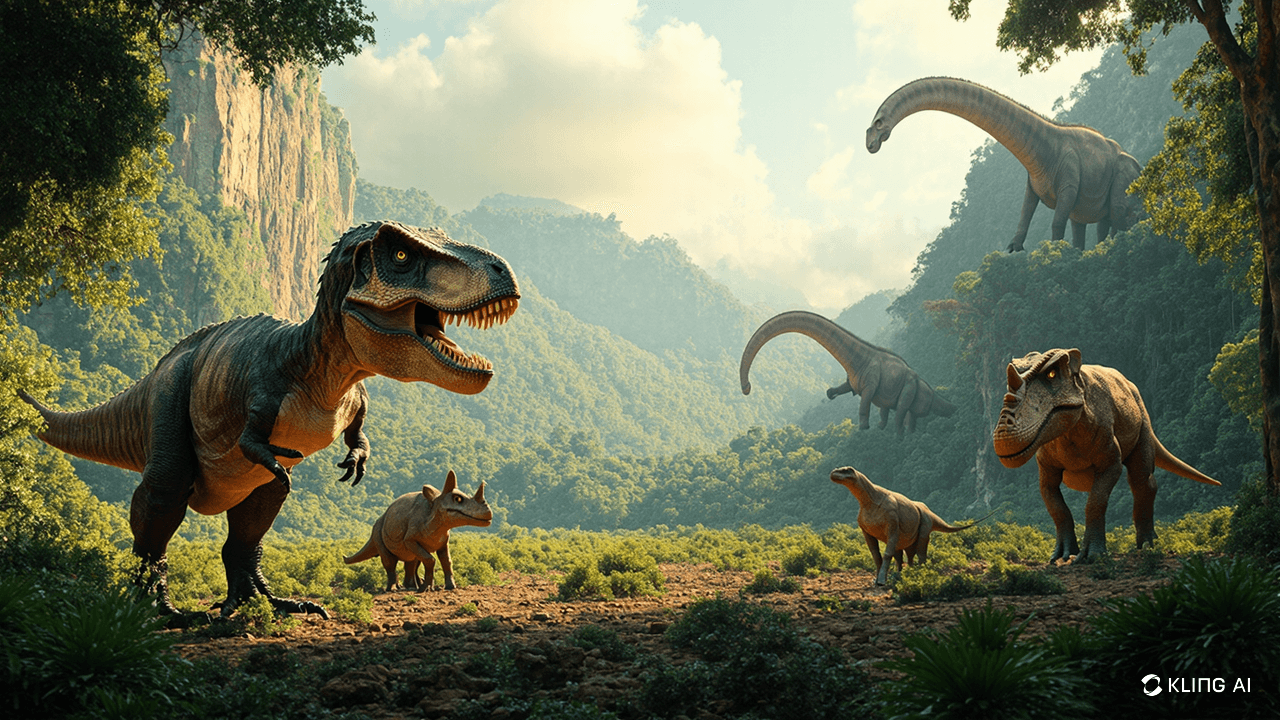
An image depicting dinosaur species. Generated by artificial intelligence.
We know about dinosaurs through fossils—fossilized bones or footprints. Scientists study these fossils to understand what dinosaurs looked like.
To find a dinosaur fossil, scientists often excavate ancient rock layers. Sometimes, a dinosaur bone or footprint may be revealed naturally by geological events. Finding fossils requires great patience—sometimes it takes years to fully uncover a single fossil!
Dinosaurs suddenly disappeared about 66 million years ago. Scientists believe a massive meteor struck Earth, causing a catastrophic disaster. The impact plunged the world into darkness, killing plants and leaving dinosaurs without food.
Additionally, volcanic eruptions and climate change may have contributed to their extinction. However, it is said that birds are descendants of dinosaurs. This means that the sparrows and eagles we see today may be distant relatives of ancient dinosaurs!
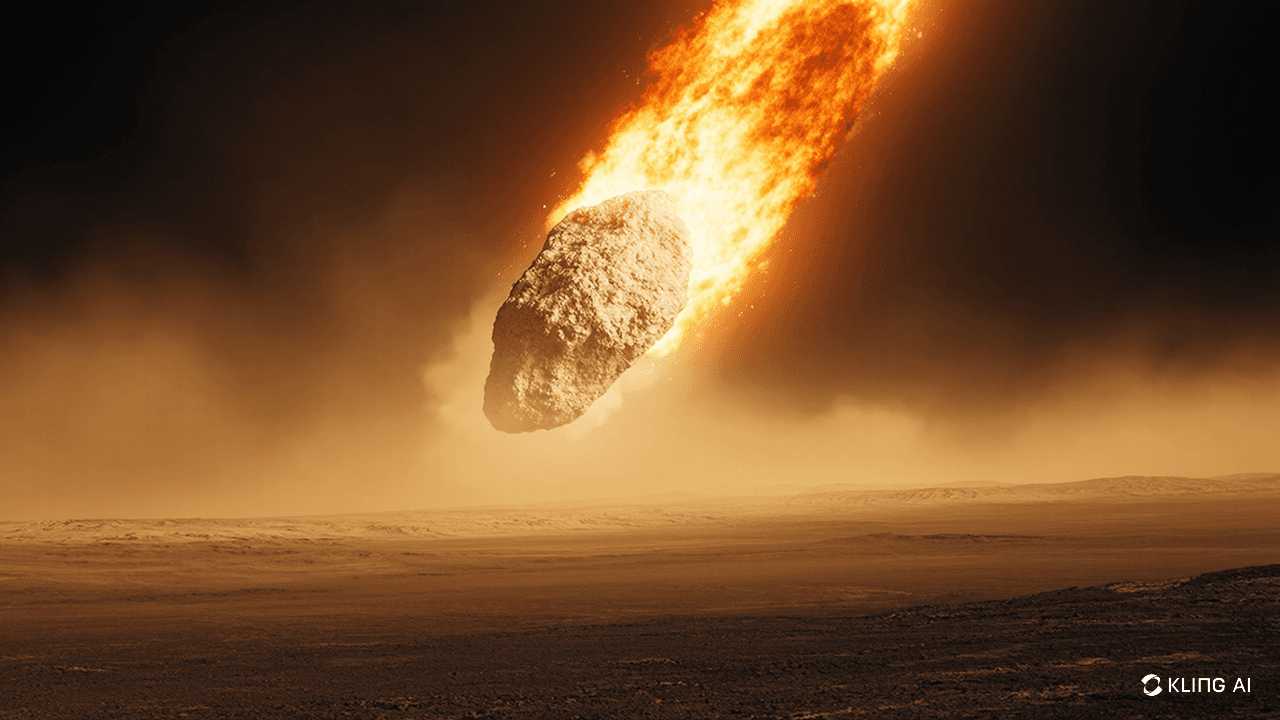
An image of a meteor. Generated by artificial intelligence.
Today we cannot see live dinosaurs, but we can examine their fossils in museums. Films, documentaries, and books are also excellent sources for learning about dinosaurs.
Moreover, dinosaur-themed parks and exhibitions display replicas of these ancient giants, offering more information about them.
Remember, when it comes to dinosaurs, there is still so much to discover!
American Museum of Natural History. "Dinosaurs Explained." Accessed January 2025.https://www.amnh.org/explore/ology/paleontology/dinosaurs.
Brusatte, Steve. The Rise and Fall of the Dinosaurs: A New History of a Lost World. New York: William Morrow, 2018.
Dodson, Peter, and Paul Barrett. The Complete Dinosaur. 2nd ed. Bloomington: Indiana University Press, 2012.
Fastovsky, David E., and David B. Weishampel. Dinosaurs: A Concise Natural History. 3rd ed. Cambridge: Cambridge University Press, 2016.
Sampson, Scott D. Dinosaur Odyssey: Fossil Threads in the Web of Life. Berkeley: University of California Press, 2009.
Weishampel, David B., Peter Dodson, and Halszka Osmólska, eds. The Dinosauria. 2nd ed. Berkeley: University of California Press, 2004.

No Discussion Added Yet
Start discussion for "Dinosaurs (Children)" article
What Were Dinosaurs Like?
Different Types of Dinosaurs
How Do We Know About Dinosaurs?
Why Did Dinosaurs Go Extinct?
Where Can We See Dinosaurs?