

`species` Related Article Results
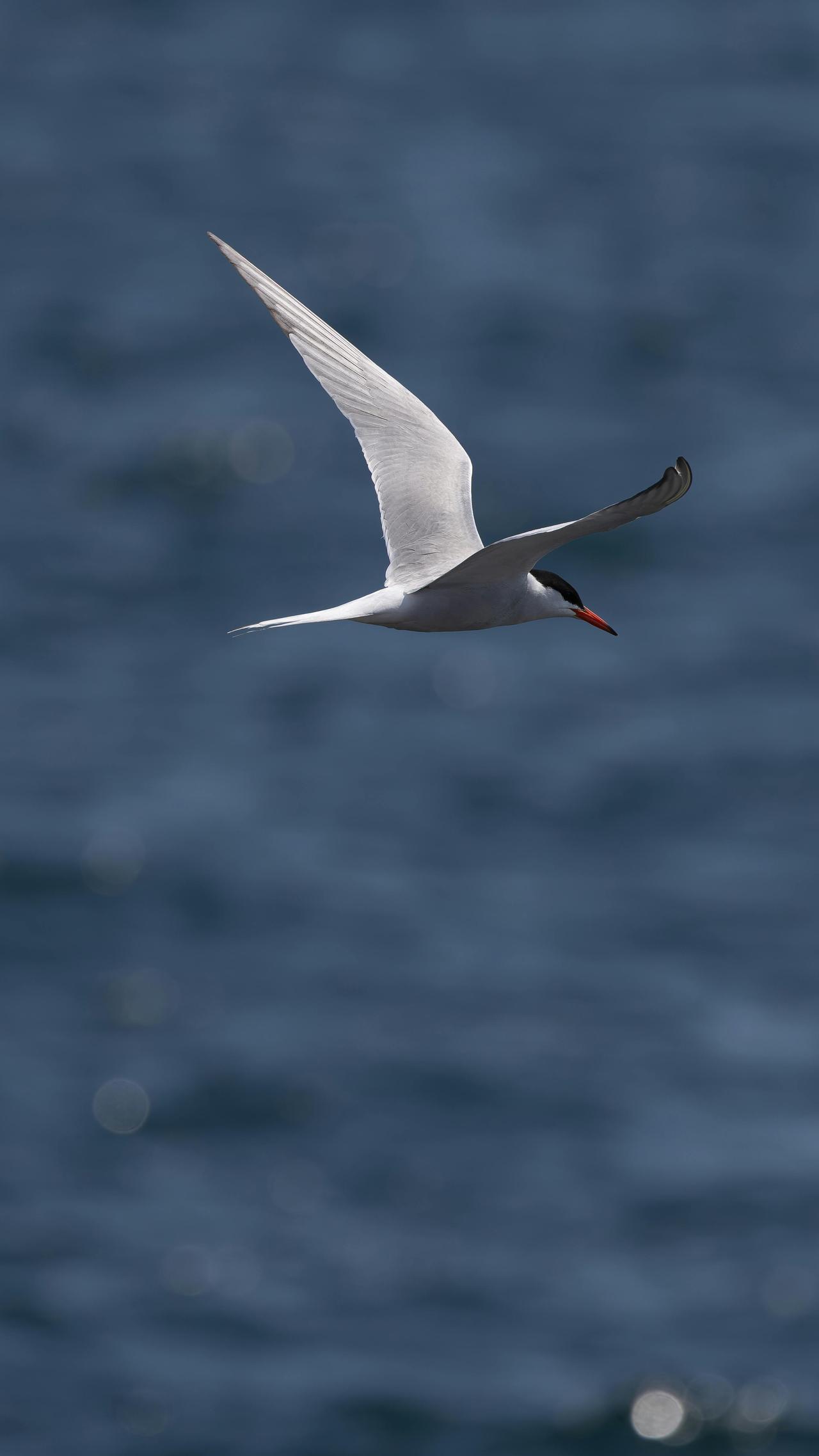
Arctic Tern (Sterna paradisaea)
Arctic Tern (Sterna paradisaea) is a species of seabird belonging to the family Sternidae. The species is particularly known for its extremely long-distance migrations. It follows a migratory route that moves between the polar regions of the Northern and Southern Hemispheres throughout the year. Breeding grounds are primarily located in the polar and subarctic regions of the Northern Hemisphere, while during the nonbreeding season it exhibits a wide distribution extending as far south as the wat
EN
Hanifenur Yaman
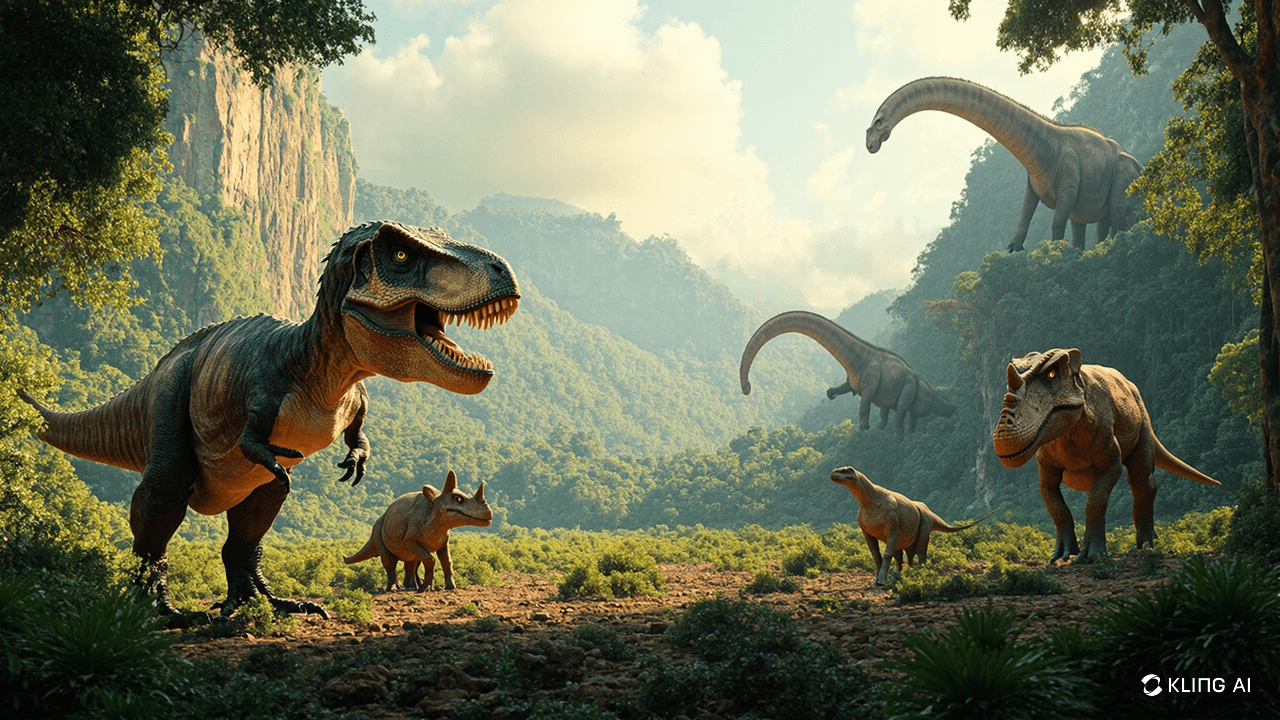
Dinosaurs (Children)
Dinosaurs were enormous creatures that lived on our planet a very long time ago. Science experts say that dinosaurs first appeared exactly 230 million years ago! Since then, they lived all over the world and evolved into many different species. What Were Dinosaurs Like? Dinosaurs were animals whose sizes varied greatly—some were as small as a car, while others were as large as a giant building. Some dinosaurs were herbivores, meaning they ate only plants. Giant dinosaurs like Apatosaurus fed on
EN
Erva Öztürk
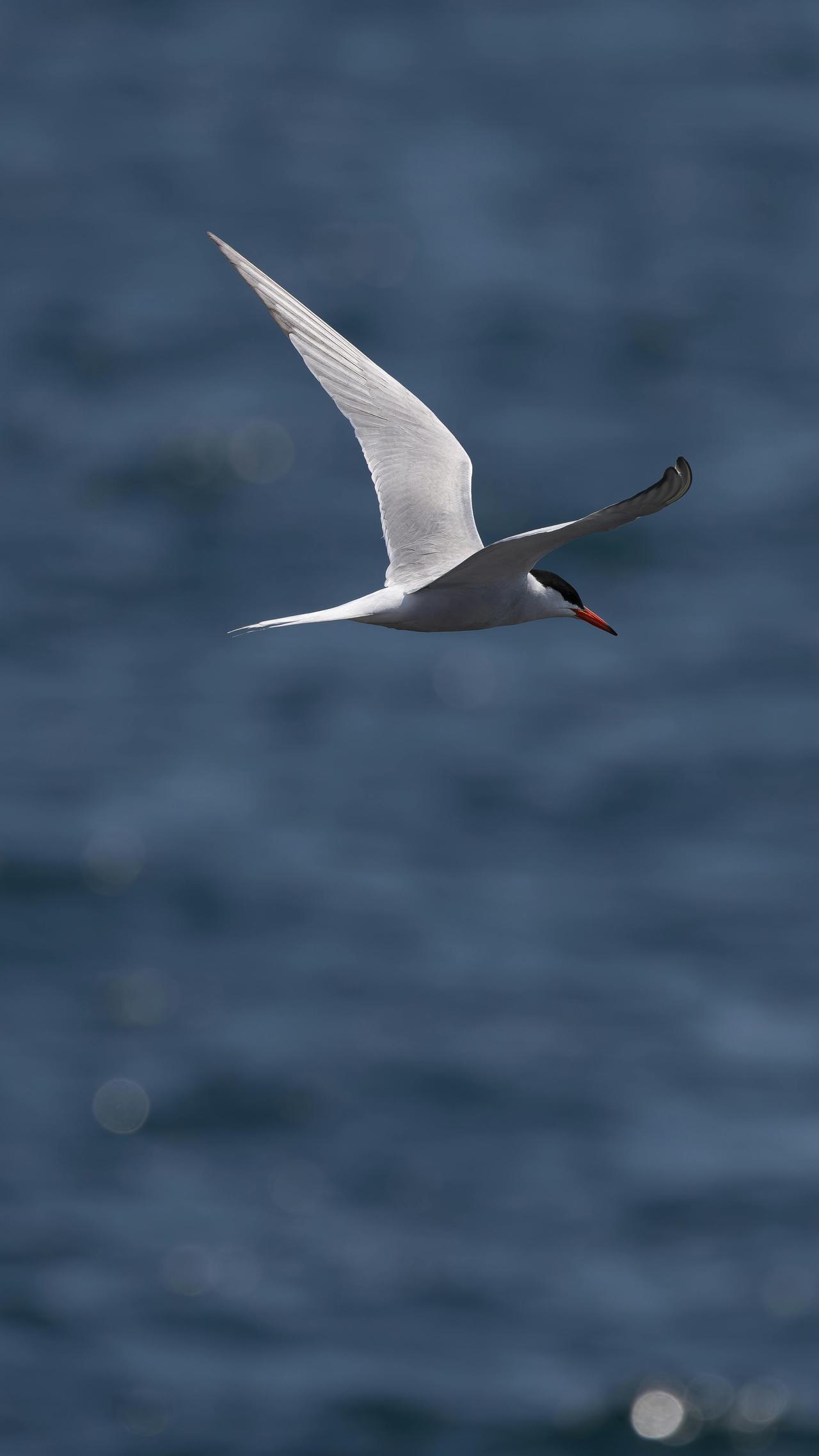
Arctic Tern (Sterna paradisaea)
Arctic Tern (Sterna paradisaea) is a species of seabird belonging to the family Sternidae. The species is particularly known for its extremely long-distance migrations. It attracts attention through its migration route, which moves between the polar regions of the Northern and Southern Hemispheres throughout the year. Its breeding grounds are primarily located in the polar and subarctic regions of the Northern Hemisphere, while during the nonbreeding season it exhibits a wide distribution extend
EN
Hanifenur Yaman
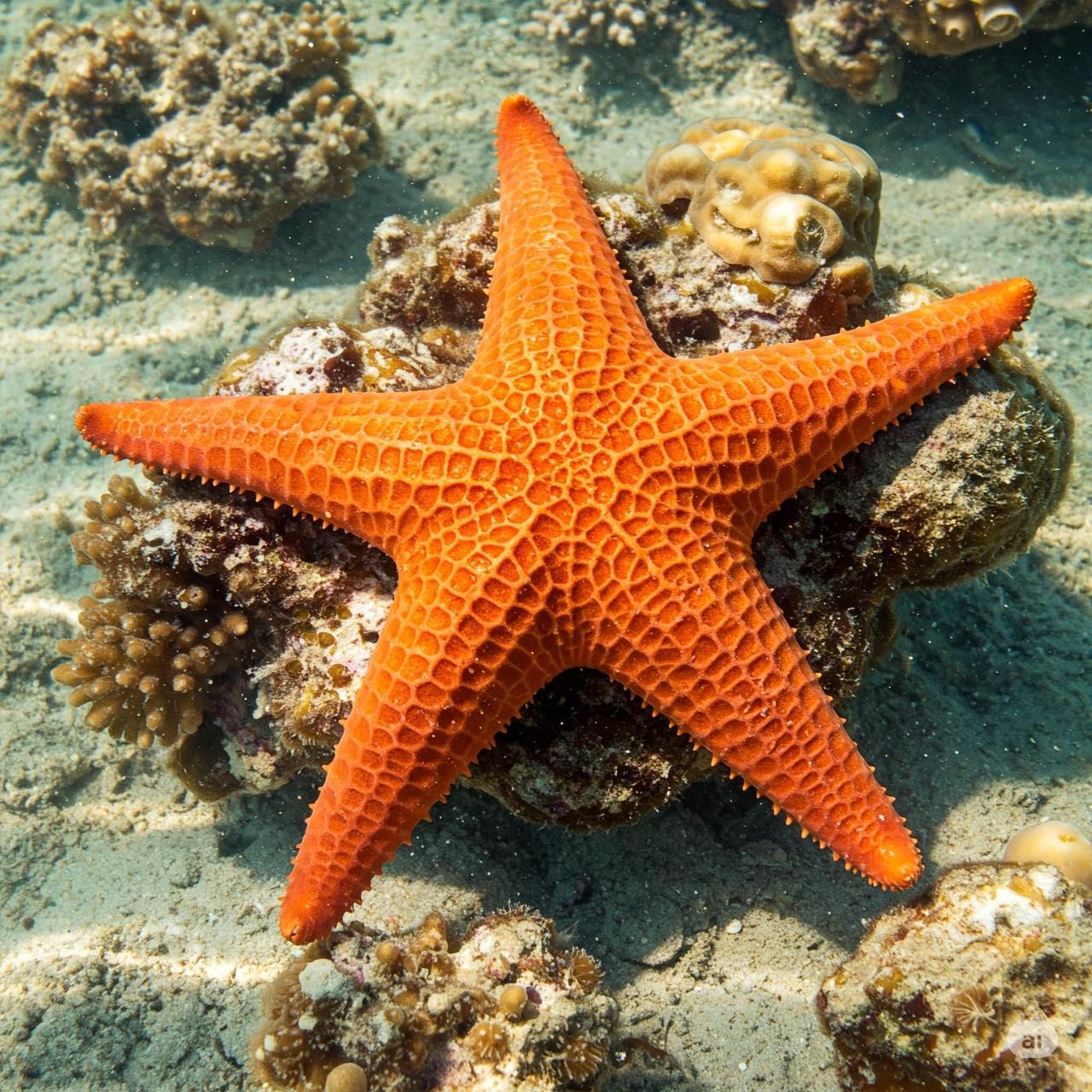
Starfish
Starfish are fascinating creatures that live in the sea and typically have five arms. They have a round central body from which their arms extend. Although they appear soft, their bodies are actually somewhat rigid. Starfish are not fish, but they live in the sea. They belong to a group of animals called echinoderms. Approximately 1500 different species of starfish live in many parts of the world, from warm tropical seas to cold polar waters. What Do Starfish Eat ? Starfish particularly enjoy ea
EN
Nursena Şahin
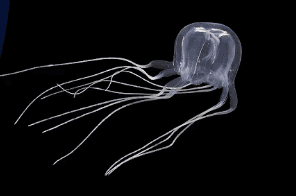
Tripedalia Maipoensis
During zoological investigations conducted in the brackish water ecosystems of the Mai Po region, the species Tripedalia maipoensis was identified as a member of the class Cubozoa, commonly known as box jellyfish. The species was recognized as an independent taxon within the family Tripedaliidae based on both morphological and genetic characteristics. The description process involved analysis of specimens collected over several years during different seasons, revealing detailed distinguishing st
EN
Burak Enes