


This article was automatically translated from the original Turkish version.
Throughout history, the Turks have lived in close harmony with nature, shaping their cultures through their relationships with animals, plants, and natural elements. Particularly among the Turkic peoples who adopted a nomadic lifestyle, attitudes toward animals emphasized both material and spiritual dimensions. In this context, the deer is not merely an only animal but also a symbol carrying profound meanings within the spiritual worldview of the Turks. In Turkic mythology and folk beliefs, the deer is regarded as a sacred being, a status that has ensured its enduring important place in Turkish culture throughout history. (ASOBİD, 14)

Artificially generated Turkish motifs and deer imagery
In Turkic, Mongolic, and Altai mythologies, there exists a mythological figure known as “Deer Ata,” regarded as the protector of deer herds. As perceived to be a divine entity, Deer Ata is also considered a sacred creature serving the gods. (Çoruhlu, 2017) For the ancient Turks, the deer was frequently described as a benevolent, compassionate, and helpful being, even associated with royal dynasties and rulers. This sanctity endured after the adoption of Islam; the deer’s role in folk beliefs was reinforced through Sufi tales and hagiographies. (ASOBİD, 14) For instance, as seen in the hagiographies of Abdal Musa and Kaygusuz Abdal, the deer is identified with saints and appears in stories as a guiding figure for humans.
This sacred role of the deer in Turkic mythology and folk beliefs rendered its hunting and harm a social taboo. The belief that those who harmed the deer would be cursed and that hunters would suffer great disasters was widely transmitted among the people. This notion found expression in folk literature and written works. Yaşar Kemal’s famous epic Alageyik Destanı serves as a literary reflection of this belief. In the epic, the tragic events suffered by the hero Halil due to his obsession with deer hunting underscore the spiritual consequences of harming the deer. (Kemal, Y. 2009)
The mythological and legendary status of the deer in Safranbolu and its surroundings reveals the richness of the region’s folk culture. The deer legends that emerged from Safranbolu’s natural and cultural fabric form an inseparable part of the region’s historical and cultural identity.
As Safranbolu and its surroundings have historically hosted various cultures, the symbolism and legends of the deer in the region reflect the influences of these cultures. The deer has been regarded as a sacred animal especially in Anatolian mythology and folk tales.
Several local legends concerning deer are told in the vicinity of Safranbolu.
One of these legends tells of a hunter who became lost in the forest and was rescued by a mysterious white deer. The deer led the hunter away from danger and guided him onto a safe path. After this experience, the hunter came to believe in the deer’s sacred nature and warned everyone in the region against harming it.
The deer is also a symbol of nature’s renewal and cyclical rhythm. In Safranbolu and Karabük, the generosity of nature, the fertility of the forests, and the harmony between humans and the environment are expressed through the image of the deer. Moreover, the deer’s grace and freedom evoke spiritual notions of freedom and purity in people.
Legends related to Sufi thought are also told in the Safranbolu region, and the figures mentioned in these tales are regarded as holy persons.
The tombs of saints associated with deer legends in Safranbolu district are as follows:
Bahattin Gazi Tomb (Geyikli Dede Hazretleri), Yazıköy Keşkek Dede Tomb, and Göğeren Baba Abdullah Efendi Tomb.
Bahattin Gazi is regarded as the spiritual founder and guardian of Karabük. Believed to have arrived in the region approximately three hundred years ago, Bahattin Gazi was a holy man from Horasan. He came to the area as a shepherd and settled in what is now the village of Karabük Mahallesi, which consisted of thirteen households. He is the subject of many legends due to the mosque and bridge he built in Karabük.
According to legend, Bahattin Gazi was a poor shepherd living with his wife in Öğlebeli Village, Karabük. Due to insufficient pasture for his cattle, he wished to build a bridge to access the pastures on the other side of the Araç River. Beginning his work, he attempted to transport felled trees using his few livestock. After a while, exhausted by the lack of animals, he prayed to God, asking for help to complete the bridge sooner. God answered his prayer and sent him many deer. At night, the deer carried the logs and assisted in building the bridge. (ASOBİD, 14) The villagers, unable to comprehend how the bridge was completed so quickly, kept watch at night. They witnessed the deer loading and transporting the materials. Recognizing the miracle, the shepherd told his family, “If I do not return within three days, let my cow follow me.” He then left home. Two days passed and he did not return. His wife released the cow. The cow first stopped at the cemetery, then walked all the way to Dede Yaylası, twenty-seven kilometers from Karabük, where it suddenly fell and died. The place where the cow died is regarded as the site of Bahattin Gazi’s death. The Bahattin Gazi Tomb remains open to visitors today. (ASOBİD, 14)
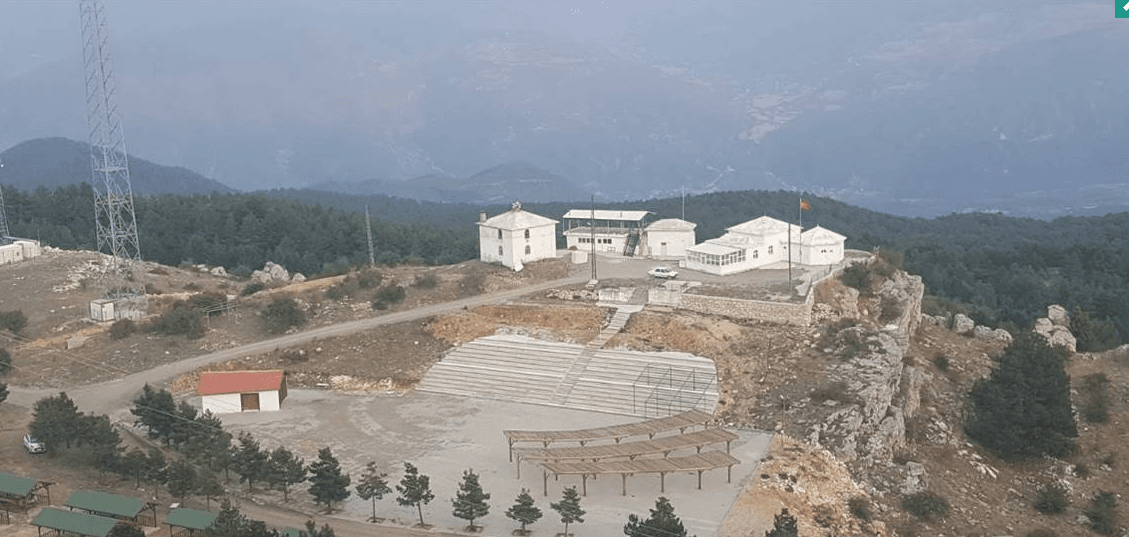
Yazıköy, located in the Safranbolu district of Karabük, is the most culturally rooted village in the region and the second most populous. The dish keşkek has become the village’s symbol, served during festivals, weddings, and special occasions. Because keşkek is traditionally offered during holidays, visitors from neighboring villages have come to Yazıköy. Many stone ovens have been constructed in the village for preparing keşkek, and these are still known locally as “keşkek ovens.” A tomb believed to belong to a saint named Keşkek Dede is located in the village. Next to the tomb is a stone that the locals call the “offering stone.”
According to tradition, Keşkek Dede used to leave keşkek on the offering stone for the deer to eat. In return, the deer helped him with all his tasks. As the saint’s miracles became known to the villagers, the deer disappeared and were never seen again. Keşkek Dede passed away after some time. (ASOBİD, 14)

Artificially generated depiction of Yazıköy Keşkek Dede Tomb
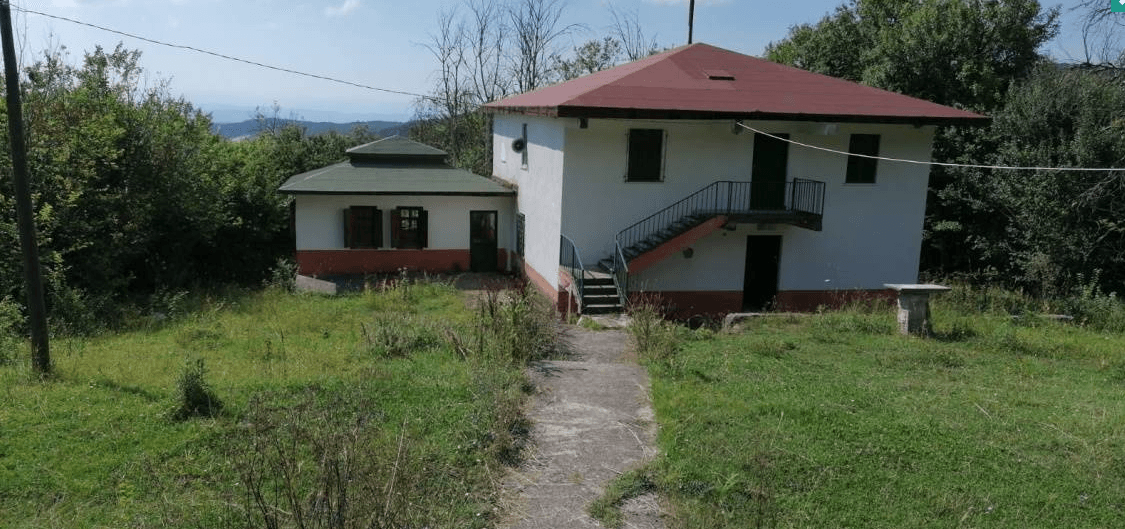
The tomb of Abdullah Efendi and his wife, a holy man known for his miracles, is located in the Göğeren Baba Abdullah Efendi Tomb. Abdullah Efendi is known for his love of deer, his assistance to them, and his protection of them. Abdullah Efendi and his wife were a poor couple who lived in the village and spent most of their time in worship and remembrance of God. They earned their livelihood through animal husbandry. At night, the deer descended from the mountains and allowed the couple to milk them. From the deer’s milk, they made butter and cheese, which they sold in the market. The villagers were astonished because they knew the couple owned no dairy animals. Suspecting theft, they complained to the judge. When the couple appeared before the judge, they were compelled to explain their miracles. The judge believed them and declared them innocent. But once the secret was revealed to everyone, the deer no longer approached the couple and disappeared from sight. With the loss of the deer’s support, the couple faced hardship. Angry at the villagers who had accused and complained about them, they uttered a curse: “May God not increase the number of households in this village.” Investigations later confirmed that their curse had taken effect, as no new households were recorded in the village.
Because the deer is culturally valued, deer antlers are still hung on walls and above doorways in many homes across Anatolia. In tombs, they are also placed for healing purposes. The deer antler symbolizes renewal and immortality. It is believed that touching sick people with antlers can bring about healing. (Kumartaşlıoğlu, 2015, p.138) This healing power is associated with pre-Islamic shamanic traditions, as the deer antler is thought to possess inherent self-renewing and regenerative properties. In addition, legends about the saints buried in the tombs are told to explain the meaning of antlers hung outside them. In these tales, saints are depicted as riding deer, using them as mounts, and milking them to demonstrate their spiritual authority and prove their sanctity. (Kumartaşlıoğlu, 2015, p.139) These narratives reinforce the sacred nature of the deer. In Safranbolu homes, deer antlers were hung on rooftops for good fortune and to ward off the evil eye, and also served as an indication that a hunter lived in the household.
Amasya Üniversitesi Sosyal Bilimler Dergisi, no. 14, December 2023.
Kemal, Y. (2009). Alageyik. İstanbul: Yapı Kredi Yayınları.
Kumartaşlıoğlu, S. (2015). Geyik boynuzlarının yatırlardaki anlamı üzerine Anadolu efsanesi: Köroğlu, Karacaoğlan.

No Discussion Added Yet
Start discussion for "Deer Motif in Safranbolu District" article
Safranbolu Legends
Bahattin Gazi Tomb (Geyikli Dede)
Yazıköy Keşkek Dede Tomb
Göğeren Baba Abdullah Efendi Tomb
Deer Antlers Hung Outside Houses and Tombs