

`deer` Related Article Results
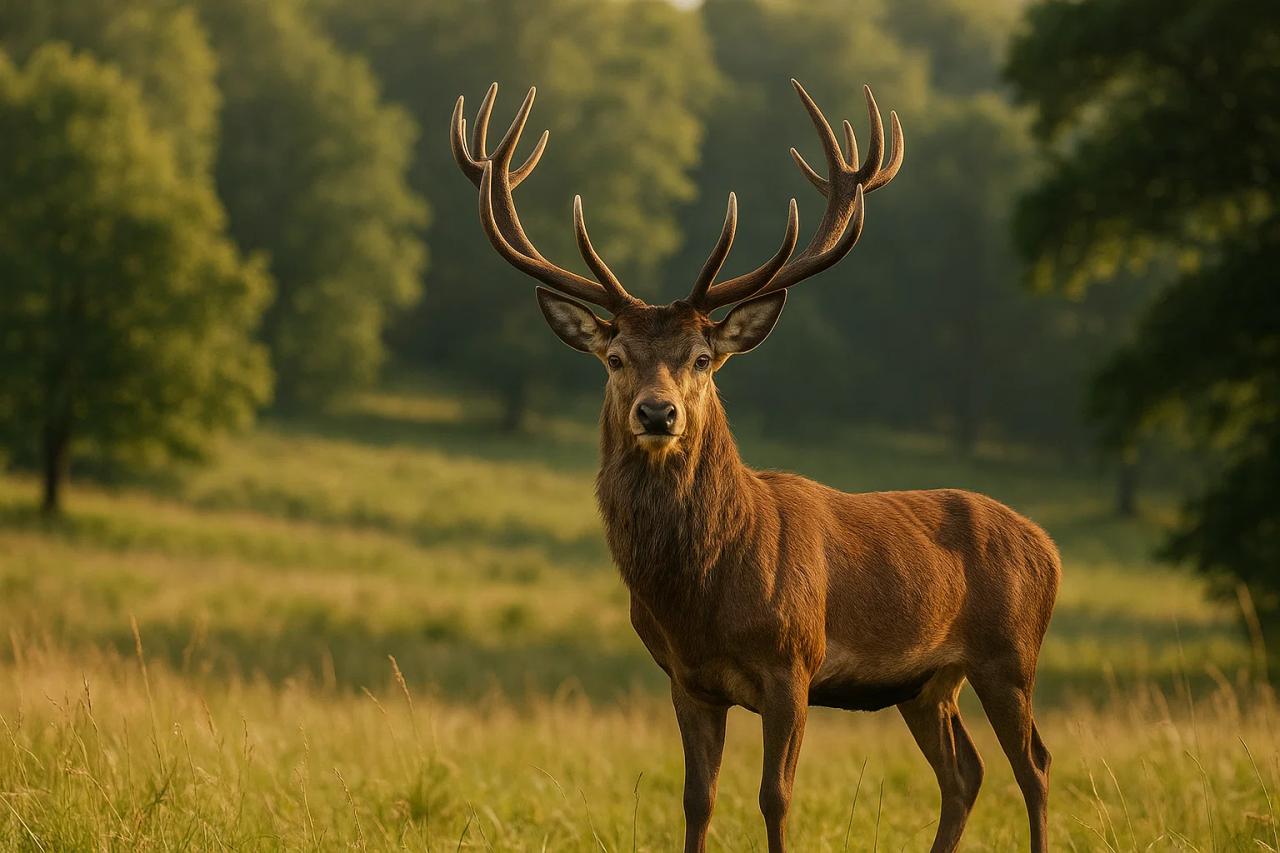
Deer in Turkish Culture
Deer, has long stood out in Turkish culture as an animal imbued with sacred, guiding, protective, and symbolic meanings. Beyond being a game animal, it is a symbolic figure in myths, rituals, art, and folk literature. In ancient Turkic belief systems, particularly in shamanic traditions, the deer is seen as an expression of the bond between humans and nature; at times it serves as a guide leading humans to other realms, and at other times as a terrestrial manifestation of a divine being. Deer
EN
Hümeyra Yılmaz
Deer
Deer are elegant creatures of forests and nature. We most commonly recognize them by their impressive antlers and long, powerful legs. Deer are an important part of nature and help maintain balance within ecosystems. Why not take a closer look at the world of these fascinating animals? Where Do They Live? 🏞️ Deer can be found on nearly every continent, naturally occurring only in places other than Antarctica and Australia. They typically prefer forested areas, grasslands, mountains, and wetland
EN
Nida Üstün

Deer Motif in Safranbolu District
Throughout history, the Turks have lived in close harmony with nature, shaping their cultures through their relationships with animals, plants, and natural elements. Particularly among the Turkic peoples who adopted a nomadic lifestyle, attitudes toward animals emphasized both material and spiritual dimensions. In this context, the deer is not merely an only animal but also a symbol carrying profound meanings within the spiritual worldview of the Turks. In Turkic mythology and folk beliefs, the
EN
Ayşe Feyza Çelik
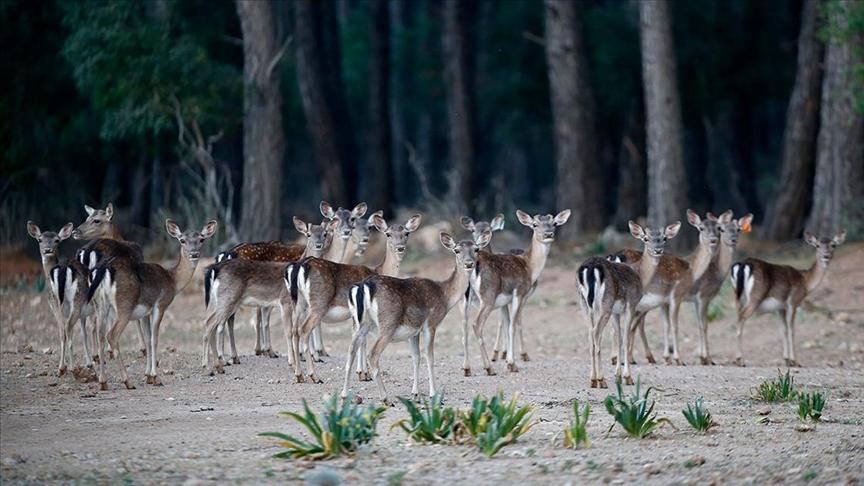
Fallow deer (Dama dama)
The fallow deer (Dama dama) is one of the most visually variable members of the Cervidae family, exhibiting four main coat color variations: white, menil (light-colored), black, and the typical pale reddish-brown. In the most common "typical" form, prominent white spots appear on the back and flanks during summer; in winter, the coat becomes dull and takes on a gray-brown tone, with spots nearly disappearing entirely. A dark stripe running from the neck to the tail encircles the white rump area,
EN
Berat Ay

Deer Motif in Safranbolu District
Turks have lived in close harmony with nature throughout history; animals and their relationships with plants and natural elements have shaped their cultures. Particularly those Turks who adopted a nomadic lifestyle emphasized both material and spiritual dimensions in their attitudes toward animals. In this context, the deer is not merely only a animal but also emerges as a symbol imbued with profound meanings in the Turkish belief system. Its recognition as a sacred entity in Turkish mythology
ENAyşe Feyza Çelik
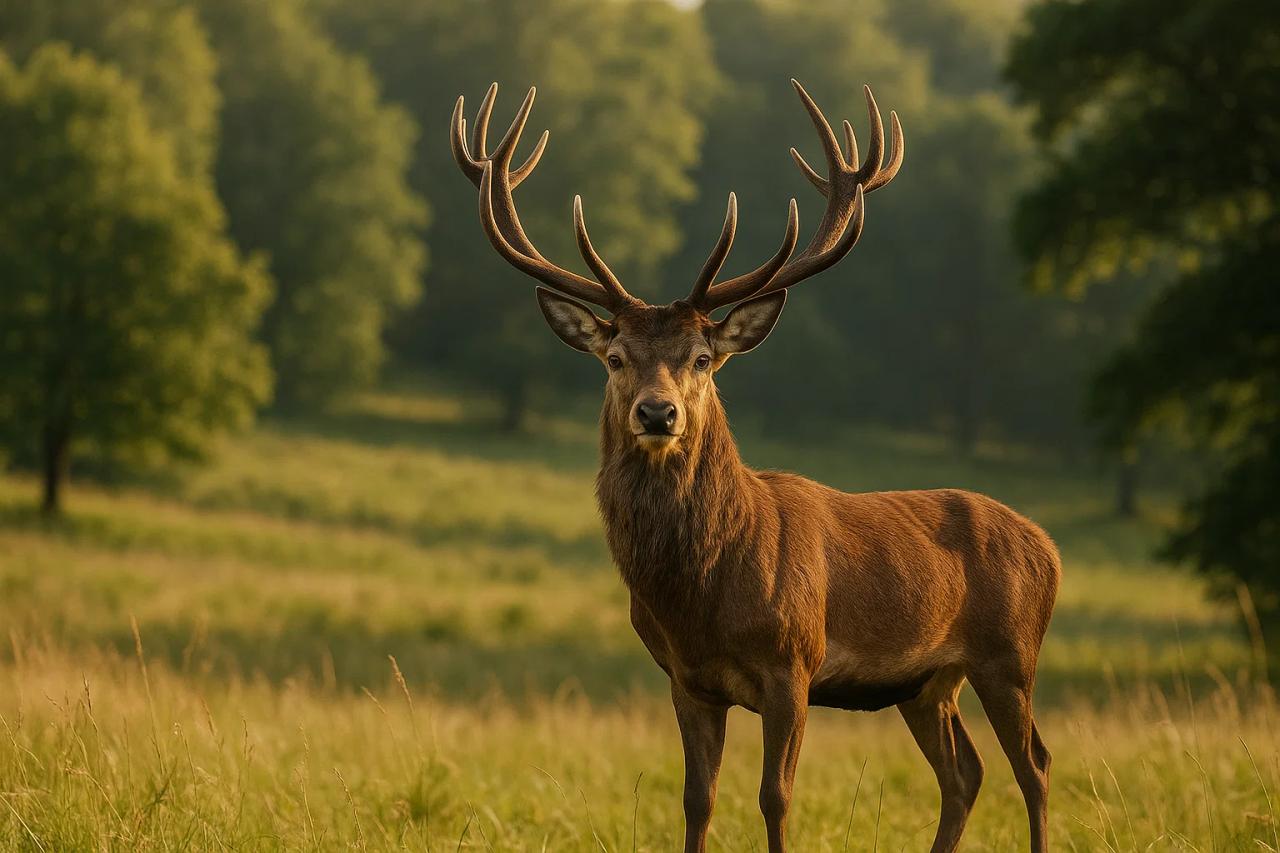
Deer in Turkish Culture
Deer has stood out in Turkish culture since ancient times as an animal imbued with sacred, guiding, protective, and symbolic meanings. Beyond being a hunting animal, it is a symbolic figure in mythological narratives, rituals, art, and folk literature. In ancient Turkish belief systems, particularly in the shamanic tradition, the deer is seen as an expression of the bond between humanity and nature. Sometimes it serves as a guide leading humans to other realms; at other times, it appears as a te
EN
Hümeyra Yılmaz
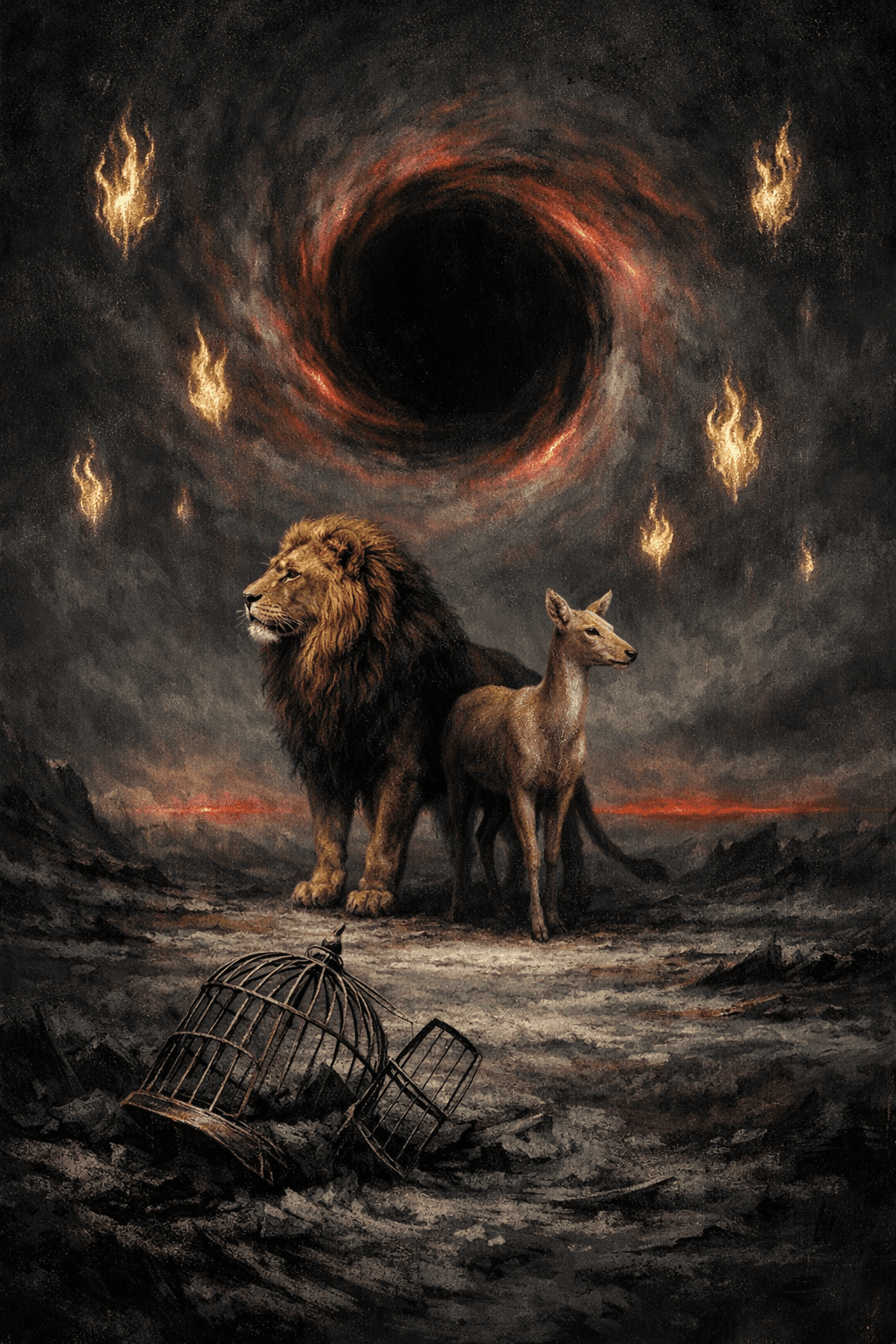
Share of Innocence
There are fires in Hell so intense that even burning is forbidden, -perhaps the price of the savagery of possession is paid this way- Every truth bears upon it an ornament called goodness, If it is a lie, it has the taste of a crow's carrion., a wind blowing from evil. On the lute of every melancholy man, there is surely a woman seated upon the strings. Every freshness transferred to the soul eventually has its part trampled underfoot, Every killing has its own accent, distant from speech. The d
EN
Ayşe Aslıhan Yoran
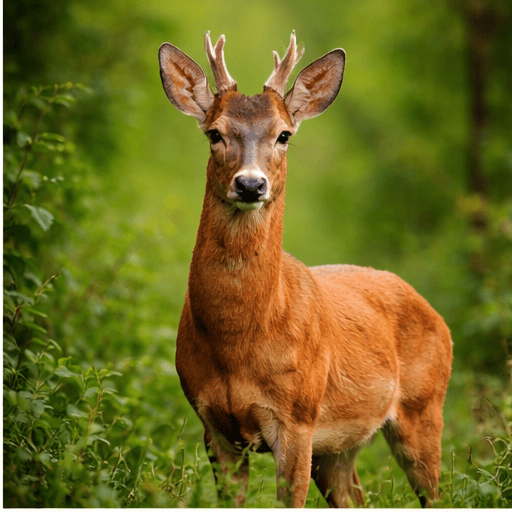
Roe deer (Capreolus capreolus)
Roe deer (Capreolus capreolus) is the smallest deer species found in Europe and Türkiye, belonging to the family Cervidae (deer) within the order Artiodactyla (even-toed ungulates) of the class Mammalia. Body weights range from an average of 18 to 35 kilograms, with heights of 65–75 centimetres and total lengths of 95–140 centimetres. Only males possess short, branched, and rough-surfaced antlers, a clear indicator of sexual dimorphism; however, there is little size difference between males and
EN
Esra Nur Bulut