


This article was automatically translated from the original Turkish version.
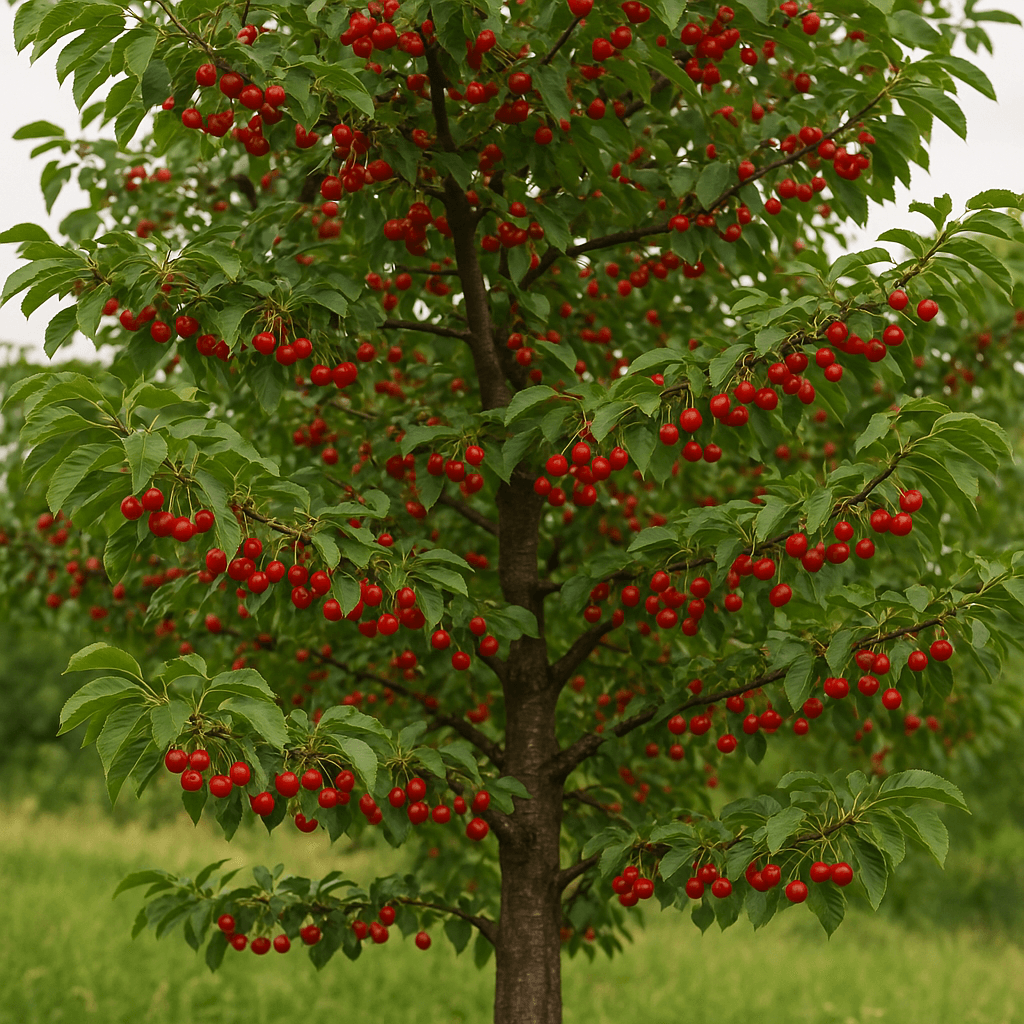
Cherry Tree
Type | Rosaceae family | ||||||||
|---|---|---|---|---|---|---|---|---|---|
Nutritional Value | 50 Calories (kcal) - 100 g | ||||||||
Scientific Name | Prunus avium L. | ||||||||
Cherry tree (Prunus genus), is a species of tree belonging to the Rosaceae family, known for both its aesthetic appearance and delicious fruit. There are two main types: sweet cherry (Prunus avium) and sour cherry, also known as cherry (Prunus cerasus).
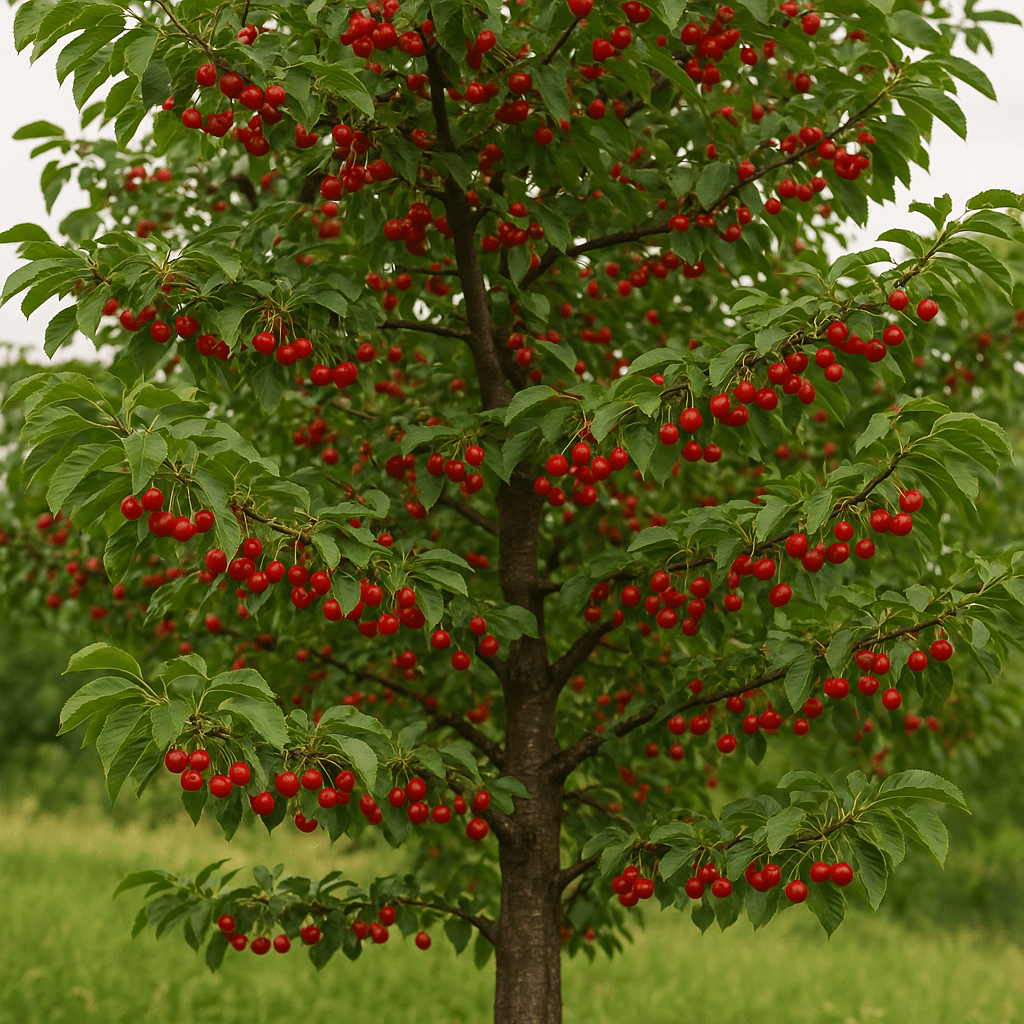
Cherry tree (Generated by artificial intelligence)
Cherry trees serve as an important nectar source for bees, particularly during the spring months when they bloom. Additionally, their fruits are consumed by numerous bird and mammal species, aiding in seed dispersal. Economically, cherry fruits are used not only for fresh consumption but also in the production of jams, fruit juices, and other food products. Furthermore, the wood of the cherry tree is valued in furniture making and decorative crafts.
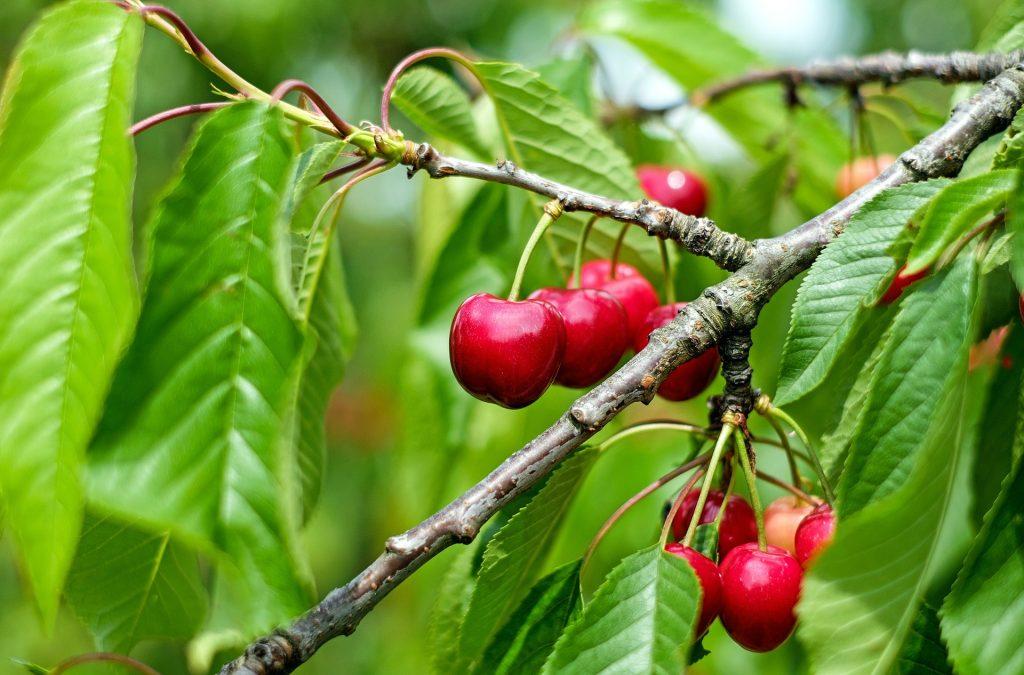
Cherry Tree (Doğa Dergisi)
Cherry trees thrive best in temperate climates. Ideal soils for cherry cultivation are deep, fertile, well-drained, with a pH between 6.0 and 7.0. Cherry trees are commonly propagated through grafting. One of the most important factors in cultivation is the correct selection of pollinator varieties, as cherry trees are generally not self-fertile and require different varieties to be grown together for successful fruiting.
Cherries are a nutrient-rich fruit, high in antioxidants, vitamins (A, C, K), and minerals (potassium, calcium, iron). Research has shown that cherries possess anti-inflammatory, antioxidant, and sleep regulating properties.
Acunalp, S. (2012). "Ekonomik Öneme Sahip Yerli Kiraz (Prunus avium L.) Genotiplerinin SSRs (Simple Sequence Repeats)'a Dayalı Genetik Karakterizasyonu." Master's thesis,Ankara Universitesi (Türkiye).Link
Koç, A. (2009). "Samsun İlinde Kiraz-Vişne Anacı Seleksiyonu ve Bunların Vejetatif Çoğaltma Potansiyellerinin Araştırılması".Link
North Carolina Extension Gardener Plant Toolbox. (n.d.). *Prunus avium (Sweet Cherry)*.Link
Velioğlu, E., Alan, M., Atmaca, C., Taştan, Y., and Uzan, B. (2020). "Türkiye’deki Prunus avium L. popülasyonlarında bazı kantitatif özellikler için genetik parametrelerin tahmini." Ormancılık Araştırma Dergisi, 7(2), 179-192.

Cherry Tree
Type | Rosaceae family | ||||||||
|---|---|---|---|---|---|---|---|---|---|
Nutritional Value | 50 Calories (kcal) - 100 g | ||||||||
Scientific Name | Prunus avium L. | ||||||||
Species and Distribution Areas
Morphological Characteristics
Ecological and Economic Importance
Cultivation
Benefits of Cherries