


This article was automatically translated from the original Turkish version.
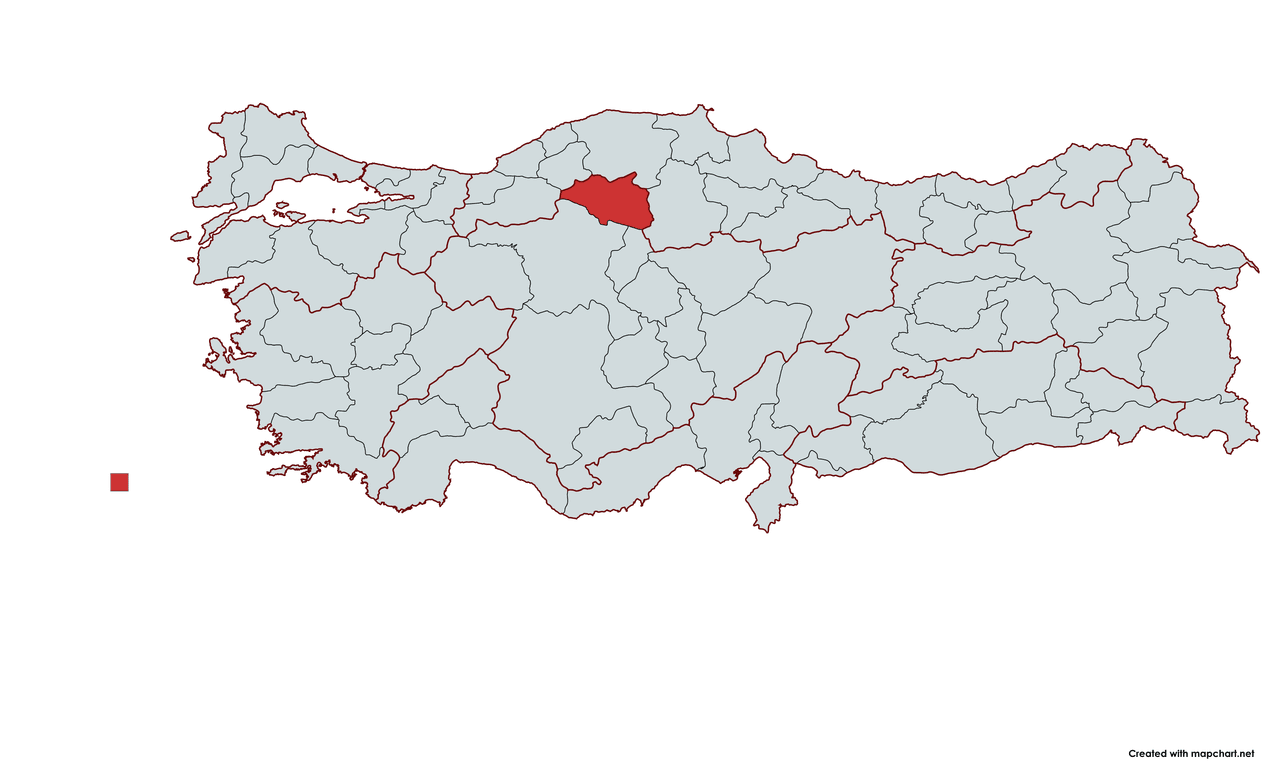
Çankırı
Country | Türkiye | ||||||||
|---|---|---|---|---|---|---|---|---|---|
Region | Central Anatolia Region | ||||||||
Population (Number) | 199981 | ||||||||
Area (km²) | 7542 | ||||||||
Climate | Central Anatolia Climate | ||||||||
Important Structure | Çankırı Museum Derbent Martyrdom Ilgaz Mountain Çankırı Castle Büyük Camii | ||||||||
Local Government | Mayor/İsmail Hakkı Esen Governor/Mustafa Fırat Taşolar | ||||||||
Area Code | 0376 | ||||||||
License Plate Code | 18 | ||||||||
Çankırı is a province located in Türkiye's Black Sea Region, known for its historical and cultural richness. In addition to being one of the key nodes in Türkiye’s road transport network, Çankırı also attracts attention for its natural beauty, historical structures, and traditional way of life.
Çankırı lies in a transitional zone between the Black Sea Region and the Central Anatolia Region. It shares borders with Ankara to the west, Konya to the south, and Kastamonu to the east. Although it does not have a direct connection to the Black Sea, it is culturally and environmentally influenced by the region. The total area of Çankırı is 7,661 km².
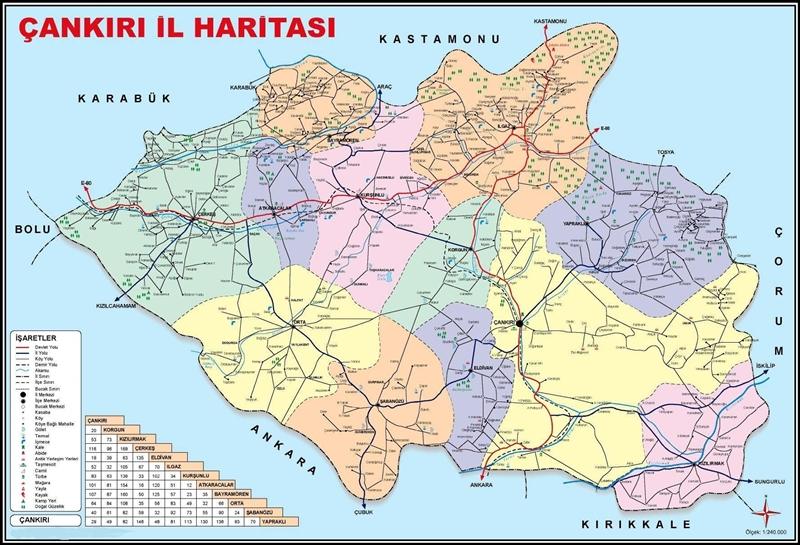
Çankırı Provincial Map
Çankırı is characterized by a continental climate with hot dry summers and cold snowy winters. This climate significantly influences the natural vegetation cover and agricultural production. The mountainous areas of Çankırı are surrounded by forests and valleys. The Ilgaz Mountains are the most renowned mountain range in the region, and the Ilgaz Mountain National Park is located within these mountains.
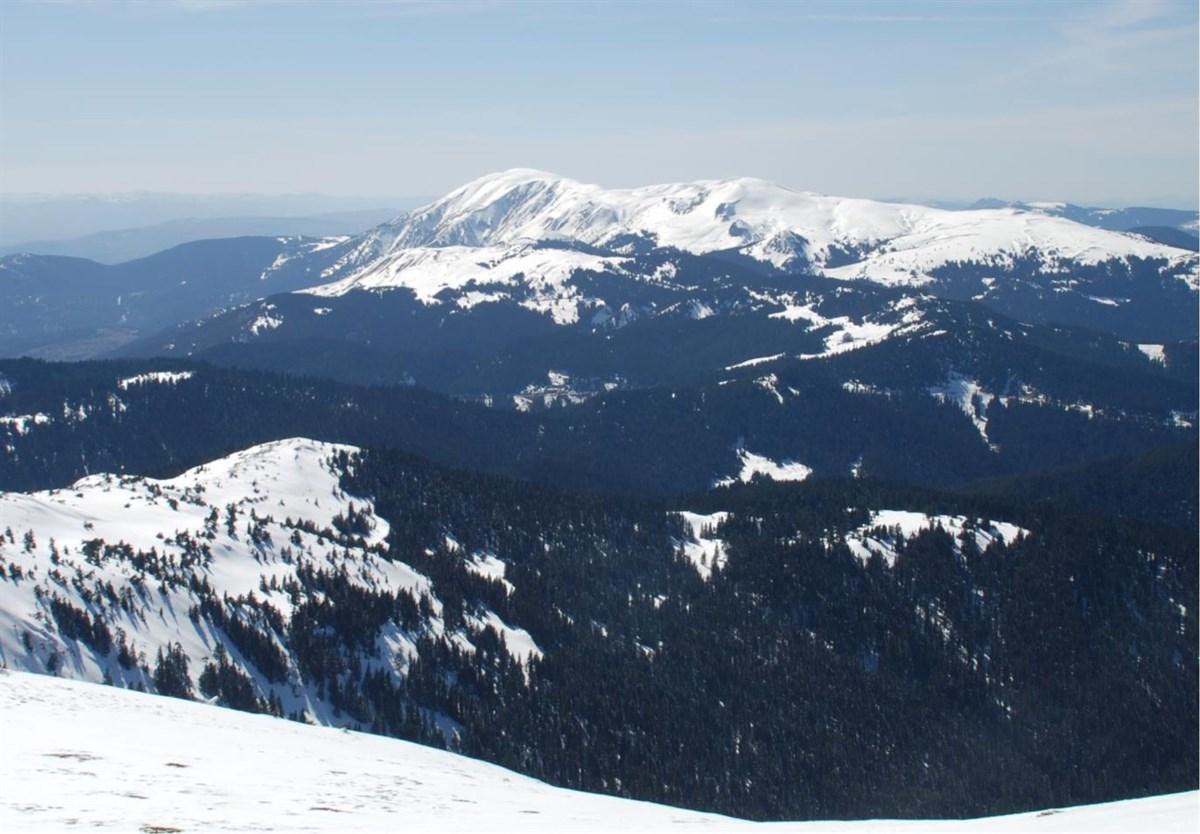
Ilgaz Mountain
Çankırı’s history has been shaped by the influence of numerous civilizations including the Hittites, Phrygians, and Roman Empire. As a result, Çankırı is a province rich in historical remains and structures.
1. Çankırı Castle
Located in the city center, this castle has been used and restored by various civilizations throughout history.

Çankırı Castle
2. Paşasultan (Ulu) Mosque
Located in the Sağlık Neighborhood of Şabanözü District, it is one of the wooden-pillared mosques whose earliest examples date back to the 13th century and became widespread during the Beylik period. The mosque’s original prayer hall is oriented longitudinally toward the qibla and consists of three naves. Beams laid north-south are supported perpendicularly to the qibla by three rows of wooden columns. These beams rest on brackets on the walls of the Paşasultan Mosque. Above these brackets, wooden pillars laid east-west form the ceiling. The central nave is higher than the side naves. In 1977, a second prayer area was added to the congregation section.
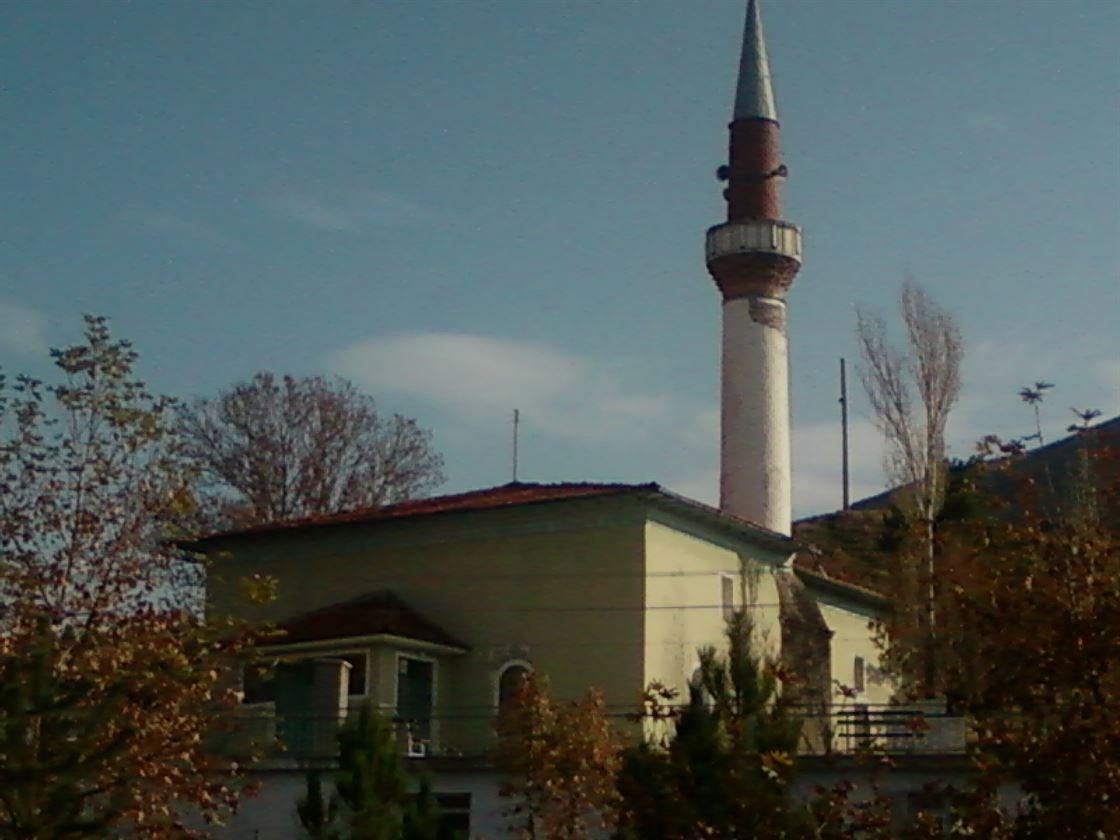
Paşasultan Mosque
3. Büyük (Sultan Süleyman) Mosque
This mosque, built during the era of architect Sinan, was constructed by Sadık Kalfa under the order of Kanuni Sultan Süleyman. Its inscription, written in sülüs script, reads:
Ordered to be built in the year
By Sultan Süleyman, the source of all good
Behold, the faithful will marvel at its beauty
The mosque of good fortune
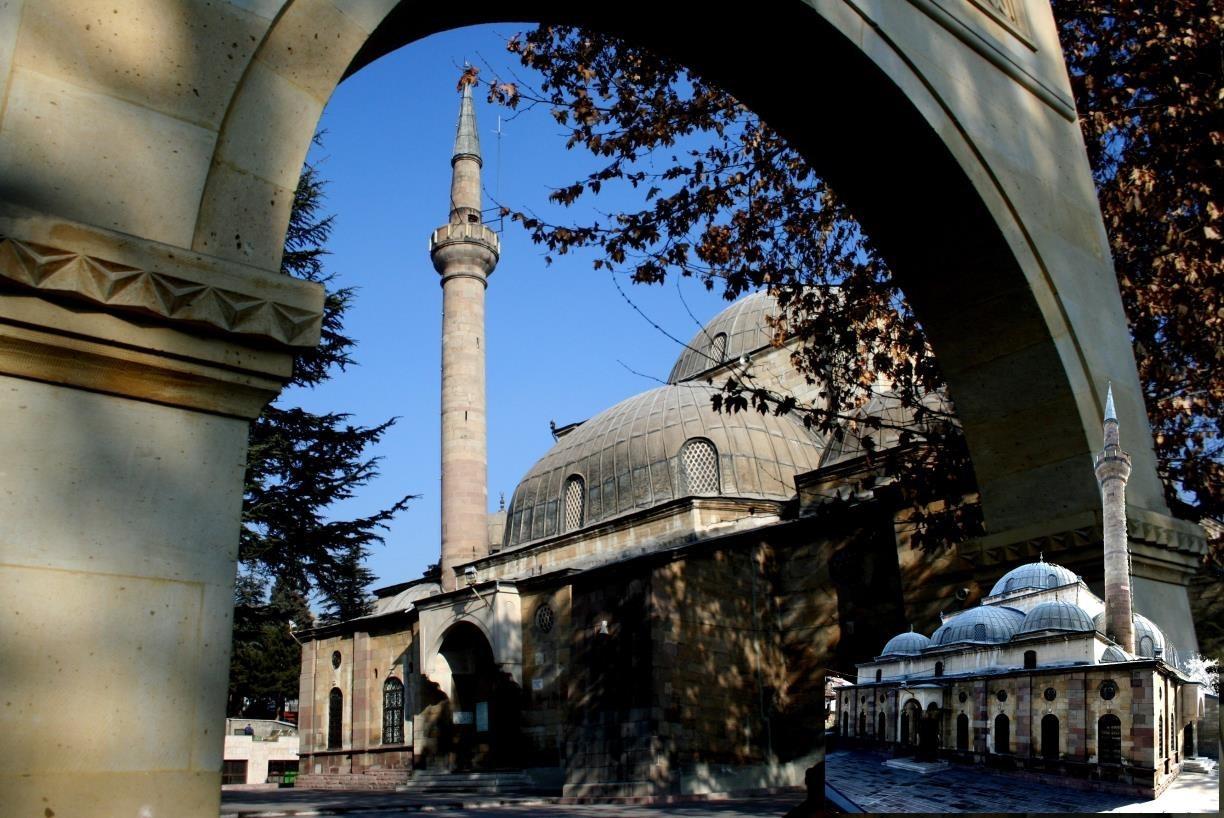
Büyük Mosque
4. Çankırı Museum
The Çankırı Museum began its activities on 9 June 1972, when 116 artifacts collected from the surrounding area were exhibited in the basement of the Halkevi building (People’s Education Center). It continued operations in this building until 1976, when it was temporarily relocated to Çankırı High School due to the demolition of the People’s Education building and the construction of the 100th Year Culture Center. One classroom of the high school was converted into a storage area, and administrative operations of the museum were conducted there.
After the completion of the 100th Year Culture Center, the museum was reopened to the public on 23 August 1981, moving to the second floor of the new building. However, due to the continuous increase in the number of artifacts and the inadequate physical conditions of the building, a new facility became necessary. As a result of these efforts, the Çankırı Old Government Mansion, built during the reign of Sultan Abdülhamid II, was restored and began operating as the Çankırı Museum in 2017. The museum now features 3,000 m² of indoor and 600 m² of outdoor exhibition space, displaying artifacts and findings in its Archaeology, Ethnography, and Paleontology halls.
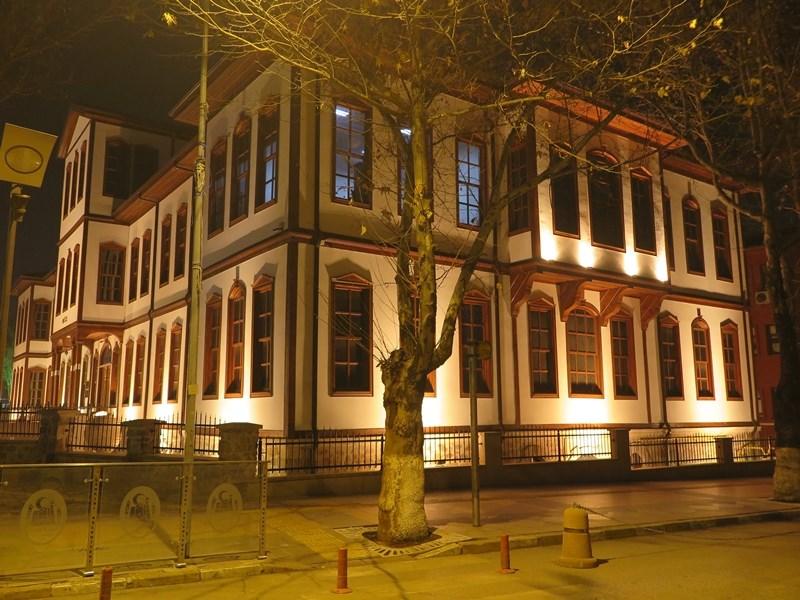
Çankırı Museum
Çankırı’s economy is based on agriculture, animal husbandry, and small-scale industry.
1. Agricultural Production: Wheat, barley, chickpeas, sugar beet, apples, and salt are the main products. The salt produced in Çankırı has gained recognition nationwide as Çankırı salt.
2. Animal Husbandry: Large and small livestock farming is widespread in Çankırı. Fishing is also an interesting sector.
3. Industry: In Çankırı’s small industry zone, handicrafts and local production hold an important place.
Çankırı’s natural landscape and mountains offer an ideal destination for tourists interested in nature walks and trekking.
1. Ilgaz Mountain National Park
A popular destination for hiking, mountaineering, and winter sports.
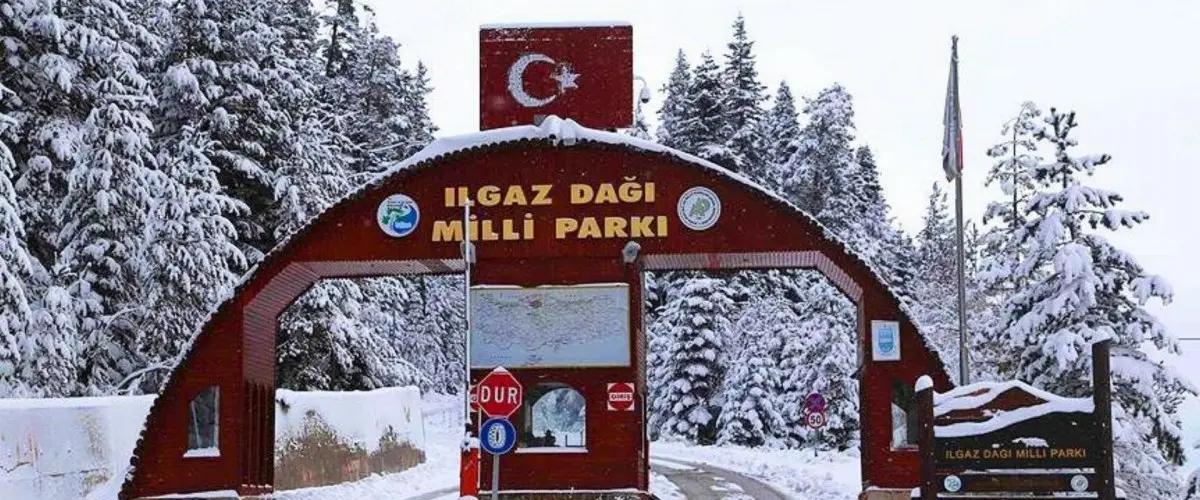
Ilgaz Mountain National Park
2. Derbent Martyrs’ Site and Picnic Area
Located 24 km from Ilgaz and 74 km from Çankırı, this picnic area lies alongside the Ilgaz-Kastamonu State Highway. The 5-hectare site includes a motel with 12 rooms and 42 beds, and is favored by those seeking short breaks, whether for winter sports or private travel. Recently, a newly established picnic area within the site, surrounded by golden pine, black pine, and cedar trees, has attracted considerable interest.
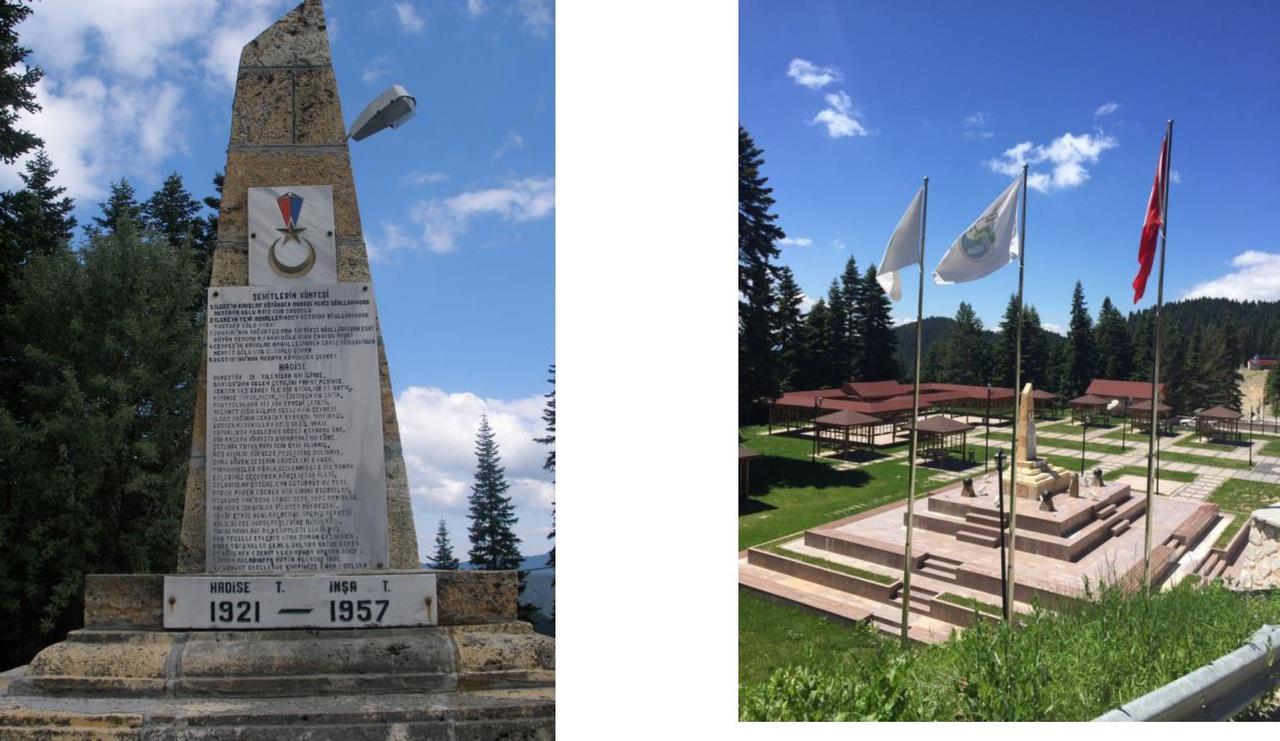
Derbent Martyrs’ Site
Çankırı’s cuisine is renowned for its regional dishes and traditional flavors.
Located in Çankırı, Çankırı Karatekin University is one of the higher education institutions in the province. The university has become a center for cultural and academic activities due to its young population. Local theater groups, music, and dance ensembles also contribute to Çankırı’s cultural life by organizing cultural festivals.
Çankırı has an excellent road transport network. It is 137 km from Ankara and 460 km from Istanbul. Çankırı was connected to the railway network in 1931 and lies on the Ankara-Zonguldak railway line. The total length of railway within the province is 172 km. The railway enters the province from the southern village of Tüney, following the Ankara-Çankırı highway to reach Çankırı. From there, it proceeds northwest, following the route: Çankırı City Center-Apsarı-Demirçevre-Göllüce-Sumucak-Kurşunlu-Atkaracalar-Çerkeş-Kurtçimeni-İsmetpaşa-Ortaköy-Eskipazar.
The Governor of Çankırı is Mustafa Fırat Taşolar. Born on 18 February 1981 in Kahramanmaraş, he completed his primary and secondary education in various provinces. He graduated from Kahramanmaraş Çukurova Electric Anadolu High School in 1999. In the same year, he was admitted to the Public Administration Department of Ankara University’s Faculty of Political Sciences and graduated in 2003. Governor Taşolar was appointed to the position of Çankırı Governor on 10 August 2023.
The Mayor of Çankırı is İsmail Hakkı Esen. Born in Çankırı in 1970, Esen completed his primary and secondary education in Çankırı and graduated from Dokuz Eylül University in 1993. He speaks German fluently. He has been serving as Mayor of Çankırı since 4 April 2019.
T.C. Çankırı Valiliği. "Doğal Güzellikler - Mesire Yerleri (Yaylalar)." Accessed February 6, 2025.http://www.cankiri.gov.tr/dogal-guzellikler---mesire-yerleri--yaylalar
T.C. Çankırı Valiliği. "Görev Yapmış Valilerimiz." Accessed February 6, 2025.http://www.cankiri.gov.tr/gorev-yapmis-valilerimiz.
T.C. Çankırı Valiliği. "Tarihi Camiler." Accessed February 6, 2025.http://www.cankiri.gov.tr/tarihi-camiiler.
T.C. Çankırı Valiliği. "Ulaşım." Accessed February 6, 2025.http://www.cankiri.gov.tr/ulasim.
T.C. Çankırı Valiliği. "Çankırı Müzesi." Accessed February 6, 2025.http://www.cankiri.gov.tr/cankiri-muzesi.
T.C. Çankırı Valiliği. "İlçelerimiz." Accessed February 6, 2025.https://www.cankiri.gov.tr/ilcelerimiz

Çankırı
Country | Türkiye | ||||||||
|---|---|---|---|---|---|---|---|---|---|
Region | Central Anatolia Region | ||||||||
Population (Number) | 199981 | ||||||||
Area (km²) | 7542 | ||||||||
Climate | Central Anatolia Climate | ||||||||
Important Structure | Çankırı Museum Derbent Martyrdom Ilgaz Mountain Çankırı Castle Büyük Camii | ||||||||
Local Government | Mayor/İsmail Hakkı Esen Governor/Mustafa Fırat Taşolar | ||||||||
Area Code | 0376 | ||||||||
License Plate Code | 18 | ||||||||
Geographical Location
Climate and Nature
Historical and Cultural Heritage
Economy
Natural Attractions and Tourism
Traditional Cuisine
Education and Cultural Activities
Transportation
Districts
Administration
Governor
Mayor