


This article was automatically translated from the original Turkish version.
Deve güreşi, Anadolu’da yüzyıllar boyunca şekillenen ve günümüzde hâlâ yaşatılan geleneksel bir kültürel faaliyettir. Özellikle Batı Anadolu’da yoğun olarak görülen bu etkinlik, yalnızca bir spor müsabakası değil; aynı zamanda Yörük-Türkmen kültürünün bir uzantısı, yerel dayanışmanın bir aracı ve somut olmayan kültürel mirasın (SOKÜM) yaşayan bir örneğidir. Devecilik kültürü çevresinde gelişen bu ritüel, toplumsal hafızada derin izler bırakmakta, kuşaktan kuşağa aktarılan değerleri içinde barındırmaktadır.
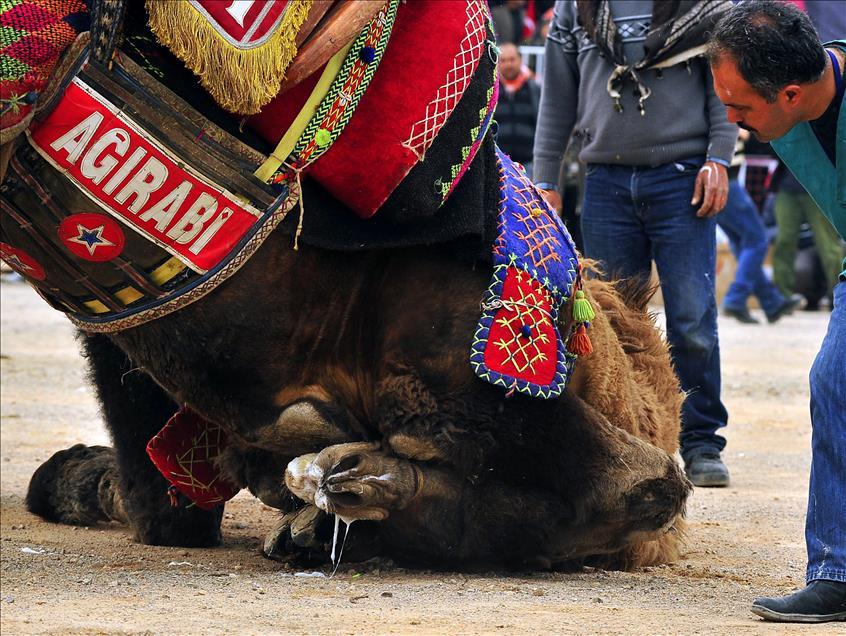
Camels have carried economic, cultural and social values across the geography stretching from Asia to Anadolu for thousands of years. Camel breeding and transport in Anadolu held an important position especially during the Seljuk and Ottoman periods; this situation gradually gave rise to a distinct lifestyle known as “camel breeding.” Camel breeding culture did not remain confined to animal husbandry alone; it also triggered cultural production in many fields such as music, handicrafts, poetry and sport. This culture continues to live today largely through camel wrestling festivals.【1】
Although the exact time when camel wrestling began in Anadolu is not definitively known, written and oral sources indicate that this tradition has a history of at least 200 years. Ottoman archival records contain entries regarding the detention of camels for wrestling purposes. The practice of holding camels carrying saddle frames in Gediz for wrestling events in Tire demonstrates that such organized events were already widespread in the first half of the 19th century.【2】
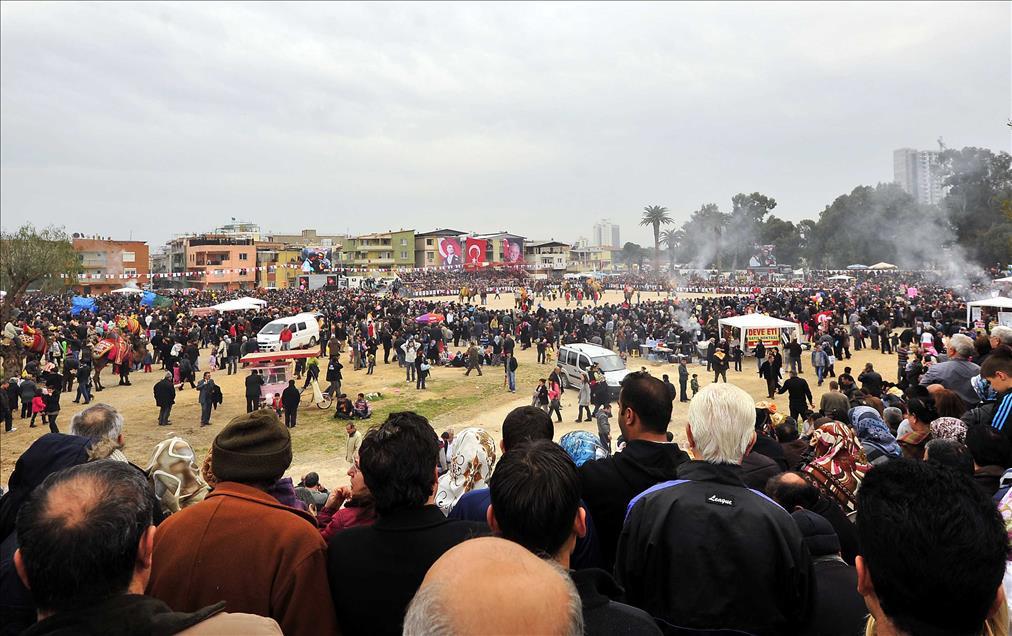
Camel wrestling is a reflection of the historical structure of Turkish culture, deeply intertwined with its nomadic lifestyle and animal husbandry. Among Turkic communities originating from Central Asia, the camel was not merely a means of transport but also a being imbued with mythological and symbolic meanings. Indeed, in Turkish mythology, the male camel holds a place among sacred animals and is associated with totems such as the dragon or predatory birds under the name “bugra.”【3】
Among the Turkmens who settled in Anadolu, the nomadic lifestyle persisted for a long period, during which camel wrestling evolved as a social entertainment and competition tool. Today, wrestling events concentrated especially in the provinces of Aydın, İzmir, Manisa, Denizli and Muğla serve as tangible manifestations of this cultural continuity.【4】
Camel wrestling takes place within a specific order and set of rules. The matches are generally held between December and March, during the camels’ breeding season. Before the wrestling, a “havut dressing ceremony” is conducted, symbolizing the camels’ preparation for the new season. Each camel is given a unique name, chosen to reflect its courage, physical strength or a personality well known in the community. For example, a camel named “Okçulu” that competed in the 1970s had its name changed by spectators to “Kolombo” due to its endearing movements.【5】
During the matches, the camels’ mouths are bound and they are adorned with ornate havuts, embroidered bells and colorful rugs. The camels selected for wrestling are mostly of the “tülü” breed, a cross between a single-humped female and a double-humped male. The musical procession, folk dances, local food offerings and handicraft exhibitions held at the wrestling arena elevate this event beyond a mere sport; it creates an atmosphere akin to a cultural festival.【6】
Camel wrestling largely conforms to the criteria outlined in UNESCO’s 2003 Convention for the Safeguarding of the Intangible Cultural Heritage. This activity, which can be categorized under social practices and rituals, maintains its continuity through a body of knowledge and skills passed down from generation to generation. However, increasing urbanization, the decline of animal husbandry and modern lifestyles now threaten the sustainability of this tradition.
Camel wrestling makes significant contributions to the local economy and cultural tourism. Festivals held in districts such as İzmir, Selçuk, Tire and Bergama attract tourists during the winter months and generate economic activity in sectors such as accommodation and food services.【7】
Preserving this tradition, for which various efforts have been made to include it on UNESCO lists, is only possible through a comprehensive cultural inventory study and public support. This is because camel breeding and wrestling face significant challenges in finding a strong economic and social foundation in Türkiye. It is emphasized that camel owners with limited incomes require state support to meet their costs.【8】
Camel wrestling is one of the rare traditions rooted in the nomadic past of Turkish culture, shaped by local values and still actively maintained by the people today. It is not merely a sporting event but also a ritual, a social gathering and a cultural memory space. As representatives of Yörük culture that have endured to the present day, camel wrestling events constitute a unique folkloric value worthy of transmission to future generations. Therefore, the registration and preservation of camel wrestling as an element of intangible cultural heritage holds great importance for the continuity of local identities and the vitality of cultural diversity.
Anadolu Ajansı. "İzmir'de Deve Güreşi Festivali." Accessed April 1, 2025.https://www.aa.com.tr/tr/pg/foto-galeri/deve-guresinde-renkli-goruntuler#!
Atasoy, Fatih, and Fatma Tülin Özbaşer. "Anadolu’da Deve Yetiştiriciliği ve Deve Güreşleri." Lalahan Hayvancılık Araştırma Enstitüsü Dergisi 54, no. 2 (2014): 85–90.
Yılmaz, Orhan, and Mehmet Ertuğrul. "Deve Güreşi mi, Deve Dövüşü mü?" Adnan Menderes Üniversitesi Ziraat Fakültesi Dergisi 12, no. 2 (2015): 117–123.
Yılmaz, Orhan, and Mehmet Ertuğrul. "Türk Kültüründe Deve Güreşleri." BEÜ Sosyal Bilimler Enstitüsü Dergisi 4, no. 1 (2015): 157–167.
Çalışkan, Vedat. "Somut Olmayan Kültürel Bir Mirasın Güncel Bir Değerlendirmesi: Anadolu Devecilik Kültürü ve Geleneksel Deve Güreşi Şenlikleri." TÜBA-KED, no. 11 (2013): 137–153.
Çulha, Osman. "Kültür Turizmi Kapsamında Destekleyici Turistik Ürün Olarak Deve Güreşi Festivalleri Üzerine Bir Alan Çalışması." Yaşar Üniversitesi Dergisi 3, no. 12 (2008): 1827–1852.
[1]
Vedat Çalışkan, “Anadolu Devecilik Kültürü ve Geleneksel Deve Güreşi Şenlikleri,” TÜBA-KED, no. 11 (2013): 137–139.]
[2]
[Çalışkan, 140.]
[3]
Orhan Yılmaz ve Mehmet Ertuğrul, “Türk Kültüründe Deve Güreşleri,” BEÜ Sosyal Bilimler Enstitüsü Dergisi 4, no. 1 (2015): 158.
[4]
Fatih Atasoy ve Fatma Tülin Özbaşer, “Anadolu’da Deve Yetiştiriciliği ve Deve Güreşleri,” Lalahan Hayvancılık Araştırma Enstitüsü Dergisi 54, no. 2 (2014): 88.
[5]
[Yılmaz ve Ertuğrul, 162.
[6]
Atasoy ve Özbaşer, 88.
[7]
Osman Çulha, “Kültür Turizmi Kapsamında Destekleyici Turistik Ürün Olarak Deve Güreşi Festivalleri Üzerine Bir Alan Çalışması,” Yaşar Üniversitesi Dergisi 3, no. 12 (2008): 1828.
[8]
Yılmaz ve Ertuğrul, 159.

No Discussion Added Yet
Start discussion for "Camel Wrestling in Turkish Culture" article
Historical Origins and the Development of Camel Breeding Culture
The Place and Meaning of Camel Wrestling in Turkish Culture
Structure and Ritual Characteristics of the Wrestling
Intangible Cultural Heritage and Sustainability