


This article was automatically translated from the original Turkish version.
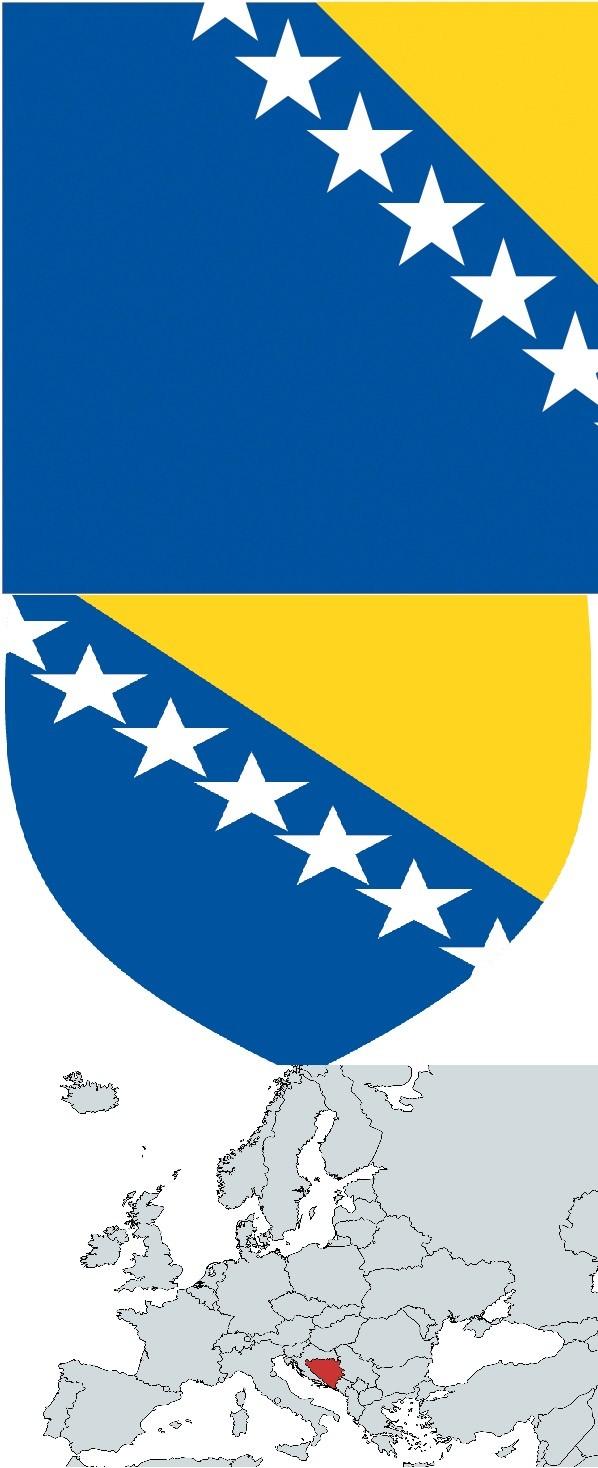
Bosnia and Herzegovina
Official Languages | Bosnian, Serbian, Croatian (Alphabets: Latin and Cyrillic) | ||||||||
|---|---|---|---|---|---|---|---|---|---|
Telephone Code | +387 | ||||||||
Internet Domain Code | .ba | ||||||||
Official Name | Bosnia and Herzegovina | ||||||||
Independence Date | 1 Mart 1992 (Yugoslavya Sosyalist Federal Cumhuriyeti'nden) | ||||||||
Head of State | Tripartite (Bosniak, Serb, Croat) Presidency Council | ||||||||
Head of Government | Chairman of the Council of Ministers (Prime Minister) | ||||||||
Total Population | 3.2 Million (2013 Census: 3,531,159; 2023-2024 projections are below this figure due to population decline.) | ||||||||
Capital | Sarajevo | ||||||||
GDP (Nominal) | 23.4 Billion Dollars (2022 data) | ||||||||
GDP per Capita (Nominal) | 6,726 Dollars | ||||||||
National Holidays | 25 November (State Day) 1 March (Independence Day) | ||||||||
Climate | Southern Regions (Herzegovina): Mild Mediterranean climate due to proximity to the Dalmatian coast. Northern and Interior Regions (Bosnia): Continental climate characterized by harsh winters and hot summers. | ||||||||
Ethnic Structure | Serbs: %30.78 Croats: %15.43 Other: %3.68 Bosniaks: %50.11 | ||||||||
Religious Structure | Roman Catholic: %15.2 Islam (Muslim): %50.7 Serbian Orthodox: %30.7 Atheist/Non-religious/Other: %3.4 | ||||||||
Currency | Convertible Mark (BAM) - Pegged to the Euro | ||||||||
Form of Government | Federal Parliamentary Republic | ||||||||
Surface Area | 51.129 km | ||||||||
Bosnia and Herzegovina is located in a geographic area bordered by Serbia and Montenegro to the east and southeast, and by Croatia to the north and west. The country has a total area of approximately 51,129 km2, with the majority of its territory consisting of mountainous terrain, while fertile plains are primarily found in the northern regions. A 20-kilometer coastline lies along the Adriatic Sea. Bosnia and Herzegovina’s demographic structure is primarily composed of Bosniak, Serb and Croat communities. Bosnian, Serbian and Croatian are the official languages of the country. The country’s economy, with a per capita national income of around nine thousand dollars, is balanced between a well-established industrial tradition and a growing services sector.【1】 EU integration, public reform and financial stability are among its core economic policies.
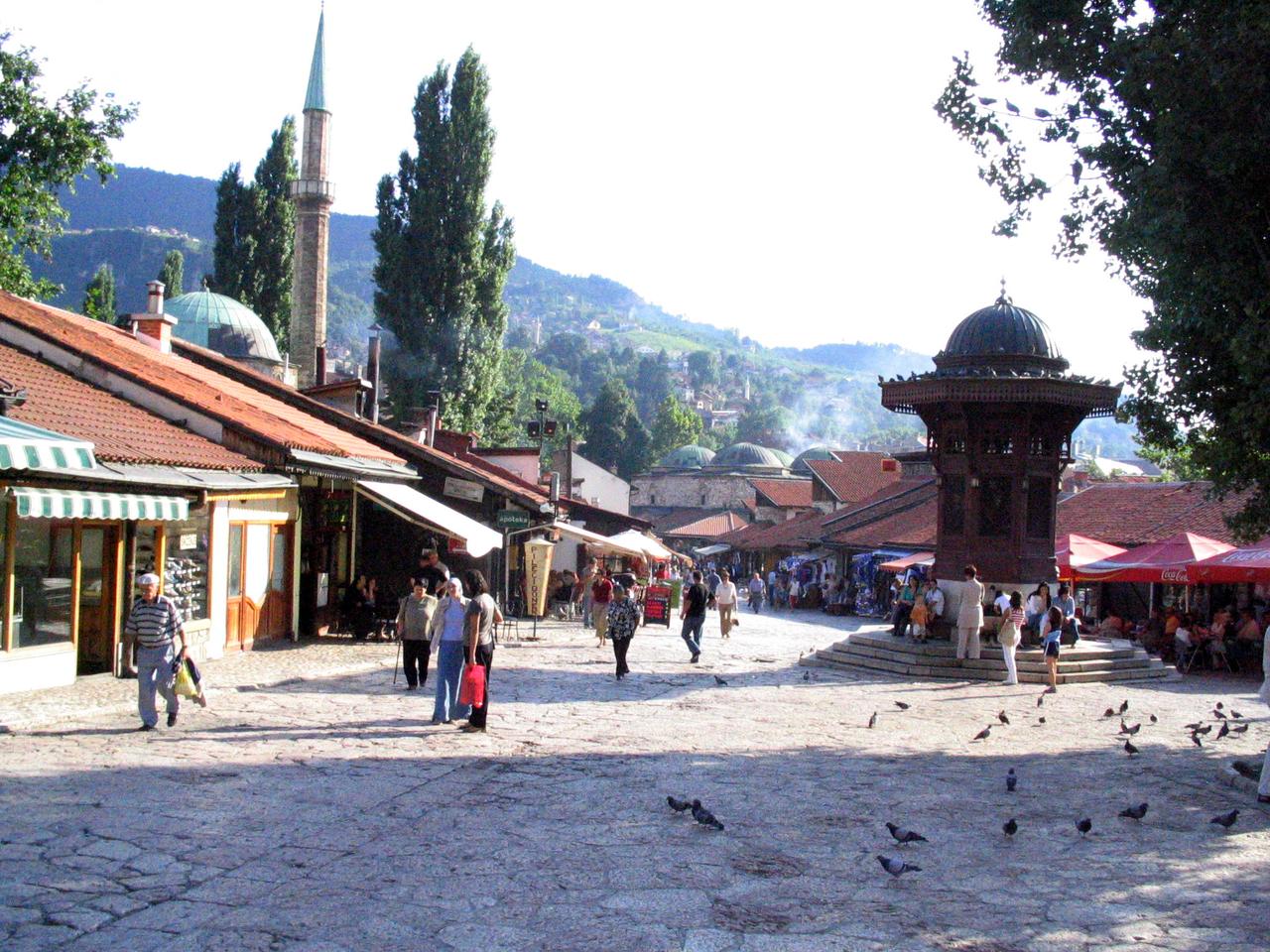
Saraybosna Başçarşı (Flickr)
The country’s history extends back to the Illyrians, of Indo-European origin, and the administration of the Roman Empire. Following the settlement of Slavic tribes, the region remained under the rule of the Byzantine Empire and local dynasties until it was governed as an independent kingdom during the reign of Tvrtko I. In 1463, under the leadership of the seventh Ottoman Sultan, Fatih Sultan Mehmed, the Ottoman army conquered the region, turning it into a sanjak. Four centuries of Ottoman rule left a profound cultural impact on daily life, leading the local population to adopt Islam and forge a new identity.【2】
Sarajevo, the administrative center of the sanjak within the Ottoman system, evolved from a modest town into a developed Turkish-Islamic city through the construction of mosques, madrasas, libraries, clock towers, bazaars, caravanserais and shops by Gazi Hüsrev Bey, who served as sanjak bey for approximately 20 years in the first half of the 16th century.【3】
In 1878, by decision of the Congress of Berlin, the region was placed under the administration of Austria-Hungary and later became one of the federal republics that constituted the former Yugoslavia. Following free elections in November 1990, Alija Izetbegović was elected president of the republic; a referendum held in early March 1992 resulted in a decision for independence, and this development was immediately followed by a war period initiated by attacks from the federal army and Serb forces.【4】 The country has experienced chronic political crises due to the complex multi-level governance model introduced by the Dayton Agreement, which ended the war in 1995.
Today, Bosnia and Herzegovina continues to be one of the most important tourism centers in the Balkans, known for its historical cities where Ottoman heritage and European cultural influences coexist, its natural beauty and cultural diversity.
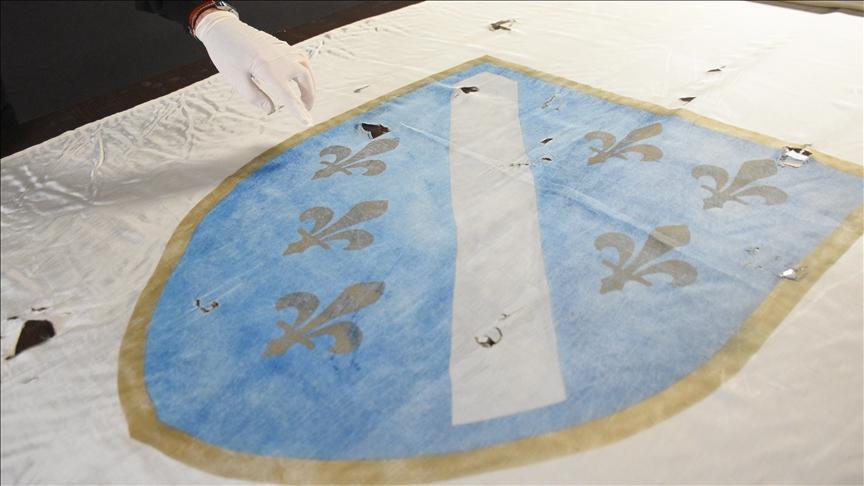
Zambaklı Bayrak (AA)
Bosnia and Herzegovina’s current national flag was shaped following a political deadlock after the 1992–1995 civil war, when the previous symbols were not accepted by other ethnic groups in the country. Despite opposition in parliament, this issue was resolved by a law enacted on 3 February 1998, thanks to the efforts of the then High Representative Carlos Westendorp.【5】 Bosnia and Herzegovina has been represented since that date by the current flag featuring a blue background with a yellow triangle and white stars.【6】 The blue background and white stars symbolize Europe and unity, while the yellow right triangle represents both the general geographic shape of the country on the map and the three main peoples constituting the country (Bosniaks, Serbs and Croats).
The "lily flag" used during the early years of independence (1992–1998) derives its origins from seals dating back to the reign of King Tvrtko I Kotromanić of the medieval Bosnian Kingdom.【7】 Designed by Zvonimir Bebek and first raised on 22 May 1992 in front of the United Nations building, the original flag bearing shrapnel marks is now exhibited at the Sarajevo History Museum as a symbol of the struggle for independence.【8】
National Anthem of Bosnia and Herzegovina (National Anthems Channel)
Bosnia and Herzegovina’s official national anthem was established by a law enacted on 25 June 1999 by the High Representative of Bosnia and Herzegovina, Carlos Westendorp. Known as "Intermeco," the anthem is performed at state swearing-in ceremonies, parliamentary openings and international sporting events as a symbol of state sovereignty.【9】
Bosnia and Herzegovina, along with Spain, is one of the few countries in Europe without an official text for its anthem.【10】 Various parliamentary initiatives aimed at determining the anthem’s lyrics have failed due to the inability to reach consensus on a common text, caused by ethnic and nationalist divisions within the country.【11】
Archaeological research and excavations in Bosnia and Herzegovina have revealed that human settlements and civilization in the region extend back to the Neolithic period.【12】 The ancient inhabitants of the region, the Illyrians, particularly the "Daors" tribe living around the town of Stolac in the Herzegovina region, established advanced commercial relations with Greece and minted their own coins. The name "Bosna," which refers to the northern part of the region, also dates back to this ancient period and is derived from the Bosna River, mentioned in Roman sources as Basante or Basan.【13】
The name "Herzegovina," referring to the southern part of the region, originates from the title of Stjepan Vukčić-Kosača, who rebelled against the Bosnian king in the late Middle Ages, around the mid-15th century, and declared himself "Herzog of St. Sava"; this term is derived from the German word Herzog, meaning duke.【14】 The Kingdom of Bosnia, established in 1377 with the coronation of Tvrtko I Kotromanić, expanded its borders to the Adriatic coast and became a significant political and commercial power in the region.【15】
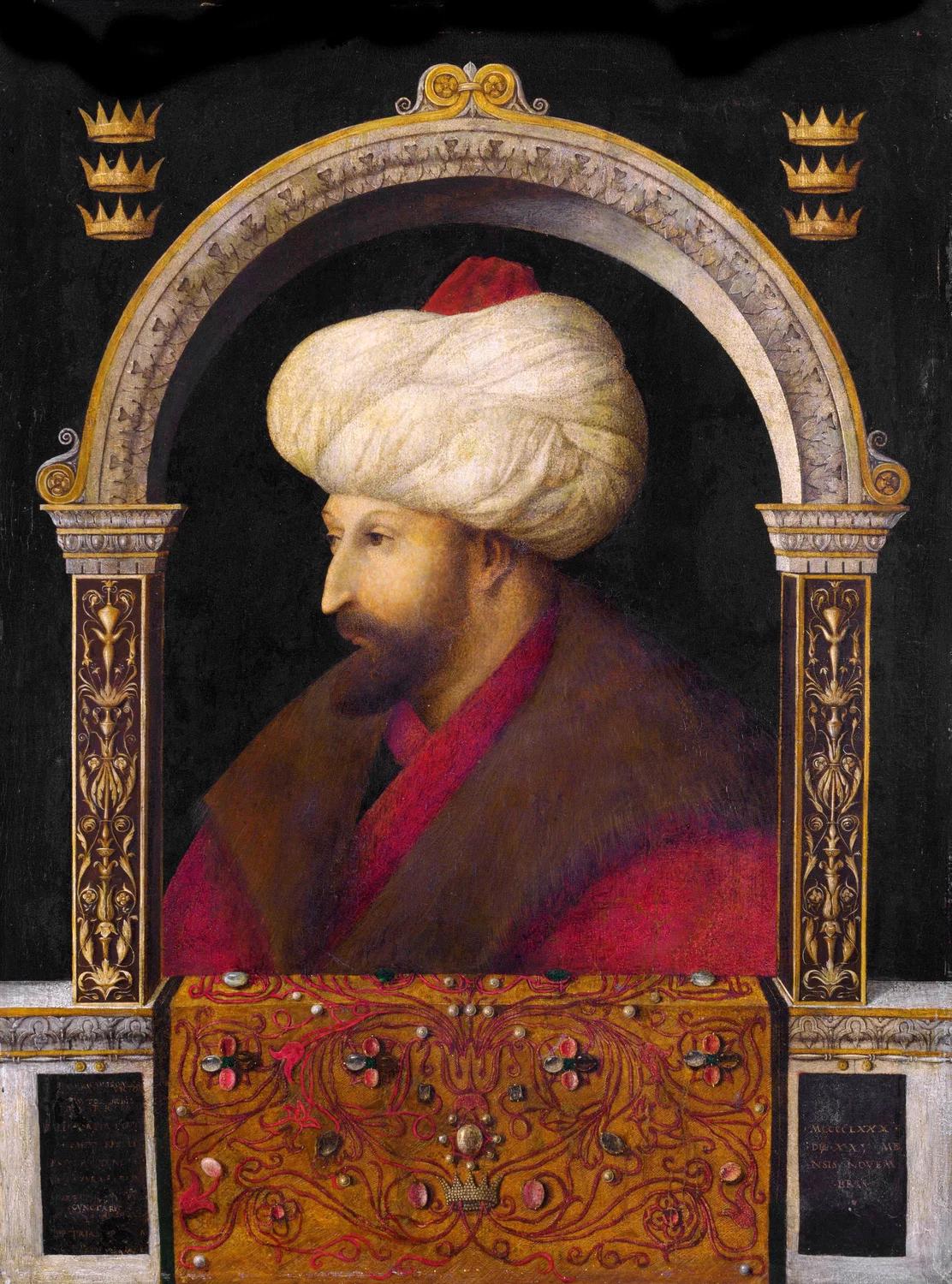
Fatih Sultan Mehmet (1451-1481) (World History)
The seventh Ottoman Sultan, Fatih Sultan Mehmed, aimed to incorporate Bosnia into Ottoman territory after the conquest of Constantinople. For the Ottoman state, Bosnia was a vital transit route, securing strategic stability in the Balkans, threatening Venice from the land, and serving as a base for campaigns into Italy.
The process began with demands for unpaid taxes from the Bosnian king. However, the king imprisoned the Ottoman envoy and threatened him with death. Although the king later released the envoy, this act did not deter the Ottoman campaign. Fatih Sultan Mehmed gathered his army in Skopje and marched toward Bosnia. During the campaign, the Bosnian king attacked Ottoman fortresses and burned Ağaçhisar, further strengthening the sultan’s resolve. After a two-month march, the Ottoman army entered Bosnian territory. The first fortress captured was Bobovac; many surrounding fortresses surrendered without resistance, while some Bosnian forces continued to resist in mountainous areas.【16】
The Bosnian king first retreated to Jajce, then to the fortresses of Sokol and Ključ. Ottoman forces under the command of Grand Vizier Mahmud Pasha pursued and besieged him. Mahmud Pasha informed the king’s envoy of the surrender terms: "Let the king come and kiss the Sultan’s hand, submit to tribute, and cede some of his fortresses to the Sultan, and he shall remain in his state." Upon accepting these terms, Mahmud Pasha pardoned the king. However, Fatih Sultan Mehmed was angered by this decision. He considered it inappropriate to pardon the Bosnian king, who had pursued a hostile policy toward the Ottoman state for many years and whom Fatih intended to fully subjugate. Consequently, based on a fatwa from Ali Bistami, the Bosnian king was executed.【17】 The Ottomans then advanced into Herzegovina; although the Herzegovinian ruler initially accepted Ottoman sovereignty and sent his son as a hostage, the definitive annexation of the region to the Ottoman Empire occurred in 1483.【18】
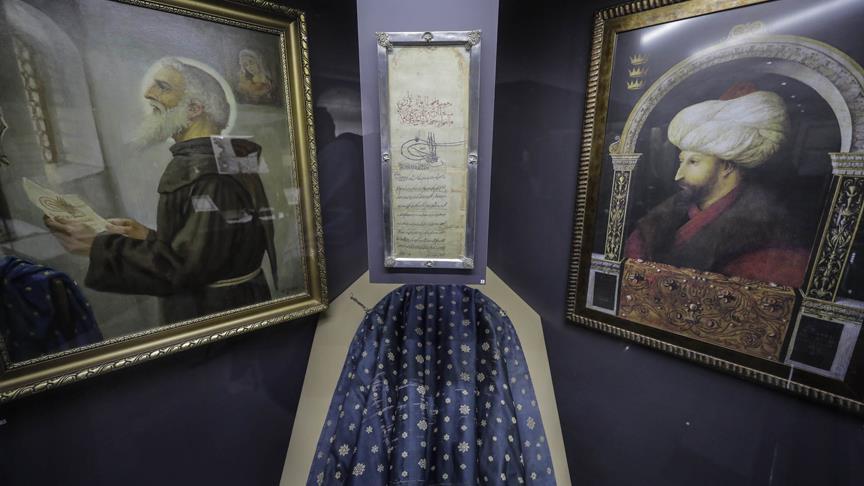
The ahidname granted by Fatih Sultan Mehmed granting freedom to the Franciscan monks in the country(AA)
Immediately after the conquest, Fatih issued his famous "Ahidnâme" in Milodraž, granting full religious and conscience freedom to the Franciscan monks and the local population.【19】 This document is regarded as an early human rights declaration that protected the multi-cultural fabric of the state.【20】 After the conquest, local nobles such as the son of Herzog Stjepan embraced Islam and rose within the Ottoman bureaucracy; notably, Hersekzade Ahmed Pasha served as grand vizier in five different periods, holding the highest offices in the state.
The true urbanization of Bosnia occurred during the period of Gazi Hüsrev Bey (1521–1541), who served as sanjak bey for approximately 20 years in the first half of the 16th century.【21】 Descended from Sultan Bayezid II through his mother, Hüsrev Bey transformed Sarajevo from a small market town into one of the most important commercial, educational and cultural centers in the Balkans through foundations established with his personal wealth.
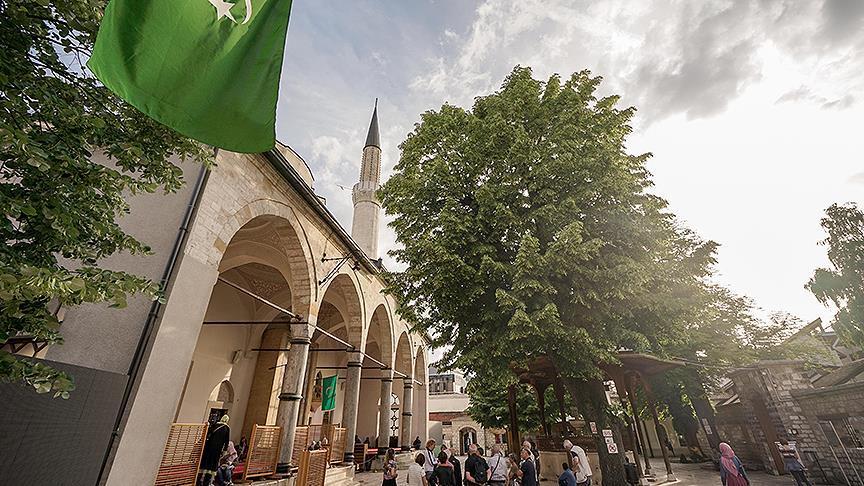
Gazi Hüsrev Paşa Camii (Anadolu Ajansı)
In the 19th century, in response to Sultan Mahmud II’s centralization reforms, Husein Kaptan Gradaščević launched a rebellion in 1831 demanding autonomy for Bosnia. Gradaščević’s movement, known as the "Dragon of Bosnia," failed to gain widespread support among the Muslim population of Bosnia and Herzegovina and was suppressed by Ottoman forces.【25】
Following these internal upheavals and the international decisions of the 1878 Treaty of Berlin, the Austro-Hungarian military occupation, which began on 29 July, was completed on 20 October 1878 despite local Muslim resistance. Thus, the four-century-long Ottoman rule in Bosnia and Herzegovina effectively ended; subsequently, on 7 October 1908, the region was officially declared annexed by Austria-Hungary.【26】
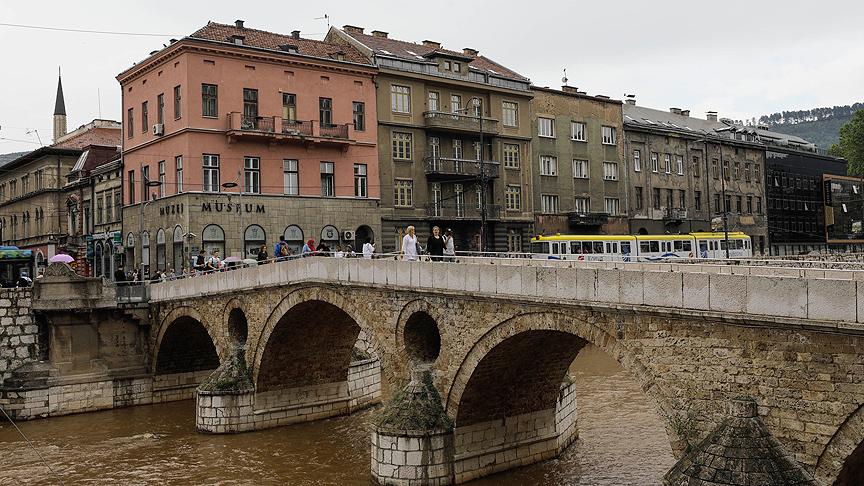
Franz Ferdinand was killed by a Serbian nationalist near the Latin Bridge in Sarajevo(AA)
The peak of nationalist resistance against Austro-Hungarian rule occurred on 28 June 1914 in Sarajevo, when Serbian nationalist Gavrilo Princip assassinated Archduke Franz Ferdinand of Austria-Hungary and his wife Sophie Chotek, aiming to end Austrian dominance in the Balkans and realize the unification of South Slavs (the Greater Serbia ideal); this assassination ignited the chain reaction of alliances that triggered the First World War.【27】 After the First World War and the dissolution of the Austro-Hungarian Empire, the territory of Bosnia and Herzegovina became part of the Kingdom of Serbs, Croats and Slovenes, established on 1 December 1918 (later renamed the Kingdom of Yugoslavia in 1929).【28】
As one of the six federal republics within the Socialist Federal Republic of Yugoslavia established after the Second World War, Bosnia experienced a historic turning point in the early 1990s with the end of the Cold War and the rapid disintegration of the federation. The independence movement in Bosnia and Herzegovina gained momentum with the victory of the Party of Democratic Action (SDA), led by Alija Izetbegović, in the first multi-party elections of 1990.【29】 In the referendum held between 29 February and 1 March 1992, boycotted by the Serbs, 99.43% of voters supported independence.【30】 Immediately following this decision, Serb paramilitary units and the Yugoslav People’s Army (JNA)-backed VRS (Army of the Republika Srpska) began besieging strategic points in the country.【31】
The Siege of Sarajevo, which began on 5 April 1992 and lasted 1,425 days, became the longest military siege in modern history, completely cutting off the city from the outside world.【32】 During this period, civilian settlements and crowded areas such as the Markale marketplace were systematically bombed; a total of 11,541 civilians lost their lives, including 1,601 children.【33】
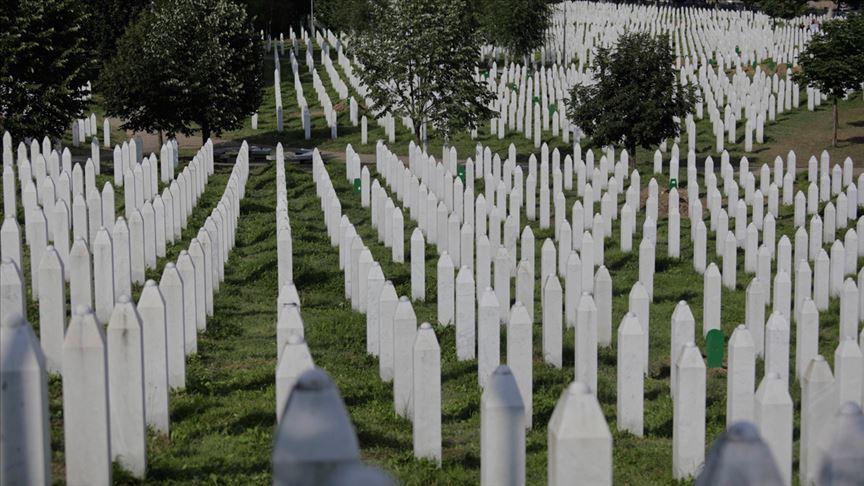
The genocide cemetery in Srebrenica (Anadolu Ajansı)
The darkest moment of the war occurred in July 1995 in Srebrenica, despite its designation as a "safe area" by the United Nations (UN). Under the passive stance of Dutch UN peacekeeping forces, Serb units commanded by Ratko Mladić entered the town and killed at least 8,372 Bosniak men within a few days.【34】
After the genocide, bodies were moved to different locations to conceal mass graves, and the ecological fabric of the region was disturbed. However, the "blue butterflies", which fed on the grass covering the graves, became the most important natural indicators for international teams in locating the mass graves.【35】 Srebrenica has been officially recognized by the International Court of Justice as the first "genocide" in Europe since the Second World War.【36】
The year 1995 marked a turning point in ending the Bosnian War. In the aftermath of the Srebrenica massacre, the United States abandoned its previous passive stance and took the lead in efforts to end the war. The U.S. developed a new strategy combining diplomacy and military power. NATO’s comprehensive air campaign, combined with the advances of Bosniak and Croat forces and intense diplomatic initiatives, led the parties to the negotiating table. This major humanitarian tragedy on the European continent ended with the Dayton Peace Agreement signed on 21 November 1995.【37】 Intensive negotiations conducted in the city of Dayton, Ohio, USA, resulted in the agreement being initialed on 21 November 1995. The agreement was formally signed on 14 December 1995 in Paris by then Bosnian-Herzegovinian President Alija Izetbegović, Serbian President Slobodan Milošević and Croatian President Franjo Tuđman.【38】
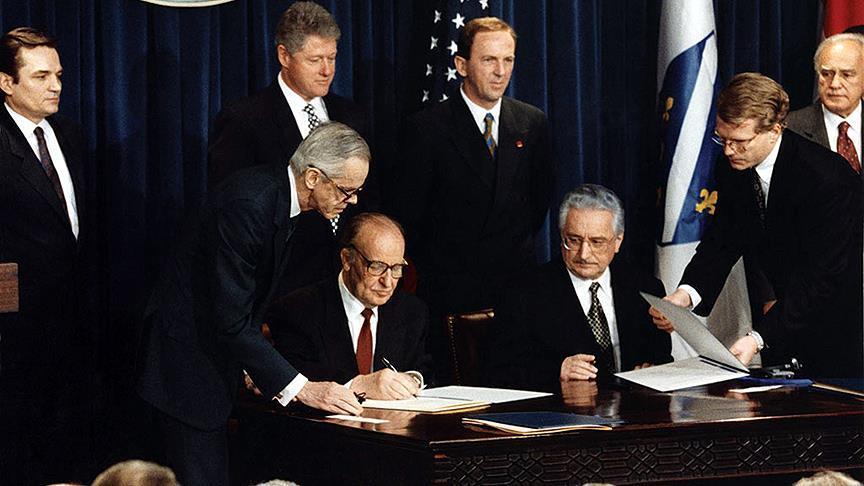
Aliya İzzetbegoviç savaşı bitiren Dayton Anlaşmasını imzalarken (AA)
Although the Dayton Peace Agreement effectively ended the war and established a peace environment, it created one of the world’s most complex administrative structures by dividing the country’s territory into two entities: the Federation of Bosnia and Herzegovina, comprising 51% of the territory (Bosniaks and Croats), and the Republika Srpska, encompassing 49%, along with the independent autonomous Brčko District.【39】
Today, this multi-layered spatial and administrative division has made the country one of the most complex administrative structures globally. On the other hand, the right of displaced refugees to return safely to their former homes and properties (Dayton Annex 7), following the forced migrations of the war period, remains one of the most critical structural elements shaping the country’s current socio-demographic fabric and ethnic geography.【40】
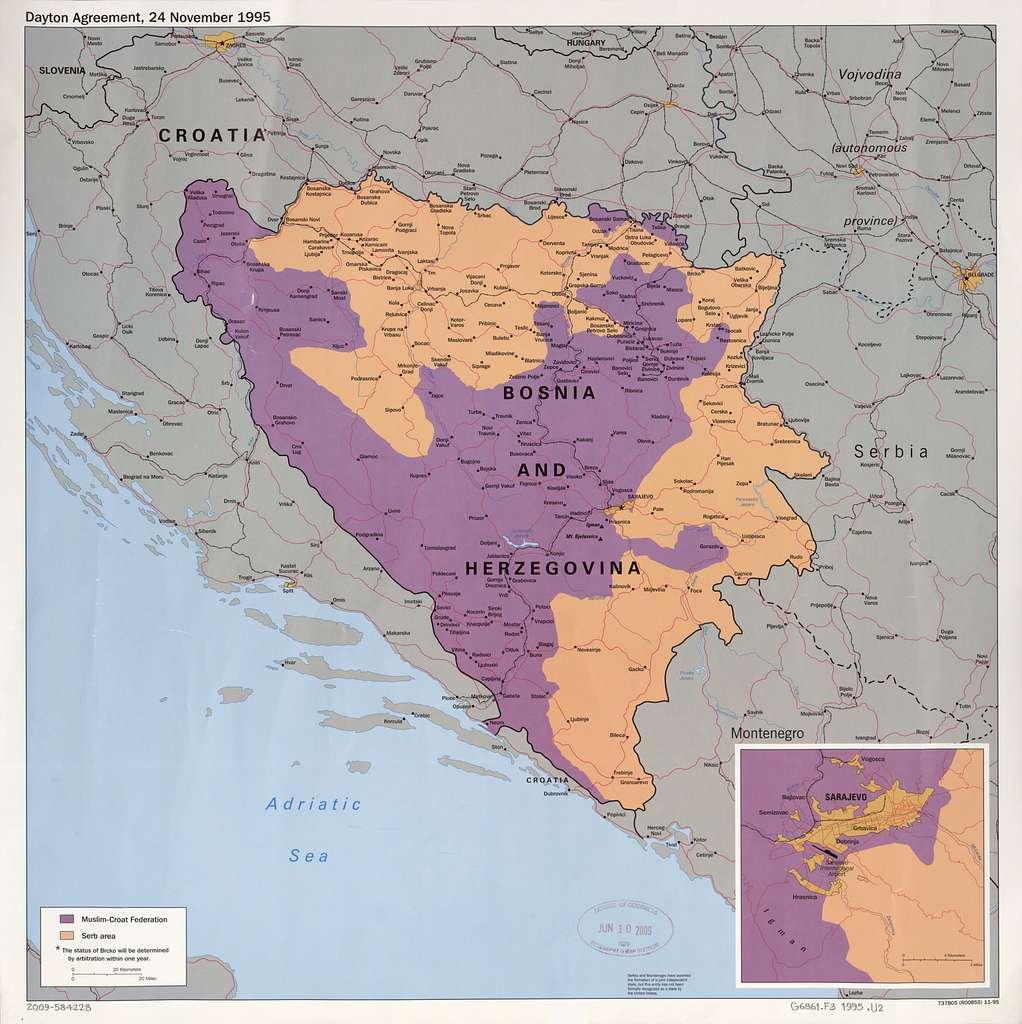
Dayton Anlaşması sonrası oluşan yeni siyasi durum (Picryl)
Bosnia and Herzegovina is a Southeast European country located in the Balkan Peninsula with a total area of approximately 51,129 km2 .【42】 Geographically, the country is bordered by Croatia to the north and west, Serbia to the east, and Montenegro to the southeast. Mountainous terrain constitutes the majority of its total area, while fertile plains are located in the northern regions. The country is divided into two main geographic regions: the continental "Bosna" in the north and the Mediterranean-influenced "Herzegovina" in the south.【43】
Bosnia and Herzegovina is strategically positioned at the intersection of Europe’s key transit routes and the competing spheres of influence over the Adriatic, Aegean and Mediterranean Seas.【44】 The country has a 24-kilometer coastline along the Adriatic Sea through the town of Neum, where the Neretva River flows into the sea. Although this narrow coastal corridor constitutes the country’s only access to the sea, no port facilities exist there.
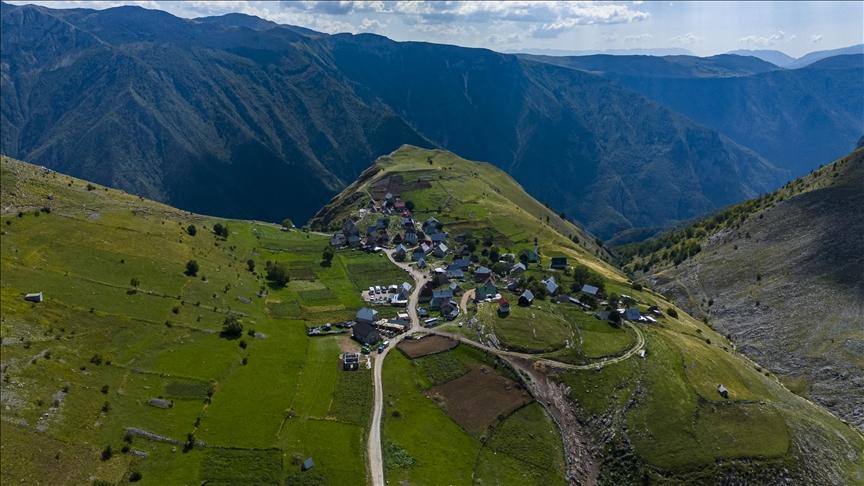
Başkenti Saraybosna yakınlarındaki Bjelasnica Dağı (AA)
Bosnia and Herzegovina is a triangular Balkan country with mountainous central and southern regions and hilly and flat areas in the north.
The country’s territory is generally mountainous and rugged.【45】 The Dinaric Alps system extends from the interior of the country toward the south, shaping its primary landforms. This mountainous structure has directly influenced many aspects of local culture, from housing types to transportation models.【46】
In contrast to the mountainous and rugged terrain, wide and fertile plains extend along the Sava River basin in the northern regions.【47】 In the interior, deep valleys formed by rivers are critically important for settlement and agricultural activity.
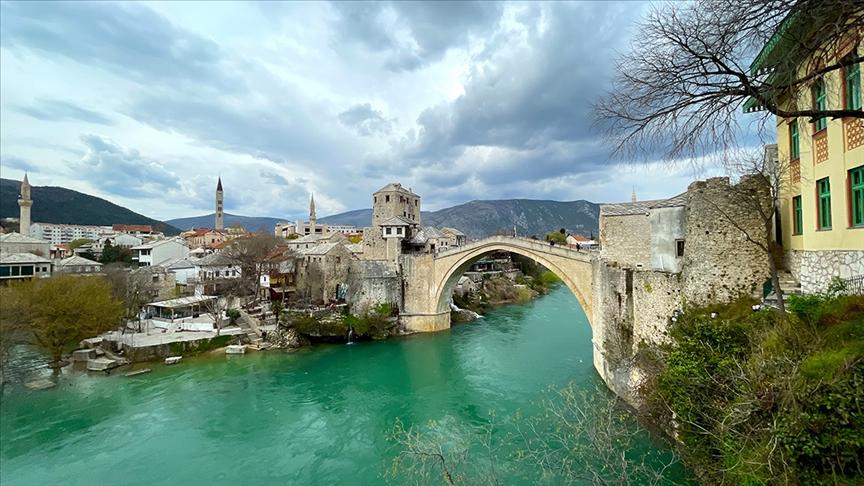
Neretva Nehri (Anadolu Ajansı)
Bosnia and Herzegovina possesses a rich hydrological basin. The Sava and Neretva rivers constitute the country’s most important river systems. The Sava River forms a natural boundary in the north, while the Neretva River is the most significant waterway flowing into the sea in the south.【48】
Two distinct climate types prevail in the country, varying by geographic region. In the Bosna region in the north, a typical Balkan (continental) climate is observed, with cold winters and hot summers. The Herzegovina region in the south is influenced by the Mediterranean climate due to its proximity to the Dalmatian coast.【49】 This climatic diversity has enabled the development of Mediterranean vegetation (olives, viticulture) in the south and dense forests in the north.
Bosnia and Herzegovina possesses significant mineral deposits, extensive forested areas and substantial hydropower potential. In this regard, it is one of the richest countries in the Balkans in terms of renewable energy. The country’s total hydropower potential is estimated at approximately 22,050 GWh.【50】
A significant portion of the country’s energy supply is provided by hydroelectric power plants built along river systems. However, the energy infrastructure faces challenges such as environmental pollution and global warming during its transition from fossil fuels to renewable sources.【51】 The transportation infrastructure largely relies on road networks that traverse mountainous terrain and follow river valleys.
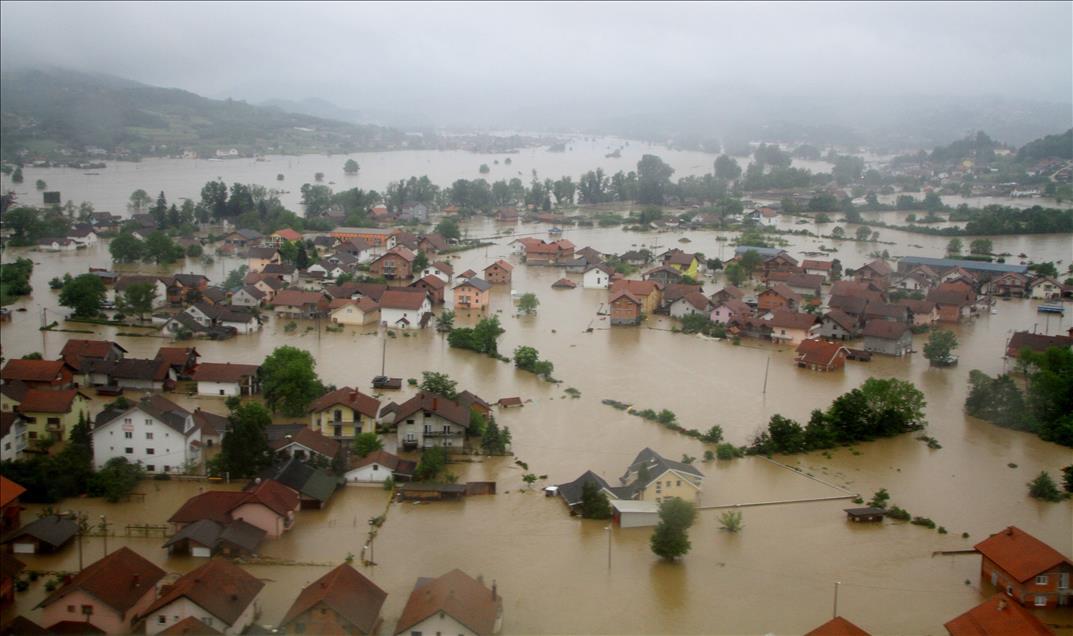
Bosna Hersek de Sel Felaketi(AA)
The effects of climate change in the country manifest as floods and wildfires. In this context, international cooperation projects are being implemented to enhance disaster management and climate change mitigation capacity.【52】 Additionally, plastic and waste accumulation on major river surfaces such as the Drina River signals a serious ecological crisis.【53】
The country’s historical economic structure developed around the Ottoman-era timar system, animal husbandry and sheep farming, mining activities, and guild and artisan organizations in urban centers. Sericulture, jewelry-making and small-scale industries held significant roles in Bosnia and Herzegovina’s traditional commercial life.
The Bosnia and Herzegovina economy has been shaped by the strong industrial legacy inherited from the Socialist Federal Republic of Yugoslavia, the structural damage caused by the war in the 1990s, and the subsequent transition to a market economy. The production structure, which was previously concentrated in high-value-added sectors such as metal processing, machinery manufacturing, chemicals and wood processing before the war, has since shifted to lower-value-added areas such as food processing and basic metals.【54】
Today, the country is pursuing a reform agenda aimed at European Union (EU) integration and exhibits a structure with growth potential in the services, energy and tourism sectors.【55】
Bosnia and Herzegovina is an upper-middle-income transition economy. The country’s currency is the Convertible Mark (BAM), pegged to the euro.
The Central Bank of Bosnia and Herzegovina (CBBH) ensures price stability within the currency board regime and maintains the stability of the local currency against the euro. Despite administrative barriers stemming from the country’s complex political structure, the economy has shown signs of recovery in recent years; models of cooperation such as the Nordic model have been subjects of academic discussion for enhancing regional prosperity.【63】
The country’s economy exhibits a balanced distribution between a well-established industrial tradition and a growing services sector.
The agricultural sector holds strategic importance due to the favorable conditions of the country’s land and climate. During the former Yugoslavia period, 85% of agricultural land was operated by the private sector. Today, although agriculture’s share of GDP is limited, it plays a critical role in employment.【64】 Key products include fruits, vegetables, wheat and maize; beef and dairy products have high export potential.【65】 Additionally, due to its rich forest resources, the wood processing and furniture industry constitutes one of the country’s most competitive sectors.
Industrial production in Bosnia and Herzegovina is concentrated in metal and metal processing, automotive components and textile sectors. The metal sector includes aluminum and steel production, one of the country’s largest export items. The automotive industry, with a long history, hosts facilities supplying parts to major European manufacturers. Industrial facilities are primarily clustered in centers such as Sarajevo, Banja Luka, Zenica and Tuzla.【66】
The services sector, which constitutes the largest share of the economy; is developing in banking, telecommunications and tourism. The financial system is largely dominated by foreign-capital banks and is considered one of the most stable structures in the region.【67】 The tourism sector is rapidly growing, focused on cultural heritage and nature tourism, and generating foreign exchange earnings.
Bosnia and Herzegovina is a country pursuing an export-led growth strategy and conducts the majority of its foreign trade with the EU and regional countries.
The country offers various incentives such as tax exemptions and free zones to attract foreign direct investment (FDI). Investments are primarily directed toward production, banking and trade sectors.
The population of Bosnia and Herzegovina exhibits a pluralistic structure shaped by the coexistence of different religious and ethnic groups throughout history. The country’s social fabric has been formed through historical migration movements, the demographic impacts of the war in the 1990s, and the administrative arrangements established by the Dayton Peace Agreement.
Today, the country not only possesses one of the most complex socio-political structures in the Balkans but also faces fundamental demographic challenges such as intense outward migration and population aging.【73】
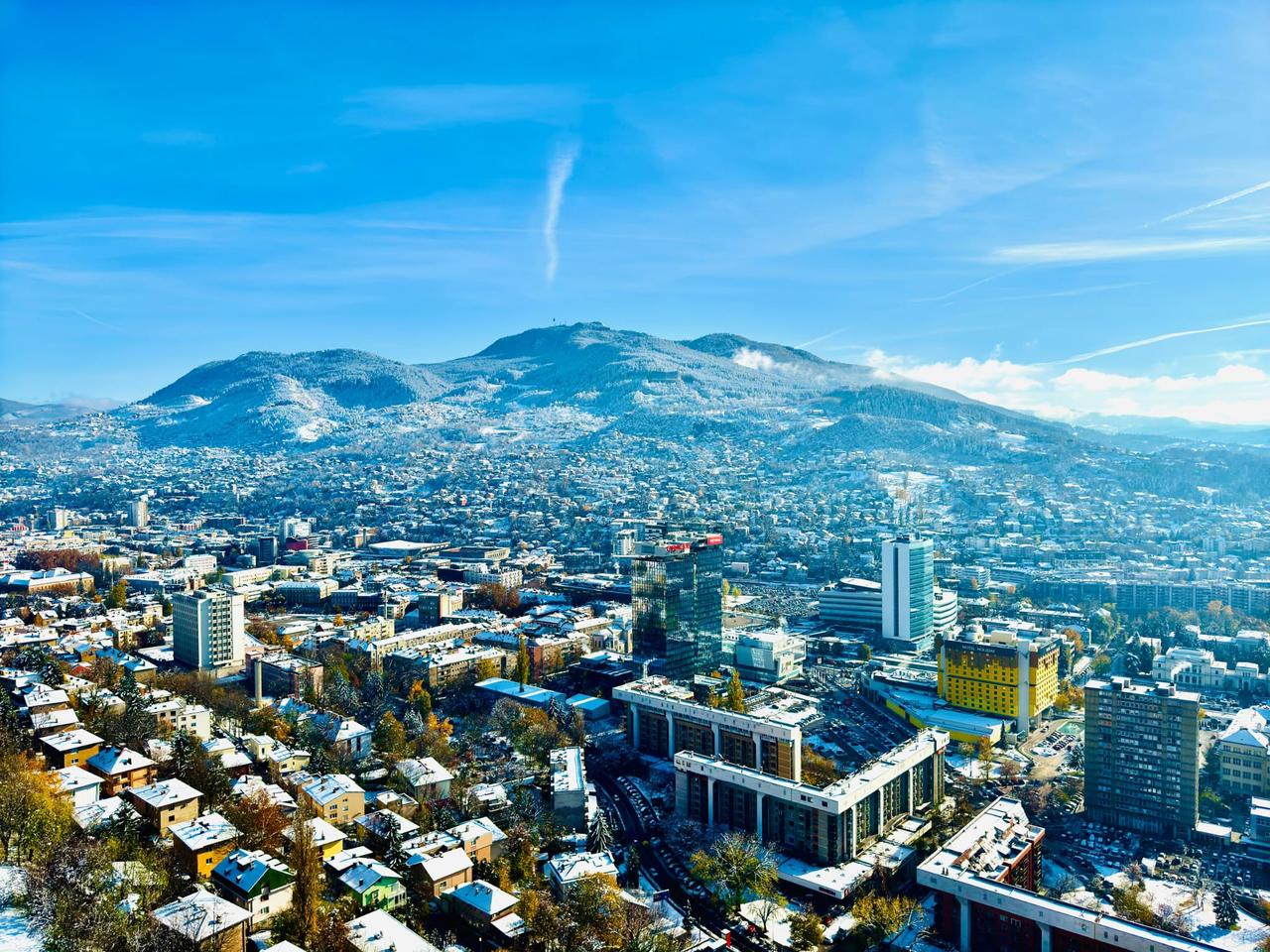
Saraybosna (Emirhan Polat)
According to the 2013 census, the first official population count conducted in Bosnia and Herzegovina since 1991, the country’s population is 3,531,159. However, current projections indicate a significant decline; according to World Health Organization (WHO) data from 2023, the population has decreased to 3,185,073. The population growth rate is negative at -0.62%, and it is projected that by 2050 the population will decline by 23% to around 2.4 million. Regarding gender distribution, women constitute 50.94% of the population and men 49.06%.【74】
The three main ethnic groups recognized by the constitution as "constituent peoples" form the foundation of the demographic structure. According to recent data, Bosniaks constitute 50.11% of the population, Serbs 30.78%, and Croats 15.43%. The remaining 3.68% consists of other minority groups.【76】
Historically, Bosniak identity gained political representation through the religious identity of "Muslim" as defined in the 1991 census; today, this structure has been consolidated under the Bosniak national identity.【77】 The origins of the Bosniaks and their process of Islamization remain subjects of academic research within the framework of the "Bogomilism" legend and the social transformations during the Ottoman period.
Bosnia and Herzegovina, with its capital Sarajevo featuring mosques, churches and synagogues side by side, is described as "Europe’s Jerusalem" due to its multi-religious character. 50.7% of the population adheres to Islam, making it the most widespread religion in the country.【78】 The remainder is predominantly composed of Serbian Orthodox and Catholic Christian groups. Religious institutions, which faced restrictions under different regimes after the Ottoman period, continue to maintain their social presence under constitutional guarantees in the 21st century.【79】
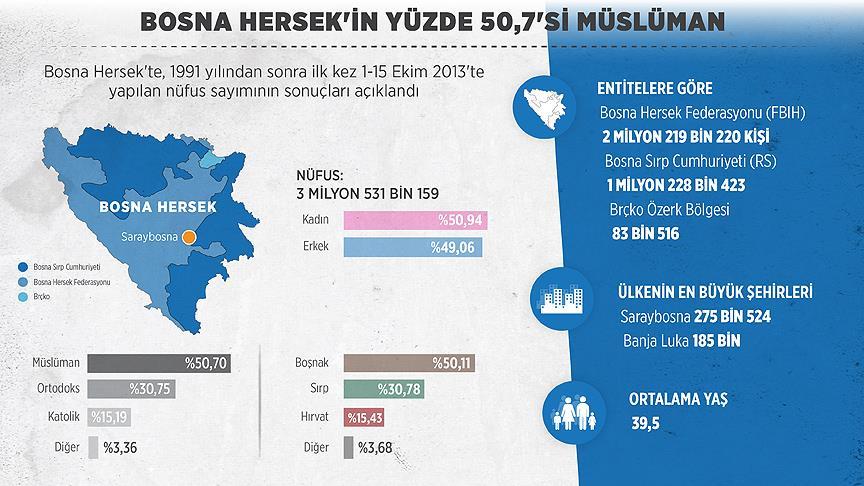
Bosna Hersek de Müslüman Oranı(Anadolu Ajansı)
Despite its development potential and competitive labor costs, Bosnia and Herzegovina is among the countries losing population due to intense outward migration. Particularly, the emigration of educated youth for economic reasons to European countries contributes to population aging and labor market gaps.【80】 Migration, combined with the social memory of the war, is considered a key factor affecting the country’s demographic sustainability.
Bosnia and Herzegovina’s education system exhibits a decentralized model parallel to the country’s complex administrative structure. Educational authority is distributed among 12 separate administrative units: 10 cantons within the Federation of Bosnia and Herzegovina, the Republika Srpska, and the Brčko District. Each unit has its own ministry of education, legislation and budget, and determines its own educational policies.【81】 There is no centralized common entrance examination for higher education nationwide; universities conduct their own admission exams according to their own policies.
In Bosnia and Herzegovina, religious education during the pre-school stage is included within legal frameworks and curricula. Particularly, Islamic religious education curricula are implemented at the cantonal level using pedagogical approaches aimed at children’s moral and social development.【82】 These programs play a role in transmitting belief values and preserving cultural heritage.
International organizations play an active role in modernizing Bosnia and Herzegovina’s educational infrastructure. The Turkish Cooperation and Coordination Agency (TİKA) has implemented numerous projects since 1995 to improve school buildings and technical infrastructure to enhance educational quality.【83】 Additionally, institutions such as the Sarajevo Maarif Schools provide education at kindergarten, primary and secondary levels in Bosnian, English and Turkish, contributing to the country’s educational quality.【84】
Bosnia and Herzegovina’s culture exhibits a multi-layered structure formed by the interaction of different civilizations, religions and ethnic groups that have historically inhabited the Balkan region. The country serves as a cultural bridge between Christian Europe and Muslim East; this synthesis is felt in every field, from architecture and literature to culinary culture and daily life. Today, Bosnia and Herzegovina is both a cultural center rich in cultural heritage and an international tourist destination known for its natural beauty and war memory sites.【85】
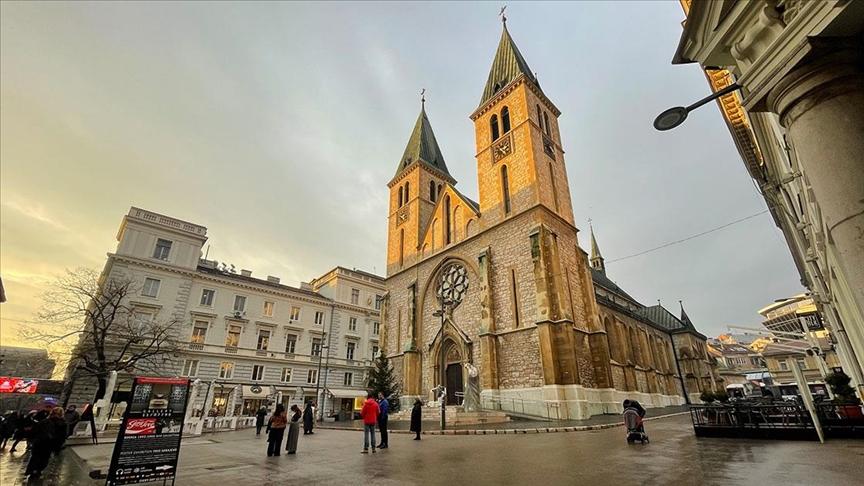
Kutsal Kalp Katedrali(Anadolu Ajansı)
Bosnia and Herzegovina’s cultural identity has been built upon the shared living practices developed over time by Muslim Bosniaks, Orthodox Serbs and Catholic Croats. Particularly, the Ottoman rule beginning in 1463 left lasting imprints on the region’s social fabric and created a unique structure based on East-West interaction.【86】 In cities such as the capital Sarajevo, the close proximity of mosques, churches and synagogues is recognized as a fundamental symbol of the country’s multicultural heritage.
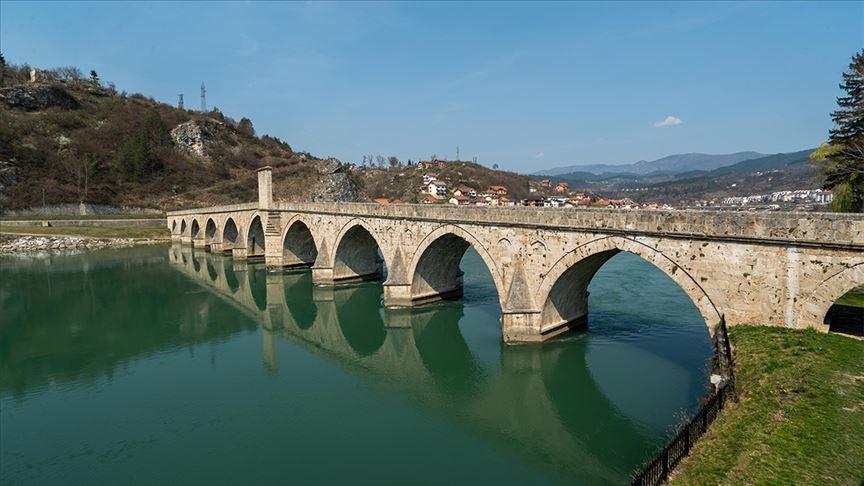
Sokullu Mehmed Paşa Köprüs (Anadolu Ajansı)
Over four centuries of Ottoman rule, Bosnia was adorned with architectural and engineering marvels. The Mostar Bridge (1566), built by Hayreddin, a student of Mimar Sinan, and the Sokollu Mehmed Pasha Bridge in Višegrad (1577), designed by Mimar Sinan himself, are the strongest symbols of the region’s architectural identity.【87】 The guild (esnaf) system and dervish tekkes in cities played a key role in spreading Islamic culture and forming a unique "Balkan-Ottoman" identity. The process of Islamization was gradual and voluntary, as the local population, previously adhering to the Bogomil sect, embraced Islam to escape Catholic pressure and benefited from the social opportunities provided by Ottoman town planning.
Bosniak literature has continuously evolved through interaction with Eastern and Western languages throughout history. During the Ottoman period, many Bosniak authors contributed to classical literature through works in Turkish, Arabic and Persian.【88】 In the modern era, national identity, social transformations and war experiences have become central themes in literature. Meša Selimović’s novel Dervish and Death and the poetry of Izzet Sarajlić are internationally recognized as important examples of Bosnia and Herzegovina’s literature.【89】
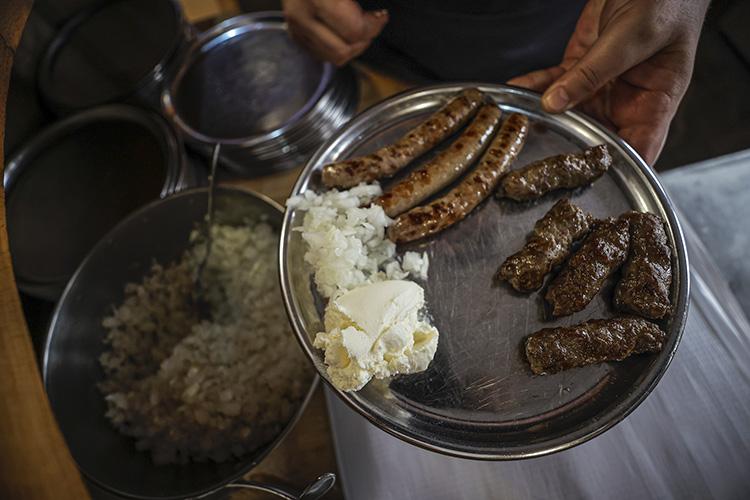
Çevapi Köftesi (Bosna Kebabı) (Anadolu Ajansı)
Bosnian cuisine features rich diversity shaped primarily by Ottoman gastronomy. Meat and pastry dishes form the foundation of the cuisine; the most well-known delicacies are "ćevapi" (Bosnian kebab), "pita" (various types of pies), and "bey čorba," a vegetable-based meat soup.【90】 In the dessert culture, baklava and "trileçe," made with three types of milk, stand out. Additionally, Bosnian coffee, with its traditional serving methods, continues to be a symbol of social life and hospitality.
Religious and cultural traditions that have continued for centuries play an important role in preserving social identity. The "Ajvatovica" festival, held for over 500 years in honor of Ayvaz Dede of Akhisar, is one of the greatest expressions of Bosniak attachment to tradition.【91】 One unique practice reflecting religious diversity in social life is funeral announcements, which are issued in green for Muslims and black for Christians, according to the deceased’s faith.【92】 Additionally, birth, marriage and death rituals are preserved in rural areas by blending with local beliefs.
The bridge in the city of Mostar, built in the 16th century over the Neretva River, is the city’s symbol. Constructed by the architect Hayreddin, a student of Mimar Sinan, between 1557 and 1566, the bridge is 30 meters long and 4 meters wide.【93】 Built with advanced technology for its time, the structure gave its name to the city and revitalized regional trade. The bridge, destroyed during the war in 1993, was reconstructed in 2004 according to its original design.【94】 Listed as a UNESCO World Heritage Site, the structure has long been regarded as a symbol of tolerance and cultural diversity.【95】 The bridge is also a traditional site for a ceremony in which young men jump into the river to prove their courage.
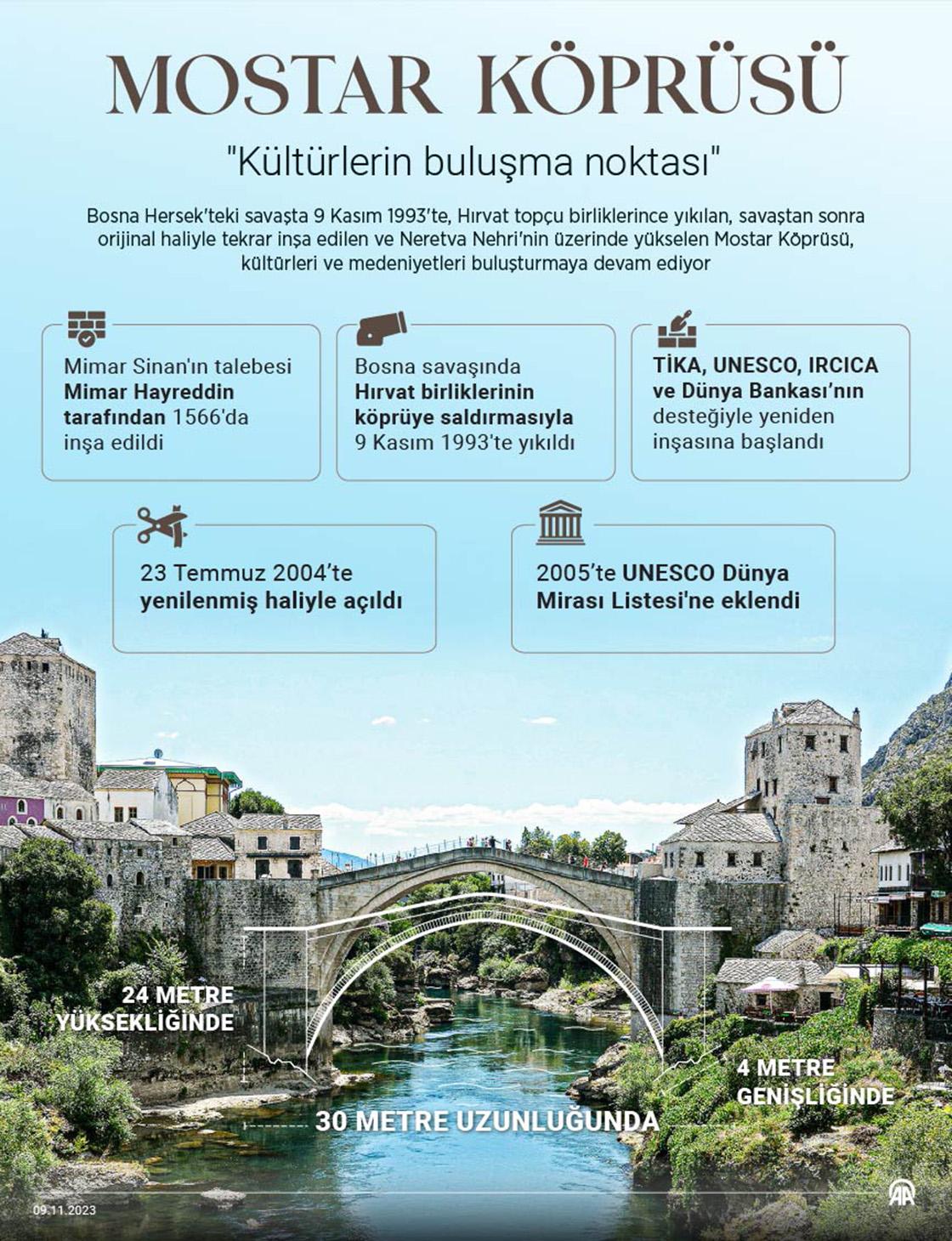
Mostar Köprüsü İnfografiği (AA)
Bosnia and Herzegovina’s tourism sector has shown steady growth over the past decade due to its geographic location, historical richness and competitive pricing policies.【96】 In addition to cultural tourism, thermal spring-based health tourism, winter tourism at ski resorts, and adventure tourism along river systems are developing. To promote digitalization and increase promotional activities, international tourism fairs are held in Sarajevo.【97】
The country’s main tourist centers are located where historical structures meet natural beauty.
Bosnia and Herzegovina’s foreign policy is shaped around the principles of national sovereignty, territorial integrity and the protection of its multi-ethnic social structure. The country has adopted as its primary strategic goal integration with European and Atlantic institutions (EU and NATO) and follows a diplomatic approach based on international law and multilateral cooperation.【99】 However, the country’s complex administrative structure and disagreements between entities directly affect foreign policy formulation processes and the implementation capacity of security strategies.
The 1992 decision to secede from Yugoslavia triggered one of the most destructive regional conflicts in Europe since the Second World War. During this period, the independence struggle led by Alija Izetbegović sought to establish a diplomatic presence amid the hegemonic ambitions of global power blocs.【100】 International community interventions and humanitarian efforts during the war played a foundational role in the country’s foreign relations.
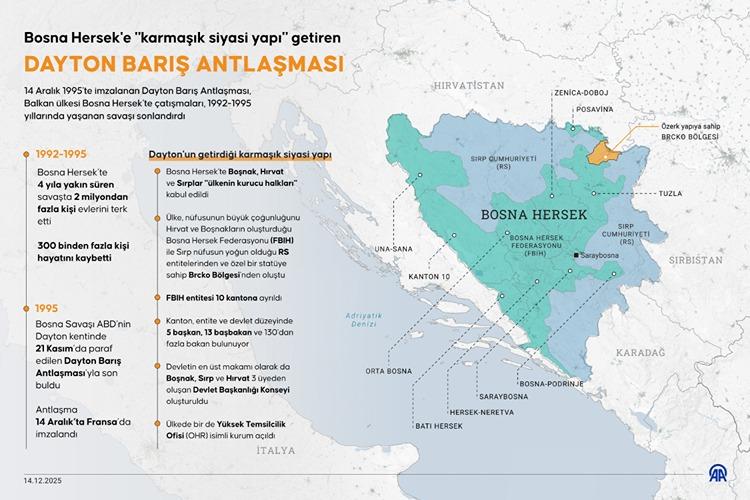
Dayton Barış Antlaşması İnfografiği(AA)
The Dayton Peace Agreement, signed in 1995, ended the war and simultaneously defined the country’s constitutional and administrative framework.【101】 In the post-Dayton period, foreign policy followed a course focused on sustaining peace and strengthening central state institutions. However, the fragmented power structure introduced by Dayton has sometimes led to a "state crisis," making it difficult for the state to present a unified stance internationally.【102】
The secessionist initiative launched by the Republika Srpska administration in early 2025, by declaring a new constitution, is considered the most serious threat to the country’s territorial integrity.【103】 These political tensions have created an unstable environment, including the temporary closure of symbolic sites such as the Srebrenica Memorial Center on security grounds in March 2025.【104】
Security concerns regarding foreign elements and the spread of radical ideologies in the country after the war remain another critical issue, particularly discussed along religious identity lines. The need for reform in the security sector continues to be important for maintaining regional stability.
EU membership is Bosnia and Herzegovina’s top foreign policy priority. Following its formal application in 2016, the country gained candidate status in December 2022 and, in March 2024, received a decision to begin accession negotiations, crossing a significant milestone in its integration process.【105】
The United States is the principal architect of the Dayton Agreement and one of the strongest defenders of the country’s sovereignty. Bilateral relations focus on strategic areas such as security cooperation, support for democratic reforms and combating corruption.
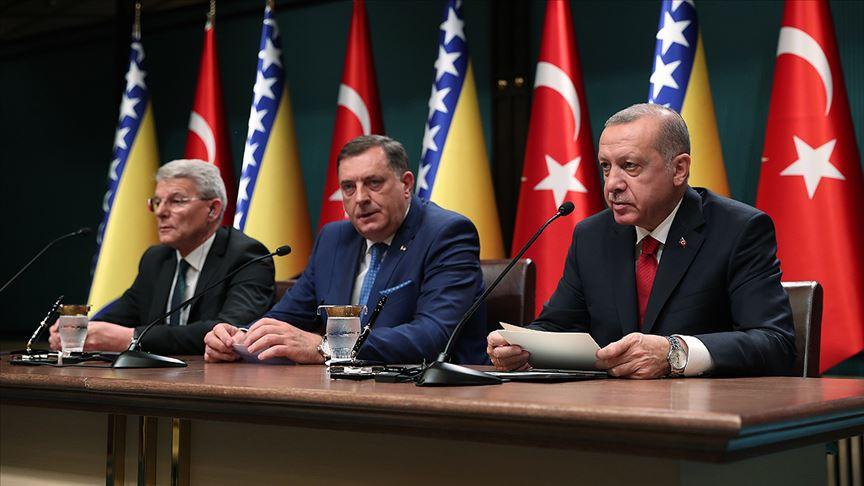
Bosna Hersek ve Türkiye İlişkiler (Anadolu Ajansı)
Turkey is one of the most important regional actors supporting Bosnia and Herzegovina’s sovereignty and multi-ethnic structure. Turkey, described by Bosnian-Herzegovinian officials as a "superpower," contributes to regional peace both bilaterally and through trilateral consultation mechanisms with neighboring countries. Economic relations have been legally grounded through Free Trade Agreements signed in 2002 and 2019.【106】
Relations with Azerbaijan reflect a parallelism developed through both countries’ recent struggles for territorial integrity and similar political processes.
Bosnia and Herzegovina is an active member of numerous global and regional organizations, in accordance with respect for international law and the principle of multilateralism.
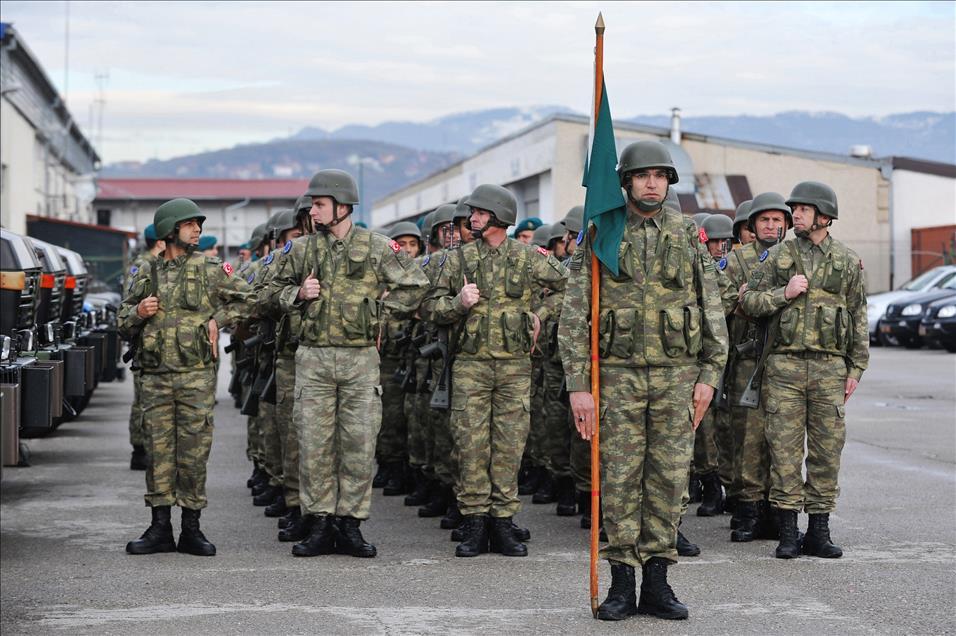
Bosna Hersek Ordusu (Anadolu Ajansı)
Bosnia and Herzegovina’s military structure was shaped by comprehensive defense reforms following the 1992–1995 war. The Armed Forces of Bosnia and Herzegovina (OSBiH), established in 2005 by unifying the different military formations that had opposed each other during the war, is now a professional force responsible for safeguarding the country’s sovereignty and territorial integrity.【108】 The country has adopted as its core military doctrine compliance with NATO standards and contributing to international peacekeeping operations.【109】
The Armed Forces of Bosnia and Herzegovina acquired a professional identity through the process of strengthening central state institutions after the Dayton Peace Agreement, by dissolving entity-level armies and integrating them into a centralized command structure. The military reinforces its institutional unity and social role annually on 1 December, commemorated as "Armed Forces Day."【110】
The operational capacity of
"Nutrition and Food Culture in Bosnia and Herzegovina." Accessed April 21, 2026.
Aksoy, Ömer. "Türk Kültür Ekolojisi ve Boşnak Edebiyatının Türk Edebiyatı İle Olan Münasebetleri Meselesi." TÜRÜK Uluslararası Dil, Edebiyat ve Halkbilimi Araştırmaları Dergisi 8, no. 23 (2020): 107-115. Accessed April 21, 2026.http://www.turukdergisi.com/Makaleler/2032828838_15.Do%c3%a7.Dr.%c3%96.Aksoy%20107-115.pdf
Albayrak, Kadir. "Boşnakların Kökeni ve Müslümanlaşması Meselesine Bir Bakış." *İlahiyat Araştırmaları Dergisi*, (2018): 1-15. Accessed April 21, 2026.https://isamveri.org/pdfdrg/D01353/2006_42/2006_42_ALBAYRAKK.pdf
Ambaroğlu, Ayşe. "Bosna'da Dini Çoğulculuk." *Turkish Academic Research Review* 4, no. 1 (2019): 195-206. Accessed April 21, 2026.https://dergipark.org.tr/tr/pub/tarr/article/506358
Anadolu Ajansı (AA). "'Bağımsız' Bosna Hersek'in ilk altın zambaklı bayrağı Tarih Müzesi'nde sergileniyor." Accessed May 1, 2026.https://www.aa.com.tr/tr/kultur/bagimsiz-bosna-hersekin-ilk-altin-zambakli-bayragi-tarih-muzesinde-sergileniyor/3151960
Anadolu Ajansı (AA). "'Independent' Bosnia and Herzegovina's First Golden Lily Flag Exhibited at the History Museum." March 1, 2024. Accessed April 21, 2026.
Anadolu Ajansı (AA). "'Osmanlı'nın Saraybosna'daki mührü: Gazi Hüsrev Bey Camisi." Accessed May 2, 2026.
Anadolu Ajansı (AA). "50.7 Percent of Bosnia and Herzegovina Is Muslim." June 30, 2016. Accessed April 21, 2026.
Anadolu Ajansı (AA). "506-Year-Old Tradition in Bosnia and Herzegovina." May 28, 2016. Accessed April 21, 2026.
Anadolu Ajansı (AA). "Bosnia and Herzegovina Minister of Foreign Affairs Konakovic: Turkey Is a Superpower." January 26, 2026. Accessed April 21, 2026.
Anadolu Ajansı (AA). "Ceremony Held for Armed Forces Day in Bosnia and Herzegovina." December 1, 2015. Accessed April 21, 2026.
Anadolu Ajansı (AA). "International Tourism Fair Begins in Sarajevo, Capital of Bosnia and Herzegovina." September 25, 2025. Accessed April 21, 2026.
Anadolu Ajansı (AA). "Southern Bosnia and Herzegovina Enchants with Its Historical and Natural Beauties." August 3, 2018. Accessed April 21, 2026.
Anadolu Ajansı (AA). "Srebrenica Memorial Center Closed to Visitors Due to Security Concerns in Bosnia and Herzegovina." March 7, 2025. Accessed April 21, 2026.
Anadolu Ajansı (AA). "Three Colors of Death in Bosnia and Herzegovina." February 11, 2017. Accessed April 21, 2026.
Anadolu Ajansı (AA). "Turkey's 20-Year Pride in Bosnia." May 17, 2013. Accessed April 21, 2026.
Anadolu Ajansı. "'Independent' Bosnia and Herzegovina's First Golden Lily Flag Exhibited at the History Museum." March 1, 2024. Accessed April 20, 2026.
Anadolu Ajansı. "Bağımsız Bosna Hersek 34 yaşında." Accessed April 21, 2026.https://m.aa.com.tr/tr/dunya/bagimsiz-bosna-hersek-34-yasinda/3842810
Anadolu Ajansı. "Bosnia and Herzegovina." Country Profiles. September 5, 2017. Accessed April 19, 2026.
Anadolu Ajansı. "The Drina River in Bosnia and Herzegovina Sends an Ecological Disaster Signal Due to Garbage and Plastic Waste on Its Surface." January 15, 2024. Accessed April 19, 2026.
Aruçi, Muhammed. "Mostar Köprüsü." TDV İslâm Ansiklopedisi. Accessed April 21, 2026.
Atayeter, Yıldırım, Tuncay Sakar, and Mustafa Arslan. "Ottoman Archives Maps of Bosnia: An Evaluation from Historical and Cartographic Perspectives." Akademik Bakış. Accessed April 19, 2026.
Cartwright, Mark. "Assassination of Archduke Franz Ferdinand: The Road to World War I." Trans. Şüheda Bulut. World History Encyclopedia. October 16, 2025. Accessed April 19, 2026.
DEİK. "Target: $1 Billion in Trade and Investment with Bosnia and Herzegovina." April 7, 2016. Accessed April 20, 2026.
Dağcı, Gül Tuba, and Adnan Dal. "The Independence Process of Bosnia-Herzegovina After the Cold War and Alija Izetbegović." YIL 6, no. 11 (2013): 129-152. Accessed April 21, 2026.
Demir, Hasan Onur. "Kitap Değerlendirme: Bosna-Hersek'te Savaş: Güvenlikleştirme ve Siyasi Liderler". Balkan Araştırma Enstitüsü Dergisi 12, no. 2 (2023): 587-593. Accessed April 21, 2026.
Djurdjev, Branislav. "Bosna-Hersek." TDV İslâm Ansiklopedisi. Accessed April 19, 2026.
Euronews. "Bosnia renews efforts to find lyrics for its national anthem." April 7, 2018. Accessed April 21, 2026.
Fondacija Alija Izetbegović. "Bosna Hersek Cumhuriyeti zambaklı bayrağı nasıl yaratıldı." May 20, 2020. Accessed April 21, 2026.
Güven, İbrahim Fevzi. "Bosna Hersek'te Yabancı Savaşçılar ve Radikalleşme Ekseninde Güvenlik Tartışmaları". Karabük Üniversitesi İktisadi ve İdari Bilimler Fakültesi Dergisi 5, no. 1 (2025): 111-132. Accessed April 21, 2026.
Güven, İbrahim Fevzi. "Sosyal İnşacılık Perspektifinden Azerbaycan-Bosna Hersek İlişkileri". Uluslararası İdil - Ural ve Türkistan Araştırmaları Dergisi (IJVUTS), (2026). Accessed April 21, 2026.
Gıda Tarım ve Hayvancılık Bakanlığı. Bosna-Hersek Dış Pazar Çalışması. Ankara: Avrupa Birliği ve Dış İlişkiler Genel Müdürlüğü, 2017. Accessed April 20, 2026.
Harşıt, Hata Trako. "Bosna Hersek'te Geçiş Dönemlerinde Yaşayan Âdet, İnanış ve Uygulamalar." Master's thesis, 2023. Accessed April 21, 2026.https://acikerisim.omu.edu.tr/entities/publication/e849cc95-a997-4616-8ae1-b0c04cd21f1a
Ibrisimovic, Kenan. "Osmanlı Devleti Öncesi Hersek'in Kısa Tarihi." (2018): 149–162. Accessed May 2, 2026.https://dergipark.org.tr/tr/pub/baid/article/723387
Imamović, Elvedin. "Bosna Hersek'te Hristiyanlık ve Günümüzdeki Durumu." Master's thesis,Uludağ Üniversitesi Institute of Social Sciences, Bursa, 2017. Accessed April 21, 2026.https://acikerisim.uludag.edu.tr/entities/publication/14d46faa-8bc6-4be6-8180-cea5c70107ea
Kapıkıran, Atakan. "Bosna Hersek Milli Marşı." YouTube, 1:29. August 4, 2015. Accessed May 2, 2026.
Kaya, Fahri. "Boşnak Edebiyatı I". Sesler, no. 289, 156-170. Accessed April 21, 2026.
Kodal, Tahir. "Bosna-Hersek’in Bağımsızlığını Kazanması ve Türkiye (1990–1992)." Atatürk Araştırma Merkezi Dergisi 34, no. 98 (2018): 401–430. Accessed April 19, 2026.
Kul, Eyüp. "Bosna Eyaleti'nde Askeri ve Sosyal Alanda Yapılan Faaliyetler (1700-1715)". Türkiyat Mecmuası 28, no. 2 (2018): 111-136. Accessed April 21, 2026.
Kuyucuklu, Nazif. "Bosna-Hersek ve Ekonomik Kaynakları." İ.Ü. Siyasal Bilgiler Fakültesi Dergisi, no. 6 (1994): 23–40. Accessed April 20, 2026.
Küçükkurtaran, Sevtap. "Bosna Hersek’te Beslenme ve Yemek Kültürü." Sunum Planı, Ondokuz Mayıs Üniversitesi Akademik Veri Yönetim Sistemi. Accessed April 20, 2026.
Loklar, Behçet. "Gazi Hüsrev Bey'in Bosna-Hersek Tarihindeki Rolü ve Önemi Sempozyumu'nun Ardından." *OTAM* 50 (2021): 239–243. Accessed May 2, 2026.
Mazı, Yunus. "Bosna-Hersek’te Yükselen Gerilim." Türkiye Araştırmaları Vakfı, April 4, 2025. Accessed April 20, 2026.
Ministry of Foreign Affairs of the Republic of Turkey. "Bosnia-Herzegovina Country Profile." Accessed April 21, 2026.
NATO. "Bosna Hersek ile İlişkiler." December 9, 2025. Accessed April 21, 2026.
NATO. "Bosna-Hersek'te barışı destekleme operasyonları (1995-2004)." March 21, 2024. Accessed April 21, 2026.
National Anthems Channe. "Bosnia and Herzegovina National Anthem (Instrumental)." YouTube, Accessed May 12, 2026.
OECD. "Assessing Bosnia and Herzegovina’s Reform Agenda for Private Sector Development." Accessed April 20, 2026.
OECD. "Bosna-Hersek’te Özel Sektörün Gelişimini Güçlendirmek için Ekonomik Reformların Desteklenmesi." March 13, 2026. Accessed April 20, 2026.
Office of the High Representative (OHR). "Decision imposing the Law on the National Anthem of BiH." June 25, 1999. Accessed April 21, 2026.
Omerdic, Samed. "21. Asırda Bosna Hersek'te İslamî Gündem." İlahiyat Araştırmaları Dergisi, no. 9 (2018): 115-134. Accessed April 21, 2026.
Poriç, İndira. "Bosna Sorununun Günümüzdeki Durumu ve Değerlendirilmesi." Master's thesis, İstanbul Üniversitesi Sosyal Bilimler Enstitüsü, İstanbul, 2012. Accessed April 21, 2026.
Poriç, İndira. "Bosna Sorununun Günümüzdeki Durumu ve Değerlendirilmesi." Master's thesis,İstanbul Üniversitesi Institute of Social Sciences, İstanbul, 2012. Accessed April 21, 2026.https://nek.istanbul.edu.tr/ekos/TEZ/49047.pdf
Saraybosna Maarif Okulları. "Saraybosna Maarif Okulları Eğitim Alanı." Accessed April 21, 2026.
Sher, Farooq, et al. “Prospects of Renewable Energy Potentials and Development in Bosnia and Herzegovina: A Review.” Renewable and Sustainable Energy Reviews 189 (2024): 1–15. Accessed April 19, 2026.https://www.sciencedirect.com/science/article/pii/S1364032123007876
Sirkeci, Merve Battal, and Muharrem Gürkaynak. "Bosna-Hersek'te Demokrasi ve Barış: 2022 Seçimleri Üzerinden Bir Değerlendirme." Stratejik ve Sosyal Araştırmalar Dergisi 8, no. 1 (2024): 111-131. Accessed April 21, 2026.
Srebrenica Memorial Center, "The Bosnian War: A Brief Overview". Accessed May 2, 2026.https://srebrenicamemorial.org/en
T.C. Cumhurbaşkanlığı İletişim Başkanlığı. "Bosna Hersek'e Türk İHA'ları: Askerî yardımdan daha fazlası." April 17, 2025. Accessed April 21, 2026.
T.C. Dışişleri Bakanlığı Avrupa Birliği Başkanlığı. "Bosna Hersek." March 13, 2024. Accessed April 21, 2026.
T.C. Dışişleri Bakanlığı. "Bosna-Hersek'in Siyasi Görünümü." Accessed April 21, 2026.
T.C. Dışişleri Bakanlığı. "Bosna-Hersek’e Seyahat Edecek Türk Vatandaşlarının Dikkatine." Accessed April 20, 2026.
T.C. Dışişleri Bakanlığı. "Bosna-Hersek’in Ekonomisi (2020)." Accessed April 20, 2026.
T.C. Dışişleri Bakanlığı. "Türkiye-Bosna-Hersek İlişkileri." Accessed April 21, 2026.
T.C. Millî Eğitim Bakanlığı. "Bosna Hersek'te Eğitim Sistemi." September 29, 2023. Accessed April 21, 2026.
T.C. Mostar Başkonsolosluğu. "Mostar ve Mostar Civarında Bulunan Tarihi Eserler." Accessed April 21, 2026.
T.C. Saraybosna Büyükelçiliği Ticaret Müşavirliği. "Bosna Hersek'te Turizm Sektörü." May 2022. Accessed April 21, 2026.
T.C. Ticaret Bakanlığı. Bosna Hersek Ülke Profili. Ankara: Uluslararası Anlaşmalar ve AB Genel Müdürlüğü, 2025. Accessed April 20, 2026.
Tansel, Selahattin. "Bosna'nın Zaptı ve Hersek'in Tâbiyet Altına Alınması." Türk Tarih Kurumu, Accessed May 2, 2026.https://ttk.gov.tr/bosnanin-zapti-ve-hersekin-tabiyet-altina-alinmasi/
Tekin, Cemile. "Bosna-Hersek’in Bölgesel Sorunlarının Çözümü: İskandinav Modeli." Uluslararası İktisadi ve İdari İncelemeler Dergisi, no. 46 (2025): 135–150. Accessed April 20, 2026.
Turhan, Fatma Sel. "Bosna-Hersek'teki Osmanlı Tarihi Çalışmaları." *Türkiye Araştırmaları Literatür Dergisi* 8, no. 15 (2010): 231–244. Accessed May 2, 2026.https://dergipark.org.tr/tr/pub/talid/article/529528
Türkeş, Mustafa and Şadan İnan Rüma. "Kriz Sarmalında Bosna-Hersek: Devlet Krizi". Boğaziçi Üniversitesi-TÜSİAD Dış Politika Forumu, 2012. Accessed April 21, 2026.https://www.academia.edu/2483167/Kriz_Sarmal%C4%B1nda_Bosna_Hersek_Devlet_Krizi_
TİKA. "TİKA Bosna Hersek'te Eğitim Altyapılarına Desteğini Sürdürüyor." January 3, 2018. Accessed April 21, 2026.
TİKA. "TİKA İklim Eylem Programı ile Bosna Hersek’in İklim Değişikliğiyle Mücadele Kapasitesi Artıyor." July 7, 2025. Accessed April 19, 2026.
WHO Data. "Bosnia and Herzegovina Health data overview." Accessed April 21, 2026.
Yavuz Alkılınç, Sümeyye. "Bosna Hersek'te Okul Öncesi İslam Din Eğitimi Müfredatı Hakkında Kısa Bir Çalışma." Sosyal ve Kültürel Araştırmalar Dergisi 10, no. 20 (2024): 127-137. Accessed April 21, 2026.
Yazıcı, İdil Gülnihal. "Dayton Barış Antlaşması'nın Günümüzde Bosna-Hersek'te Demokratikleşme Sürecine Etkisi." *Uluslararası Yönetim Akademisi Dergisi* 1, no. 1 (2018): 98. Accessed May 17, 2026.https://dergipark.org.tr/tr/download/article-file/464261
Yüksel, Ceyhun. "Bosna - Hersek Mutfağı." Türkiye Turizm Ansiklopedisi, 2019. Accessed April 21, 2026.
dwabyick (David Wabyick). "The Old Library, Sarajevo." Flickr, April 13, 2004. Accessed May 2, 2026.
Öz Yıldız, Seda. "Mevcut Karmaşadan Muhtemel Kargaşaya: Bosna Hersek Polis Sistemi ve Sorunlar." IJEASS 2, no. 2 (2019): 89-105. Accessed April 21, 2026.
Özcan, Sibel. "Mavi Kelebeğin İzinde Bosna-Hersek." 21. Yüzyıl Türkiye Enstitüsü. Accessed May 17, 2026.https://21yyte.org/balkanlar-ve-kibris-arastirmalari-merkezi/mavi-kelebegin-izinde-bosna-hersek/6223#_edn1
Özder, Adem. "Bosna-Hersek Cumhuriyeti’nde Coğrafyanın Halk Kültürüne Etkisi." Marmara Coğrafya Dergisi, no. 25 (2012): 200–230. Accessed April 19, 2026.
Özer, Çağla, Aslı Albayrak, and Cansu Ağan. "Türkiye'de Yaşayan Boşnaklar ve Mutfak Kültürü Üzerine Bir Araştırma." Trakya Üniversitesi Sosyal Bilimler Dergisi 23, no. 1 (2021): 407-428. Accessed April 21, 2026.
[1]
"Bosnia and Herzegovina," World Bank Open Data, erişim tarihi: 26 Haziran 2026, https://data.worldbank.org/country/bosnia-and-herzegovina
[2]
Branislav Djurdjev, "BOSNA-HERSEK", TDV İslâm Ansiklopedisi, Erişim Tarihi: 14 Mayıs 2026, https://islamansiklopedisi.org.tr/bosna-hersek
[3]
Lejla Bıogradlıja, "Saraybosna'yı 'inşa eden' Osmanlı: Gazi Hüsrev Bey," Anadolu Ajansı, January 8, 2020.
[4]
Branislav Djurdjev, "BOSNA-HERSEK", TDV İslâm Ansiklopedisi, Erişim Tarihi: 14 Mayıs 2026, https://islamansiklopedisi.org.tr/bosna-hersek
[5]
Office of the High Representative (OHR), "OHR Bulletin 65 – 06 February 1998," OHR Archive, 6 Şubat 1998, Erişim tarihi: 21 Haziran 2026,https://www.ohr.int/ohr_archive/ohr-bulletin-65-06-february-1998/?print=print
[6]
OHR, "OHR Bulletin 65."
[7]
Fondacija Alija Izetbegović, "Bosna Hersek Cumhuriyeti zambaklı bayrağı nasıl yaratıldı", 20 Mayıs 2020, Erişim Tarihi: 1 Mayıs 2026, https://www.alijaizetbegovic.org/tr/bosna-hersek-cumhuriyeti-zambakli-bayragi-nasil-yaratildi/
[8]
Kemal Zorlak and Ahmet Nurduhan, "'Bağımsız' Bosna Hersek'in İlk Altın Zambaklı Bayrağı Tarih Müzesi'nde Sergileniyor," *Anadolu Ajansı*, March 1, 2024,
[9]
Office of the High Representative (OHR), "Decision imposing the Law on the National Anthem of BiH", 25 Haziran 1999, Erişim Tarihi: 20 Nisan 2026, https://www.ohr.int/decision-imposing-the-law-on-the-national-anthem-of-bih/
[10]
Euronews, "Bosnia renews efforts to find lyrics for its national anthem", 7 Şubat 2018, Erişim Tarihi: 20 Nisan 2026, https://www.euronews.com/2018/02/07/bosnia-renews-efforts-to-find-lyrics-for-its-national-anthem
[11]
Euronews, "Bosnia renews efforts to find lyrics for its national anthem", 7 Şubat 2018, Erişim Tarihi: 20 Nisan 2026, https://www.euronews.com/2018/02/07/bosnia-renews-efforts-to-find-lyrics-for-its-national-anthem
[12]
Branislav Djurdjev, "BOSNA-HERSEK", TDV İslâm Ansiklopedisi, s. 296. Erişim Tarihi: 18 Haziran 2026, https://islamansiklopedisi.org.tr/bosna-hersek
[13]
Branislav Djurdjev, "BOSNA-HERSEK", TDV İslâm Ansiklopedisi, s. 296. Erişim Tarihi: 17 Mayıs 2026, https://islamansiklopedisi.org.tr/bosna-hersek
[14]
Branislav Djurdjev, "BOSNA-HERSEK", TDV İslâm Ansiklopedisi, s. 297. Erişim Tarihi: 2 Mayıs 2026, https://islamansiklopedisi.org.tr/bosna-hersek
[15]
Kenan İbrisimovic, "Osmanlı Devleti Öncesi Hersek'in Kısa Tarihi", (2018): 156. Accessed May 2, 2026.
[16]
Selahattin Tansel, "Bosna'nın Zaptı ve Hersek'in Tâbiyet Altına Alınması", Türk Tarih Kurumu, Accessed May 2, 2026.
[17]
Senagül Sözen, "Fatih Dönemi Bosna Hersek Fethi" (Akademik Çalışma, Bolu Abant İzzet Baysal Üniversitesi, 2018),https://www.academia.edu/38914278/FATİH_DÖNEMİ_BOSNA_HERSEK_FETHİ
[18]
Tansel, "Bosna's Capture."
[19]
"Fatih’in Ahidnâmesi: İnsan Hakları Savunmasına Tarihten Anlamlı Örnek," İstanbul Tarih, erişim tarihi: 22 Haziran 2026,https://www.istanbultarih.com/fatih-in-ahidnamesi--insan-haklari-savunmasina-tarihten-anlamli-ornek-262.html
[20]
"Fatih’in Ahidnâmesi."
[21]
Behçet Loklar, "Gazi Hüsrev Bey'in Bosna-Hersek Tarihindeki Rolü ve Önemi Sempozyumu'nun Ardından", *OTAM*, 50 (2021): 239, Accessed May 2, 2026.
[22]
Anadolu Ajansı (AA). “‘Osmanlı'nın Saraybosna'daki mührü: Gazi Hüsrev Bey Camisi’.” Accessed May 2, 2026.
[23]
Anadolu Ajansı. "Saraybosna'yı 'inşa eden' Osmanlı: Gazi Hüsrev Bey." Accessed May 2, 2026.
[24]
Behçet Loklar, "Gazi Hüsrev Bey'in Bosna-Hersek Tarihindeki Rolü ve Önemi Sempozyumu'nun Ardından", *OTAM*, 50 (2021): 240, Accessed May 2, 2026.
[25]
Hakan Gökpınar, “Avusturya Kamuoyunda Bosna-Hersek’in İşgali: Biat ile Direniş Arasında Bosna-Hersek Müslümanları 1878–1879,” Turcology Research, no. 82 (2025): Sayfa: 84, https://doi.org/10.62425/turcology.1588391
[26]
History.com Editors, “Austria-Hungary Annexes Bosnia-Herzegovina,” History, son güncelleme 30 Ocak 2025, erişim 23 Haziran 2026, https://www.history.com/this-day-in-history/october-6/austria-hungary-annexes-bosnia-herzegovina
[27]
World History Encyclopedia, "Assassination of Archduke Franz Ferdinand: The Road to World War I," trans. World History Encyclopedia Türkçe, October 16, 2025, Accessed May 17, 2026.
[28]
Branislav Djurdjev, "BOSNA-HERSEK", TDV İslâm Ansiklopedisi, Erişim Tarihi: 17 Mayıs 2026, https://islamansiklopedisi.org.tr/bosna-hersek
[29]
Tahir Kodal, "Bosna-Hersek'in Bağımsızlığını Kazanması ve Türkiye (1990-1992)," *Atatürk Araştırma Merkezi Dergisi* 34, no. 98 (2018): p. 419, Accessed June 23, 2026,https://dergipark.org.tr/tr/pub/aamd/article/489726
[30]
Kodal, “Bosna-Hersek’in Bağımsızlığını Kazanması ve Türkiye,” 426.
[31]
Srebrenica Memorial Centre, “Bosnian War: A Brief Overview,” erişim 23 Haziran 2026, https://srebrenica.org.uk/what-happened/history/bosnian-war-a-brief-overview
[32]
Anadolu Ajansı, "Saraybosna kuşatmasının üzerinden 33 yıl geçti", 5 Nisan 2025, Erişim Tarihi: 2 Mayıs 2026, https://www.aa.com.tr/tr/dunya/saraybosna-kusatmasinin-uzerinden-33-yil-gecti/3528868
[33]
AVİM (Avrasya İncelemeleri Merkezi). “Ratko Mladić En Ağır Cezayı Almalı.” AVİM Bülteni.Erişim Tarihi: 2 Mayıs 2026, https://avim.org.tr/tr/Bulten/RATKO-MLADIC-EN-AGIR-CEZAYI-ALMALI
[34]
Anadolu Ajansı (AA). “Srebrenitsa Soykırımı Yüzlerce Anne Babaya Evlat Acısı Yaşattı.” AA, erişim 13 Mayıs 2026. https://www.aa.com.tr/tr/dunya/srebrenitsa-soykirimi-yuzlerce-anne-babaya-evlat-acisi-yasatti/2299162
[35]
Ufuk Necat Tasci, "Did blue butterflies help unearth mass graves in Bosnia?," TRT World, erişim 25 Haziran 2026,https://www.trtworld.com/article/12754854?_rt=1
[36]
United Nations, "About the 1995 Genocide in Srebrenica," United Nations, erişim 25 Haziran 2026,https://www.un.org/en/observances/srebrenica-genocide-commemoration-day/about
[37]
Ivo H. Daalder, "Decision to Intervene: How the War in Bosnia Ended," Brookings Institution, 1 Aralık 1998,https://www.brookings.edu/articles/decision-to-intervene-how-the-war-in-bosnia-ended/
[38]
Anadolu Ajansı, "Bosna Hersek'te savaşı sonlandıran Dayton Antlaşması'nın üzerinden 27 yıl geçti", November 21, 2022, Accessed May 17, 2026,
[39]
İdil Gülnihal Yazıcı, "Dayton Barış Antlaşması'nın Günümüzde Bosna-Hersek'te Demokratikleşme Sürecine Etkisi." *Uluslararası Yönetim Akademisi Dergisi* 1, no. 1 (2018): 100. Accessed May 17, 2026.
[40]
Tahir Kodal, "Bosna-Hersek'in Bağımsızlığını Kazanması ve Türkiye (1990-1992)", *Atatürk Araştırma Merkezi Dergisi* 34, no. 98 (2018): 438, Accessed May 2, 2026.
[41]
Avrupa İnsan Hakları Mahkemesi, “Avrupa İnsan Hakları Sözleşmesi’ne Ek 7 No’lu Protokol’ün 1. Maddesi Rehberi,” erişim 14 Mayıs 2026, https://ks.echr.coe.int/documents/d/echr-ks/guide_art_1_protocol_7_tur
[42]
Branislav Djurdjev, "BOSNA-HERSEK", TDV İslâm Ansiklopedisi, Erişim Tarihi: 19 Nisan 2026, https://islamansiklopedisi.org.tr/bosna-hersek
[43]
Adem Özder, "Bosna-Hersek Cumhuriyeti'nde Coğrafyanın Halk Kültürüne Etkisi," *Marmara Coğrafya Dergisi*, no. 25 (2012): 215. Accessed April 19, 2026.
[44]
Tahir Kodal, "Bosna-Hersek'in Bağımsızlığını Kazanması ve Türkiye (1990-1992)," *Atatürk Araştırma Merkezi Dergisi* 34, no. 98 (2018): 411. Accessed April 19, 2026.
[45]
"Bosnia and Herzegovina," Nations Encyclopedia, erişim tarihi: 26 Haziran 2026,https://www.nationsencyclopedia.com/geography/Afghanistan-to-Comoros/Bosnia-and-Herzegovina.html
[46]
Adem Özder, "Bosna-Hersek Cumhuriyeti'nde Coğrafyanın Halk Kültürüne Etkisi," *Marmara Coğrafya Dergisi*, no. 25 (2012): 213, p. 12. Accessed April 19, 2026.
[47]
Branislav Djurdjev, "BOSNA-HERSEK", TDV İslâm Ansiklopedisi, Erişim Tarihi: 19 Nisan 2026, https://islamansiklopedisi.org.tr/bosna-hersek
[48]
Branislav Djurdjev, "BOSNA-HERSEK", TDV İslâm Ansiklopedisi, Erişim Tarihi: 20 Nisan 2026, https://islamansiklopedisi.org.tr/bosna-hersek
[49]
"Climate Characteristics," UNFCCC Bosnia and Herzegovina, erişim tarihi: 26 Haziran 2026,https://www.unfccc.ba/en/analize-en/klimatskekarakteristikebih-en
[50]
Farooq Sher ve ark., "Prospects of renewable energy potentials and development in Bosnia and Herzegovina - A review", Renewable and Sustainable Energy Reviews 189 (2024): 1. s. 4 Erişim 19 Nisan 2026, https://pdf.sciencedirectassets.com/27196
[51]
Farooq Sher ve ark., "Prospects of renewable energy potentials and development in Bosnia and Herzegovina - A review", Renewable and Sustainable Energy Reviews 189 (2024): 1. s. 1 Erişim 19 Nisan 2026, https://pdf.sciencedirectassets.com/271969
[52]
TİKA, "TİKA Climate Action Program Enhances Bosnia and Herzegovina’s Capacity to Combat Climate Change," July 7, 2025. Accessed April 19, 2026.
[53]
Anadolu Ajansı (AA), "Bosna Hersek'teki Drina Nehri, yüzeyindeki çöp ve plastik atıklarla ekolojik felaket sinyali veriyor", January 15, 2024, Accessed April 19, 2026,
[54]
Ministry of Foreign Affairs of the Republic of Türkiye, "Bosna-Hersek'in Ekonomisi (2020)", Accessed April 20, 2026,
[55]
OECD, "Assessing Bosnia and Herzegovina's Reform Agenda for Private Sector Development". Accessed April 20, 2026.
[56]
World Bank, "Gross Domestic Product for Bosnia and Herzegovina", World Bank Data, Erişim Tarihi: 18 Haziran 2026, https://data.worldbank.org/indicator/NY.GDP.MKTP.CD?locations=BA
[57]
International Monetary Fund (IMF), "Bosnia and Herzegovina: Real GDP Growth", World Economic Outlook Database (April 2024), Erişim Tarihi: 18 Haziran 2026, https://www.imf.org/en/countries/bih
[58]
World Bank, "Gross Domestic Product for Bosnia and Herzegovina", World Bank Data, Erişim Tarihi: 18 Haziran 2026, https://data.worldbank.org/indicator/NY.GDP.MKTP.CD?locations=BA
[59]
International Monetary Fund (IMF), "Bosnia and Herzegovina: Real GDP Growth", World Economic Outlook Database (April 2024), Erişim Tarihi: 18 Haziran 2026, https://www.imf.org/en/countries/bih
[60]
World Bank, "Gross Domestic Product for Bosnia and Herzegovina", World Bank Data, Erişim Tarihi: 18 Haziran 2026, https://data.worldbank.org/indicator/NY.GDP.MKTP.CD?locations=BA
[61]
World Bank, "Gross Domestic Product for Bosnia and Herzegovina", World Bank Data, Erişim Tarihi: 18 Haziran 2026, https://data.worldbank.org/indicator/NY.GDP.MKTP.CD?locations=BA
[62]
World Bank, "Gross Domestic Product for Bosnia and Herzegovina", World Bank Data, Erişim Tarihi: 18 Haziran 2026, https://data.worldbank.org/indicator/NY.GDP.MKTP.CD?locations=BA
[63]
Cemile Tekin, "Bosna-Hersek'in Bölgesel Sorunlarının Çözümü: İskandinav Modeli", *Uluslararası İktisadi ve İdari İncelemeler Dergisi*, no. 46 (2025): 140. Accessed April 20, 2026,https://dergipark.org.tr/en/download/article-file/4127884
[64]
Nazif Kuyucuklu, "Bosna-Hersek ve Ekonomik Kaynakları", İ.Ü. Siyasal Bilgiler Fakültesi Dergisi, no. 6 (1994): 25. s. 4 Erişim 20 Nisan 2026, https://dergipark.org.tr/tr/download/article-file/5673
[65]
Gıda Tarım ve Hayvancılık Bakanlığı, "Bosna-Hersek Dış Pazar Çalışması", (Ankara: Avrupa Birliği ve Dış İlişkiler Genel Müdürlüğü, 2017), s. 3. Erişim 20 Nisan 2026, https://www.tarimorman.gov.tr/ABDGM/Belgeler/%C4%B0DAR%C4%B0%20%C4%B0%C5%9ELER/D%C4%B1%C5%9F%20Pazar%20Stratejileri/Tar%C4%B1m%20%C4%B0%C5%9F%20Forumlar%C4%B1/bosnahersekdispazarcalismasi.pdf
[66]
T.C. Ticaret Bakanlığı, "Bosna Hersek Ülke Profili", (Ankara: Uluslararası Anlaşmalar ve AB Genel Müdürlüğü, 2025) s. 3 Erişim 20 Nisan 2026, https://www.aso.org.tr/uploads/ortam/BOSNAHERSEK-%C3%9Clke%20Profili_2025.pdf
[67]
Ministry of Foreign Affairs of the Republic of Türkiye. "Bosna-Hersek'in Ekonomisi (2020)." Accessed April 20, 2026.
[68]
T.C. Ticaret Bakanlığı, "Bosna Hersek Ülke Profili", (Ankara: Uluslararası Anlaşmalar ve AB Genel Müdürlüğü, 2025), s. 6. Erişim 20 Nisan 2026, https://www.aso.org.tr/uploads/ortam/BOSNAHERSEK-%C3%9Clke%20Profili_2025.pdf
[69]
Ministry of Foreign Affairs of the Republic of Turkey. "Bosna-Hersek'in Ekonomisi (2020)." Accessed April 20, 2026.
[70]
DEİK, "Ticaret ve Yatırımda Bosna Hersek ile Hedef 1 Milyar Dolar", 7 Nisan 2016, Erişim Tarihi: 20 Nisan 2026, https://www.deik.org.tr/basin-aciklamalari-ticaret-ve-yatirimda-bosna-hersek-ile-hedef-1-milyar-dolar
[71]
OECD, "Assessing Bosnia and Herzegovina's Reform Agenda for Private Sector Development", Accessed April 20, 2026,https://www.oecd.org/en/publications/assessing-bosnia-and-herzegovina-s-reform-agenda-for-private-sector-development_12b64ce6-en.html
[72]
OECD, "Bosna-Hersek'te Özel Sektörün Gelişimini Güçlendirmek için Ekonomik Reformların Desteklenmesi", March 13, 2026, Accessed April 20, 2026,https://www.oecd.org/en/events/2026/03/supporting-economic-reforms-to-strengthen-private-sector-development-in-bosnia-and-herzegovina.html
[73]
Anadolu Ajansı , "Bağımsız Bosna Hersek 34 yaşında", 28 Şubat 2026, Erişim Tarihi: 20 Nisan 2026 https://www.aa.com.tr/tr/ayrimcilikhatti/ayrimcilik/bagimsiz-bosna-hersek-34-yasinda/1829589
[74]
WHO Data, "Bosnia and Herzegovina Health Data Overview", Erişim Tarihi: 20 Nisan 2026, https://data.who.int/countries/070
[76]
Anadolu Ajansı (AA), "Bağımsız Bosna Hersek 34 yaşında", 28 Şubat 2026, Erişim Tarihi: 20 Nisan 2026, https://www.aa.com.tr/tr/ayrimcilikhatti/ayrimcilik/bagimsiz-bosna-hersek-34-yasinda/1829589
[77]
Ayşe Ambaroğlu, "Bosna'da Dini Çoğulculuk," *Turkish Academic Research Review* 4, no. 1 (2019): 195. Accessed April 20, 2026.
[78]
Anadolu Ajansı (AA), "Bosna Hersek'in yüzde 50,7'si Müslüman," Accessed April 20, 2026.
[79]
Samed Omerdic, "21. Asırda Bosna Hersek'te İslamî Gündem," *İlahiyat Araştırmaları Dergisi*, no. 9 (2018): 115. Accessed April 20, 2026,https://dergipark.org.tr/tr/download/article-file/2202392
[80]
Anadolu Ajansı (AA), "Bağımsız Bosna Hersek 34 yaşında", 28 Şubat 2026, Erişim Tarihi: 20 Nisan 2026, https://www.aa.com.tr/tr/ayrimcilikhatti/ayrimcilik/bagimsiz-bosna-hersek-34-yasinda/1829589
[81]
T.C. Ministry of National Education, "Bosna Hersek'te Eğitim Sistemi," Accessed April 20, 2026.
[82]
Sümeyye Yavuz Alkılınç, "Bosna Hersek'te Okul Öncesi İslam Din Eğitimi Müfredatı Hakkında Kısa Bir Çalışma," *Sosyal ve Kültürel Araştırmalar Dergisi* 10, no. 20 (2024): 127. pp. 2. Accessed April 20, 2026.
[83]
TİKA, "TİKA Bosna Hersek'te Eğitim Altyapılarına Desteğini Sürdürüyor", January 3, 2018, Accessed April 20, 2026,
[84]
Saraybosna Maarif Okulları, "Saraybosna Maarif Okulları Eğitim Alanı", Erişim Tarihi: 20 Nisan 2026, https://ba.maarifschools.org/page/saraybosna-maarif-okulu
[85]
Anadolu Ajansı. "Bosna Hersek'in güneyi tarihi ve doğal güzellikleriyle büyülüyor." Accessed April 20, 2026.
[86]
Ceyhun Yüksel, "Bosna - Hersek Mutfağı", Türkiye Turizm Ansiklopedisi, 2019, Erişim Tarihi: 20 Nisan 2026, https://turkiyeturizmansiklopedisi.com/bosna-hersek-mutfagi
[87]
Branislav Djurdjev, "BOSNA-HERSEK", TDV İslâm Ansiklopedisi, Erişim Tarihi: 2 Mayıs 2026, https://islamansiklopedisi.org.tr/bosna-hersek
[88]
Ömer Aksoy, "Türk Kültür Ekolojisi ve Boşnak Edebiyatının Türk Edebiyatı İle Olan Münasebetleri Meselesi", TÜRÜK Uluslararası Dil, Edebiyat ve Halkbilimi Araştırmaları Dergisi 8, no. 23 (2020): 107. Erişim Tarihi: 20 Nisan 2026, http://www.turukdergisi.com/Makaleler/2032828838_15.Do%c3%a7.Dr.%c3%96.Aksoy%20107-115.pdf
[89]
Fahri Kaya, "Boşnak Edebiyatı I", Sesler, no. 289, s. 156. Erişim 20 Nisan 2026, https://dergipark.org.tr/tr/download/article-file/136367
[90]
Sevtap Küçükkurtaran. "Bosna Hersek'te Beslenme ve Yemek Kültürü." Presentation Plan, Ondokuz Mayıs Üniversitesi Akademik Veri Yönetim Sistemi, p. 28. Accessed April 20, 2026.
[91]
Anadolu Ajansı (AA), "Bosna Hersek'te 506 yıllık gelenek", Accessed April 20, 2026.
[92]
Anadolu Ajansı (AA), "Bosna Hersek'te ölümün üç rengi", February 11, 2017. Accessed April 20, 2026.
[93]
Muhammed Aruçi, "MOSTAR KÖPRÜSÜ", TDV İslâm Ansiklopedisi, Erişim Tarihi: 20 Nisan 2026, https://islamansiklopedisi.org.tr/mostar-koprusu
[94]
T.C. Mostar Başkonsolosluğu, "Mostar ve Mostar Civarında Bulunan Tarihi Eserler", Erişim Tarihi: 20 Nisan 2026, https://mostar-bk.mfa.gov.tr/Mission/ShowInfoNote/338102
[95]
Muhammed Aruçi, "MOSTAR KÖPRÜSÜ", TDV İslâm Ansiklopedisi, Erişim Tarihi: 20 Nisan 2026 https://islamansiklopedisi.org.tr/mostar-koprusu
[96]
Turkish Embassy of Sarajevo, Trade Attaché, "Tourism Sector in Bosnia and Herzegovina," May 2022, p. 1. Accessed April 20, 2026,https://ticaret.gov.tr/data/5b8a43355c7495406a2276af/Turizm%20Sekt%C3%B6r%C3%BC%20Raporu.pdf
[97]
Anadolu Ajansı (AA), "Bosna Hersek'in başkenti Saraybosna'da Uluslararası Turizm Fuarı başladı", September 25, 2025, Accessed April 20, 2026,https://www.aa.com.tr/tr/kultur/bosna-hersekin-baskenti-saraybosnada-uluslararasi-turizm-fuari-basladi/3699309
[98]
T.C. Ministry of Foreign Affairs, "Attention to Turkish Citizens Traveling to Bosnia-Herzegovina," Accessed April 20, 2026.
[99]
T.C. Dışişleri Bakanlığı, "Türkiye-Bosna-Hersek İlişkileri", Erişim Tarihi: 20 Nisan 2026, https://www.mfa.gov.tr/turkiye-bosna-hersek-siyasi-iliskileri-.tr.mfa
[100]
Gül Tuba Dağcı ve Adnan Dal, "Soğuk Savaş Sonrası Bosna-Hersek Bağımsızlık Süreci ve Aliya İzzetbegoviç", YIL 6, no. 11 (2013): 129. Erişim 20 Nisan 2026, https://dergipark.org.tr/tr/download/article-file/269736
[101]
Ministry of Foreign Affairs of the Republic of Turkey. "Bosna-Hersek'in Siyasi Görünümü." Accessed April 20, 2026.
[102]
Mustafa Türkeş ve Şadan İnan Rüma, "Kriz Sarmalında Bosna-Hersek: Devlet Krizi", Boğaziçi Üniversitesi-TÜSİAD Dış Politika Forumu, (2012): 2. Erişim 20 Nisan 2026, https://www.academia.edu/2483167/Kriz_Sarmal%C4%B1nda_Bosna_Hersek_Devlet_Krizi_
[103]
Yunus Mazı, "Bosna-Hersek'te Yükselen Gerilim", Türkiye Araştırmaları Vakfı, April 4, 2025. Accessed April 20, 2026.
[104]
Anadolu Ajansı. "Bosna Hersek'te güvenlik endişesi nedeniyle Srebrenitsa Anıt Merkezi ziyarete kapatıldı." Accessed April 20, 2026.
[105]
T.C. Dışişleri Bakanlığı Avrupa Birliği Başkanlığı, "Bosna Hersek", 13 Mart 2024, Erişim Tarihi: 20 Nisan 2026, https://www.ab.gov.tr/bosna-hersek_45469.html
[106]
T.C. Dışişleri Bakanlığı, "Türkiye-Bosna-Hersek İlişkileri", Erişim Tarihi: 20 Nisan 2026, https://www.mfa.gov.tr/turkiye-bosna-hersek-siyasi-iliskileri-.tr.mfa
[107]
NATO, "Bosna-Hersek ile ilişkiler", 9 Aralık 2025, Erişim Tarihi: 20 Nisan 2026, https://www.nato.int/en/what-we-do/partnerships-and-cooperation/relations-with-bosnia-and-herzegovina
[108]
İndira Poriç, "Bosna Sorununun Günümüzdeki Durumu ve Değerlendirilmesi", (Yüksek Lisans Tezi, İstanbul Üniversitesi, 2012), s. 112. Erişim 20 Nisan 2026, https://nek.istanbul.edu.tr/ekos/TEZ/49047.pdf
[109]
NATO, "Bosna-Hersek ile İlişkiler", 9 Aralık 2025, Erişim Tarihi: 20 Nisan 2026, https://www.nato.int/en/what-we-do/partnerships-and-cooperation/relations-with-bosnia-and-herzegovina
[110]
Anadolu Ajansı, "Bosna Hersek'te 'Silahlı Kuvvetler Günü' töreni düzenlendi", December 1, 2015, Accessed April 20, 2026,


Bosnia and Herzegovina
Official Languages | Bosnian, Serbian, Croatian (Alphabets: Latin and Cyrillic) | ||||||||
|---|---|---|---|---|---|---|---|---|---|
Telephone Code | +387 | ||||||||
Internet Domain Code | .ba | ||||||||
Official Name | Bosnia and Herzegovina | ||||||||
Independence Date | 1 Mart 1992 (Yugoslavya Sosyalist Federal Cumhuriyeti'nden) | ||||||||
Head of State | Tripartite (Bosniak, Serb, Croat) Presidency Council | ||||||||
Head of Government | Chairman of the Council of Ministers (Prime Minister) | ||||||||
Total Population | 3.2 Million (2013 Census: 3,531,159; 2023-2024 projections are below this figure due to population decline.) | ||||||||
Capital | Sarajevo | ||||||||
GDP (Nominal) | 23.4 Billion Dollars (2022 data) | ||||||||
GDP per Capita (Nominal) | 6,726 Dollars | ||||||||
National Holidays | 25 November (State Day) 1 March (Independence Day) | ||||||||
Climate | Southern Regions (Herzegovina): Mild Mediterranean climate due to proximity to the Dalmatian coast. Northern and Interior Regions (Bosnia): Continental climate characterized by harsh winters and hot summers. | ||||||||
Ethnic Structure | Serbs: %30.78 Croats: %15.43 Other: %3.68 Bosniaks: %50.11 | ||||||||
Religious Structure | Roman Catholic: %15.2 Islam (Muslim): %50.7 Serbian Orthodox: %30.7 Atheist/Non-religious/Other: %3.4 | ||||||||
Currency | Convertible Mark (BAM) - Pegged to the Euro | ||||||||
Form of Government | Federal Parliamentary Republic | ||||||||
Surface Area | 51.129 km | ||||||||
No Discussion Added Yet
Start discussion for "Bosnia and Herzegovina" article
State Symbols
Flag
National Anthem
History
Ancient Period
Middle Ages
Ottoman Period and Administration
Gazi Hüsrev Bey Period
Modern Era and Independence (1878–Present)
The 1992–1995 Bosnian War and Genocide
Srebrenica Genocide and Humanitarian Tragedy
Dayton Peace Agreement
Key Provisions and Administrative Structure of the Agreement
Geography
Landforms
Mountains
Plains and Valleys
Rivers and Lakes
Climate and Vegetation
Natural Resources
Energy and Transportation Infrastructure
Environmental Issues and Natural Disasters
Economy
Key Economic Indicators
Sectoral Distribution
Agriculture and Livestock
Industry
Services Sector and Financial System
Foreign Trade
Foreign Investment and Business Environment
Demography and Society
Key Demographic Indicators
Ethnic Structure
Religious Distribution
Migration and Population Decline
Education
Pre-school and Religious Education
Educational Institutions and International Support
Culture and Tourism
Cultural Structure
Ottoman Architectural Heritage and Social Structure
Literature
Culinary Culture
Traditions and Social Life
Cultural Heritage and Preservation
Mostar Bridge
Tourism Sector
Tourist Regions and Attractions
Foreign Policy and Security
Independence Process and Diplomacy
Post-Dayton Foreign Policy
Secessionist Movements and Political Tensions
Radicalization and Foreign Element Debates
European Union Integration
Relations with the United States
Relations with Turkey
Relations with Azerbaijan
Global Institutional Membership
Military and Defense Capacity
Land and Air Components