

`aliya-izetbegovic` Related Article Results
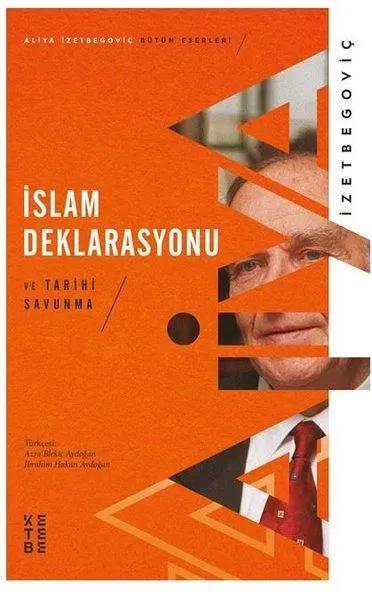
Islamic Declaration and Historical Defense (Book)
The Islamic Declaration and Historical Defense, authored by Aliya Izetbegović, is a manifesto addressing the social, political, and cultural issues of the Islamic world. First published in 1970, this work examines the challenges faced by Muslim societies during their process of modernization and proposes solutions. The book reflects Izetbegović’s intellectual legacy and his critiques of the Islamic world. Publication Process and Historical Context "The Islamic Declaration" was published in 1970
EN
Meryem Beyza Utkulu

Critique, But Not Me! | Come On, Now
Criticize, but not me! There is a saying written by Alija Izetbegović during his years in prison: “Ben olsam, Müslüman Doğu’daki tüm mekteplere ‘eleştirel düşünme’ dersleri koyardım. Batı’nın aksine Doğu bu acımasız mektepten geçmemiştir ve birçok zaafının kaynağı budur.”Aliya İzzetbegoviç, Özgürlüğe Kaçışım: Zindandan Notlar (İstanbul: Klasik Yayınları, 2014), 152. ">【1】 We feel the truth of this sentence in every fiber of our being. We see this reality not only in others but also within our
EN
Mehmet Akif Sipahioğlu

Bosnia and Herzegovina
Bosnia and Herzegovina is located in a geographic area bordered by Serbia and Montenegro to the east and southeast, and by Croatia to the north and west. The country has a total area of approximately 51,129 km2, with the majority of its territory consisting of mountainous terrain, while fertile plains are primarily found in the northern regions. A 20-kilometer coastline lies along the Adriatic Sea. Bosnia and Herzegovina’s demographic structure is primarily composed of Bosniak, Serb and Croat co
EN
Emirhan Polat
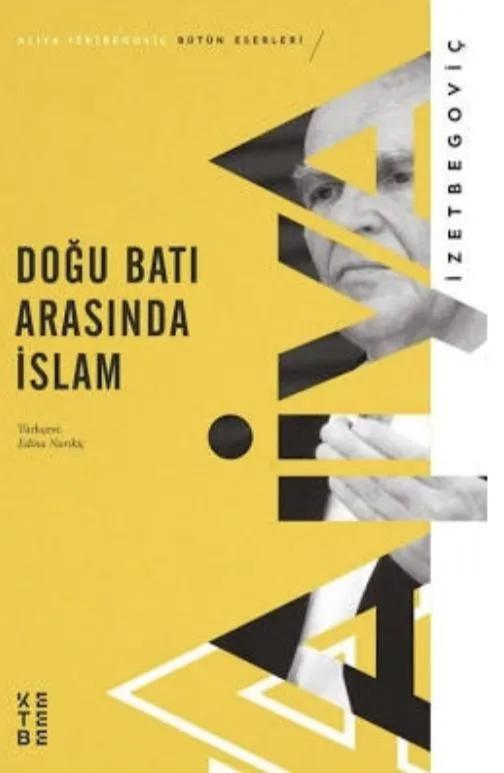
Islam Between East and West (Book)
Islam Between East and West, written by Aliya Izetbegović in 1980, provides a detailed examination of the historical philosophical cultural and moral interactions between Islamic thought and the civilizations of the East and West. The book analyzes from an academic perspective the exchange of knowledge and mutual influences between these two civilizations from the early periods of Islam to the modern era. The work consists of two main sections titled The Foundations of Western Thought and Islam
EN
Meryem Beyza Utkulu
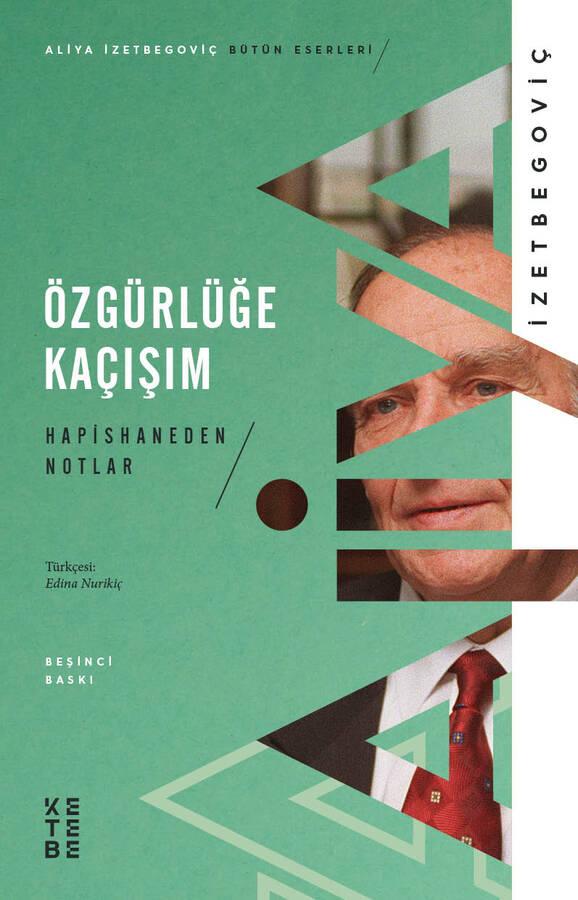
Escape to Freedom (Book)
Escape from Freedom is a philosophical work written by Alija Izetbegović during his years in prison, compiling his reflections on freedom, morality, faith, and responsibility. Subject Escape from Freedom is a collection of intellectual texts composed by Alija Izetbegović during his imprisonment. The book brings together his assessments on the concept of freedom, human existence, morality, faith, politics, and society. The text encompasses philosophical and moral inquiries shaped by the author’s
EN
Sümeyye Akkanat Terzioğlu
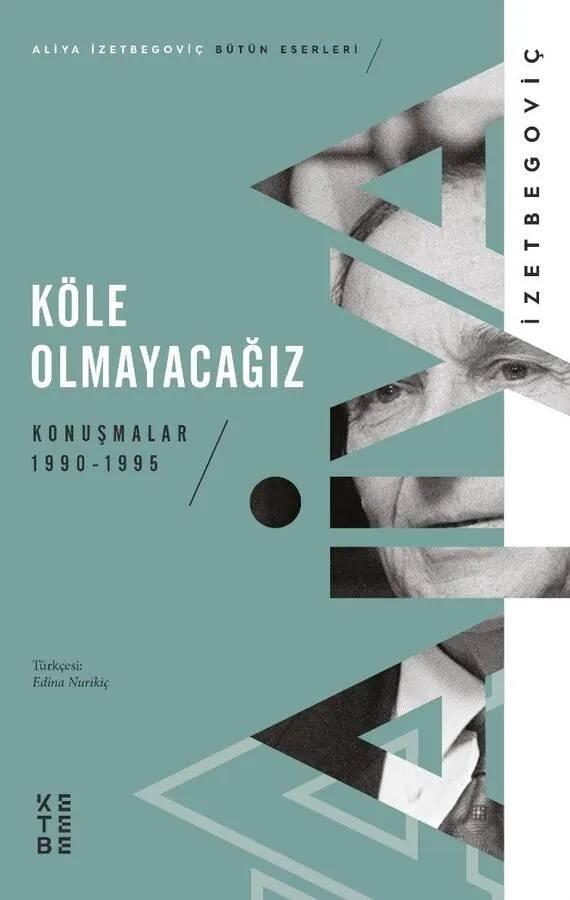
We Will Not Be Slaves (Book)
We Will Not Be Slaves is a work that reflects the ideas and leadership philosophy of Alija Izetbegović, the first president of Bosnia and Herzegovina, comprising his speeches delivered between 1990 and 1995 on various occasions and platforms. The book conveys the devastating impact of the Bosnian War (1992–1995) through Izetbegović’s own words while addressing themes such as freedom, justice, morality, and human dignity. Translated into Turkish, this work has reached a wide readership, particula
ENMeryem Beyza Utkulu