


This article was automatically translated from the original Turkish version.
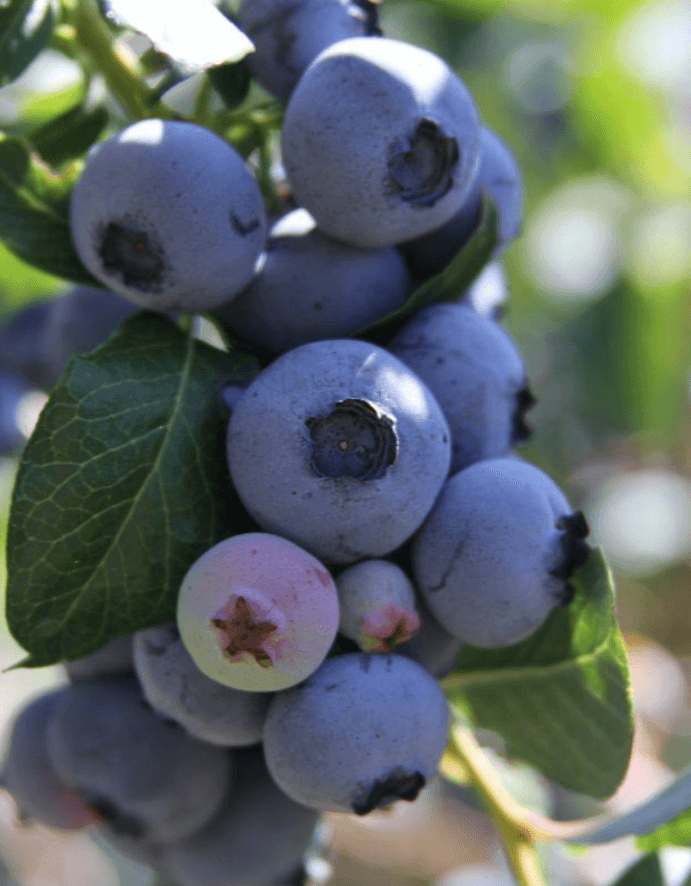
Turkish Name | Blueberry | ||||||||
|---|---|---|---|---|---|---|---|---|---|
Scientific Name | Vaccinium myrtillus (European species) / Vaccinium corymbosum (American species) | ||||||||
Belonging Family | Ericaceae (Heath family) | ||||||||
Plant Type | Shrub-like, perennial herbaceous plant | ||||||||
Growing Regions | Trabzon Artvin Rize | ||||||||
Harvesting Method | Hand-harvested | ||||||||
Usage Area | Jam Compote Fresh fruit | ||||||||
Bilberry (Vaccinium myrtillus) is a shrub species belonging to the heath family (Ericaceae). It typically grows in forested areas, mountainous regions, and moist soils. The plant reaches a height of 10–50 cm and produces spherical, fleshy blue-purple fruits during summer months. These fruits are dark in color due to anthocyanin pigments and are rich in antioxidants.
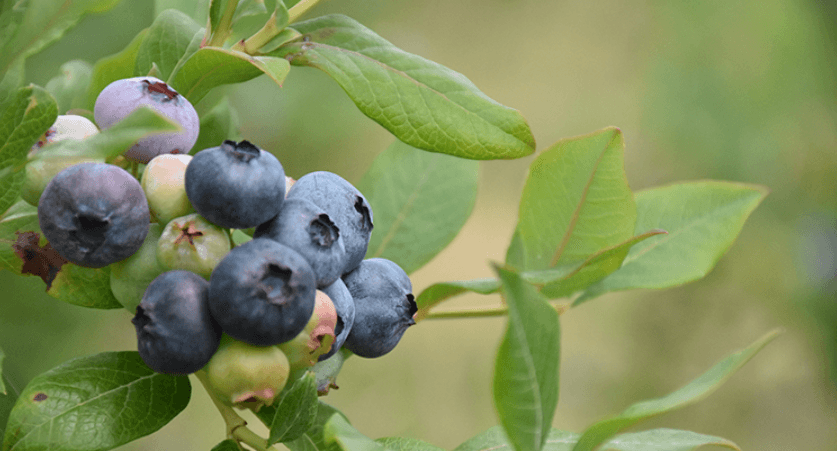
Bilberry (Source: Anadolu Ajansı)
Vaccinium myrtillus is widely distributed across northern and central Europe, as well as in western Asia and North America. In Türkiye, its natural distribution is particularly prominent in the moist, cool and acidic soil conditions of the forest understory ecosystems of the Eastern Black Sea Region. In Rize, Artvin and Trabzon provinces, it is locally known as “likapa”, “çalı çileği”, “murt”, or “ayı üzümü”. It thrives at elevations between 800 and 2,000 meters, commonly found beneath forests of hornbeam, fir, and spruce.
As an important understory floristic species in its ecosystem, bilberry plays ecological roles in maintaining soil vitality and supporting wildlife. Its fruits serve as a food source for birds and mammals.
Bilberry fruits are produced through both traditional and modern agricultural practices. In addition to the wild species V. myrtillus, cultivated varieties with larger fruits include Vaccinium corymbosum (highbush bilberry) and Vaccinium angustifolium (lowbush bilberry). These varieties have recently begun to be commercially cultivated in Türkiye.
Bilberry is primarily produced in the Black Sea region through organic farming projects, rural development support programs, and cooperatives, and is transformed into value-added products. The fruit is consumed fresh, as well as in frozen, dried, jam, syrup, marmalade, juice, tea, and capsule forms.
Bilberry is a nutrient-rich fruit, particularly abundant in anthocyanins, flavonoids, phenolic acids, and vitamins C, K, and E. These compounds play a protective role against oxidative stress on cell membranes. Its high antioxidant capacity makes it a significant functional food. Additionally, its high fiber content is known to benefit the digestive system.
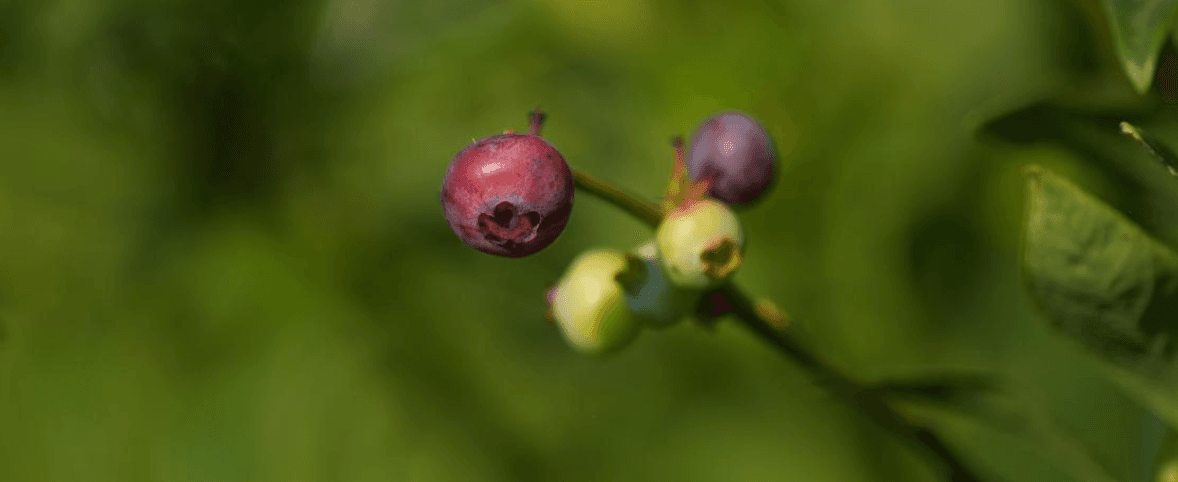
Immature Bilberry (Source: TRT Haber)
Bilberry is widely used in the food industry in both fresh and processed forms. The Vaccinium corymbosum variety is particularly preferred in commercial applications due to its large berries and favorable harvesting characteristics.
Fresh bilberries are consumed directly in fruit salads, breakfast dishes, and snacks. Its low glycemic index has made it one of the preferred fruits for diabetic diets.
Dried bilberries are marketed as energy-dense snacks and are used in muesli, granola, nut mixes, and energy bars. The frozen form is ideal for off-season consumption and retains much of its freshness.
Bilberry is processed into fruit juice, smoothies, and herbal teas. Its concentrate is also used in fermented products such as fruit kefir. It is particularly valued in marketing campaigns emphasizing high antioxidant content.
Bilberry is used in jams, marmalades, compotes, and pie fillings. Due to its partially heat-stable anthocyanin pigments, it retains color even after thermal processing.
Bilberry extract has become a preferred botanical ingredient in skincare products in recent years. This is primarily due to its antioxidant capacity to combat free radicals and its rich content of vitamin C.
Some studies suggest that adding bilberry pomace to animal feed may enhance immune function due to its antioxidant properties. However, its use in this field remains limited and experimental.
The bilberry plant is also considered for soil remediation in areas with high soil acidity. Additionally, due to its shrub form, it is used in natural landscape planning for erosion control and aesthetic enhancement.
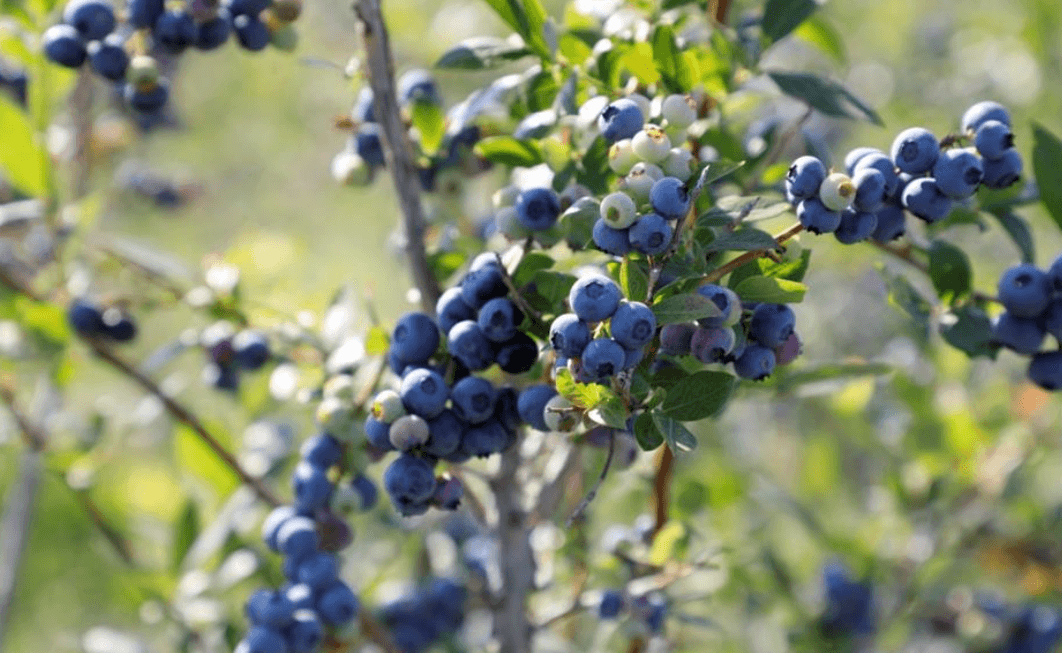
Bilberry Plant (Source: İnegöl Belediyesi)
The natural habitats of bilberry are at risk due to climate change, shrinking forest areas, and unsustainable harvesting practices. Therefore, in Türkiye, projects under the Ministry of Agriculture and Forestry promote the conservation of natural populations and encourage sustainable production methods.
Acıbadem Sağlık Grubu. "Yaban Mersini: Faydaları, Zararları ve Nasıl Tüketilir?" *Acıbadem Hayat*, Accessed April 23, 2025.https://www.acibadem.com.tr/hayat/yaban-mersini-faydalari-zararlari-ve-nasil-tuketilir/.
Medicana Sağlık Grubu. “Yaban Meyvesi Faydaları Nelerdir?” *Medicana Blog*, Accessed April 23, 2025.https://www.medicana.com.tr/yaban-meyvesi-faydalari-nelerdir/blog/22823.
Sabah. "Yaban Mersini Ağacı Özellikleri: Yaban Mersini Ağacı Türkiye’de Nerede ve Nasıl Yetişir, Ne Kadar Büyür?" Sabah Eğitim, Accessed April 23, 2025.https://www.sabah.com.tr/egitim/yaban-mersini-agaci-ozellikleri-yaban-mersini-agaci-turkiyede-nerede-ve-nasil-yetisir-ne-kadar-buyur-e1-6371540.
Yabanmersini.com.tr. "Yaban Mersini: Türkiye’nin İlk ve Tek Yaban Mersini Portalı." Accessed April 23, 2025.https://www.yabanmersini.com.tr/

Turkish Name | Blueberry | ||||||||
|---|---|---|---|---|---|---|---|---|---|
Scientific Name | Vaccinium myrtillus (European species) / Vaccinium corymbosum (American species) | ||||||||
Belonging Family | Ericaceae (Heath family) | ||||||||
Plant Type | Shrub-like, perennial herbaceous plant | ||||||||
Growing Regions | Trabzon Artvin Rize | ||||||||
Harvesting Method | Hand-harvested | ||||||||
Usage Area | Jam Compote Fresh fruit | ||||||||
Biogeography and Natural Distribution
Agricultural Production and Economic Potential
Biochemical Composition and Health Effects
Applications of Bilberry
Use in the Food Industry
Fresh Consumption
Dried and Frozen Products
Beverage Products
Jams, Marmalades, and Confectionery
Use in Cosmetics and Personal Care Products
Use in Livestock and Feed Industry
Evaluation in Agriculture and Horticulture
Conservation and Sustainability