


This article was automatically translated from the original Turkish version.
Biomedical engineering is an interdisciplinary field that integrates biology, medicine, and engineering to enhance the processes of preserving human health, diagnosing diseases, and providing treatments. Experts in biomedical engineering combine knowledge from biology and medicine with engineering principles to develop medical devices, diagnosis systems, and therapeutic methods.
Biomedical engineering encompasses a broad range of products such as artificial organs, biosensors, medical imaging devices, prostheses, and robotic surgical systems. like This field is continuously evolving alongside technological advancements and has become an indispensable part of modern medicine.

The roots of biomedical science extend as far back as the history of medicine itself. However, the emergence of biomedical engineering in its modern form dates to the mid-20th century. After the Second World War, the growing demands in medicine and rapid technological progress created the foundation for integrating engineering disciplines into medical practice.
In the 1960s, early biomedical products such as pacemakers and artificial hip prostheses began to be used. In the 1970s, advanced medical imaging technologies such as computed tomography (CT) and magnetic resonance imaging (MRI) were developed. By the 21st century, biomedical engineering had evolved into an integrated structure combining with advanced technologies such as genetic engineering, nanotechnology, and artificial intelligence.
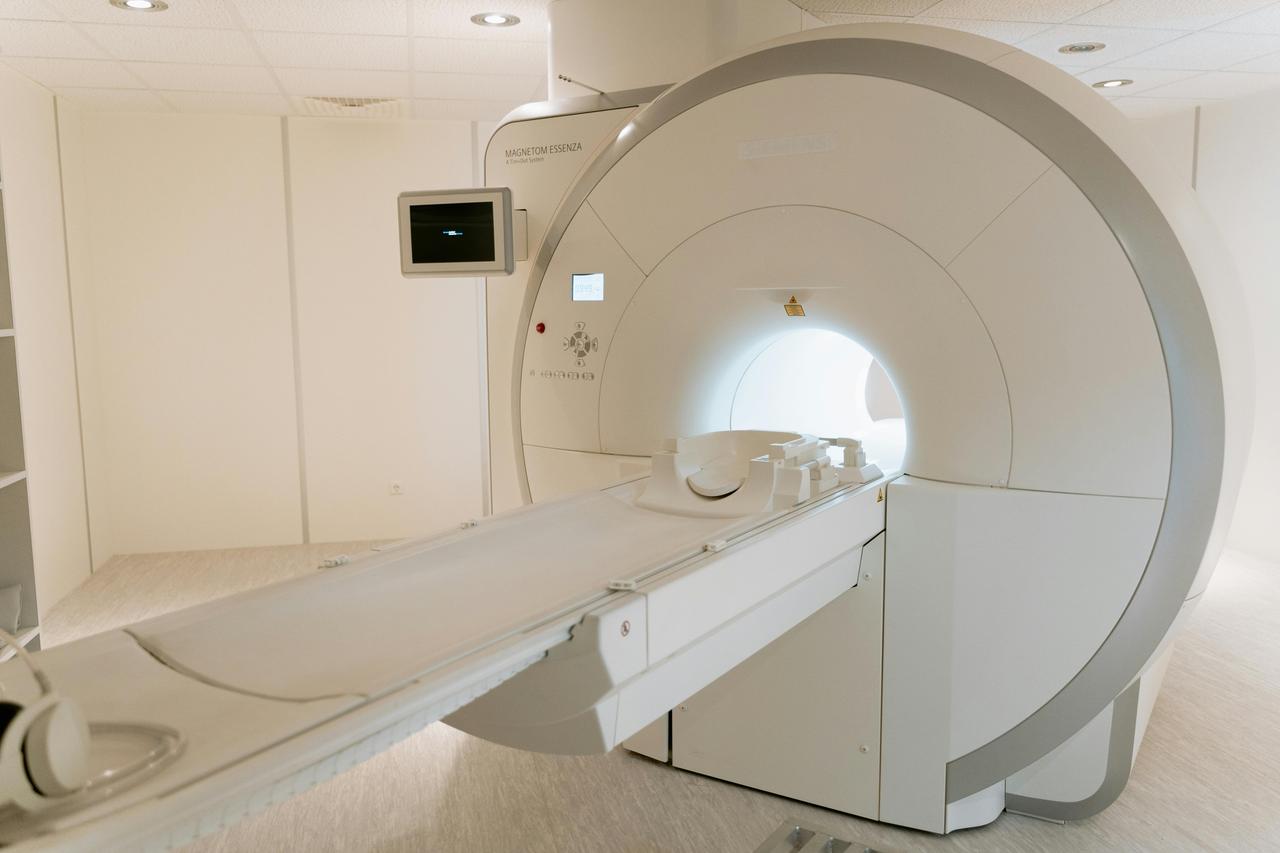
MRI Machine (MART PRODUCTION, https://www.pexels.com/tr-tr/fotograf/teknoloji-hastane-tip-ilac-7089017/)
Biomedical engineering has revolutionized healthcare by introducing innovations that have reshaped medical diagnosis and treatment processes. Advancements in this field have enabled faster, more accurate, and more effective healthcare services, significantly improving the quality of life for millions of people worldwide.
Technologies that support early diagnosis and treatment represent one of the most notable contributions of biomedical engineering. In particular, innovations in imaging systems allow diseases to be detected at very early stages. Advanced technologies such as magnetic resonance imaging (MRI), computed tomography (CT), and ultrasound provide physicians with detailed information about how diseases spread within the body and which organs they affect, enabling more targeted and effective treatment.

Prostheses and artificial organs are another crucial component of biomedical engineering. Prostheses developed to enhance the quality of life for people with disabilities help them regain physical function. Technologies such as artificial legs, arms, hands, and even bionic eyes offer prostheses that are more close to the human body and more functional, enabling individuals to lead more independent lives. Moreover, custom-designed prostheses, supported by biomechanical analysis and advanced materials, help patients perform daily activities more easily.
Wearable health technologies represent a significant recent innovation introduced by biomedical engineering into the healthcare sector. Thanks to smartwatches, fitness trackers, and sensors, individuals can continuously monitor their health status and share real-time data with their doctors. These devices continuously track parameters such as heart rate, blood pressure, and blood glucose levels, providing early warning systems that enable the early detection of potential health issues. As a result, managing chronic diseases has become more efficient and access to healthcare services has accelerated.
Telemedicine and remote patient monitoring systems are also important contributions of biomedical engineering. These digital health solutions enable patients to receive treatment at home, reducing hospital congestion. Through telemedicine, doctors and specialists can remotely monitor patient data, review treatment plans, and initiate emergency interventions when necessary. For individuals living in rural areas, access to remote healthcare services can be life-saving.
These innovations offered by biomedical engineering not only improve individuals’ quality of life but also make healthcare systems more sustainable. Investments in early diagnosis and treatment reduce healthcare costs in the long term while enabling patients to lead healthier lives. Furthermore, wearable health technologies and remote patient monitoring systems ensure that healthcare services are accessible at all times and in all locations, allowing a broader population to benefit from medical care.
Biomedical engineering has significantly transformed not only medical treatment processes but also access to healthcare services and quality of life, and it is expected to continue evolving in the future. Innovations in this field extend beyond medical devices and systems to create a broader impact through digital health applications and personalized treatment methods.
"Biyomedikal." TDK Güncel Türkçe Sözlük. Accessed [Date].www.tdk.gov.tr.
Bronzino, Joseph D., and Donald R. Peterson. The Biomedical Engineering Handbook. CRC Press, 2018.
Edward Jenner,
Enderle, John D., et al. Introduction to Biomedical Engineering. Academic Press, 2020.
Figures:
Life Med. "MR Nedir?" Accessed March 6, 2025.https://www.lifemed.com.tr/poliklinikler/mr-nedir/
National Institute of Biomedical Imaging and Bioengineering (NIBIB). "What is Biomedical Engineering?"www.nibib.nih.gov.
Söz Gazetesi. "Biyomedikal Mühendisliği Geleceğin Mesleği" Accessed July 31, 2018.
World Health Organization (WHO). "Medical Devices: Managing the Mismatch." 2010.https://iris.who.int/bitstream/handle/10665/44407/9789241564045_eng.pdf

Development of the Biomedical Field
Core Areas of Biomedical Engineering
Contributions of Biomedical Technologies to the Healthcare Sector