

`biomedical` Related Article Results
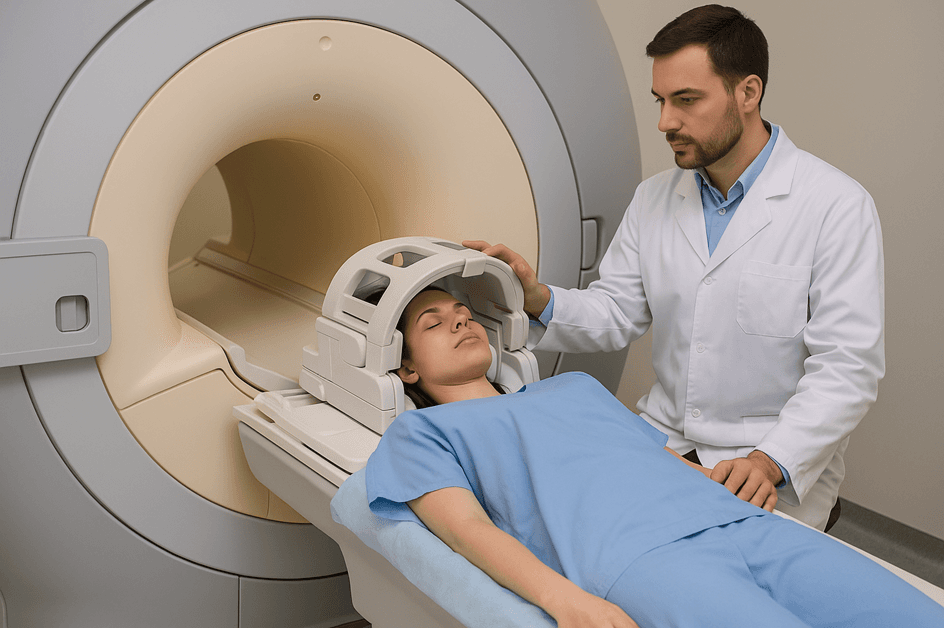
Magnetic Resonance Imaging (MRI)
Magnetic Resonance Imaging (MRI) is an advanced medical imaging technique that produces detailed images of organs and tissues in the body without using ionizing radiation. MRI generates high-resolution images of soft tissues by analyzing the behavior of hydrogen atoms through strong magnetic fields and radio waves. Working Principle These systems consist primarily of three key components: a magnet that generates a strong magnetic field (typically 1.5T or 3T), radiofrequency (RF) coils, and compu
EN
Muhammed Mehdi İleri
Biomedical
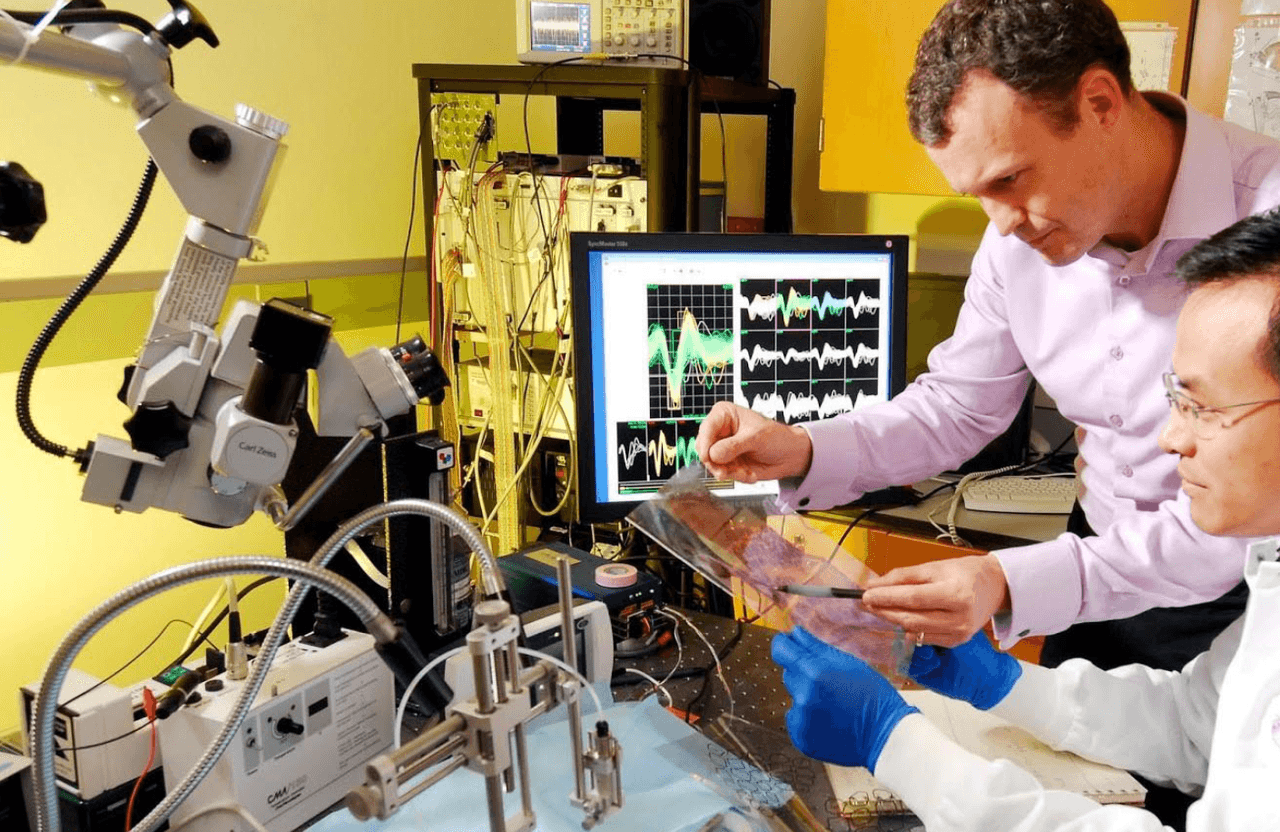
Biomedical engineering is an interdisciplinary field that integrates biology, medicine, and engineering to enhance the preservation of human health and improve processes of disease diagnosis and treatment. Experts in biomedical engineering combine knowledge of biology and medicine with engineering principles to develop medical devices, diagnosis systems, and therapeutic methods. Biomedical engineering encompasses a broad range of products including artificial organs, biosensors, medical imaging
EN
Rabia Şafak

Digital Pathology
Digital pathology refers to the process of converting tissue samples on glass microscope slides into digital images and examining these images in a computer environment. This transformation creates a digital work environment in pathology laboratories by moving traditional light microscopy-based diagnostic methods into a virtual space. Similar to the transition from film to digital in radiology, digitizing tissues enhances practicality and opens up new possibilities. For instance, thanks to high-
ENMücahit Ertano
 Hy
HyHydrogel
Hydrogels are biomaterials that can be engineered to respond sensitively to multiple parameters such as temperature, pH, magnetic field, electricity field, and light like, and are frequently used for various purposes. They are applied to the body either invasively, by injection into tissues, or non-invasively, through external contact. Structure and Properties of Hydrogels Hydrogels are defined as three-dimensional hydrophilic networks. Their most fundamental characteristic is the ability to ret
ENFatma Beyza Şahin
Biomedical
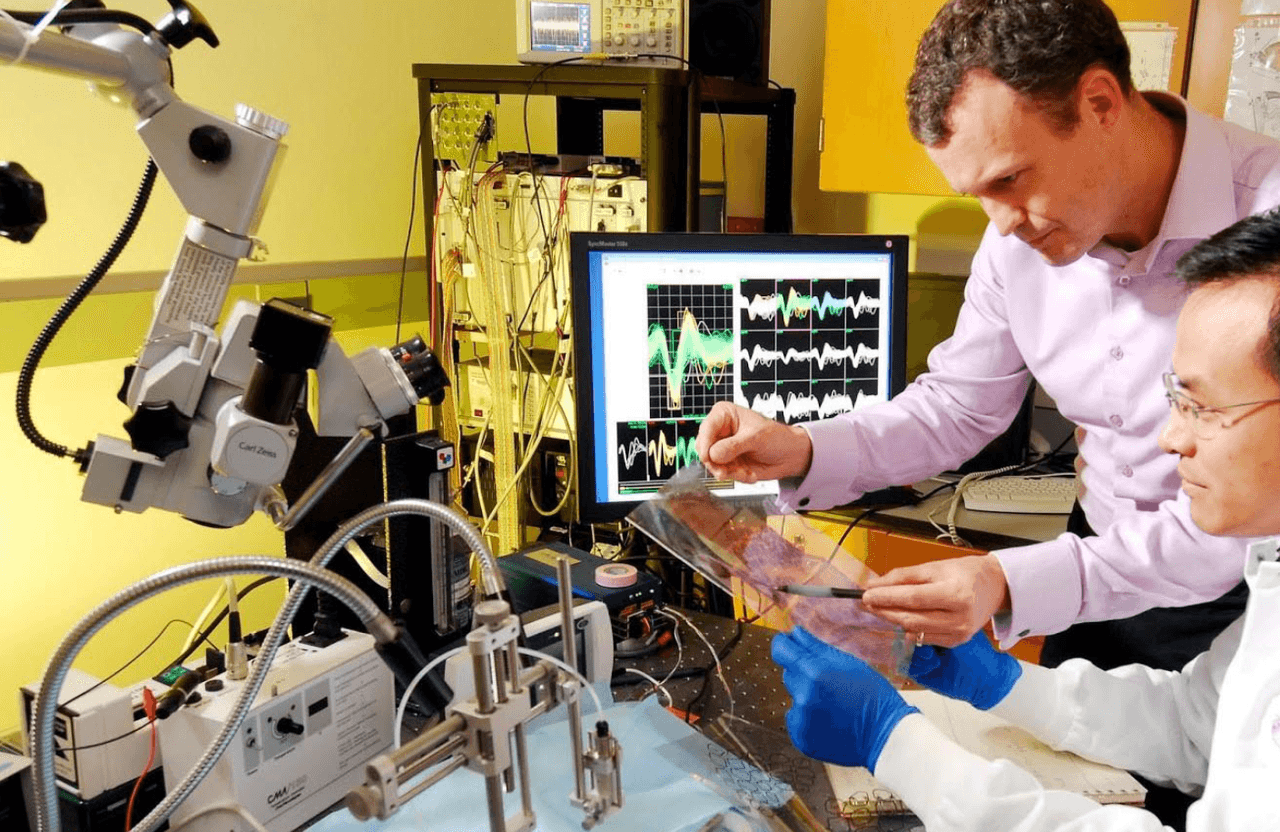
Biomedical engineering is an interdisciplinary field that integrates biology, medicine, and engineering to enhance the processes of preserving human health, diagnosing diseases, and providing treatments. Experts in biomedical engineering combine knowledge from biology and medicine with engineering principles to develop medical devices, diagnosis systems, and therapeutic methods. Biomedical engineering encompasses a broad range of products such as artificial organs, biosensors, medical imaging de
ENRabia Şafak
GeGenetic Diagnostic Chips
Genetic diagnostic chips are microscale analysis platforms developed to detect mutations, variations, and genetic disease risks in individuals’ genetic structures with high accuracy. These chips enable rapid and high-volume screening of genetic information, providing faster and more comprehensive results compared to traditional methods. With the growing adoption of personalized medicine in modern healthcare, interest in genetic diagnostic chips has increased. Working Principle Genetic diagnostic
EN
Ahmet Burak Taner
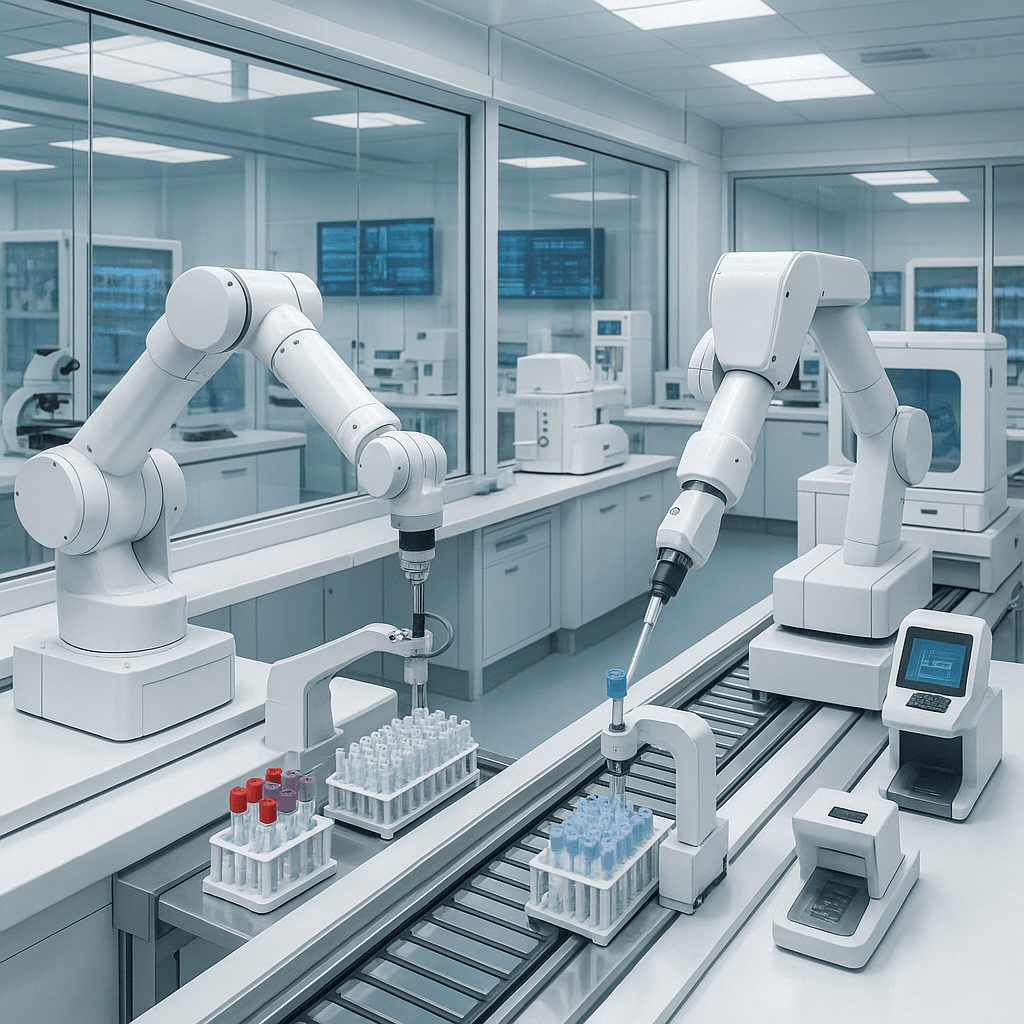
Laboratory Automation
Laboratory automation is a comprehensive technological infrastructure that enables all processes in clinical and industrial laboratories—from sample acceptance through analysis, data management, to result reporting—to be carried out via robotic systems, automated analyzers, and integrated software. This structure enhances the speed, accuracy, and consistency of operations by minimizing human intervention. The widespread adoption of these systems in modern laboratories is primarily driven by incr
EN
Ömer Said Aydın
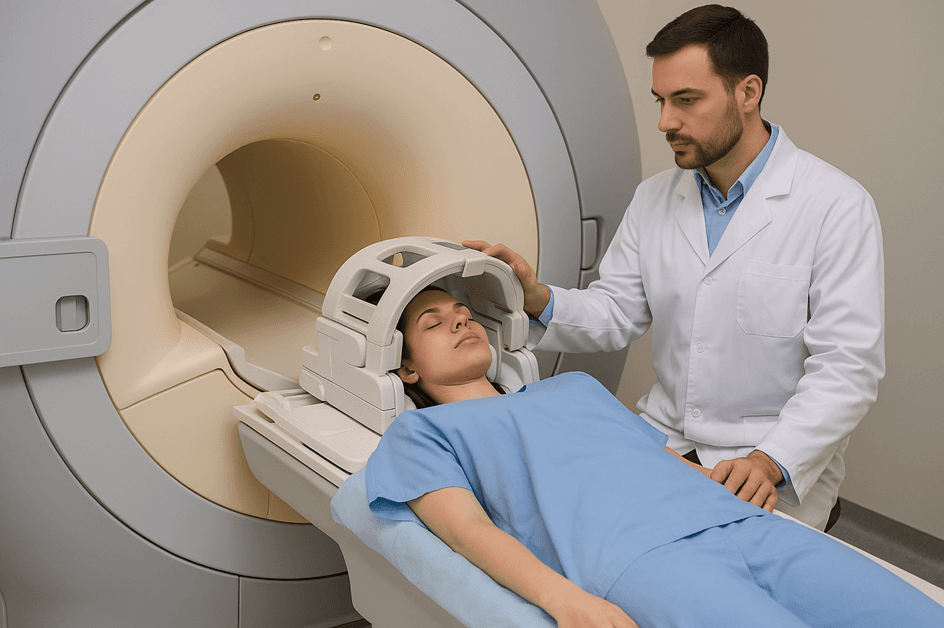
Magnetic Resonance Imaging (MRI)
Magnetic Resonance Imaging (MRI) is an advanced medical imaging technique that produces detailed images of organs and tissues in the body without using ionizing radiation. MRI generates high-resolution images of soft tissues by analyzing the behavior of hydrogen atoms through strong magnetic fields and radio waves. Principle of Operation These systems consist primarily of three key components: a magnet that generates a strong magnetic field (typically 1.5T or 3T strength), radiofrequency (RF) co
EN
Muhammed Mehdi İleri
HyHydrogel
Hydrogels are biomaterials that can be engineered to respond sensitively to numerous parameters such as temperature, pH, magnetic field, electric field, and light among others, and are frequently used for various purposes. They are applied either invasively, by injection into the body, or non-invasively, through external contact with the body. Structure and Properties of Hydrogels Hydrogels are defined as three-dimensional hydrophilic networks. Their most fundamental characteristic is their abil
ENFatma Beyza Şahin

The Identity of Medicine: Science or Art?
Medicine: Is it a Science that treats or a Art that preserves life? At first glance this question appears to demand a choice between two options, but as one reflects on the nature of medicine its simplicity fades. For medicine is both a discipline shaped within the objective framework of the scientific method and a practice that engages directly with human experience. In this sense medicine is not merely a technical activity driven by measurable data; it also emerges as an endeavor requiring int
EN
Yeşim Can