


This article was automatically translated from the original Turkish version.
+1 More
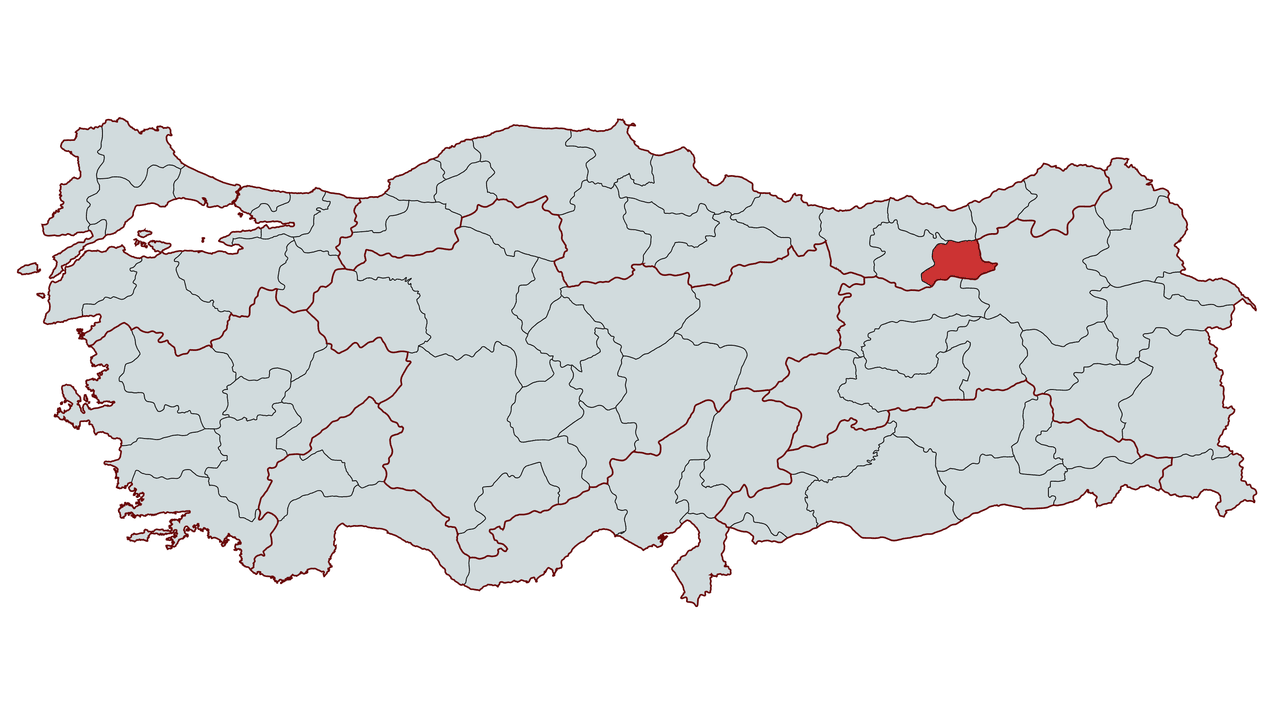
Bayburt
Country | Türkiye | ||||||||
|---|---|---|---|---|---|---|---|---|---|
Region | Black Sea Region | ||||||||
Population | 83.676 (2024) | ||||||||
Area | 2.705 | ||||||||
Climate | Continental Climate | ||||||||
Area Code | 458 | ||||||||
License Plate Code | 69 | ||||||||
Governor | Mustafa Eldivan | ||||||||
Mayor | Mete Memiş | ||||||||
Bayburt is a city located in the Black Sea Region of Türkiye, on the banks of the Çoruh River. Throughout its history, it has come under the rule of the Urartians, Romans, Byzantines, Seljuks, Akkoyunlus, and Ottomans, and due to its position along the Silk Road, it has held a commercial and strategic significance.
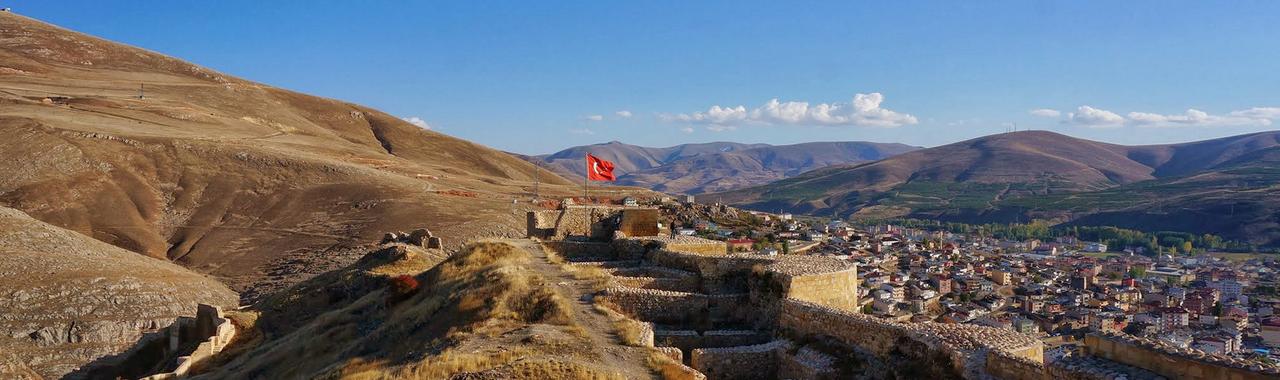
Bayburt Castle and Bayburt - Bayburt Governorate
Bayburt’s history extends back to the 3000s BC. The city was founded by the Azziles and suffered invasions by the Cimmerians and Scythians between 770 and 665 BC. Subsequently, the Haldians ruled the region, followed briefly by the Medes and then the Persians.
Bayburt came under the control of the Kingdom of Pontus from the 2nd century BC and entered the dominion of the Roman Empire in the 40s BC. During the reign of Roman Emperor Justinian (6th century AD), Bayburt Castle was repaired. In 705 AD it was captured by the Umayyads and in 715 AD by the Byzantines.
Bayburt has been intensively settled by Turks since 1048. It was conquered by the Seljuks in 1054 and came under the control of the Saltukids and Mengujekids in 1081. Later it was captured by the Danişmends and then by the Byzantines. Trabzon governor Theodore Gabras recaptured Bayburt and declared his own authority.
Bayburt suffered major damage during the Mongol invasions. Süleyman Şah’s brother, Mugisüddin Tuğrul Şah, strengthened Bayburt Castle between 1200 and 1230.
In the 14th century, Bayburt became the center of the Akkoyunlus and was incorporated into Ottoman territory in 1514 by Bıyıklı Mehmet Paşa, the vizier of Yavuz Sultan Selim. The Ottomans made Bayburt a provincial center and attached Erzurum, Tekman, and İspir to it. Evliya Çelebi wrote that Fatih Sultan Mehmet settled 3,000 Tireli families in Bayburt.
Bayburt was occupied by Russia in 1828 but was later recaptured by Ottoman forces, having suffered extensive destruction. During the First World War, Russian forces reached Kop Mountain on 2 March 1916, where Turkish soldiers and the people of Bayburt mounted a strong resistance. On 16 July 1916, the Russians and their Armenian collaborators occupied Bayburt and caused massive destruction and massacres. Bayburt was liberated from occupation on 21 February 1918.
During the Republican period, Bayburt was administered as a district subordinate to Erzurum until 1927 and then to Gümüşhane. It gained provincial status on 21 June 1989.
Bayburt is located at the intersection of the Black Sea Region and Eastern Anatolia. Its latitude and longitude coordinates are 40°15′N and 40°13′E.
The city lies on the banks of the Çoruh River and borders Erzurum to the east, Erzincan to the south, Gümüşhane to the west, and Trabzon and Rize to the north. The Soğanlı Mountains form the highest elevations, and the city generally has a rugged and mountainous terrain.
Bayburt experiences a continental climate.
Bayburt’s landforms are primarily composed of high plateaus, valleys, and mountain ranges.
Bayburt’s location on the historic Silk Road route connecting Eastern Anatolia to the Black Sea has given it strategic importance throughout history.
Bayburt’s economy is based on agriculture and animal husbandry. The main agricultural products are wheat, barley, sugar beet, and forage crops. Fruit and vegetable production is limited, with common cultivation of apricot, walnut, and cabbage.
Animal husbandry, particularly small and large livestock farming, is widespread. Bayburt’s beekeeping activities are notable, especially for Bayburt honey.
Industry has not developed significantly. The main industrial facilities in Bayburt are:
Due to its location on the Silk Road, Bayburt has historically been a commercial stopover. Today, commercial activity is largely limited to the marketing of local agricultural and livestock products.
As of 2024, Bayburt’s population is 83,676. The urban population ratio is low, with higher density in rural areas. Due to migration, the population is on a declining trend.
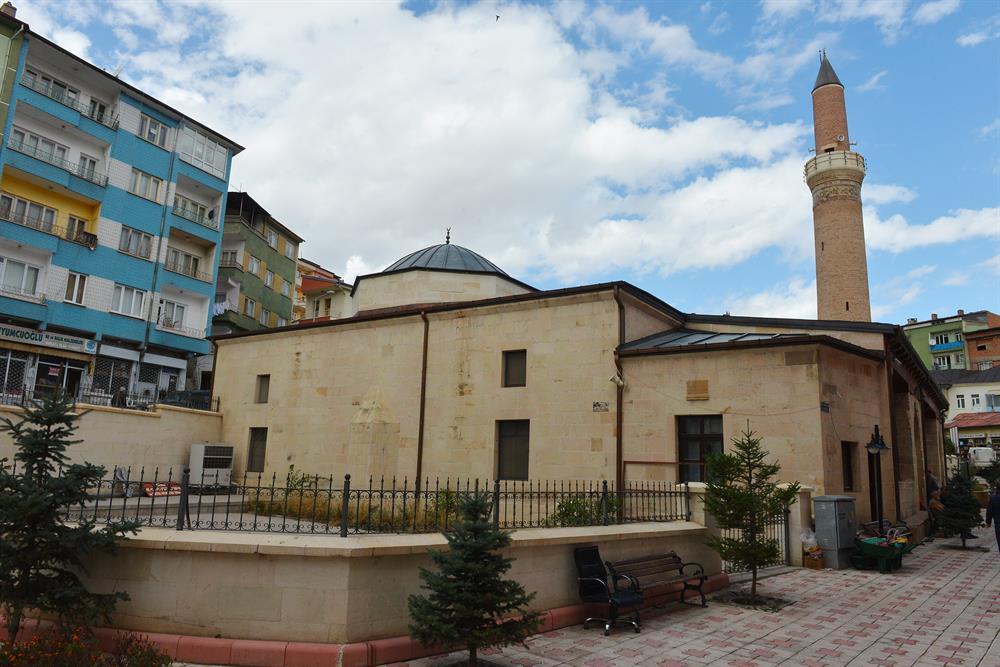
Bayburt Ulu Camii - Yeni Şafak
Bayburt cuisine is a fusion of Black Sea and Eastern Anatolian culinary traditions. Notable dishes include:
The governorship of Bayburt is currently held by Mustafa Eldivan. The following individuals have served as governors throughout history:
The Bayburt Municipality is currently administered by Mete Memiş. The following individuals have served as mayors throughout history:
Bayburt Municipality. "Bayburt Belediyesi Resmî Web Sitesi." Accessed February 10, 2025.https://bayburt.bel.tr/.
Bayburt Valiliği. _T.C. Bayburt Valiliği Resmî Web Sitesi_. Accessed February 10, 2025.http://www.bayburt.gov.tr/.
Karatay Üniversitesi. "Bayburt Hakkında Bilinmesi Gerekenler." Accessed February 10, 2025.https://karsem.karatay.edu.tr/bayburt-hakkinda-bilinmesi-gerekenler.
Ministry of Culture and Tourism. *Türkiye Kültür Portalı: Bayburt Genel Bilgiler*. Accessed February 10, 2025.https://www.kulturportali.gov.tr/turkiye/bayburt/genelbilgiler.
Turkish Ministry of Culture and Tourism. "Bayburt İl Directorate of Culture and Tourism Official Website." Accessed February 10, 2025.https://bayburt.ktb.gov.tr/TR-91928/genel-bilgiler.html.

Bayburt
Country | Türkiye | ||||||||
|---|---|---|---|---|---|---|---|---|---|
Region | Black Sea Region | ||||||||
Population | 83.676 (2024) | ||||||||
Area | 2.705 | ||||||||
Climate | Continental Climate | ||||||||
Area Code | 458 | ||||||||
License Plate Code | 69 | ||||||||
Governor | Mustafa Eldivan | ||||||||
Mayor | Mete Memiş | ||||||||
History
Ancient Period and Early Settlements
Turkish Rule and the Seljuks
Ottoman Period
Geography
Climate
Topography
Economy
Population
Cultural and Historical Structures
Bayburt Cuisine
Administration
Governor
Municipal Administration
Districts