


This article is not approved yet.
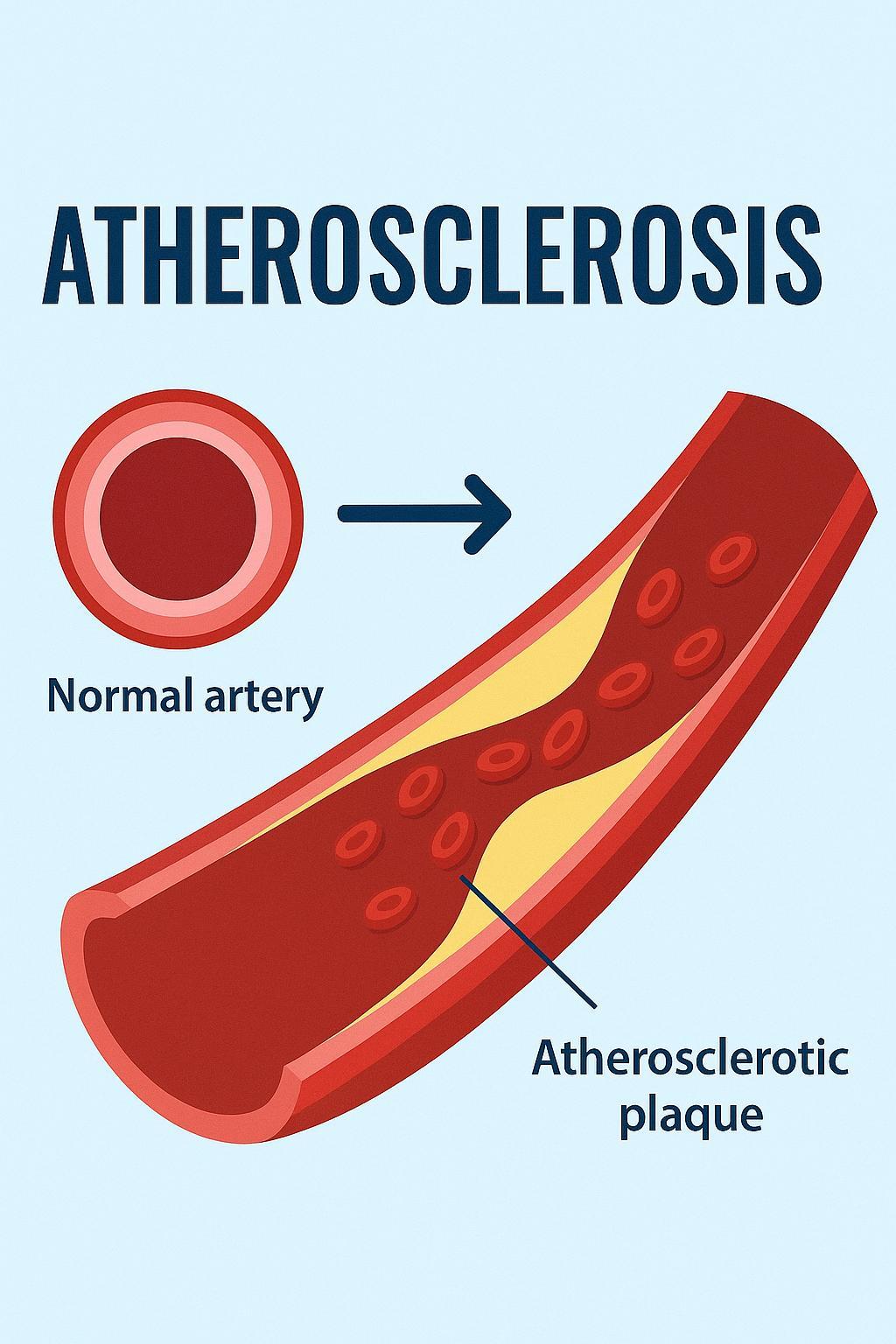
Atherosclerosis (Generated by Artificial Intelligence)
Atherosclerosis
Diagnosis | CT/MRI scans Angiography Ultrasound Electrocardiogram (ECG) Blood tests | ||||||||
|---|---|---|---|---|---|---|---|---|---|
Symptoms | Weakness in limbs Fatigue Shortness of breath Chest pain (angina) | ||||||||
Risk Factors | Age and genetics Sedentary lifestyle Obesity Diabetes Smoking High blood pressure High LDL cholesterol | ||||||||
Definition(s) | Atherosclerosis is a chronic condition where plaque (fat leading to narrowing and hardening of the vessels. and other substances) builds up inside the arteries calcium cholesterol | ||||||||
Atherosclerosis is a chronic and progressive vascular disease characterized by the buildup of plaques composed of fat, cholesterol, calcium, and other substances on the inner walls of arteries. Over time, these plaques cause narrowing and hardening of the arteries, restricting the blood flow. This can lead to life-threatening conditions such as heart attack, stroke, and peripheral artery disease. A significant portion of deaths worldwide is linked to atherosclerosis.
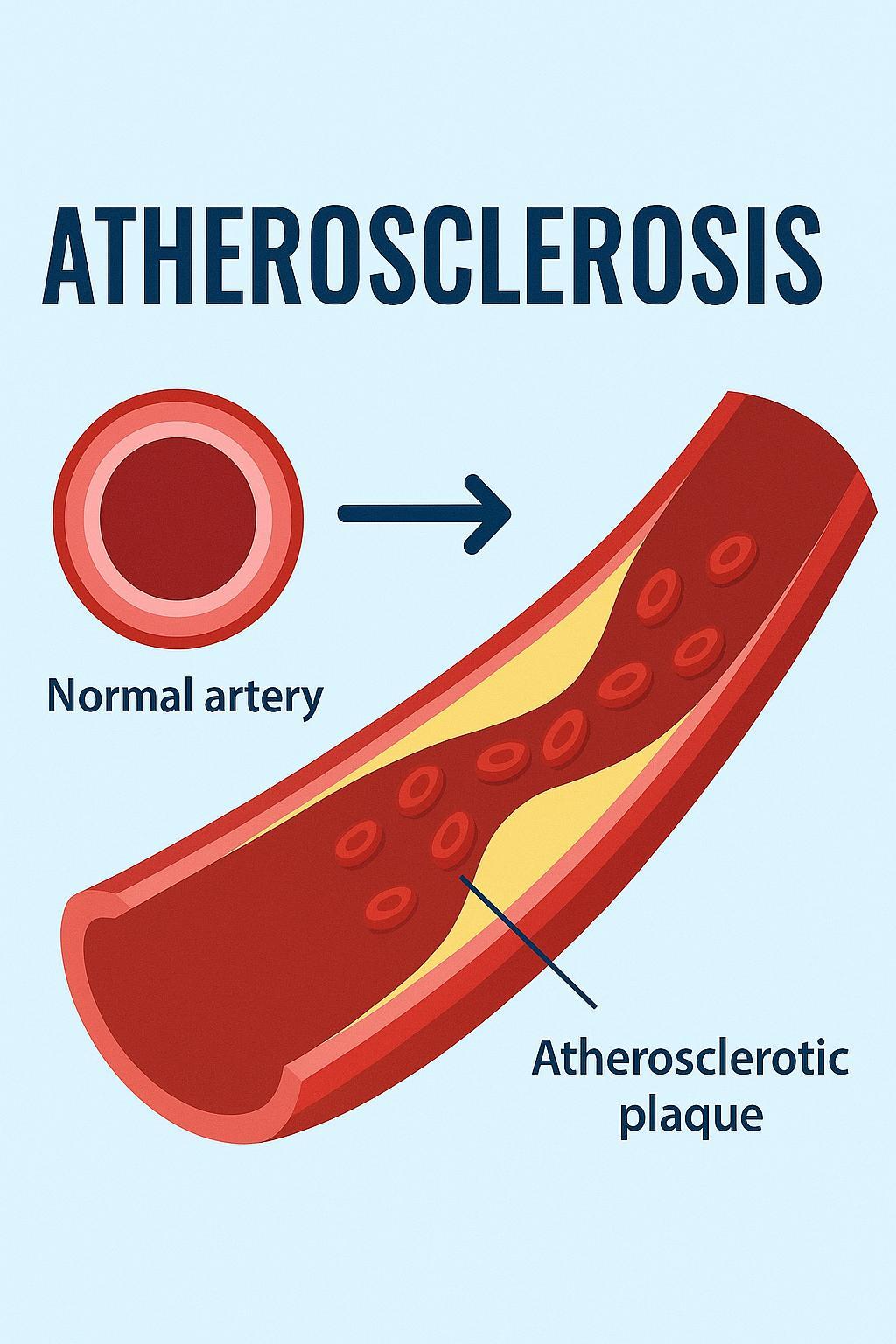
Atherosclerosis (Generated by Artificial İntelligence)
Atherosclerosis can begin even during childhood and adolescence, often without symptoms. The disease starts with damage to the endothelial cells lining the blood vessels. This damage is caused by risk factors such as high blood pressure, smoking, diabetes, and high LDL cholesterol. When the endothelium is damaged, LDL cholesterol in the blood penetrates the vessel wall and becomes oxidized. Oxidized LDL triggers the immune system. Monocytes (a type of white blood cell) migrate to the area and transform into macrophages, which engulf the oxidized LDL. During this process, foam cells are formed, and their accumulation leads to the development of fatty streaks in the vessel wall. Over time, these fatty streaks grow into atheromatous plaques. Plaques thicken and stiffen the vessel walls, causing loss of elasticity. Growing plaques restrict blood flow and reduce the oxygen supply to tissues and organs. Ruptures on the plaque surface trigger clot formation, increasing the risk of sudden artery blockage, heart attack, or stroke.
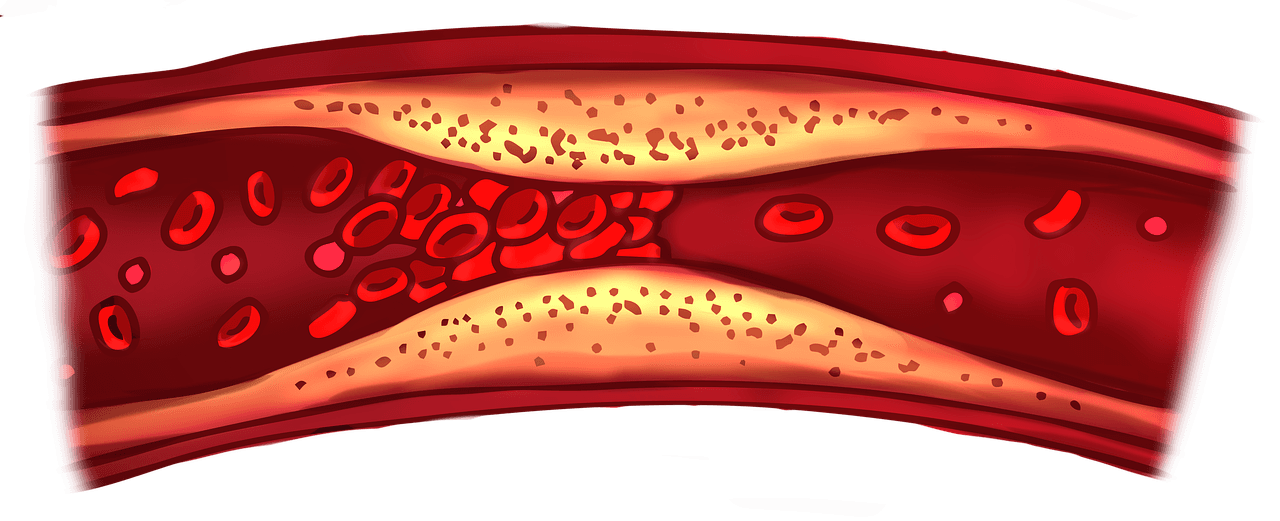
Blocked Blood Vessel (pixabay)
Many factors influence the development of atherosclerosis, classified as modifiable and non-modifiable:
Atherosclerosis is no longer viewed solely as a fat accumulation disease but as a chronic inflammatory process actively involving the immune system. After endothelial injury, immune cells (monocytes, T cells, dendritic cells) participate in plaque development. These cells secrete inflammatory cytokines that influence plaque growth and stability. The immune response to oxidized LDL contributes both to plaque progression and the formation of unstable plaques prone to rupture.
Atherosclerosis often remains symptom-free for many years. Symptoms typically appear when arteries are severely narrowed or sudden blockages occur:
Lifestyle changes are critical to prevent and slow the progression of atherosclerosis. A healthy diet, regular physical activity, smoking cessation, weight management, and regular health check-ups are essential.
Medications commonly used include cholesterol-lowering statins, blood pressure drugs, and blood thinners. In advanced cases, interventional treatments like angioplasty (balloon and stent placement) or bypass surgery may be necessary.
Dr. Hakan Gerçekoğlu, “Atherosclerosis,” Dr. Hakan Gerçekoğlu, (Accessed: June 30, 2025).
Insull, William Jr. “The Pathology of Atherosclerosis: Plaque Development and Plaque Responses to Medical Treatment.” The American Journal of Medicine 122, no. 1, supplement (January 2009): S3–S14, (Access Date: 30 June 2025). https://www.amjmed.com/article/S0002-9343%2808%2901017-6/fulltext
Pahwa, Roma, and Ishwarlal Jialal. “Atherosclerosis.” StatPearls. (Accessed: June 30, 2025).
Zengin, Halit. “Pathogenesis of Atherosclerosis.” Journal of Experimental and Clinical Medicine, no. S3 (2011). (Accessed: June 30, 2025).
envandrare. “Blood Clot Vessel Biology Capillary.” Pixabay.
https://pixabay.com/tr/illustrations/kan-p%C4%B1ht%C4%B1s%C4%B1-damar-biyoloji-k%C4%B1lcal-7118517/ (Accessed: June 30, 2025).

Atherosclerosis (Generated by Artificial Intelligence)
Atherosclerosis
Diagnosis | CT/MRI scans Angiography Ultrasound Electrocardiogram (ECG) Blood tests | ||||||||
|---|---|---|---|---|---|---|---|---|---|
Symptoms | Weakness in limbs Fatigue Shortness of breath Chest pain (angina) | ||||||||
Risk Factors | Age and genetics Sedentary lifestyle Obesity Diabetes Smoking High blood pressure High LDL cholesterol | ||||||||
Definition(s) | Atherosclerosis is a chronic condition where plaque (fat leading to narrowing and hardening of the vessels. and other substances) builds up inside the arteries calcium cholesterol | ||||||||
Onset and Development of the Disease
Risk Factors
Immune System and Inflammation
Clinical Signs
Prevention and Treatment
This article was created with the support of artificial intelligence.