


This article was automatically translated from the original Turkish version.
Latin Name | Fraxinus sp | ||||||||
|---|---|---|---|---|---|---|---|---|---|
Family | Oleaceae | ||||||||
Homeland | Temperate regions of the Northern Hemisphere | ||||||||
Location | Outdoor | ||||||||
Group | Ornamental Trees | ||||||||
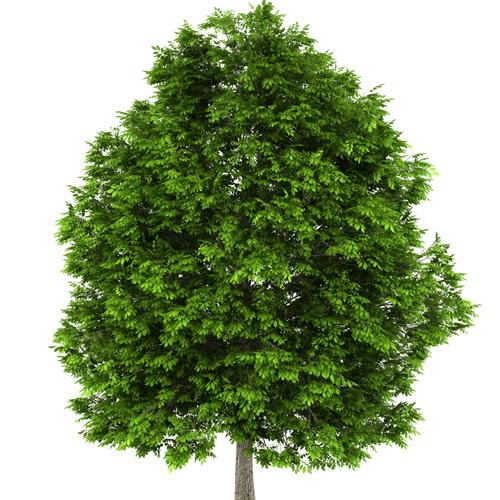
Ash refers to the common name for tree species belonging to the genus tree, which are particularly capable of growing in moist and wet conditions. It is notably prominent among tree species that form water basar forests in various regions of Anatolia. In addition, these trees can also grow along streams and rivers, on fertile soils, and even in dry areas. These species are observed to reach heights of up to 10 to 30 meters, with robust, straight trunks and rounded crowns. Ash can occur as either deciduous or evergreen trees or shrubs.
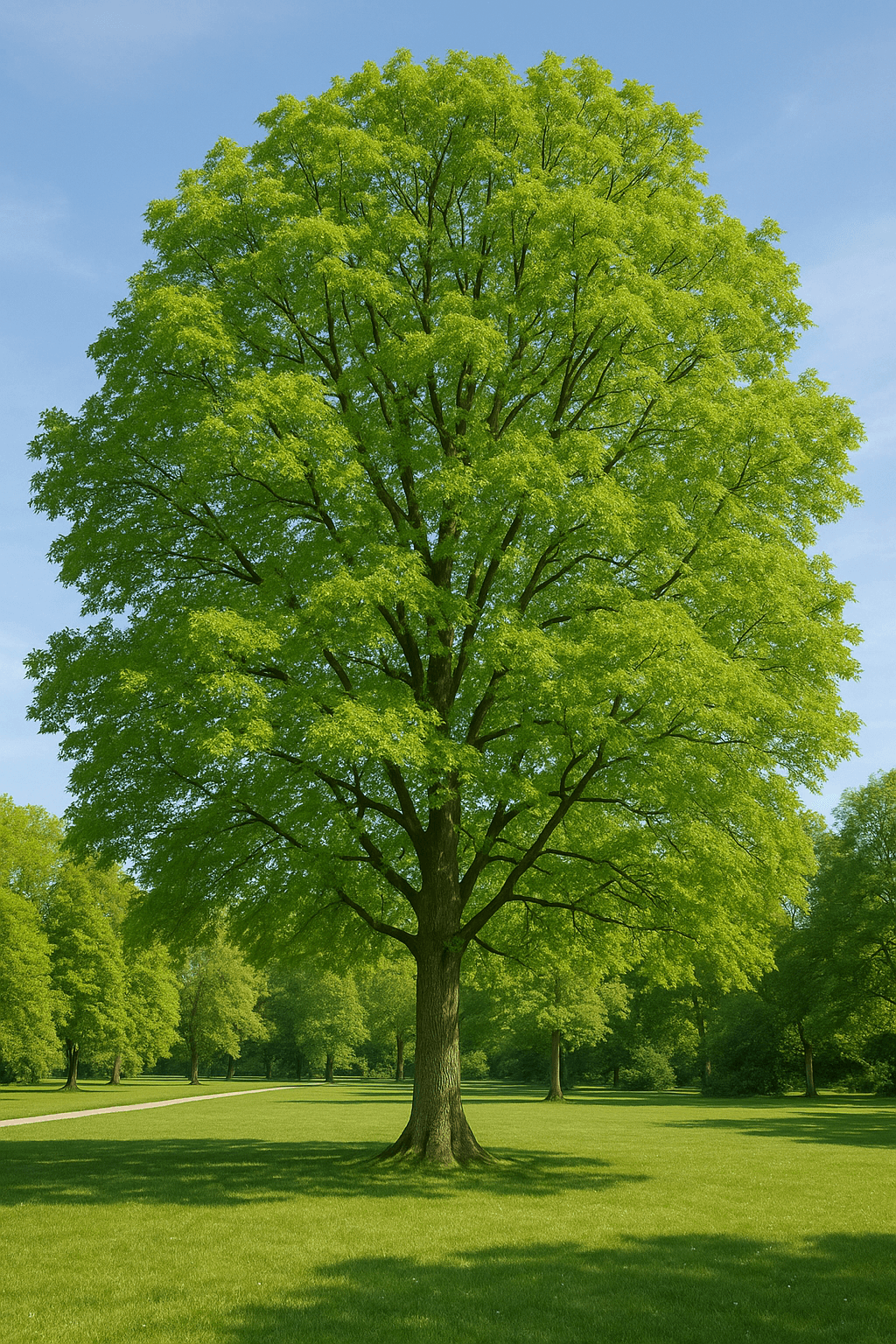
Ash tree (generated by artificial intelligence).
Ash species are distinguished by their large, compound leaves, each leaflet having toothed margins. A central main vein runs through the leaf, with numerous leaflets arranged along it. Ash leaves are typically arranged oppositely and symmetrically. In autumn, these leaves turn shades of yellow or red.
Ash flowers usually appear in terminal or lateral compound clusters or panicles. The flowers may have separate male and female organs, making them either dioecious or hermaphroditic. They are often conspicuous. The fruit is a samara, featuring a winged structure at the tip that enables the seeds to be dispersed over long distances. The fruits hang in clusters on branches, swaying like tassels.
Although ash prefers moist and wet environments, it can also thrive successfully in fertile, deep soils when conditions are suitable. In Anatolia, it is commonly found along streams, on productive lands, and in water basar forests. Some species are also able to adapt to drier climates. In their natural habitats, ash trees generally prefer shade and moist conditions, making them plants that require careful attention to irrigation and maintenance.
Ash wood is a preferred material due to its durability and decorative grain. However, because of these qualities, ash trees have historically suffered extensive logging and damage. Its wood is commonly used in furniture making, craft products, and the construction industry. Ash is also widely used in aesthetic landscape design.
Ash trees are susceptible to certain diseases and pests. In particular, pests such as aphids and beetles are commonly found on these trees. Additionally, diseases like leaf spot, rust, and certain tissue disorders can also affect ash trees. Therefore, regular maintenance and pest control are essential for healthy growth.
In conclusion, ash is a valuable tree species both aesthetically and functionally. It plays an important role in specialized ecosystems such as water basar forests and is frequently planted in parks and gardens. Careful attention to growing conditions and effective pest management ensure the tree’s healthy and long-lived development.
"Dişbudak." Atatürk Orman Çiftliği. Accessed April 17, 2025.https://www.aoc.gov.tr/Portal/BitkiselUretimler/disbudak/86.
"Dişbudak." Orman Genel Müdürlüğü. Accessed April 17, 2025.https://www.ogm.gov.tr/tr/yararli-bilgiler/haftanin-agaci/disbudak.

Latin Name | Fraxinus sp | ||||||||
|---|---|---|---|---|---|---|---|---|---|
Family | Oleaceae | ||||||||
Homeland | Temperate regions of the Northern Hemisphere | ||||||||
Location | Outdoor | ||||||||
Group | Ornamental Trees | ||||||||
Physical Characteristics, Leaf Structure, Flowers and Fruit
Habitat and Climate
Wood and Uses
Diseases and Pests