


This article was automatically translated from the original Turkish version.
+1 More
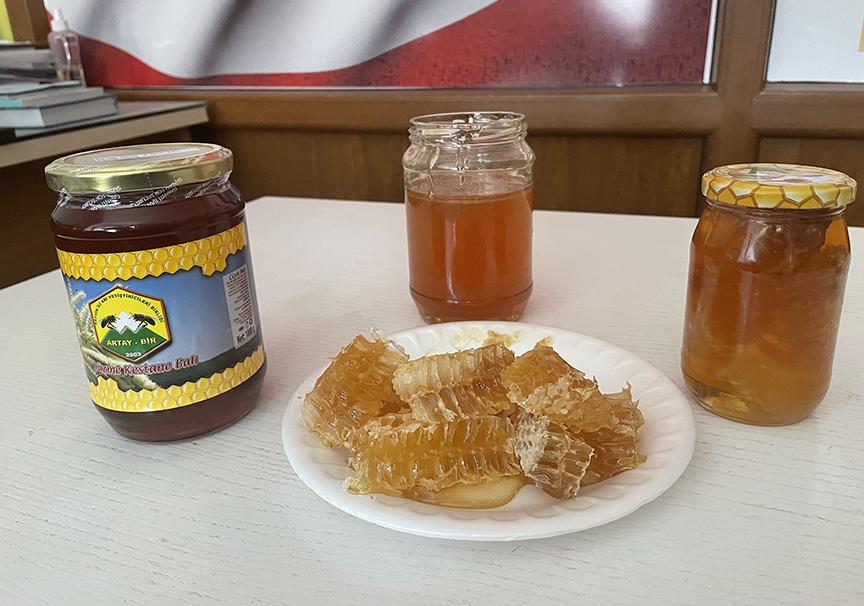
Arhavi Chestnut Honey
Registration Number | 1252 | ||||||||
|---|---|---|---|---|---|---|---|---|---|
Application Number | C2021/000524 | ||||||||
Application Date | 16.12.2021 | ||||||||
Registration Date | 10.11.2022 | ||||||||
Applicant/Registrant | Arhavi Ziraat Odası | ||||||||
Product / Product Group | Bal / Arı ürünleri | ||||||||
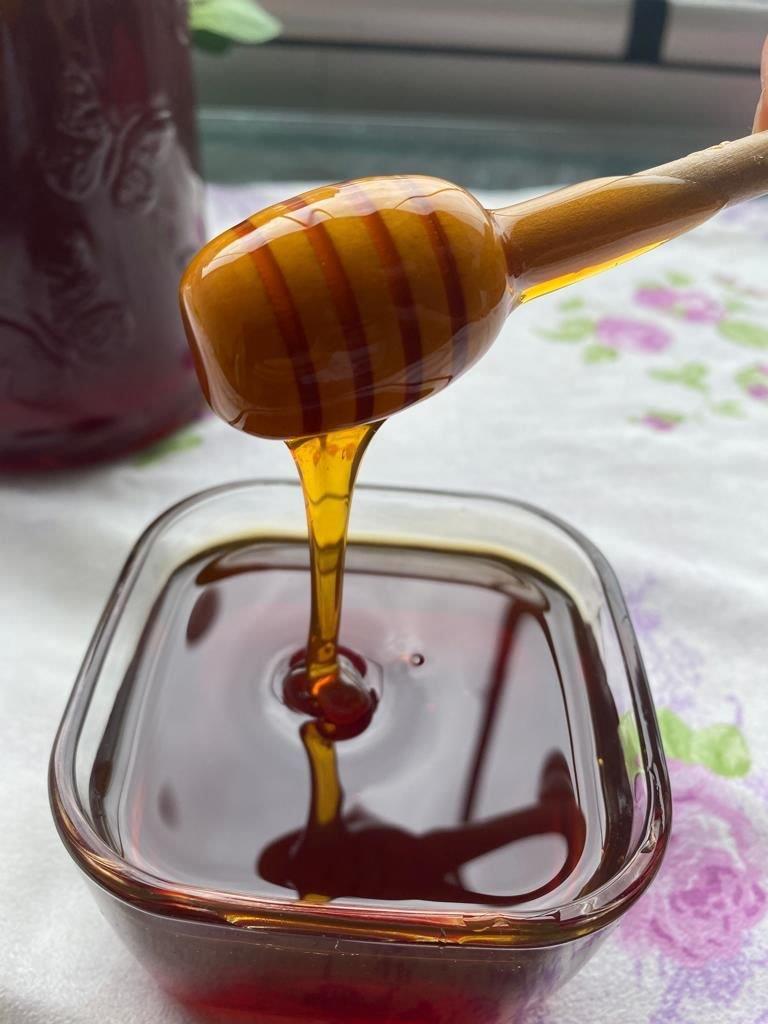
Arhavi Chestnut Honey is a honey produced by bees within the geographical boundaries of the Arhavi district of Artvin province, primarily from nectar collected from chestnut (Castanea sativa) and other flowering plants.
Arhavi chestnut honey is classified as a floral honey and is produced and marketed in filtered and/or comb honey forms. It has been registered by the Turkish Patent and Trademark Office as a "geographical name". A geographical name is used when all production, processing and other preparation stages of a product occur within a defined geographical area and the product’s distinctive characteristics are attributable to this geographical origin. The registration of Arhavi chestnut honey as a geographical name documents that its unique aroma, color and taste are due to the chestnut tree flora of Arhavi, which extends up to an average altitude of 1000 meters, the region’s rich vegetation, and centuries-old beekeeping practices.
Arhavi Kestane Balı (Türk Patent ve Marka Kurumu)
Arhavi Chestnut Honey is a honey in which pollen from the botanical source, chestnut (Castanea sativa), predominates in melissopalynological analyses. The chestnut pollen content constitutes at least 70% of the total pollen content. Monofloral honey types are named after their botanical source, in this case chestnut.
Arhavi chestnut honey is produced and presented to consumers in filtered and/or comb honey forms in accordance with the Turkish Food Code regulations.
Pesticides authorized under relevant regulations are used strictly in accordance with their product labels.
The geographical boundary of Arhavi chestnut honey is the Arhavi district of Artvin province. All stages of production occur within this geographical area under the region’s unique climate (a Black Sea climate characterized by rainfall throughout all seasons, mild winters and high annual average temperatures) and rich vegetation (dense and abundant flora dominated by chestnut, oriental hornbeam, oak, alder, black poplar, plane, pine and linden trees).
The application for the geographical indication registration of Arhavi chestnut honey was submitted by the Arhavi Chamber of Agriculture. The application was filed on 16 December 2021 under reference number C2021/000524. Following the evaluation process, the product was officially registered as a "geographical name" on 10 November 2022 under registration number 1252. The registrant’s address is recorded as Musazade Neighborhood, Kazım Karabekir Street, Arhavi, Artvin.
Anadolu Ajansı. 2022. “Bitki Çeşitliliği Açısından Zengin Artvin’de Bu Yıl 800 Ton Bal Üretildi.” Anadolu Ajansı, October 24, 2022. Accessed May 26, 2025.https://www.aa.com.tr/tr/ekonomi/bitki-cesitliligi-acisindan-zengin-artvinde-bu-yil-800-ton-bal-uretildi/2719338
Turkish Patent and Trademark Office. 2022. *Arhavi Kestane Balı Coğrafi İşaretTescil No. Registration No. 1252. Ankara: Turkish Patent and Trademark Office. Accessed May 26, 2025.https://ci.turkpatent.gov.tr/cografi-isaretler/detay/5667

Arhavi Chestnut Honey
Registration Number | 1252 | ||||||||
|---|---|---|---|---|---|---|---|---|---|
Application Number | C2021/000524 | ||||||||
Application Date | 16.12.2021 | ||||||||
Registration Date | 10.11.2022 | ||||||||
Applicant/Registrant | Arhavi Ziraat Odası | ||||||||
Product / Product Group | Bal / Arı ürünleri | ||||||||
No Discussion Added Yet
Start discussion for "Arhavi Chestnut Honey" article
Product Profile and Geographical Indication Type
Product Definition and Distinctive Characteristics
Production Method
Beekeeping Activities
Pest Control
Geographical Origin and Boundaries
Registration Process and Details