


This article was automatically translated from the original Turkish version.
Anatolian Culture
Time Period | Around 3000–2500 BCE, from the early Bronze Age | ||||||||
|---|---|---|---|---|---|---|---|---|---|
Geographical Location | The western part of the Altai Mountains and the Central Tien Shan region of Central Asia | ||||||||
Economy | Agriculture and animal husbandry | ||||||||
Settlement Area | The most important settlement area is the Merv plain located in the southeast of Turkmenistan | ||||||||
Religious Beliefs | Shamanist belief | ||||||||
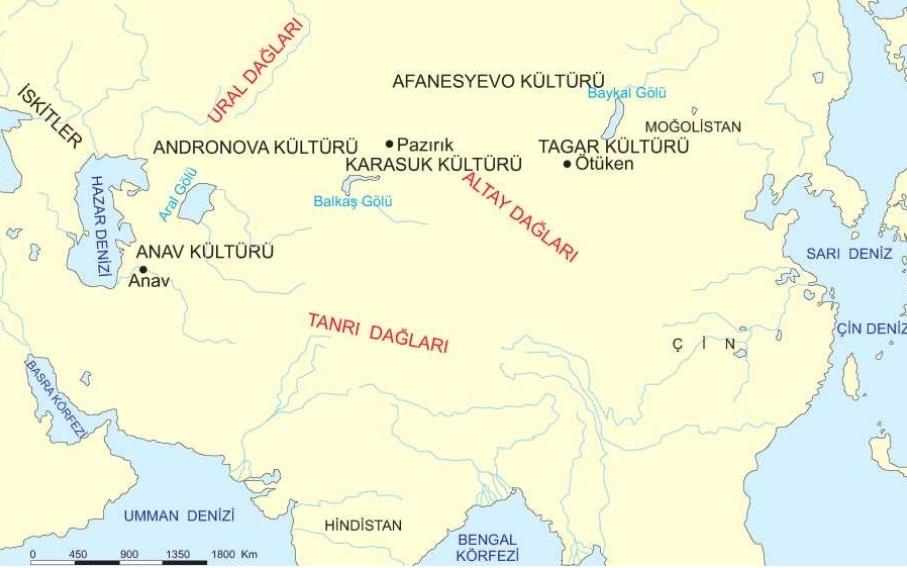
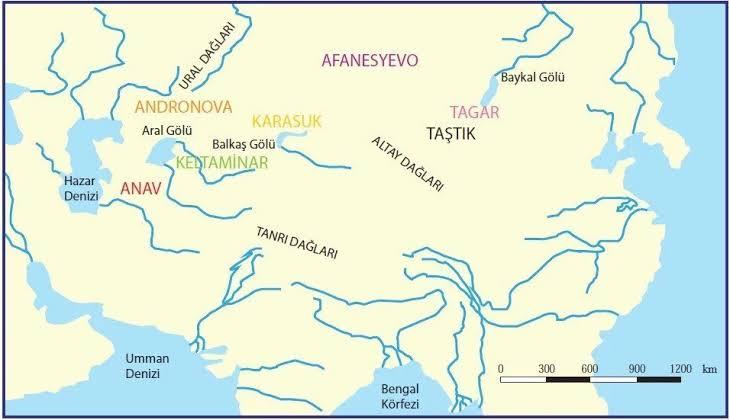
The Anau Culture is an important early Bronze Age culture that developed around 3000–2500 BCE in western Altai Mountains and the central Tian Shan region of Asia. Named after the Anau region in the Merv plain of Merv, Turkmenistan, this culture symbolizes the transition to settled life and cultural interaction in Central Asia. The Anau Culture is notable for its archaeological findings, artistic production, settlement patterns and social structure.
The most important settlement area of the Anau Culture is the Merv plain located in southeastern Turkmenistan. This region is among the most fertile in Central Asia and provided the Anau people with the conditions necessary for agriculture and animal husbandry. Most Anau settlements were located near water sources. Evidence suggests that the Anau people shaped their settlements largely through irrigation techniques, enabling them to achieve significant success in farming. These settlements were typically situated in open areas, while in some regions, houses built of stone and mudbrick, along with large courtyards and communal living spaces, stand out.
Anau Culture - geographic distribution
Anau settlements generally consist of single-story and small dwellings, alongside open areas that supported agricultural and pastoral activities. Burial grounds surrounding these settlements provide important clues about the people’s beliefs and death rituals.
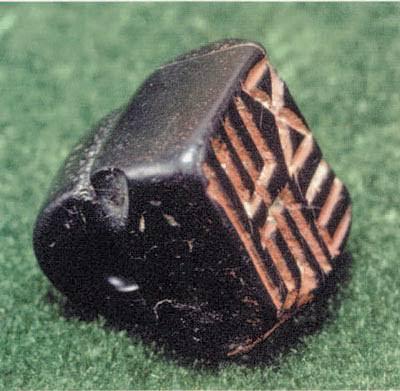
One of the most distinctive features of the Anau Culture is its advanced understanding of art and craft. The Anau people made significant advances in metalworking, producing jewelry, tools, figurines and religious icons from copper, bronze, gold and silver. These artifacts carry both aesthetic and symbolic meaning. It is evident that Anau metalwork influenced other cultures in Central Asia. Metal objects served as important indicators of social status. Gold and bronze jewelry were typically associated with the elite class and conveyed not only aesthetic value but also religious and social symbols.
Anau Culture - seal
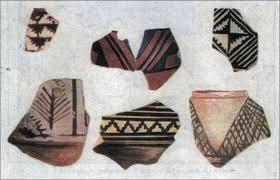
Another important artistic form of the Anau Culture is pottery. Pottery was produced widely for daily use and also played a role in religious rituals. Decorations on pottery include animal figures, natural elements and geometric patterns. These designs reflect the beliefs and culture of the Anau people. Such figurative motifs symbolize their strong connection to nature and shamanistic beliefs.
Anau Culture - pottery
The social structure of the Anau people was distinctly hierarchical. In this early Bronze Age society, clear distinctions existed between the elite class and the common people. Differences in the size and contents of houses within Anau settlements indicate social stratification. Particularly large and wealthy burials belonged to individuals of high status, and the artifacts and rich contents found in these graves reveal their social power and wealth.
Social hierarchy was also shaped by the influence of religious leaders and shamans. Shamanistic beliefs held a central place in the religious and cultural life of the Anau society. Figurative stones, animal motifs and special jewelry found in graves reinforce the connection between social status and belief systems. The elite segments of society held significant roles not only materially but also religiously and ritually.
The economy of the Anau Culture developed across multiple domains, primarily agriculture and animal husbandry. The use of irrigation systems in agriculture emerged as a direct consequence of this culture’s settlement in fertile lands. The Anau people cultivated crops such as wheat, barley and lentils using these irrigation techniques. Their agricultural success was one of the key factors in their transition to a settled lifestyle.
Animal husbandry played a vital role in the Anau economy. Small livestock such as cattle, sheep and goats served not only as a food source but also as economically valuable assets. These animals held significant importance in both daily life and religious rituals. In addition, the Anau people engaged in trade, particularly in valuable metals, which enhanced cultural interaction with neighboring regions.
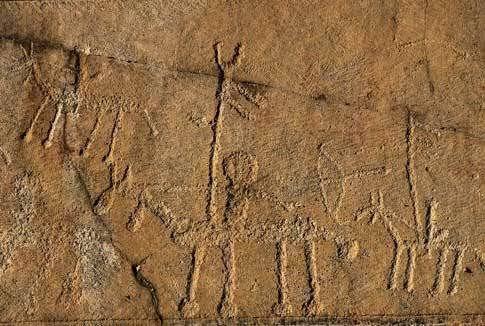
Anau Culture - representative
The religious beliefs of the Anau people were based on a shamanistic worldview. Concepts of death and the afterlife are clearly evident in burial rituals and burial customs. Anau graves serve as important structures reflecting the society’s beliefs. Stone figures found in graves symbolize religious convictions and a worldview in harmony with nature. Animal motifs, in particular, demonstrate the Anau people’s deep connection to nature and their reverence for animals. Objects placed alongside the deceased are interpreted as evidence of a belief in life after death.
Jewelry, pottery and other objects found in Anau graves indicate that they were used as extensions of the deceased’s earthly life. The rich contents of these burials point to the high social status of the individuals interred. These rituals carried both social and religious significance.
The Anau Culture occupied an important place in early Bronze Age Central Asia. It holds great significance both in terms of its artistic production and social structure. Alongside fundamental economic activities such as metalwork, pottery production, agriculture and animal husbandry, the Anau people’s religious and cultural beliefs have left enduring traces. Through interaction with other Central Asian cultures, the Anau Culture played a significant role in the historical process. Today, the archaeological findings of the Anau Culture provide profound insight into early settled life in the region.

Anatolian Culture
Time Period | Around 3000–2500 BCE, from the early Bronze Age | ||||||||
|---|---|---|---|---|---|---|---|---|---|
Geographical Location | The western part of the Altai Mountains and the Central Tien Shan region of Central Asia | ||||||||
Economy | Agriculture and animal husbandry | ||||||||
Settlement Area | The most important settlement area is the Merv plain located in the southeast of Turkmenistan | ||||||||
Religious Beliefs | Shamanist belief | ||||||||
Settlement Areas and Geographic Distribution
Art and Craft: Metalwork and Pottery
Social Structure and Hierarchy
Agriculture and Economy: The Role of Animal Husbandry and Trade
Religious Beliefs and Death Rituals
Cultural Legacy