

`bronze-age` Related Article Results
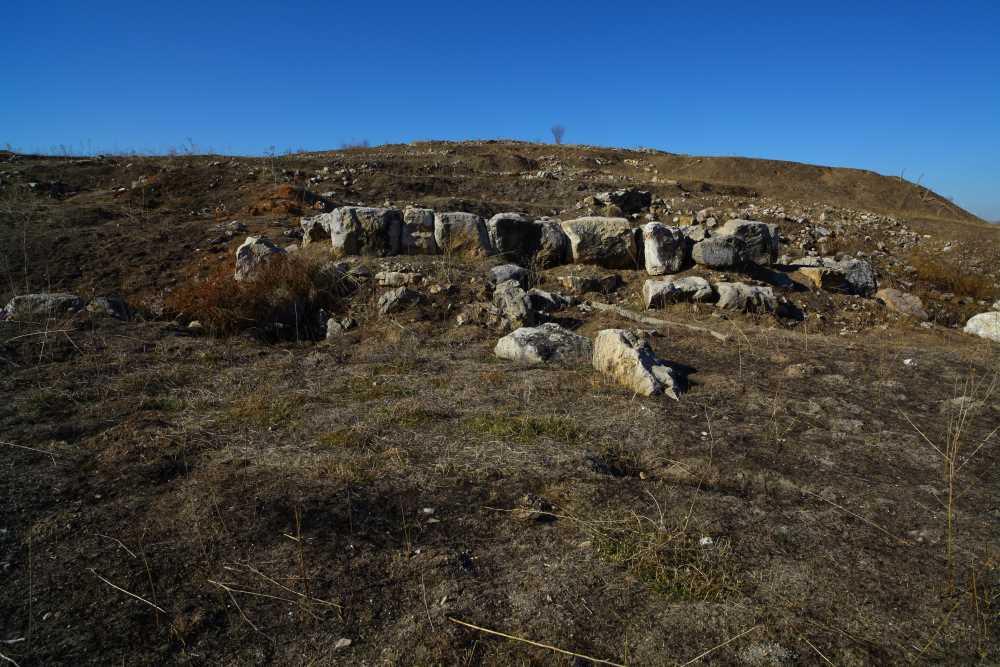
Zile Maşat Höyük
Maşat Höyük is an archaeological mound located within the boundaries of the Zile district of Tokat Province, exhibiting continuous settlement from the Middle Bronze Age to the Iron Age. Based on archaeological findings linked to Hittite written records, Maşat Höyük is one of the key centers illuminating the prehistoric and early historic periods of Anatolia, particularly noted for its archival remains and defensive structures from the Hittite period. Excavations have revealed the extent to which
EN
Yusuf İslam Tuğla

Hittites
The Hittites attracted attention as an Indo-European people when they first appeared on the historical stage in Anatolia. Although their origins cannot be definitively established, the prevailing view based on linguistic and archaeological evidence is that the Hittites migrated into Anatolia from the Caucasus region around the end of the third millennium BCE. This migration was a long-term transformation that brought profound changes to the ethnic and cultural fabric of Anatolia. Upon arriving i
EN
Yahya B. Keskin
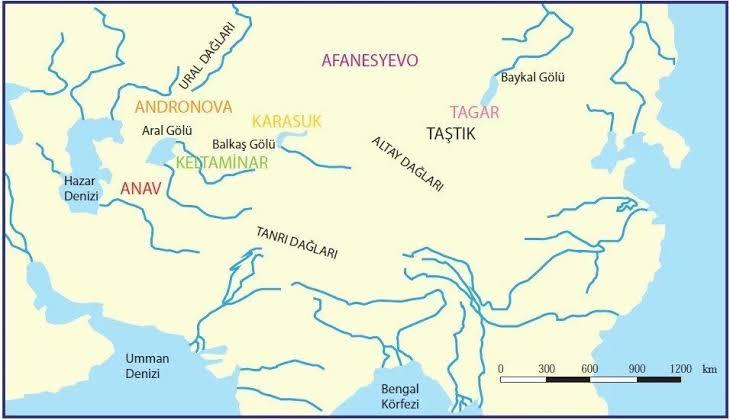
Anav Culture
The Anau Culture is an early Bronze Age culture that developed around 3000–2500 BCE in the western Altai Mountains and the central Tian Shan region. Named after the Anau region in the plains of Turkmenistan, it symbolizes the transition to settled life and cultural interaction in Central Asia. The Anau Culture is notable for its archaeological findings, artistic production, settlement patterns, and social structure. Settlement Areas and Geographic Distribution The most important settlement area
EN
Esmanur Demir
Marmaris Museum and Castle
Marmaris Museum and Castle is a first-degree monumental defensive and settlement complex situated on a promontory overlooking the sea in the Marmaris district of Muğla Province, Türkiye. Since 18 May 1991, it has housed the Marmaris Museum and contains a multi-layered archaeological collection spanning from the Chalcolithic Age to the Republican Era. Location and General Features The castle was constructed on a natural rock mass directly behind Marmaris Harbor, following a four-tiered plan. Regu
EN
Neriman Çalışkan

Tunç Çağı
The Bronze Age is a historical period defined by the production and use of bronze, an alloy made by combining copper and tin. This alloy is harder than pure copper and was used to manufacture weapons, tools, and other objects. The emergence of bronze production brought about not only technological advancements but also social and economic transformations. This period first appeared in regions such as Anatolia, the Aegean, and Mesopotamia around the 3000s BCE. Initially, bronze was used by a limi
EN
Kaan Kutay Duran
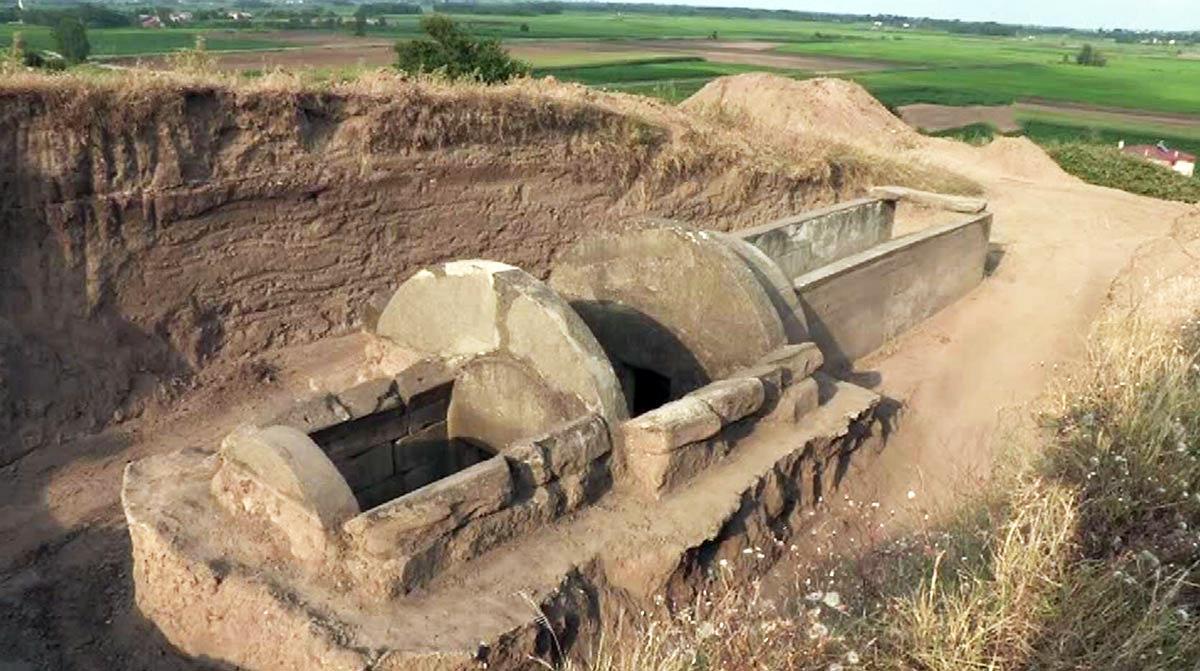
İkiztepe Höyüğü
İkiztepe Höyüğü is located within the boundaries of Bafra district, Samsun province, in the northeastern part of the Kızılırmak Delta. The site is approximately 7 km from the point where the Kızılırmak River flows into the Black Sea. The settlement, situated at an elevation of about 10 meters above sea level, consists of four mounds and contains occupation layers from different periods. The region is recognized as one of the centers providing the most comprehensive archaeological data for the Br
EN
Bilge Öztürk
 Se
SeSeyitömer Höyüğü
Seyitömer Höyüğü is located 26 kilometers northwest of the city center of Kütahya, Türkiye, within the operational area of Çelikler Seyitömer Elektrik Üretim AŞ. The mound has a diameter of 150 by 140 meters and a height of approximately 23.5 to 26 meters. It has an oval plan with a steep northern slope and a gently sloping southern side. Its summit forms a flat area of about 2,000 square meters. The mound rests on a layer of clayey rock known as marl; beneath this layer lies a lignite coal rese
EN
Melike Saraç
Oylum Höyük
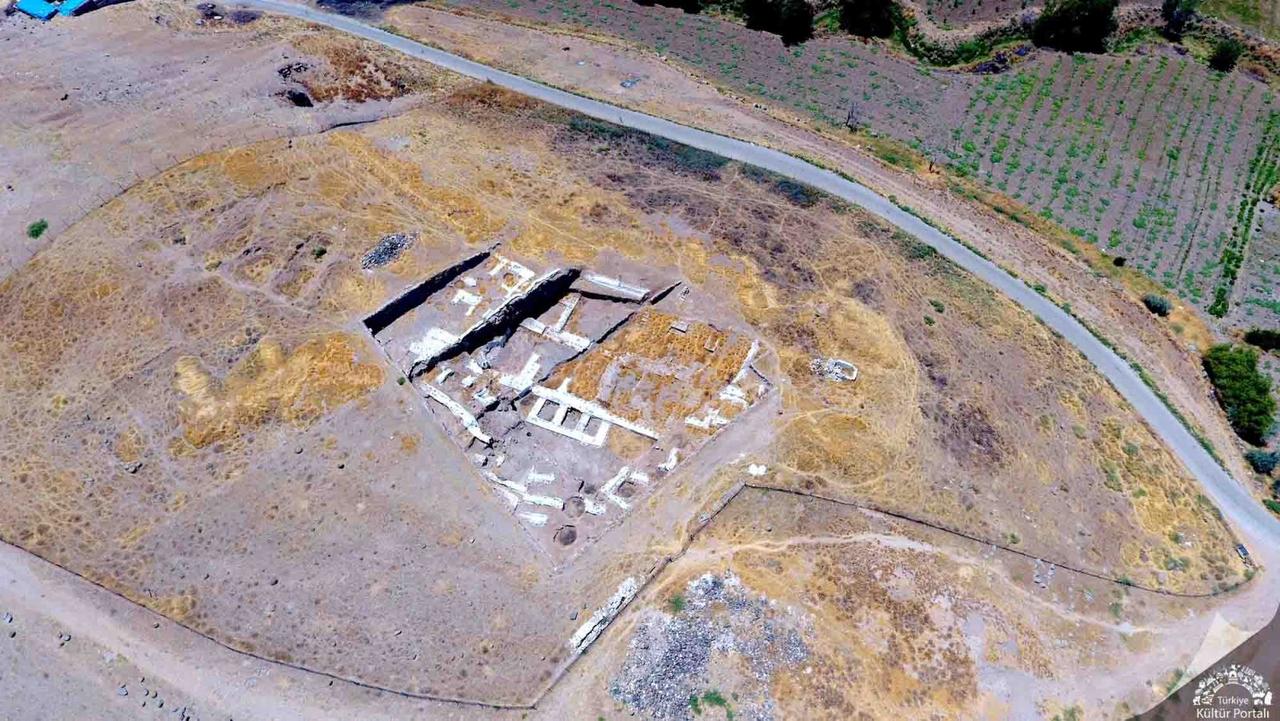
Oylum Höyük is one of the largest tells in Southeastern Anatolia, located within the boundaries of Kilis Province, south of the Gaziantep highway and east of Oylum Village. The tell features a base measuring 460 × 320/370 meters and is connected by a narrow neck to two main elevations, one 22 meters and the other 37 meters high. The Akpınar Stream flows along its western slopes and is part of the natural waterway system linking the Asi River and the Euphrates. The settlement occupies a strategic
ENNeriman Çalışkan
Anav Culture
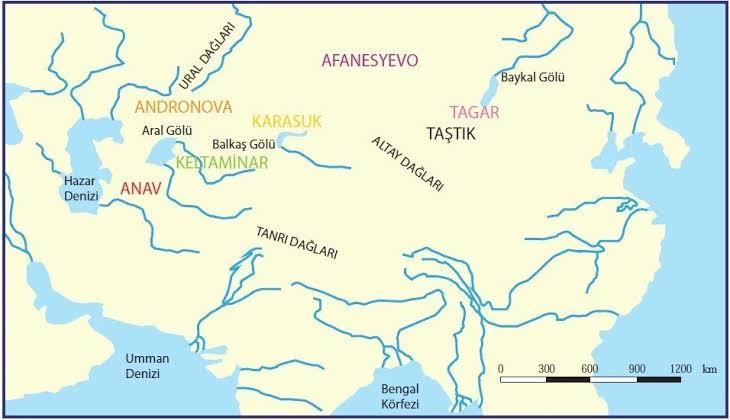
The Anau Culture is an important early Bronze Age culture that developed around 3000–2500 BCE in western Altai Mountains and the central Tian Shan region of Asia. Named after the Anau region in the Merv plain of Merv, Turkmenistan, this culture symbolizes the transition to settled life and cultural interaction in Central Asia. The Anau Culture is notable for its archaeological findings, artistic production, settlement patterns and social structure. Settlement Areas and Geographic Distribution Th
EN
Esmanur Demir

Hittites
Hittites, upon their emergence on the historical stage, attracted attention as an Indo-European people in the Anatolian region. Although their origins cannot be definitively established, the prevailing view, based on linguistic and archaeological evidence, is that the Hittites migrated into Anatolia from the Caucasus around the end of the third millennium BCE. This migration was a long-term transformation that brought profound changes to Anatolia’s ethnic and cultural structure. Upon arriving in
EN
Yahya B. Keskin