

 Recently Added:
This article was automatically translated from the original Turkish version.
The 2026 Algeria parliamentary elections were the second legislative election held since the 2019 Hirak protests that led to the resignation of former President Abdelaziz Bouteflika. The elections aimed to determine the 407 members of the People's National Assembly (APN); 395 of these seats were allocated to constituencies within the country and 12 to represent Algerians living abroad. The elections, which granted voting rights to approximately 24 million registered voters, attracted national and international attention due to low voter turnout limited opposition representation and controversies surrounding the electoral process.
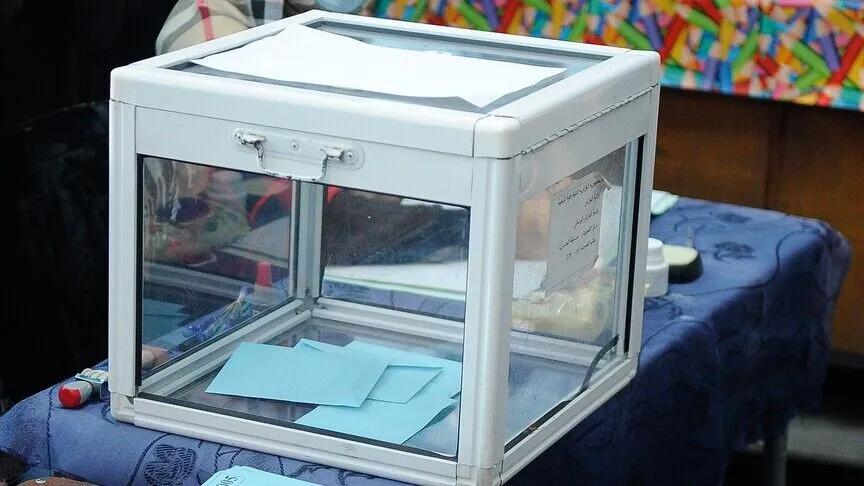
Voting began at 08:00 local time on 2 July 2026 in all 69 provinces of the country. In accordance with powers granted by electoral law the closing time of polling stations was extended by one hour to 20:00 to encourage greater participation. For Algerians residing abroad the voting process commenced on 27 June and concluded on election day.
The Independent National Electoral Authority (ANIE) announced an internal voter turnout rate of 11.24 percent as of 15:00 on election day. Initial assessments following the closure of polling stations confirmed that turnout remained low compared to previous elections.
According to preliminary results released by the Independent National Electoral Authority the domestic voter turnout rate reached 20.79 percent indicating that approximately five million voters cast ballots. Among Algerians living abroad the initial turnout rate was 10.67 percent. It was noted that voting operations in some countries concluded later due to time zone differences and that final diaspora results would be incorporated later.
The turnout rate in the 2026 elections fell below the approximately 30 percent recorded in the 2021 People's National Assembly elections. As a result the elections are among the lowest in voter participation in Algeria’s parliamentary elections in recent years.
The Independent National Electoral Authority holds the authority to announce provisional election results. After collecting and verifying all reports from municipalities within the country and overseas polling centers the Authority publishes the number of seats won by political parties and independent lists. Final results are officially declared by the Algerian Constitutional Council following the evaluation of any potential objections.
The 2026 parliamentary elections were viewed as a significant test of the political order that emerged after the Hirak protests. The mass demonstrations that began in 2019 culminated in the resignation of long-serving President Abdelaziz Bouteflika and brought demands for political reform to the forefront of national discourse.
Prior to the elections the disqualification of some opposition candidates and criticisms from opposition parties regarding the electoral process fueled debate over the fairness of the environment. While some opposition groups called for a boycott the government maintained that the elections were conducted freely and transparently in accordance with the constitutional schedule.
International media outlets assessed the elections primarily in the context of low voter turnout the political transformation process following the Hirak movement and the limited participation of the opposition. Analyses indicated that the election served as a key indicator of public reception of the political reforms implemented by President Abdelmadjid Tebboune’s administration with commentators suggesting that the low turnout reflected voters’ limited engagement with the political process. Nevertheless the Algerian authorities emphasized that the elections were conducted within the constitutional framework and that democratic institutions continued to function.
Al Jazeera. "Algeria to vote in test of post-Hirak political landscape." Accessed July 3, 2026. https://www.aljazeera.com/news/2026/7/1/algeria-to-vote-in-test-of-post-hirak-political-landscape
Anadolu Ajansı. "Cezayir'deki parlamento seçimlerinde katılım yüzde 20,79'da kaldı." Accessed July 3, 2026. https://www.aa.com.tr/tr/dunya/cezayirdeki-parlamento-secimlerinde-katilim-yuzde-20-79da-kaldi/3984819
Anadolu Ajansı. "Voter turnout in Algeria parliamentary elections reaches 11.24% by mid-day: Election Commission." Accessed July 3, 2026. https://www.aa.com.tr/en/africa/voter-turnout-in-algeria-parliamentary-elections-reaches-1124-by-mid-day-election-commission/3984077
Associated Press (AP News). "Algerians vote in parliamentary elections amid low expectations and political restrictions." Accessed July 3, 2026. https://apnews.com/article/algeria-algiers-parliamentary-elections-34653095427e8d0a4cae36ade1b2d5c1
France 24. "Algerians vote in parliamentary elections overshadowed by candidate bans." Accessed July 3, 2026. https://www.france24.com/en/africa/20260702-algerians-vote-in-parliamentary-elections-overshadowed-by-candidate-bans

In the parliamentary elections held in Algeria on 2 July 2026, voter turnout within the country remained at 20.79 percent. The elections, in which approximately 24 million voters were eligible to cast ballots, marked the second parliamentary election since the Hirak protests and drew public attention due to the low turnout and debates surrounding the electoral process.
No Discussion Added Yet
Start discussion for "Algeria 2026 Parliamentary Elections" article
July 3, 2026
Election Process
July 3, 2026
Voter Turnout
July 3, 2026
Electoral System and Result Announcement
July 3, 2026
Political Context
July 3, 2026
International Assessments