

`democracy` Related Article Results
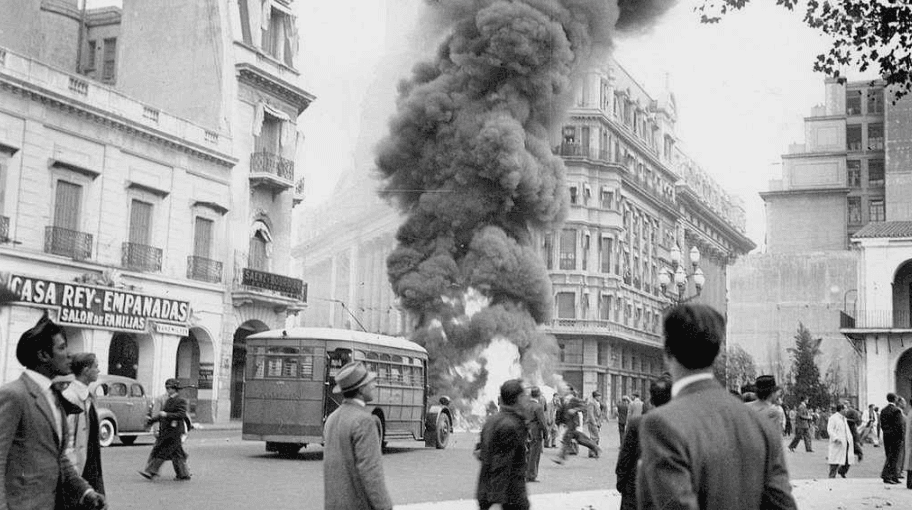
Military Coups in Argentina (1930–1976)
Between 1930 and 1976, six military coups in Türkiye marked a period in which the country’s democratization process was repeatedly interrupted, accompanied by economic crises and political instability. The transition to democracy in the country became a complex struggle not merely defined by elections but also by the difficult establishment of democratic norms and institutions. Although the return to democracy in 1983 was regarded as a new beginning for Türkiye, the institutionalization of the d
EN
Harun Arapkirli
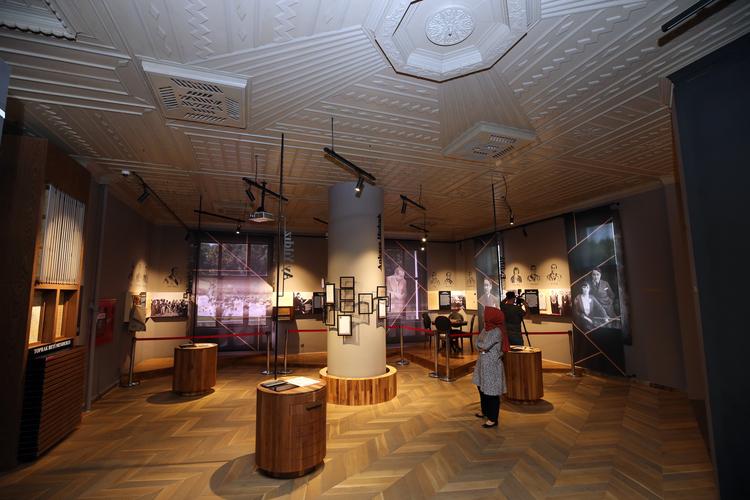
Adnan Menderes Democracy Museum
Adnan Menderes Democracy Museum is an interactive museum that presents the life, political struggle, and place in Türkiye’s democratic history of Prime Minister Adnan Menderes, a pivotal figure in Türkiye Republic’s transition to multi-party politics, through contemporary museum practices. It is located in the Çakırbeyli Village of Koçarlı District in Aydın Province, on the very land where Menderes was born and raised. The museum was constructed between 2019 and 2020 under the directive of Presi
EN
Duygu Şahinler
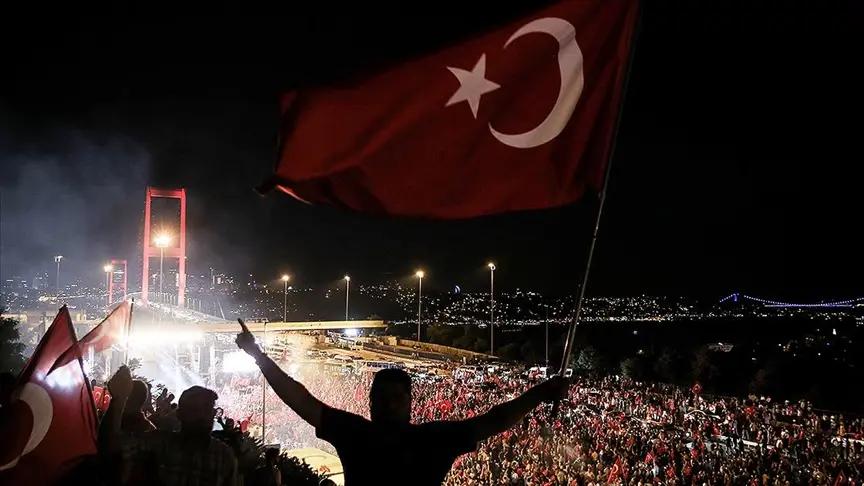
July 15 - Democracy and National Unity Day
Democracy and National Unity Day is an official commemoration day declared in Türkiye following the failed military coup attempt on July 15, 2016, which targeted the constitutional order and democratic structure. This coup attempt, in which the public participated directly for the first time in the history of the Republic of Türkiye, was thwarted through the coordinated resistance of state institutions and citizens. Following this process, July 15 has been commemorated each year as “Democracy an
EN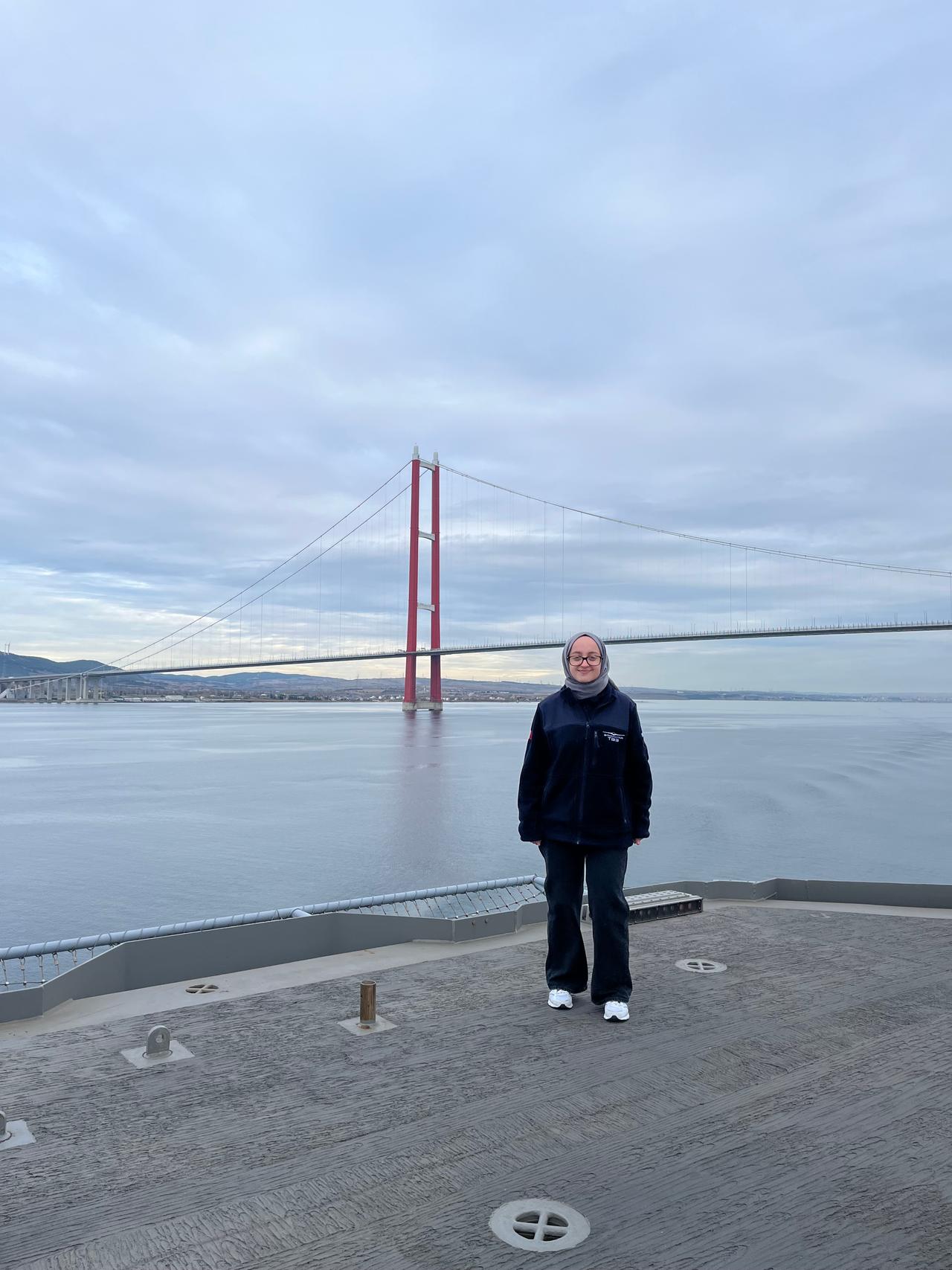
Sümeyye Akkanat Terzioğlu
Memory July 15th Museum and Martyrs Monument
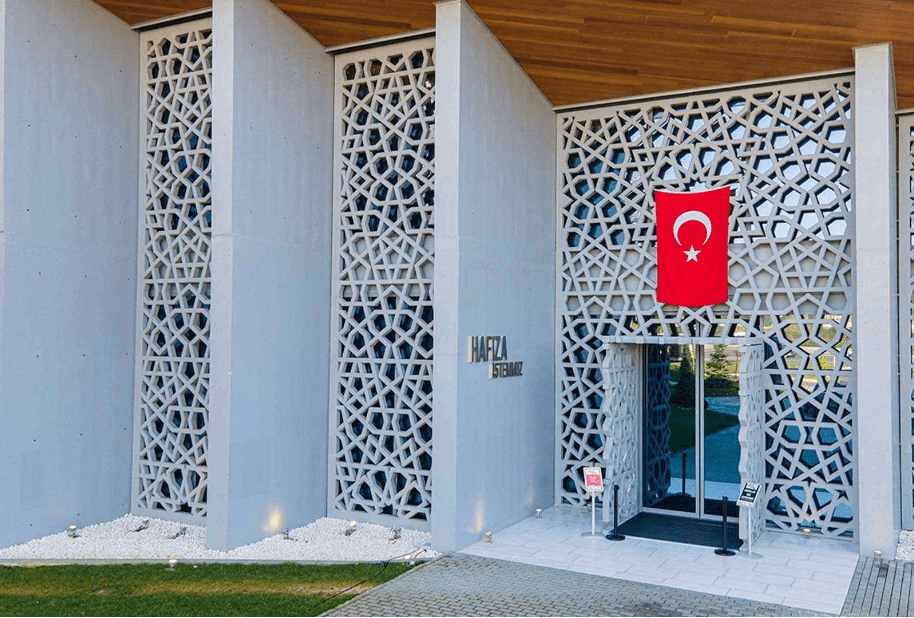
The July 15 Martyrs Memorial and Museum is located in the Kuzguncuk neighborhood of Istanbul’s Üsküdar district. It was constructed to commemorate the failed coup attempt that took place in 2016 and to honor the memory of those who lost their lives during this critical period. Widely regarded as a turning point in the history of the Republic of Türkiye, the July 15 coup attempt is remembered as a night when civilian resistance and a collective consciousness of democracy were powerfully demonstra
EN
Esra Can

Authoritarian Populism
Authoritarian populism is understood in political science as a phenomenon in which governments that come to power through democratic processes gradually exhibit authoritarian tendencies while maintaining or even increasing their support within society. This concept refers specifically to the process by which leaders and parties elected through elections centralize political power, weaken institutional checks and balances, and restrict the influence of the opposition. In authoritarian populist pr
EN
Ömer Said Aydın
Metapolitefsi
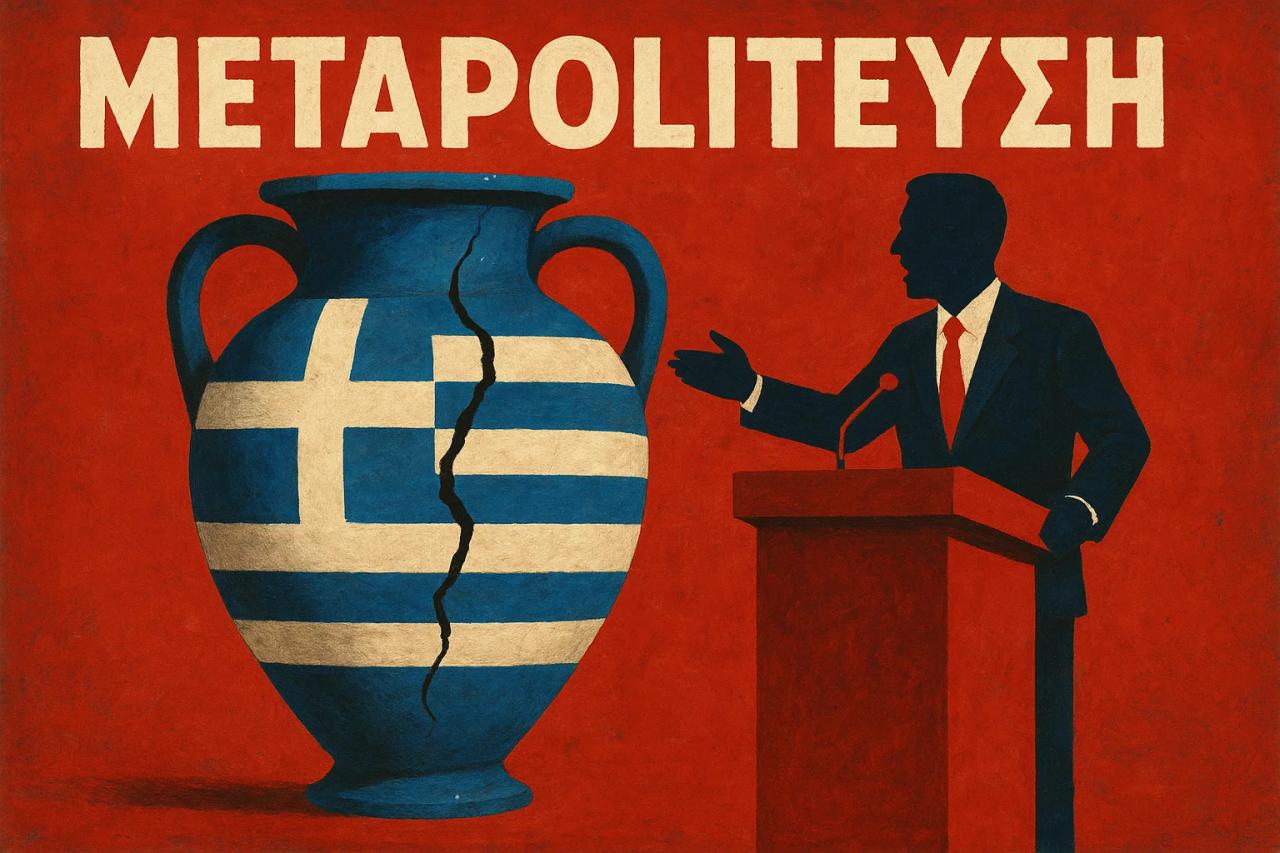
Metapolitefsi is the process of overthrowing the military regime that ruled Greece from 1967 to 1974 and transitioning to a democratic order. This process began with the Cyprus Issue and the collapse of the junta regime on 23 July 1974 and was completed with the return of Konstantinos Karamanlis to the country and his establishment of a parliamentary democracy under a new constitution.Can Kızılkan, Yunanistan'ın Bölgesel Stratejisi ve Ege'de Deniz Güvenliği: 1974'ten Günümüze (Ankara: Nobel Yayı
EN
Şafak Yıldırım

What is the Statue of Liberty?
The Statue of Liberty is a monumental statue located in the city of New York, United States. It symbolizes freedom and independence. The French gifted this statue in 1886 to demonstrate their friendship with America. The statue is very large and holds a torch in its hand; this torch represents the light of liberty. The Statue of Liberty stands as a symbol of hope and freedom for people around the world. As ships approach New York Harbor, the statue reminds arriving immigrants that they have reac
EN
İbrahim Filiz
 Th
ThThe Bronze Law of the Oligarchy
The Iron Law of Oligarchy is a theory in the sociology of politics, first articulated by sociologist Robert Michels in his 1911 work Sociology of Political Parties: An Investigation into the Oligarchical Tendencies of Modern Democracy (German: Zur Soziologie des Parteiwesens in der modernen Demokratie). In its most concise formulation, the law asserts that every type of organization, regardless of its nature, inevitably evolves into the rule of a minority—a minority that becomes an oligarchy. Ac
ENYunus Emre Yüce
OrOrganization for Economic Cooperation and Development (OECD)
The Organisation for Economic Co-operation and Development (OECD) is an international body composed of 38 countries committed to democracy and market economies. Its headquarters are in Paris, France. The fundamental aim of the OECD is to promote the economic development of its member countries, increase employment, raise living standards, maintain fiscal stability, contribute to the economic development of other nations, and support growth in global trade. History The predecessor of the OECD was
EN
Melike Saraç
Peru 2026 Presidential Election
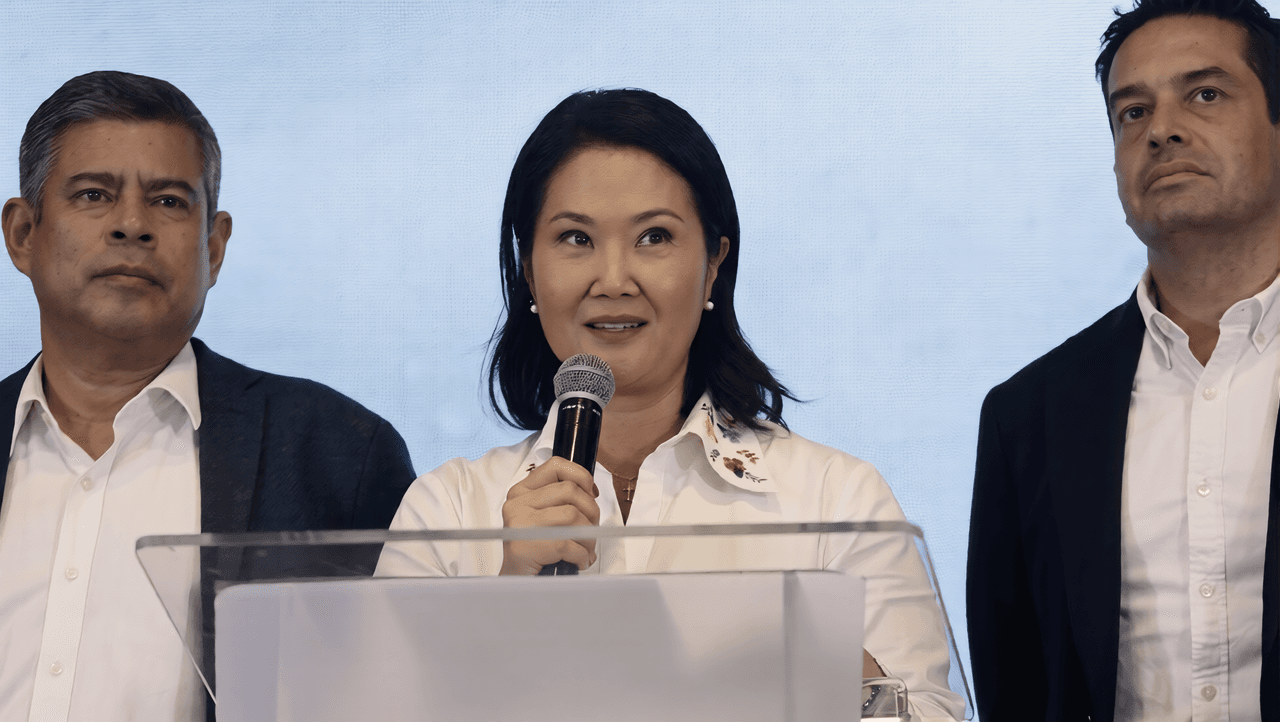
The 2026 Peruvian presidential election, was held on 7 June 2026 as the second round of a two-round voting system. The election pitted conservative right-wing candidate Keiko Fujimori against left-leaning candidate Roberto Sánchez. After the vote count was finalized on 3 July, Keiko Fujimori won with 50.13 percent of the vote and was elected as Peru’s new president. The election is one of the closest in the country’s history, with a margin of approximately 49,641 votes between the two candidates
EN
Zeynep Gül