
`international-relations` Related Article Results
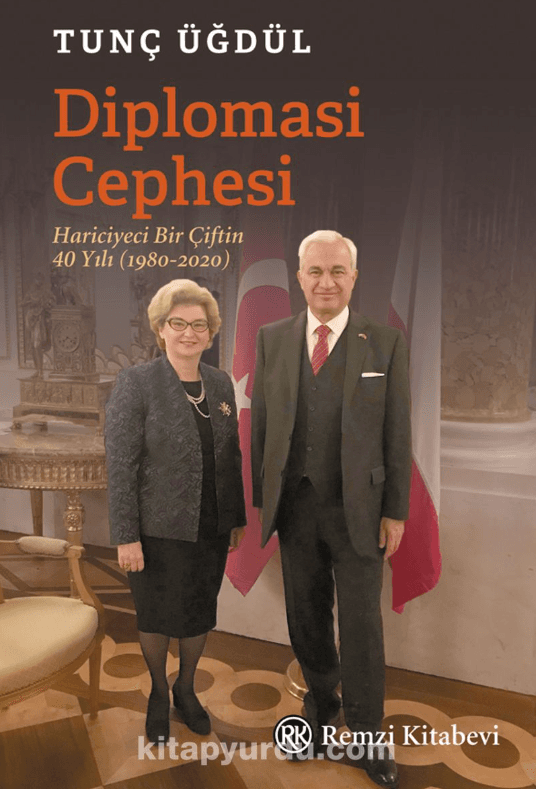
Diplomacy Front (Book)
Tunç Üğdül’s book Diplomasi Cephesi is known as a work that offers an insider’s perspective on the world of diplomacy and examines in detail the complex processes of international relations. Author draws on his own experiences to convey to readers the concept of diplomacy, the evolving dynamics of international relations, and Türkiye’s position within this field. He has documented his and his spouse’s diplomatic journey—from the early years of their careers at the Ministry of Foreign Affairs to
EN
Ahsen Karakaş
 Di
DiDiplomat Sahabiler (Book)
Mehmet Ali Kapar’s work Diplomat Sahabiler examines the diplomatic roles assumed by the Companions during the early period of Islamic history. The book analyzes, within a broader context, how the Companions, under the guidance of our Prophet (peace be upon him), embraced principles of peace and justice to convey Islam’s universal message. Work details the Companions’ competencies in these duties, their ability to manage human relations, and their contributions to the diplomatic understanding of
ENAhsen Karakaş
ThThe Decline of Nations (Book)
Daron Acemoglu and James A. Robinson’s book Why Nations Fail investigates the causes of differences in economic and political development among nations. The authors analyze why nations with similar historical conditions have followed divergent economic and political paths. The book attempts to explain the origins of wealth and poverty through the role of institutions. Book Content Why Nations Fail " image-alternate="" image-element-format="right"> Inclusive and Extractive Institutions The aut
ENAhsen Karakaş
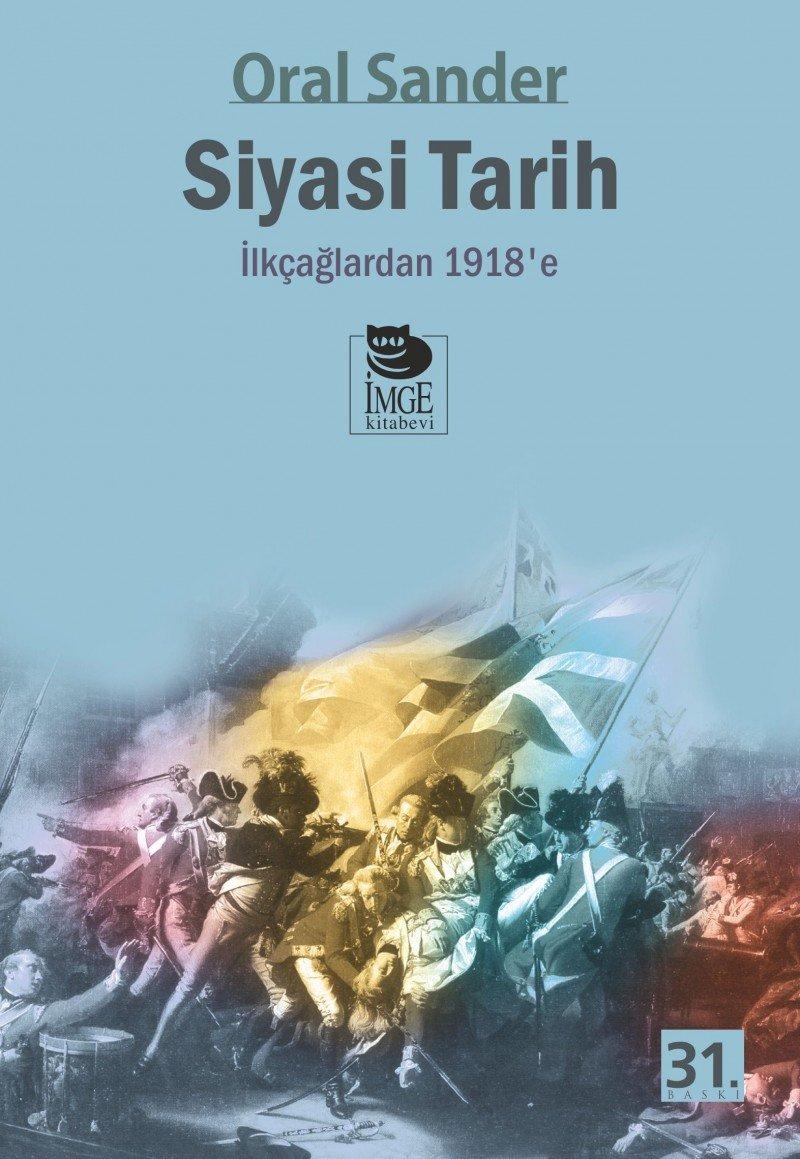
Political History: From Antiquity to 1918 (Book)
Oral Sander is an academic who has made significant contributions to the fields of international relations and political science in Türkiye. Sander, recognized as one of the pioneers of international relations theory in Türkiye, has left a lasting mark in his field through both his academic activities and his publications. Oral Sander’s book Political History: From Ancient Times to 1918 is a comprehensive work examining the political development of humanity. The book traces the transformation of
ENAhsen Karakaş
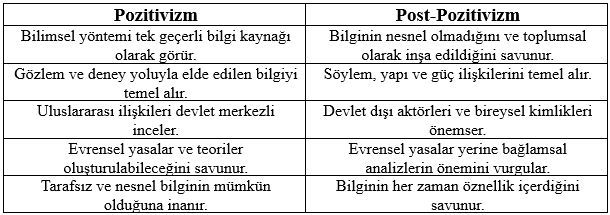
Major Debates in International Relations
The discipline of international relations has developed since the early twentieth century as a field enabling the understanding of global politics, continuously evolving in both its academic and practical dimensions evolution. During this process, the fundamental theoretical cleavages and methodological approaches within discipline have over time crystallized into four major debates that have defined the framework of international relations theory. These debates have offered different perspectiv
EN
Kerem Akıl
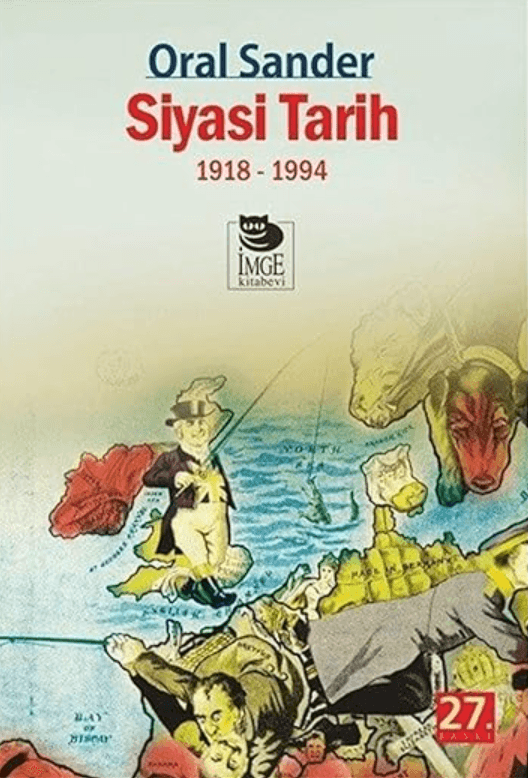
Political History: 1918–1994 (Book)
Sander’s work Political History: 1918–1994 offers a comprehensive analysis of international relations and political events during the most turbulent decades of the 20th century. The book examines global political developments from the end of the First World War to the early 1990s, when Cold War concluded. In his analysis, Sander examines the dynamics behind political events through an academic lens, focusing on the transformation of the international system and the strategic maneuvers of the gre
EN
Ahsen Karakaş
Antalya Diplomacy Forum (ADF)
Antalya Diplomacy Forum (ADF) is an international platform aimed at fostering an inclusive, innovative, and peaceful dialogue on global and regional issues. The Ministry of Foreign Affairs of the Republic of Türkiye laid the foundations of the ADF in 2019 in response to the evolving nature of diplomacy. Drawing on Antalya’s historical and symbolic significance, the ADF features the Lycian League Assembly, known as the world’s first democratic parliament, in its logo. This reflects the ADF’s miss
EN
Elif Laçin
Center for Strategic Research (CSR)
The Center for Strategic Research (SAM) is a think tank and research institution established by law under the Ministry of Foreign Affairs of Türkiye in 1994 and began operations in May 1995. SAM was founded to provide scientific and intellectual advice on Turkish foreign policy and aims to offer analysis perspectives and policy recommendations to those involved in decision-making processes. It also functions as an open platform for discussion on local and global policy issues and has become a hu
ENElif Laçin

Israel's Asymmetric Warfare Strategy
The Israel-Iran conflict, ignited in the shadow of the genocide in Gaza, and the rising tensions between the new Syrian government in the Suwayda region and Israel-backed Druze groups are deeply unsettling not only the involved parties but the entire region. Israel is employing asymmetric warfare methods to expand its influence and systematically instrumentalizing social fault lines in Iran and Syria. This strategy incorporates elements of “hybrid warfare,” including intelligence operations, psy
EN
KÜME Vakfı
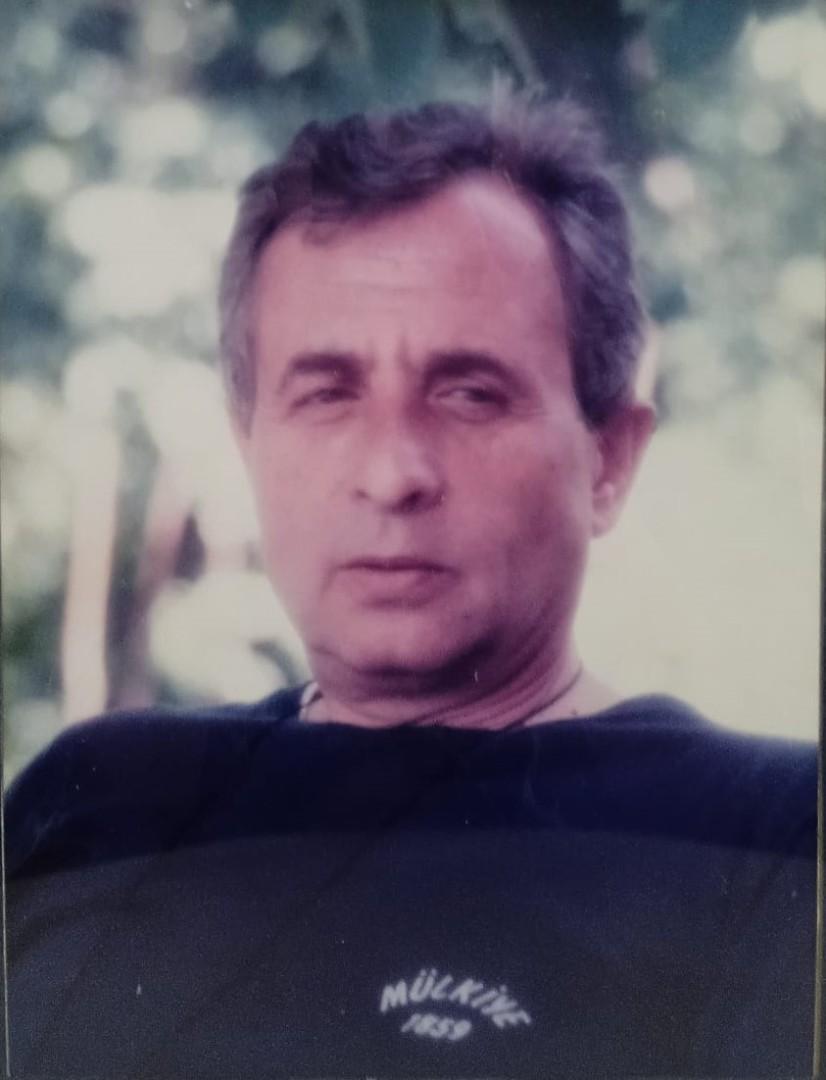
Oral Sander
Oral Sander is an academic who has made significant contributions to the fields of international relations and political science in Türkiye. Recognized as one of the pioneers of international relations theory in Türkiye, Sander has left a lasting mark on his discipline through both his academic activities and his publications. He spent long years as a scholar at the Faculty of Political Sciences of Ankara University, and is known for his works that deepened the discipline from both theoretical a
ENAhsen Karakaş