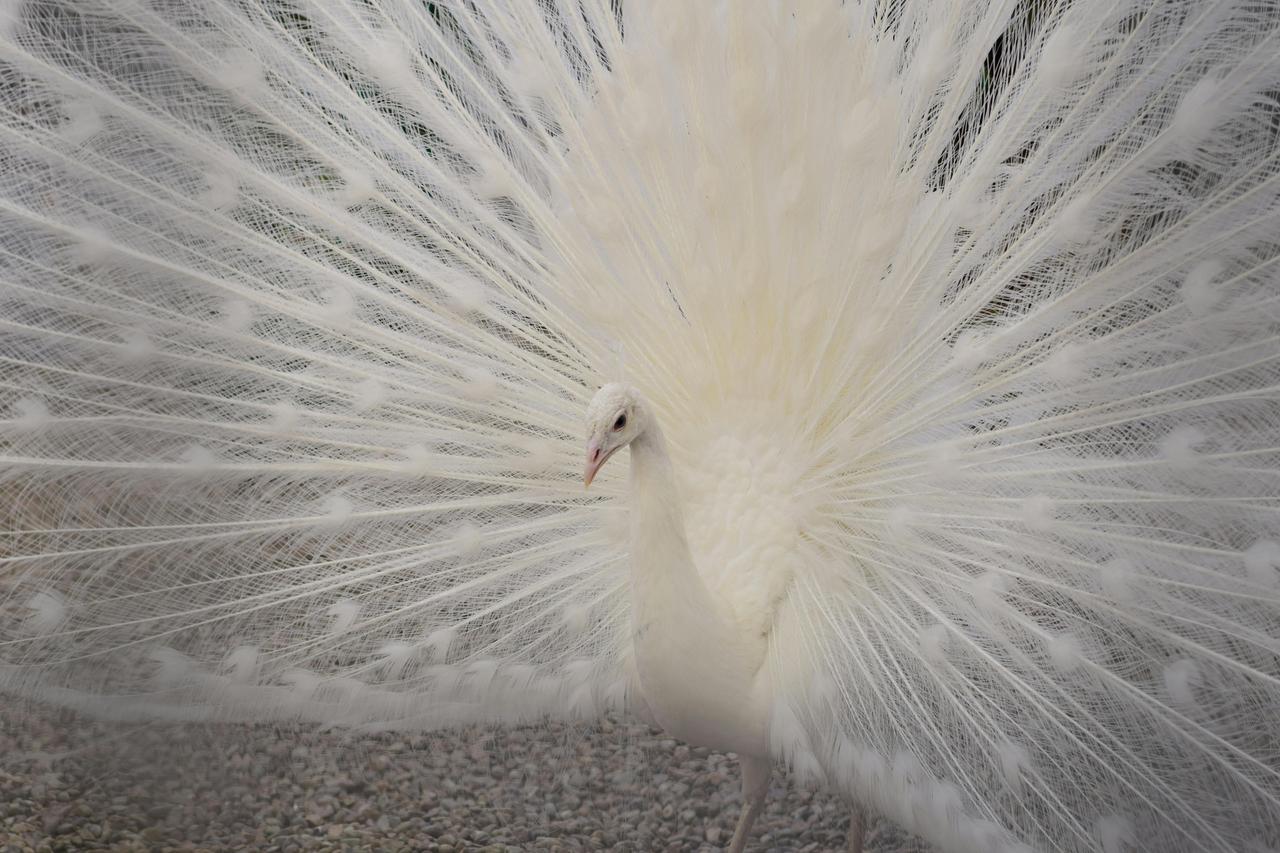
Albinism is a hereditary genetic disorder characterized by the complete or partial absence of melanin pigment. Melanin is a biological pigment that plays a crucial role in determining the color of skin, hair, and eyes. Albinism is typically inherited in an autosomal recessive pattern and manifests with symptoms such as light-colored skin, white or very light-colored hair, and visual impairments.
Historical records of albinism indicate that this condition has been interpreted through various beliefs across different cultures. Since ancient times, some societies have regarded albinism as an extraordinary or sacred condition, while others have subjected individuals with albinism to social exclusion. Scientifically systematic research on albinism began in the 19th century, and with advances in genetics during the 20th century, its hereditary basis was studied in detail. Today, various subtypes of albinism have been identified, and research into their biochemical and genetic mechanisms continues.
Causes and Genetic Basis of Albinism
Albinism is a hereditary disorder caused by genetic mutations that affect melanin production. Melanin is a biological pigment essential for the development of skin, hair, and eye color, and it also contributes to the regulation of light in the eye and the healthy development of vision. Albinism results from the complete or partial absence of this pigment and can present different clinical manifestations depending on the individual’s genetic makeup.
Albinism largely follows an autosomal recessive inheritance pattern. In autosomal recessive inheritance, an individual must inherit mutated alleles from both mother and father to be affected. Heterozygous carrier individuals do not show disease symptoms but can pass the mutated gene to the next generation. This pattern can lead to a higher prevalence of albinism in communities where consanguineous marriages are common.
In addition to autosomal recessive inheritance, there are also forms of albinism that follow an X-linked pattern. Ocular albinism (OA1), associated with mutations in the GPR143 gene, is located on the X chromosome and is therefore more common in males. Since males possess only one X chromosome, those carrying the mutated gene exhibit full albinism symptoms. In contrast, females have two X chromosomes, so if they carry only one mutated gene, they typically show only mild pigmentary changes.
Genetic Factors Causing Albinism
Mutations associated with albinism occur in various genes that directly or indirectly affect melanin synthesis. The main genes identified to date are as follows:
- TYR (Tyrosinase Gene): The TYR gene encodes tyrosinase, a critical enzyme in melanin biosynthesis. Tyrosinase is the primary enzyme that converts the amino acid tyrosine into melanin pigment. Mutations in this gene can lead to complete loss or reduced activity of the enzyme, resulting in albinism. TYR gene mutations are the most common cause of oculocutaneous albinism (OCA1).
- OCA2 (P Gene): This gene regulates the normal function of melanosomes, the cellular organelles that carry pigment, and plays an indirect role in pigment synthesis. Mutations in the OCA2 gene primarily cause lightening of skin and hair color. This mutation is more frequently observed in individuals of African and Asian descent.
- TYRP1 (Tyrosinase-Related Protein 1): The TYRP1 gene helps stabilize the tyrosinase enzyme and plays a role in eumelanin production. TYRP1 mutations can lead to OCA3 albinism, which is more commonly observed in individuals with darker skin.
- SLC45A2 (MATP Gene): This gene encodes a transporter protein that affects melanin synthesis within melanosomes, leading to reduced pigmentation. SLC45A2 gene mutations are particularly common in populations of European descent.
- GPR143 (OA1 Gene): The X chromosome-located GPR143 gene is the most common cause of ocular albinism (OA1). This gene regulates melanin production specifically in the eye, and its mutation causes visual impairments without noticeable changes in skin or hair color.
Disruptions in Melanin Production
Melanin production is a process dependent on tyrosinase enzyme activity. This enzyme catalyzes the conversion of the amino acid tyrosine into dihydroxyphenylalanine (DOPA), and subsequently into dopaquinone, forming the foundational steps of melanin synthesis. However, gene mutations associated with albinism can disrupt melanin production through the following mechanisms:
- Tyrosinase Deficiency or Loss of Function: When mutations in the TYR gene prevent tyrosinase production or render it nonfunctional, melanin synthesis is completely halted. This results in OCA1A, the most severe form of albinism, characterized by the complete absence of pigmentation.
- Disruptions in Melanosome Transport: Genes such as OCA2, SLC45A2, and GPR143 ensure the proper functioning of melanosomes, the organelles that produce melanin. Mutations in these genes can prevent melanosomes from carrying out normal pigment synthesis or from distributing melanin properly.
- Reduced Tyrosinase Activity: Mutations in genes such as TYRP1 and OCA2 can destabilize the tyrosinase enzyme, reducing its activity. This results in partial pigment deficiency, where melanin production is significantly reduced but not entirely absent.
These disruptions in melanin production not only affect skin and hair color but also significantly impact eye development. Melanin deficiency hinders the normal development of the retina and optic nerves, leading to symptoms such as photophobia (extreme sensitivity to light), nystagmus (involuntary eye movements), and reduced visual acuity.
Albinism is a genetic condition that can be classified into different subtypes based on its genetic basis. These types vary according to the nature of the disruption in melanin production and the organs affected. The most common forms of albinism are broadly categorized into two main groups: oculocutaneous albinism (OCA) and ocular albinism (OA), with other rarer forms also existing.
Oculocutaneous Albinism (OCA) and Its Subtypes
Oculocutaneous albinism is the most common form of albinism and manifests as pigment deficiency in the skin, hair, and eyes. OCA arises from various genetic mutations that disrupt melanin production. It is typically inherited in an autosomal recessive pattern and has several subtypes. Each subtype presents distinct clinical features due to different genetic mutations. The four main subtypes of OCA are:
- OCA1 (Tyrosinase Deficiency or Reduction): OCA1 is the most common form of oculocutaneous albinism and results from mutations in the TYR gene. In this condition, the tyrosinase enzyme is either not produced or produced in a nonfunctional form. It has two subtypes: OCA1A (complete pigment absence) and OCA1B (partial pigment production). In OCA1A, the skin, hair, and eyes are completely white, whereas in OCA1B, skin and hair color may be slightly lighter than normal.
- OCA2 (Mutation in the P Gene):OCA2 gene mutations primarily affect skin and eye color. OCA2 generally causes milder symptoms. Mutations in the OCA2 gene are particularly common among individuals of African descent, and this type is characterized by significant pigment deficiency in the eyes along with photophobia (light sensitivity). Skin and hair color typically range from pale yellow to white.
- OCA3 (Mutation in the TYRP1 Gene): OCA3 results from mutations in the TYRP1 gene and is more common in individuals with darker skin. In this type, noticeable pigment loss occurs in the skin, hair, and eyes. OCA3 represents a form of albinism in which pigment loss is less obvious in individuals with darker skin, yet still present. Pigment deficiency in the eyes is pronounced and can lead to visual impairments.
- OCA4 (Mutation in the SLC45A2 Gene): Mutations in the SLC45A2 gene cause OCA4. In this form, skin and hair color can vary from white to yellow. OCA4 is more prevalent among individuals of European descent and is characterized by mild pigment loss. This type generally presents with less severe symptoms compared to other OCA forms.
Ocular albinism is a form of albinism that affects only the eyes. Skin and hair color are typically normal or show only mild pigment loss, but ocular melanin deficiency is pronounced. Ocular albinism is mostly inherited in an X-linked pattern and is therefore more common in males. The most common type results from mutations in the GPR143 gene. Individuals with ocular albinism commonly experience visual problems such as photophobia (extreme light sensitivity), reduced visual acuity, and nystagmus (involuntary eye movements). Due to melanin deficiency in the eye, the development of the retina and optic nerves is impaired, leading to vision problems. The most common type of ocular albinism is known as OA1 and is inherited in an X-linked manner.
Other Rare Forms of Albinism
These are less common forms of albinism outside of oculocutaneous and ocular albinism. They arise due to mutations in specific genes and typically exhibit distinct clinical features.
- Chediak-Higashi Syndrome: Chediak-Higashi syndrome is a genetic disorder in which organelles in melanocytes fail to function properly, leading to pigment production defects. This syndrome presents with pigment deficiency similar to albinism. However, it is also associated with broader systemic problems such as immune system dysfunction, neurological disorders, and bleeding tendencies.
- Hermansky-Pudlak Syndrome: Hermansky-Pudlak syndrome is a genetic disorder characterized by albinism along with bleeding disorders, lung disease, and damage to other organs. In this syndrome, melanin production is reduced, and the production of other pigments, such as plasma granules, is also affected. This syndrome is particularly common in Puerto Rico.
- Griscelli Syndrome: Griscelli syndrome causes pigment deficiency similar to albinism due to impaired function of melanin-carrying cells (melanocytes). However, this syndrome also involves neurological and immune system problems. Genetic mutations disrupt the function of melanin-carrying cells, and the disease also affects other organs.
(Generated by artificial intelligence.)
Symptoms and Effects of Albinism
Albinism is a genetic condition that causes significant pigment deficiency in the skin, hair, and eyes. In addition, individuals with albinism may experience visual impairments and various health effects. The impact of albinism varies depending on the type of genetic mutation, the individual’s age, and the severity of the condition.
Physical Effects on Skin, Hair, and Eyes
The most prominent physical effects of albinism are pigment deficiency in the skin, hair, and eyes. Since melanin is the primary pigment responsible for coloring these three areas, individuals with albinism either lack melanin production or have it greatly reduced.
- Effects on Skin: Albinism causes significant pigment deficiency in the skin, resulting in very fair skin. The inability of the skin to produce normal dark melanin leads to extreme sensitivity to sunlight. Individuals with albinism burn more quickly upon sun exposure and face an increased risk of skin cancer with prolonged sun exposure. Therefore, individuals with albinism typically need to use high SPF sunscreen and protective clothing to shield themselves from the sun.
- Effects on Hair: In albinism, hair is typically white or very light yellow. The lack of melanin production results in hair color that is much lighter than normal. Additionally, hair in individuals with albinism is often fine and more fragile. Hair color may vary depending on the type of albinism; some individuals may have yellowish tones, while others may have predominantly white tones.
- Effects on Eyes: The eyes show one of the most noticeable effects of albinism. Due to melanin deficiency in eye structures such as the iris and retina, there is a loss of eye color. Eyes are typically light blue, green, or reddish-brown because the absence of melanin pigment affects light reflection. Additionally, photophobia (extreme sensitivity to light) is a common symptom in individuals with albinism. This condition causes discomfort and difficulty seeing under bright light. In some individuals, the eyes may appear distinctly red or pink because the retina and blood vessels become more visible.
Visual Impairments and Ocular Symptoms
Albinism causes various visual problems due to pigment deficiency in the eyes. Melanin is essential for the healthy development of the retina and optic nerves. Melanin deficiency impairs the eye’s ability to adapt visually and leads to reduced visual acuity. The main ocular symptoms associated with albinism are as follows:
- Reduced Visual Acuity: In albinism, the retina and optic nerves do not develop properly, resulting in reduced visual acuity. This means objects at both near and far distances cannot be seen clearly. Individuals with albinism typically have low visual acuity (20/200 or worse).
- Photophobia (Light Sensitivity): Individuals with albinism are extremely sensitive to light. This condition is known as photophobia. Light sensitivity can cause discomfort, a burning sensation in the eyes, or headaches, especially under bright lighting. Photophobia significantly affects the visual comfort of individuals with albinism.
- Nystagmus: Nystagmus refers to involuntary and rhythmic eye movements. It is commonly observed in individuals with albinism. These movements can interfere with visual perception, especially when the head is held still. Nystagmus is typically congenital and associated with albinism.
- Strabismus (Misalignment): Albinism can prevent the coordinated functioning of eye muscles, leading to strabismus. Strabismus is the condition in which one eye does not align parallel to the other, resulting in misaligned eye movements or focusing problems.
- Retina and Optic Nerve Development: In albinism, the retina fails to develop fully due to melanin deficiency. This impairs the retina’s ability to properly detect light and reduces visual quality. Additionally, incomplete development of the optic nerves can lead to permanent visual impairments.
Treatment and Management of Albinism
Although albinism is a permanent genetic condition, various treatments and supportive measures are available to manage it and improve the quality of life for affected individuals. Because individuals with albinism face visual problems, skin health issues, and social challenges, a multidisciplinary approach is required. Since there is no genetic cure for albinism, treatment typically focuses on managing symptoms and enabling individuals to lead healthy lives.
Solutions for Visual Problems
Common visual impairments in individuals with albinism—such as reduced visual acuity, photophobia (light sensitivity), nystagmus (involuntary eye movements), and strabismus—are primarily due to incomplete development of the retina and optic nerves. These visual problems can be managed using various medical and visual support techniques.
- Eyeglasses and Contact Lenses: Visual acuity is often reduced in individuals with albinism, and visual aids such as eyeglasses or contact lenses can improve this condition. Eyeglasses are commonly used to enhance visual acuity and improve daily visual comfort. Additionally, optical glasses can be designed with special filters to reduce light sensitivity. Dark-tinted glasses or polarized lenses are often preferred to help reduce photophobia and sensitivity to bright light. Contact lenses may be preferred for aesthetic reasons, as they provide a more natural appearance.
- Surgical Interventions: Some eye conditions caused by albinism can be treated surgically. Misalignment of eye muscles, such as strabismus, can be corrected through surgical intervention. Additionally, certain surgical procedures may be recommended for nystagmus, although treatment of nystagmus is often challenging and has limited success. While surgical methods cannot directly correct visual impairments, regular monitoring by eye specialists can significantly improve the quality of life for individuals with albinism.
- Special Eyewear and Visual Support Systems: Individuals with albinism, due to low visual acuity, may require specialized visual support systems. These systems can include magnifying devices, screen-reading software, Braille books, and computer-assisted visual tools. Advanced optical technologies enable individuals to read printed text, use computers more easily, and perform daily activities with greater independence.
The inability of the skin to produce melanin in albinism increases the risk of skin cancer. Therefore, skin health in individuals with albinism must be closely monitored, particularly through sun protection measures.
- Sun Protection: The skin of individuals with albinism is more sensitive to ultraviolet (UV) radiation because melanin acts as a natural defense mechanism against the harmful effects of UV rays. Melanin deficiency can lead to sunburns, premature aging, and an increased risk of skin cancer upon sun exposure. Therefore, individuals with albinism must take special precautions when going outdoors. Using sunscreen is one of the most important preventive measures for protecting skin health. High SPF (50 or higher) sunscreens provide protection against both UVA and UVB rays. Avoiding direct sun exposure, limiting time outdoors, and wearing protective clothing are also essential.
- Dermatological Care: Skin care for individuals with albinism should be regularly monitored by dermatologists. Skin is prone to burning upon sun exposure, so using moisturizers, protective lotions, and vitamin supplements can be beneficial. Regular dermatological check-ups are crucial for early detection of serious health issues such as skin cancer. Dermatologists can provide personalized care recommendations to help individuals with albinism maintain skin health and reduce skin cancer risk.
Psychological and Social Support Mechanisms
Individuals with albinism may face social and psychological challenges in addition to physical health concerns. Overcoming these challenges requires psychological support and social acceptance, which are of great importance.
- Psychological Counseling: Individuals with albinism may experience negative psychological effects due to social exclusion, discrimination, and prejudice. Anxiety, depression, low self-esteem, and social isolation can threaten their psychological well-being. Psychotherapy is an important support mechanism that helps individuals cope with these challenges. Professional counseling can improve emotional well-being, enhance self-confidence, and facilitate social integration.
- Social Support and Awareness: Raising awareness about albinism in society can improve the social lives of individuals with albinism. Educational programs in schools, workplaces, and the broader community about albinism as a medical and genetic condition can help break down prejudices. Support groups established for individuals with albinism provide opportunities for sharing experiences and socializing, helping these individuals feel less isolated. It is also crucial for families to be well-informed about albinism and sensitive to the special needs of affected children.
- Social Integration and Employment: Social and professional opportunities should be provided to support the integration of individuals with albinism into society and the workforce. Education, career guidance, and barrier-free employment opportunities can help these individuals achieve independence. Families and society should accept the social role of individuals with albinism and encourage their broader participation in social life.
Warning: The content in this article is provided solely for general encyclopedic informational purposes. The information here should not be used for diagnosis, treatment, or medical advice. Always consult a physician or qualified healthcare professional before making decisions related to health. The author of this article and the KÜRE Encyclopedia assume no responsibility for any consequences arising from the use of this information for diagnosis or treatment purposes.