

`dna` Related Article Results

Albinism
Albinism is a hereditary genetic disorder characterized by the complete or partial absence of melanin pigment. Melanin is a biological pigment that plays a key role in determining skin, hair and eye color. Albinism is typically inherited in an autosomal recessive pattern and manifests in affected individuals with light colorful skin, white or very light-colored hair, and visual impairments like. Historical records of albinism show that this condition has been interpreted through various beliefs
EN
Esra Can
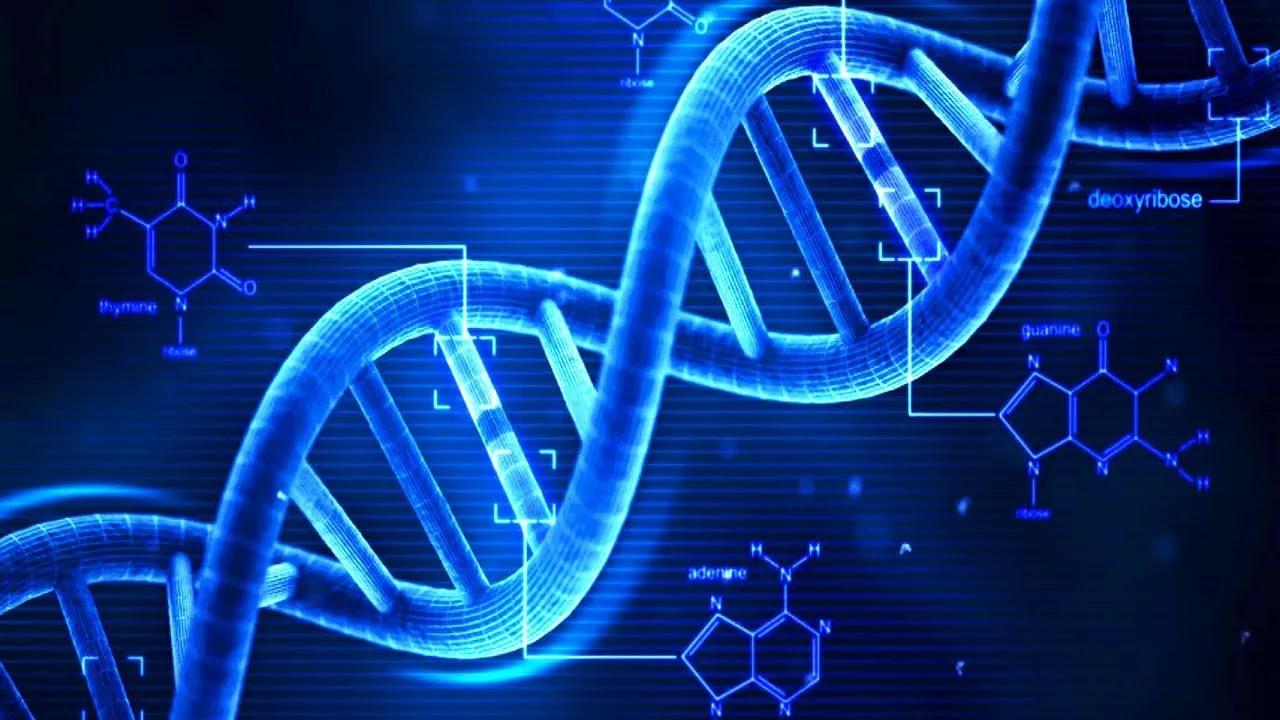
Recombinant DNA Technology
Recombinant DNA (rDNA) technology is the process of generating artificial DNA molecules by combining DNA fragments from two different species. This technology enables the rearrangement of genetic material to allow specific genes to be replicated or expressed in particular cells. History The fundamental principles of genetic recombination were first described by Frederick Griffith in 1928, and this process was termed “genetic transformation.” The foundations of recombinant DNA technology were lai
EN
Emir Ali Gündüz
 Te
TeTelomerase
Telomerase is a ribonucleoprotein complex that synthesizes DNA repeat sequences at chromosome ends, thereby preventing telomere shortening and playing a central role in determining cellular lifespan. This structure is active in numerous biological processes, primarily human cell division, aging, cancer, and immune system regulation. Telomeres consist of repetitive DNA sequences located at the ends of chromosomal DNA and shorten slightly with each cell division. In cells where telomerase is activ
EN
Bekir Öztürk
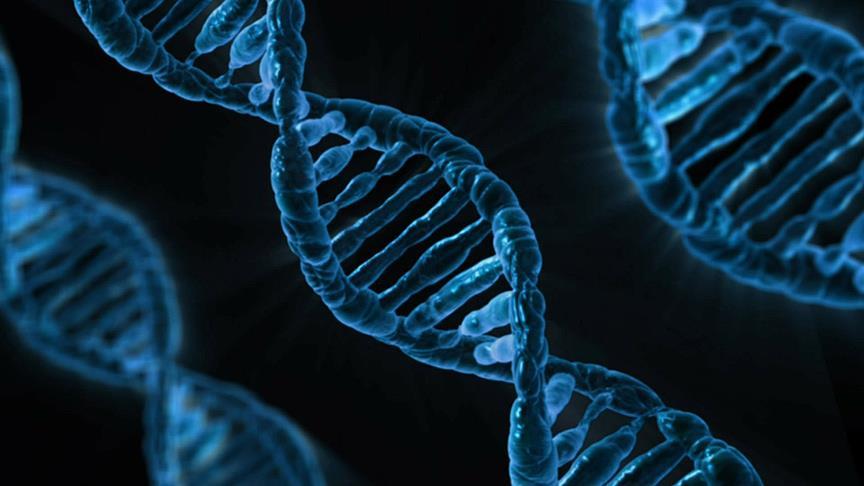
Deoksiribonükleik Asit (DNA)
Deoxyribonucleic acid (DNA) is the biomolecule responsible for storing and transmitting genetic information in living organisms. DNA consists of two long polynucleotide chains. Each chain is composed of repeating nucleotide units, which include a phosphate group, a five-carbon sugar called deoxyribose, and one of four nitrogenous bases: adenine (A), thymine (T), guanine (G), or cytosine (C). DNA consists of two antiparallel strands held together by hydrogen bonds between complementary bases: ade
EN
Betül Sena Kırval

Mitochondrion
Mitochondria are tiny energy centers that operate inside our cells. Just as a factory generates electricity, mitochondria produce the energy required by the cell. Thanks to this energy, the cells in our body move, grow, repair themselves, and carry out their functions. What Is the Function of Mitochondria? The most important function of mitochondria is to convert energy from food into a form that the cell can use. This energy is called ATP (Adenosine Triphosphate). ATP acts like the “fuel” that
EN
Elif Laçin
Biochemistry
Biochemistry is the scientific discipline that studies chemical processes in living organisms at the molecular level. It comprehensively examines the building blocks of cells, their interactions, energy transformations, and all biochemical reactions necessary for sustaining life. Biochemistry is one of the foundational pillars of modern scientific understanding, intersecting with numerous disciplines including chemistry, biology, physics, medicine, and engineering. Historical Development and Sci
ENBetül Sena Kırval
Recombinant DNA Technology
Recombinant DNA (rDNA) technology is the process of generating artificial DNA molecules by combining DNA fragments from two different species. This technology enables the rearrangement of genetic material to allow specific genes to be amplified or expressed in targeted cells. History The fundamental principles of genetic recombination were first described by Frederick Griffith in 1928, and this process was termed “genetic transformation.” The foundations of recombinant DNA technology were laid i
ENEmir Ali Gündüz
Reading the Software of Life
Molecular biology and genetics student, when I say this, I usually get reactions like: “DNA are you studying?” “CRISPR are you designing babies with?” “Are you producing mutants in the lab?” In fact, what we do is both simpler and more fascinating than that: We are trying to understand the software of life. When I look at the literature from recent years—especially after 2020—I see our field rapidly shifting along three major axes: Gene editing and CRISPR technologies Single-cell and multi-omics
ENHASİBE BENNUR ATASOY
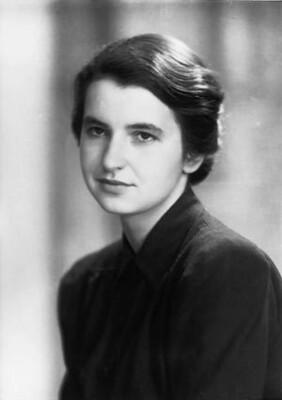
Rosalind Franklin
Rosalind Elsie Franklin, an English scientist born in London on 25 July 1920, conducted research in physical chemistry and X-ray crystallography. Following her studies on coal and carbon structures, she contributed to investigations into the molecular structure of DNA, and the data obtained through X-ray diffraction were used in the development of the double helix model of DNA. In the later stages of her career, Franklin researched the structure of viruses and continued her scientific work in la
EN
Eda TEKİN
Rosalind Franklin
Rosalind Elsie Franklin, 25 Temmuz 1920’de Londra’da doğmuş, fiziksel kimya ve X-ışını kristalografisi alanında çalışmalar yürütmüş İngiliz bir bilim insanıdır. Kömür ve karbon yapıları üzerine gerçekleştirdiği araştırmaların ardından DNA’nın moleküler yapısının incelenmesine yönelik çalışmalarda yer almış, X-ışını kırınımı yöntemiyle elde ettiği veriler DNA’nın çift sarmal modelinin oluşturulması sürecinde kullanılmıştır. Kariyerinin ilerleyen döneminde virüslerin yapısı üzerine araştırmalar yü
TREda TEKİN