


This article was automatically translated from the original Turkish version.
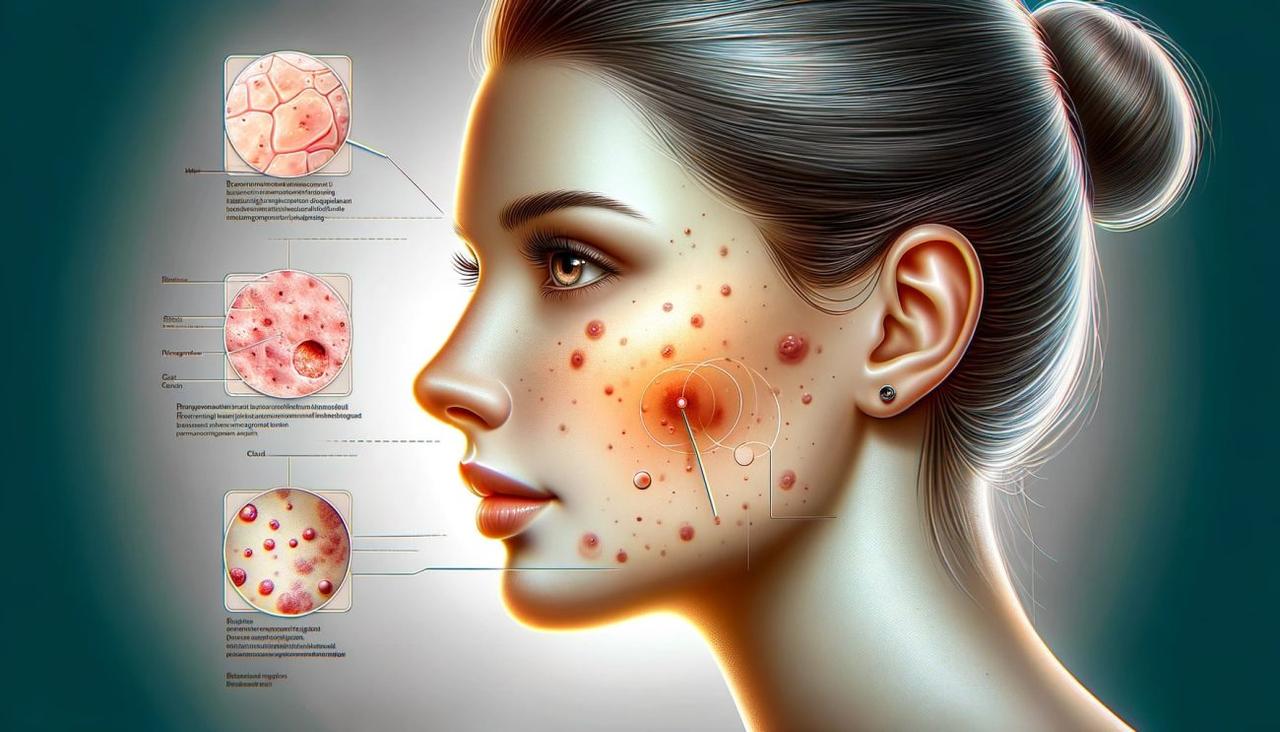
Actinomycosis
Treatment | Long-term antibiotic (penicillin) and surgical intervention | ||||||||
|---|---|---|---|---|---|---|---|---|---|
Clinical Findings | Clinical findings | ||||||||
Mode of Transmission | Endogenous infection (endogenous origin) | ||||||||
Agent | Actinomyces species | ||||||||
Actinomycosis is a rare, chronic, and often suppurative (pus-filled) infection disease caused by bacteria of the genus Actinomyces. This disease is typically characterized by the formation of masses, fistulas, and granulomas in the face, neck, chest, and abdominal regions. Actinomyces bacteria are normally commensal microorganisms found in the human body, particularly in the mouth, throat, and gastrointestinal tract. However, they can become pathogenic when mucosal barriers are disrupted or the immune system is compromised. Due to its slow progression and clinical features that may be confused with other infections, the diagnosis of actinomycosis is often delayed.
The causative agents of actinomycosis, Actinomyces species, are Gram-positive, anaerobic or microaerophilic bacteria. The most commonly encountered species include A. israelii, A. gerencseriae, and A. odontolyticus. While these bacteria are harmless as part of the normal flora, they can become pathogenic following trauma or surgical intervention. In particular, the risk of infection increases after dental caries or periodontal disease.
In the development of the disease, the invasion of bacteria into tissues and the resulting granulomatous inflammatory response are critical. Characteristic lesions known as “sulfur granules” are observed in infected tissues.
Actinomycosis is classified according to the site of infection:
In addition to clinical findings, the following are used for diagnosis:
Brown, Emily. Microbiology and Pathogenesis of Bacterial Infections. 2nd ed. London: Academic Publications, 2020.
Johnson, Michael. Clinical Management of Rare Infections. 1st ed. Chicago: Health Sciences Press, 2019.
Smith, John. Infectious Diseases: A Comprehensive Guide. 3rd ed. New York: Medical Press, 2018.

Actinomycosis
Treatment | Long-term antibiotic (penicillin) and surgical intervention | ||||||||
|---|---|---|---|---|---|---|---|---|---|
Clinical Findings | Clinical findings | ||||||||
Mode of Transmission | Endogenous infection (endogenous origin) | ||||||||
Agent | Actinomyces species | ||||||||
Etiology and Pathogenesis
Clinical Features and Classification
Diagnosis
Treatment