

`disease` Related Article Results
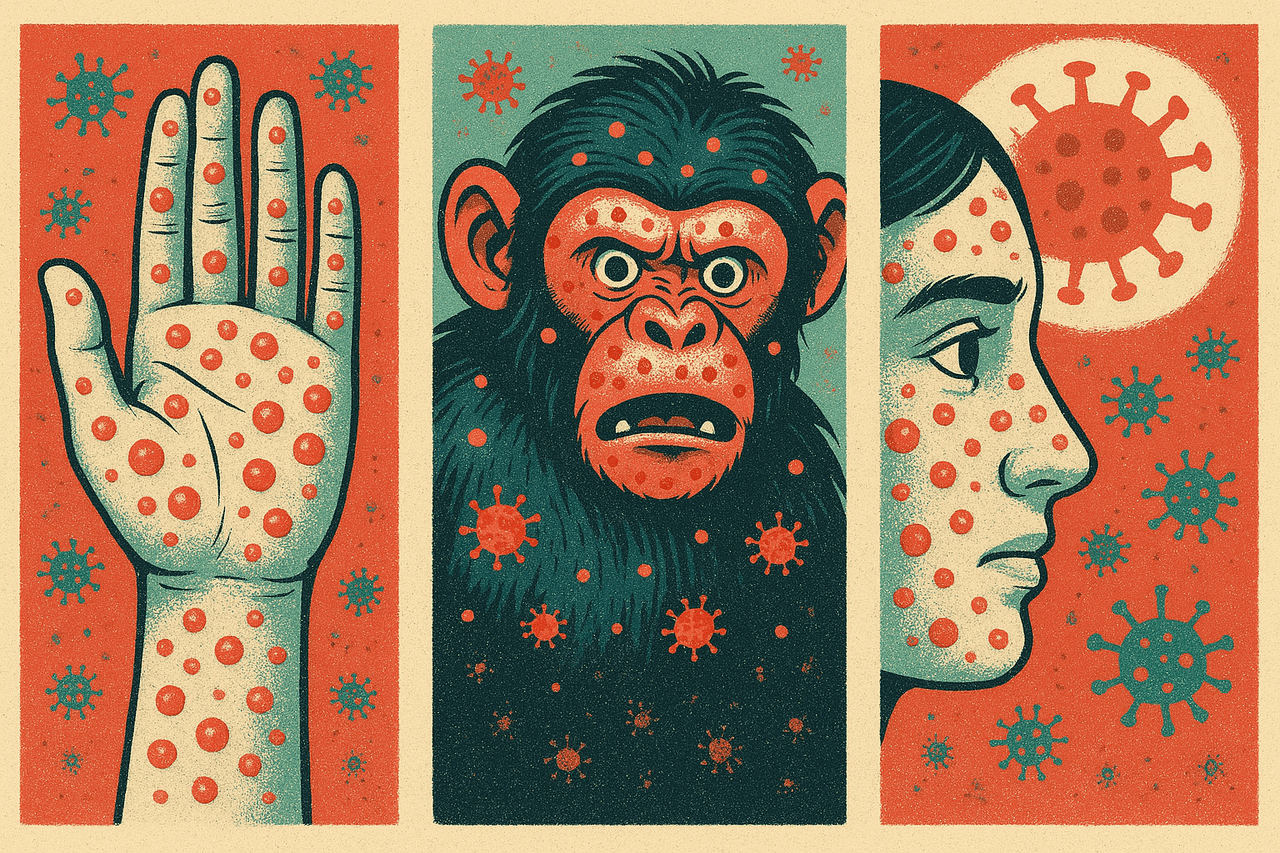
Monkeypox
Monkey disease (Monkeypox) is a zoonotic disease caused by the Monkeypox virus (MPXV), classified within the Orthopoxvirus genus of the Poxviridae family. Its clinical symptoms resemble those of smallpox; however, its transmissibility and mortality rate are lower compared to smallpox. MPXV is an enveloped virus with a double-stranded DNA genome and is genetically related to the Variola, Vaccinia and Cowpox viruses through close relationships. History of the Disease Disease was first identified i
EN
Meryem Betül Kaya
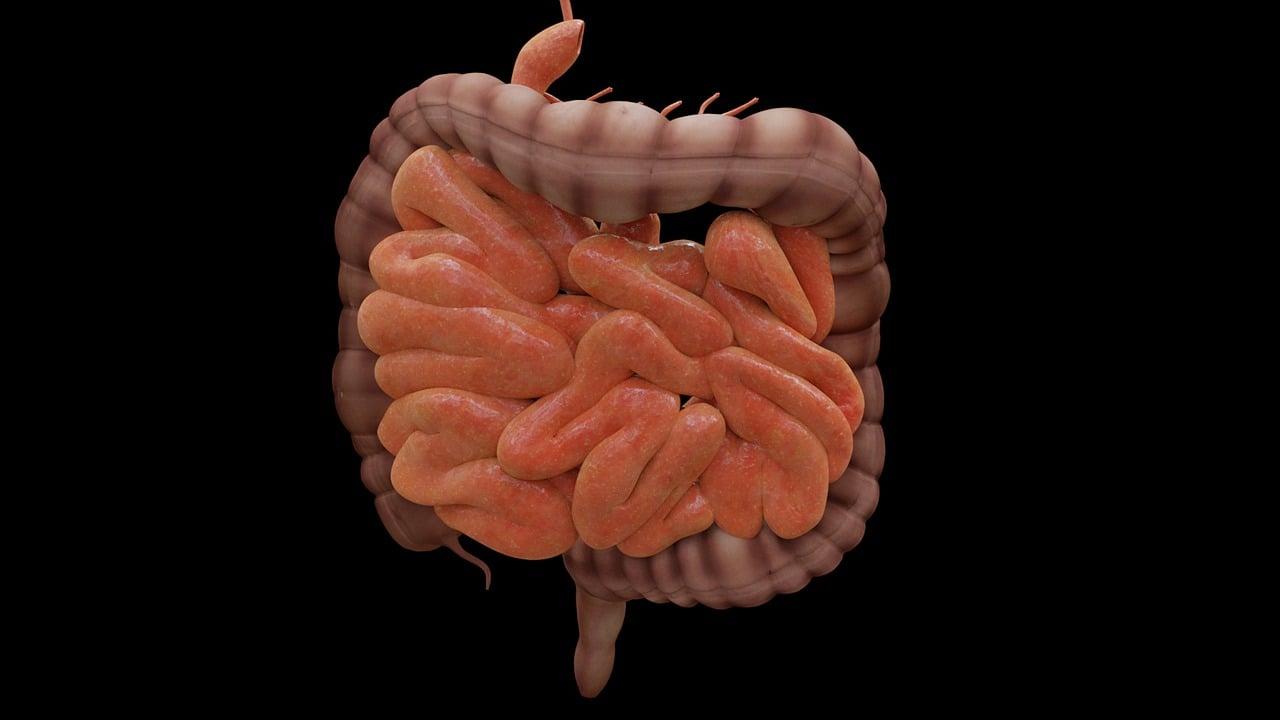
Intestine
The intestine is a vital component of the digestive system and performs essential functions including the digestion and absorption of nutrients and the elimination of waste products from the body. It also plays significant roles in the immune system and overall health. Maintaining intestinal health is crucial for preventing digestive disorders, maximizing nutrient utilization, and reducing the risk of chronic diseases. Intestinal Physiology The intestine is a key part of the digestive system and
EN
Sıla Başköylü
 Ch
ChCholera
Cholera is a severe intestinal infection caused by the bacterium Vibrio cholerae. It spreads primarily through the consumption of contaminated water and food. Characterized by severe diarrhea and dehydration, cholera can be fatal if untreated. Globally, it remains a important public health threat, particularly in regions with limited access to clean water and sanitation. History Cholera has caused numerous epidemics throughout human history. The first recorded cholera outbreak began in 1817 in t
EN
Emin Neşat Gürses
ErErysipeloid
Erzipeloid is a skin infection caused by the bacterium Erysipelothrix rhusiopathiae, primarily affecting individuals who have contact with animals or animal products such as fishermen, farmers and veterinarians like. Disease is typically characterized by localized redness swelling and pain in the skin. Erzipeloid is a zoonotic infection that spreads to humans through contact with infected animals or contaminated materials. If left untreated the disease can rarely lead to systemic infections road
ENEmin Neşat Gürses
LeLeptospirosis
Leptospirosis is a zoonotic infection disease caused by spirochete bacteria of the genus Leptospira, affecting both humans and animals. Disease is transmitted through contact with water or soil contaminated by the urine of infected animals. Leptospirosis can cause a range of clinical manifestations, from mild flu-like symptoms to severe illness and kidney failure. World globally, it is particularly common in tropical and subtropical regions common. The disease poses a important risk to risk such
ENEmin Neşat Gürses
LiListeriosis
Listeriosis is a zoonotic disease caused by the bacterium Listeria monocytogenes, which can lead to severe infections in pregnant women, newborns, the elderly, and individuals with weakened immune systems road. This bacterium can be found in various environmental sources including bacteria, soil, water, plants and animals. Listeriosis is transmitted to humans through the consumption of contaminated foods, particularly unpasteurized dairy products, raw meat, and ready-to-eat foods, which carry a
ENEmin Neşat Gürses
WhWhooping cough
Whooping cough is a respiratory infection caused by the bacterium Bordetella pertussis, characterized by bouts of coughing acute. Disease can lead to serious complications especially in infants and small children and is therefore a matter of public health concern road. Although whooping cough is a vaccine-preventable disease, it can still cause outbreaks especially in unvaccinated populations. The clinical course of the disease consists of three main stages, with severe coughing fits most promin
ENEmin Neşat Gürses
NoNocardiosis
Nocardiosis is a rare infectious disease caused by aerobic, gram-positive, partially acid-fast bacteria of the genus Nocardia. These bacteria are commonly found in soil and organic materials and typically enter the human body through the respiratory tract or skin wounds. Nocardiosis is a systemic infection that can lead to severe complications, especially in individuals with compromised immunity. Disease can affect various organ systems including the lungs, skin and central nervous system like a
ENEmin Neşat Gürses
CoCongenital syphilis
Congenital syphilis is a serious infection disease caused by the transplacental transmission of the bacterium Treponema pallidum from mother to fetus via the placenta. This situation occurs in infants born to mothers with syphilis who were either untreated or inadequately treated during pregnancy. Congenital syphilis is classified into early and late stages and, if left untreated, can lead to severe physical neurological and developmental abnormalities. Disease Despite being preventable it remai
ENEmin Neşat Gürses
EaEarly syphilis
Syphilis is a chronic sexually transmitted infection disease caused by the bacterium Treponema pallidum. Early syphilis encompasses the primary, secondary and early latent stages of the disease. These stages occur within the first two years of infection and, if untreated, can progress through disease to late syphilis. Early syphilis is the period of highest transmissibility and fast diagnosis and treatment are critical in preventing disease spread. Etiology and Epidemiology of Early Syphilis The
ENEmin Neşat Gürses