

`medicine` Related Article Results
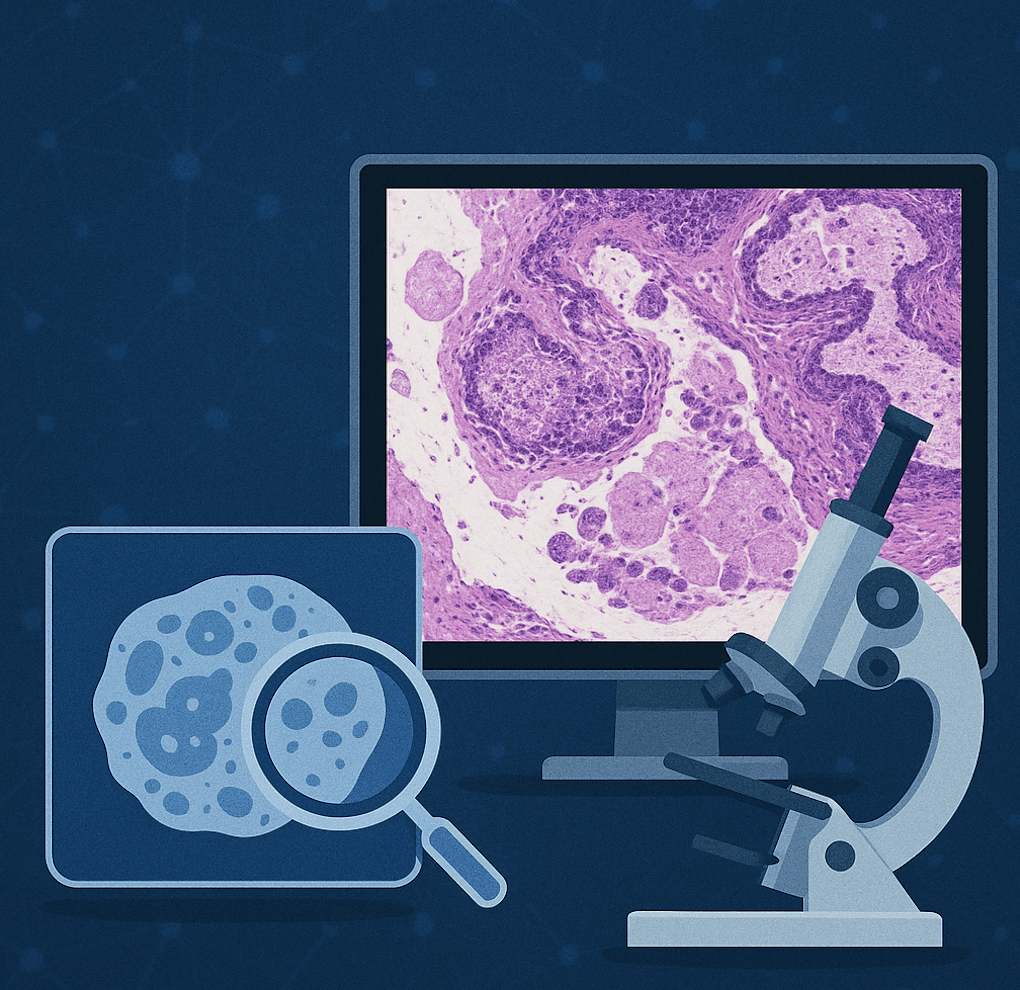
Digital Pathology
Digital pathology refers to the process of converting tissue samples on glass microscope slides into digital images and examining these images in a computer environment. This transformation creates a digital work environment in pathology laboratories by moving traditional light microscopy-based diagnostic methods into a virtual space. Similar to the transition from film to digital in radiology, digitizing tissues enhances practicality and opens up new possibilities. For instance, thanks to high-
EN
Mücahit Ertano

Ferromagnetic Materials
Ferromagnetic materials are substances that exhibit permanent magnet properties when subjected to a magnetic field and retain their magnetic characteristics even after the external magnetic field is removed. These materials generate macroscopic magnetic moments due to the parallel alignment of electron spins at the atomic level. Ferromagnetism is characterized by the strong and persistent response these materials show to magnetic fields. Properties Magnetic Moment: In ferromagnetic materials, ma
EN
Berkcan Yıldırım
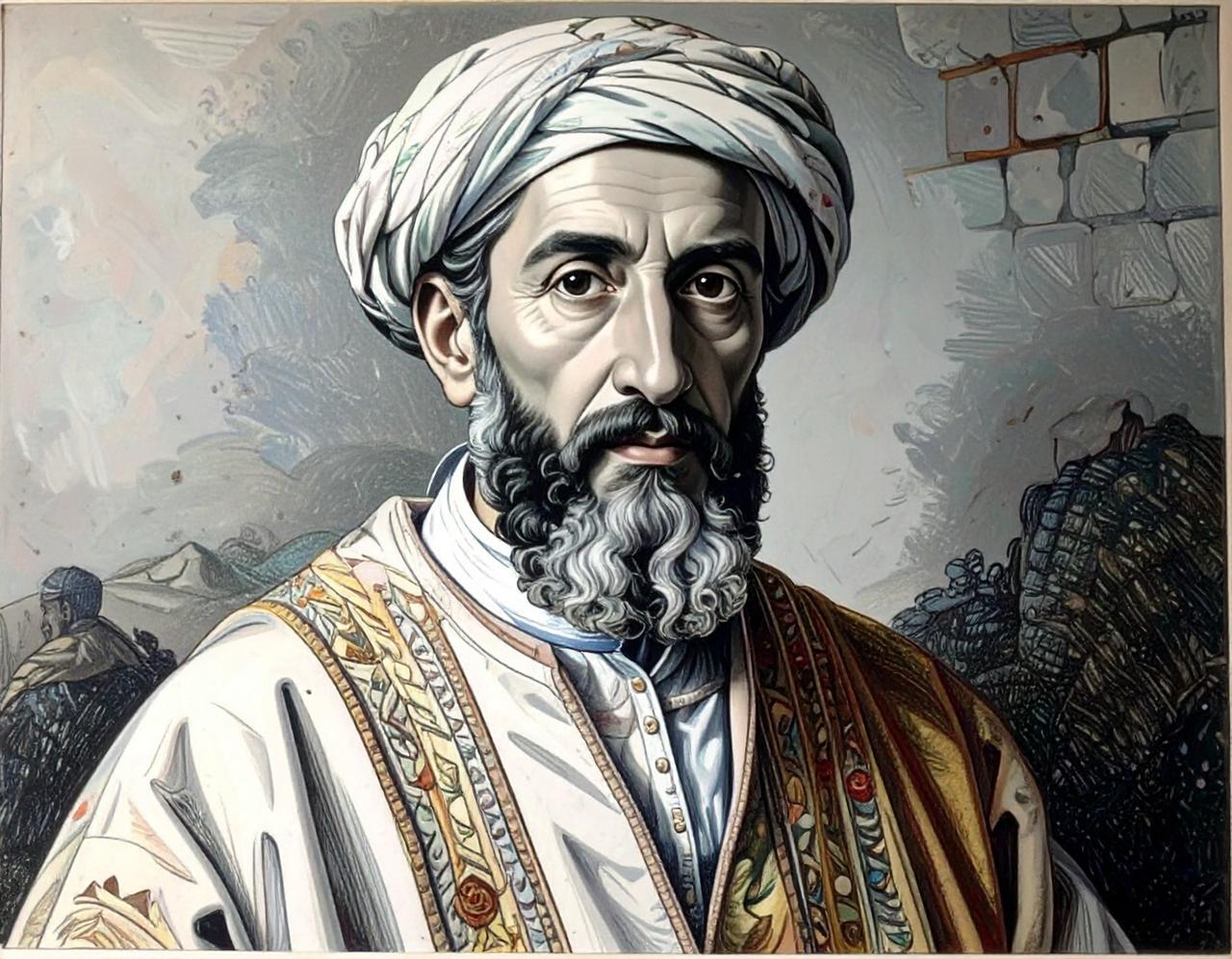
Radiyyuddin al-Rahbi
Eş-Şeyh el-Hakîm el-İmâm el-Âlim Radiyyüddîn Ebu’l-Haccâc Yusuf b. Haydere er-Rahbî was one of the most renowned physicians of his time. His father was from Rahba and was also a physician, though it is noted that he specialized more in the practice of ophthalmology (kehhallik). Radiyyüddîn was born and raised in Ceziret-i İbn Ömer (Cizre), where he resided before traveling to Baghdad and other cities. He devoted himself to medicine and became an expert in the field, meeting and learning from eş-
EN
Ufuk Alkım Güven
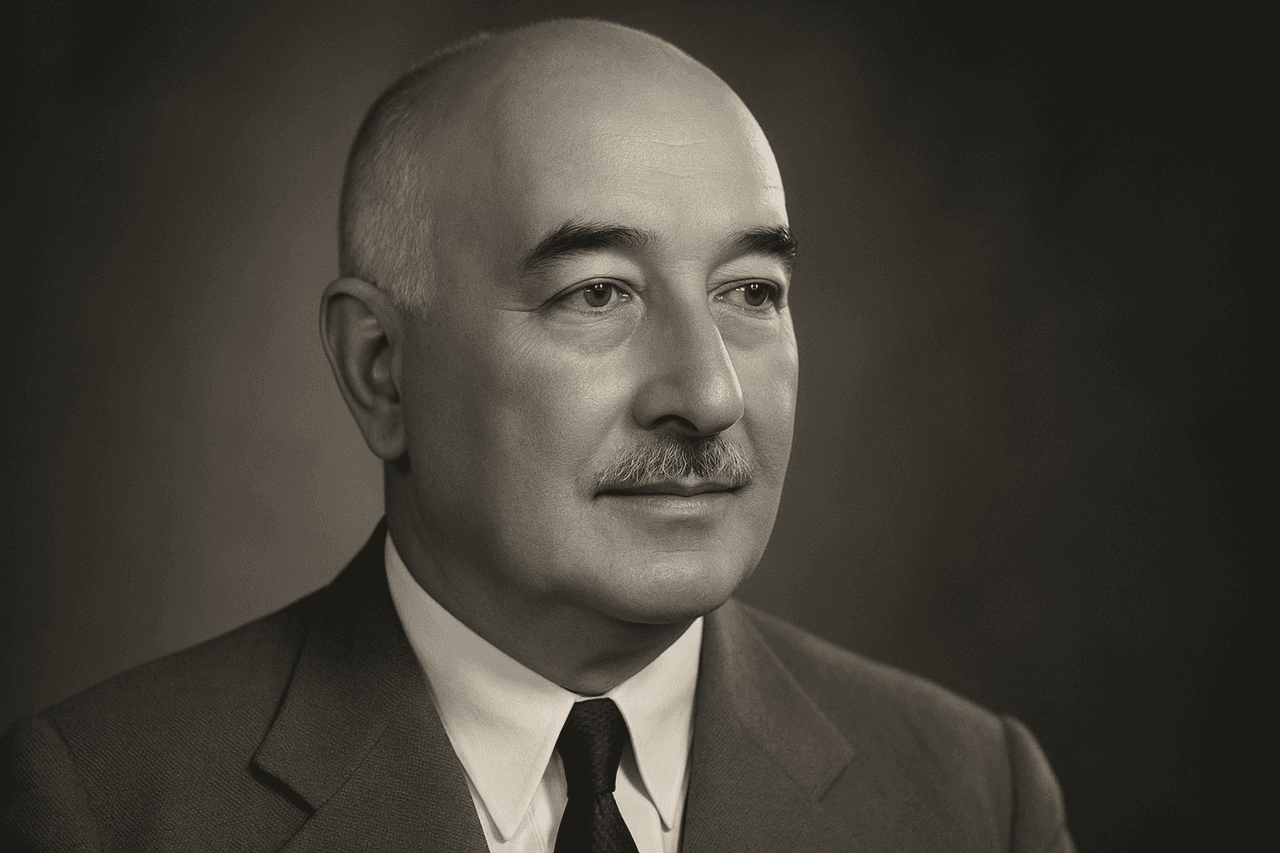
Abdülkadir Lütfi Noyan
Abdülkadir Lütfi Noyan, born on 6 March 1886 in Sivas, practiced in medicine, military health services, and academia from the final years of the Ottoman Empire through the mid-period of the Republic. He received his military secondary education in Sivas, Elazığ, and Istanbul; graduating in 1910 from the Mekteb-i Tıbbiye-i Şahane as a physician captain. He fought against epidemics such as cholera, typhus, and plague during the Tripolitania War, the Balkan Wars, World War I, and the War of Indepen
EN
Yunus Emre Sağlam
 Ep
EpEpilepsy
Epilepsy is a neurological disorder characterized by recurrent seizures due to abnormal electrical activity in the brain. According to the World Health Organization (WHO), approximately 50 million people worldwide live with epilepsy (WHO, 2022). The disease can affect individuals of different age groups and may arise due to various causes. This article will address the causes, symptoms, diagnosis, and treatment methods of epilepsy. Causes of Epilepsy Epilepsy develops as a result of a disruption
ENHüseyin Karaaslan

İhsan Doğramacı
Prof. Dr. İhsan Doğramacı (3 April 1915, Erbil – 25 February 2010, Ankara) was a distinguished figure in Türkiye and world who left lasting impressions as a medical professor, academic, administrator, and reformer. Throughout his life, spanning nearly a century, he dedicated himself to health, higher education, and human welfare; established pioneering institutions in these fields; and became internationally recognized. Early Life and Education İhsan Doğramacı was born on 3 April 1915 in Erbil,
EN
Ömer Said Aydın
ChCholera
Cholera is a severe intestinal infection caused by the bacterium Vibrio cholerae. It spreads primarily through the consumption of contaminated water and food. Characterized by severe diarrhea and dehydration, cholera can be fatal if untreated. Globally, it remains a important public health threat, particularly in regions with limited access to clean water and sanitation. History Cholera has caused numerous epidemics throughout human history. The first recorded cholera outbreak began in 1817 in t
ENEmin Neşat Gürses
ErErysipeloid
Erzipeloid is a skin infection caused by the bacterium Erysipelothrix rhusiopathiae, primarily affecting individuals who have contact with animals or animal products such as fishermen, farmers and veterinarians like. Disease is typically characterized by localized redness swelling and pain in the skin. Erzipeloid is a zoonotic infection that spreads to humans through contact with infected animals or contaminated materials. If left untreated the disease can rarely lead to systemic infections road
ENEmin Neşat Gürses
LeLeptospirosis
Leptospirosis is a zoonotic infection disease caused by spirochete bacteria of the genus Leptospira, affecting both humans and animals. Disease is transmitted through contact with water or soil contaminated by the urine of infected animals. Leptospirosis can cause a range of clinical manifestations, from mild flu-like symptoms to severe illness and kidney failure. World globally, it is particularly common in tropical and subtropical regions common. The disease poses a important risk to risk such
ENEmin Neşat Gürses
LiListeriosis
Listeriosis is a zoonotic disease caused by the bacterium Listeria monocytogenes, which can lead to severe infections in pregnant women, newborns, the elderly, and individuals with weakened immune systems road. This bacterium can be found in various environmental sources including bacteria, soil, water, plants and animals. Listeriosis is transmitted to humans through the consumption of contaminated foods, particularly unpasteurized dairy products, raw meat, and ready-to-eat foods, which carry a
ENEmin Neşat Gürses