



Not leaving traces while walking in the snow
Have you ever walked through heavy, powdery snow? When you walk in snow and look back, you must have seen the footprints you left behind. In our language, the expression "karda gezip izini belli etmemek" is used to describe people who secretly carry out actions without leaving any trace, just like someone who walks through snow but leaves no footprints. You might even imagine this amusing scenario when thinking of a friend who is exceptionally good at hide-and-seek and never gets caught!
What Does This Expression Mean?
Expressions are special phrases that deviate slightly from the literal meanings of their words. In real life, it is nearly impossible to walk in snow without leaving footprints. However, this expression is used to mean to carry out secret activities in a way that no one can detect. It is typically said about people who do things others do not want to notice and are never caught. For example, if you have a sibling who ate the last cookie and cleaned up every crumb, then said, “I didn’t eat it!”—this expression perfectly captures their secret scheme! Such people are so careful that they leave no trace behind.
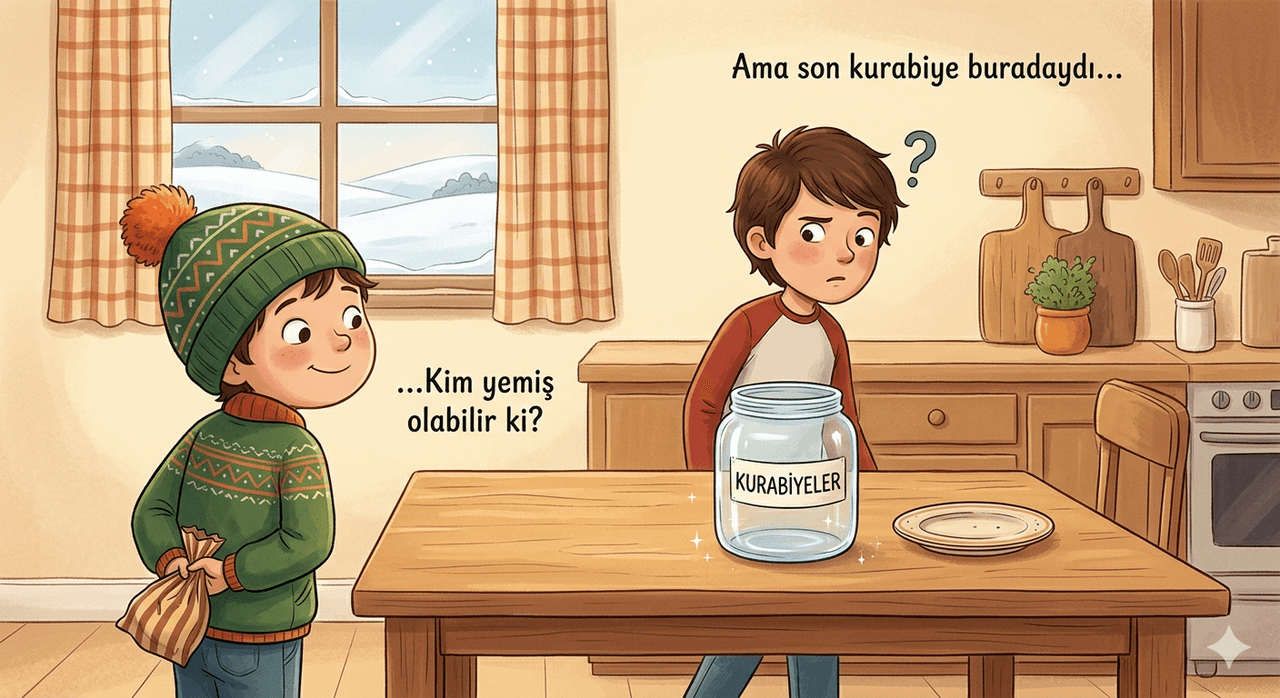
Representative Image (Generated by Artificial Intelligence)
Where and How Is It Used?
In everyday life, we use this expression when we suspect someone has done something secretly but have no evidence to prove it. Sometimes, the clever characters we encounter in detective films or mystery novels behave exactly this way. They handle events so quietly that no one even realizes they were there.
People can use this expression in various ways within sentences. For instance, you might say, “Ask me what kind of person he is; he is one of those who walk in snow without leaving footprints,” to describe how mysterious someone’s actions are. Or, when investigating an incident and finding no clues, you could say, “I checked all the records but found nothing—the man walked in snow without leaving a trace.” Sometimes, you might directly address someone you suspect: “Clearly, you are one of those who walk in snow without leaving footprints.”

Representative Image (Generated by Artificial Intelligence)
The Colorful World of Our Language
Turkish is a rich language when it comes to expressions. Instead of long-windedly explaining that someone is doing secret things without leaving evidence, picturing someone walking through snow without leaving footprints is far more memorable. This makes our language more vivid and imaginative. Learning expressions helps us use our spoken language in a more colorful and enriched way.
⏳ Time Travel
Most expressions originated centuries ago from our ancestors’ observations of nature and human behavior. In times when winters were much harsher, this expression may have entered our language long ago, inspired by hunters’ efforts to conceal their tracks in the snow.





