

`privacy` Related Article Results
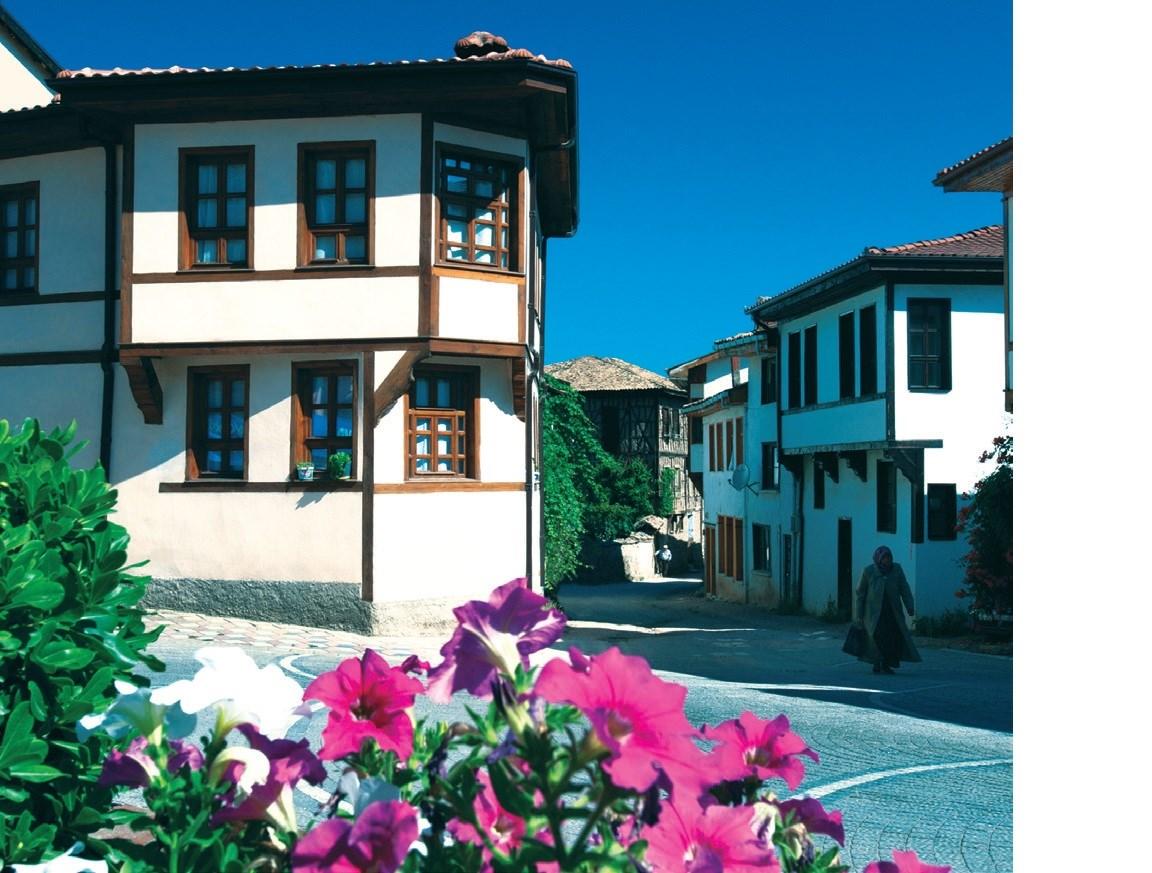
Ottoman House
Osmanli House refers to a residential type that developed over centuries across the geographical area of the Ottoman Empire, particularly in Anatolia and Rumelia, acquiring distinctive characteristics. This term is often used synonymously with the concept of the “Turkish House” and may also encompass regional designations such as “Anatolian House.” In academic discourse, particularly through the works of Sedad Hakkı Eldem, an idealized concept of the “Turkish House” came to the forefront, around
EN
Yunus Emre Yüce
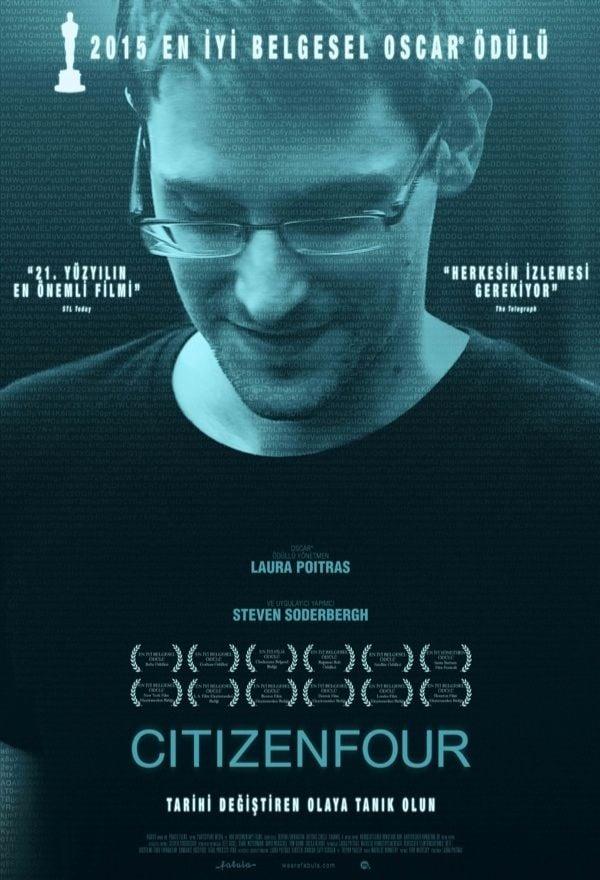
Citizenfour (Documentary)
Citizenfour is a 2014 documentary film directed by Laura Poitras, centered on Edward Snowden’s disclosures. The film premiered in Türkiye for the first time on 24 April 2015 and is a co-production of the United Kingdom, Germany and the United States. The production involved Praxis Films, Participant and HBO Documentary Films. Subject The documentary documents the secret and unlawful surveillance activities carried out by the United States National Security Agency (NSA) in collaboration with inte
EN
Muhammed Raşit Yazıcı

Walking Water Under the Straw
To run water under the straw means to carry out a task secretly, without letting anyone know. Just as water flows silently beneath straw when irrigating a field, some actions proceed quietly without others noticing. Let’s examine where this interesting expression comes from and how it is used. Where Does It Come From? This expression originates from the ancient agricultural traditions of Anatolia. Canals were dug to irrigate fields. Sometimes a farmer would secretly divert water from a shared ca
EN
Nida Üstün

#7 Society and Technology Bulletin
Society and Technology (KÜME Foundation) " image-element-format="right" image-source="https://cdn.t3pedia.org/media/uploads/2026/02/11/7-toplum-ve-teknoloji-bulteni-ZuiDt9LLYxpb15nvDgRBEYIOSUgmIFaE.png"> When AI Steals Your Voice The human voice has begun to lose its unique quality that no other living being could ever replicate. Our voices can now be mimicked so accurately that they are nearly indistinguishable from the real thing. Consumer Reports recent research reveals that leading artifi
EN
KÜME Vakfı

Digital Privacy
Digital privacy is a concept that refers to an individual’s right to set boundaries and exercise control over their personal data, communication content, and online activities in digital environments. This concept demonstrates that, with the advancement of information and communication technologies, privacy is no longer confined to physical spaces but has been redefined in digital contexts. The increasing volume of data generated, shared, and stored in digital environments has expanded the scope
ENRabia Dalkıran
 Fe
FeFediverse
Fediverse refers to a decentralized and interoperable ecosystem of social media networks. The term is derived from the combination of “federated” (distributed network) and “universe”, describing a collection of independent platforms that can communicate with one another through open protocols. Unlike centralized platforms like Facebook, Twitter, and Instagram, which are controlled by single corporations, Fediverse consists of autonomous servers and platforms that allow users greater control over
EN
Refik Söylemez

Not leaving traces while walking in the snow
Have you ever walked through heavy, powdery snow? When you walk in snow and look back, you must have seen the footprints you left behind. In our language, the expression "karda gezip izini belli etmemek" is used to describe people who secretly carry out actions without leaving any trace, just like someone who walks through snow but leaves no footprints. You might even imagine this amusing scenario when thinking of a friend who is exceptionally good at hide-and-seek and never gets caught! What Do
EN
Şehrinaz İrem Canbaba
PrPrivacy is power
“Privacy is power; people destroy what they know.” Sometimes a person suffers their greatest wounds not from enemies, but from those they have told the most. Not everyone is mature enough to carry a secret. Not everyone possesses a heart capable of preserving your excitement, your plans, your joy, or your resentment. Some people only want to hear—not to understand, but to speak. And often, a person only realizes this after it is too late. In the past, people believed that sharing everything with
EN
Zeynepnur Karagülle

Thinking Is Forbidden: Orwell’s Prophecy
The dream of a “perfect society,” which has occupied human minds throughout history, has served as inspiration for countless works from Plato’s Republic to Thomas More’s Utopia. However, the political traumas of the twentieth century and the alarming rise of technology inverted this vision, giving rise to the genre of “anti-utopia,” more commonly known as “dystopia.” As M. Başak Uysal aptly observed, while utopia envisions a “earthly paradise,” anti-utopia serves as a warning sign showing how su
EN
Bahtiyar Bora ERGÜN
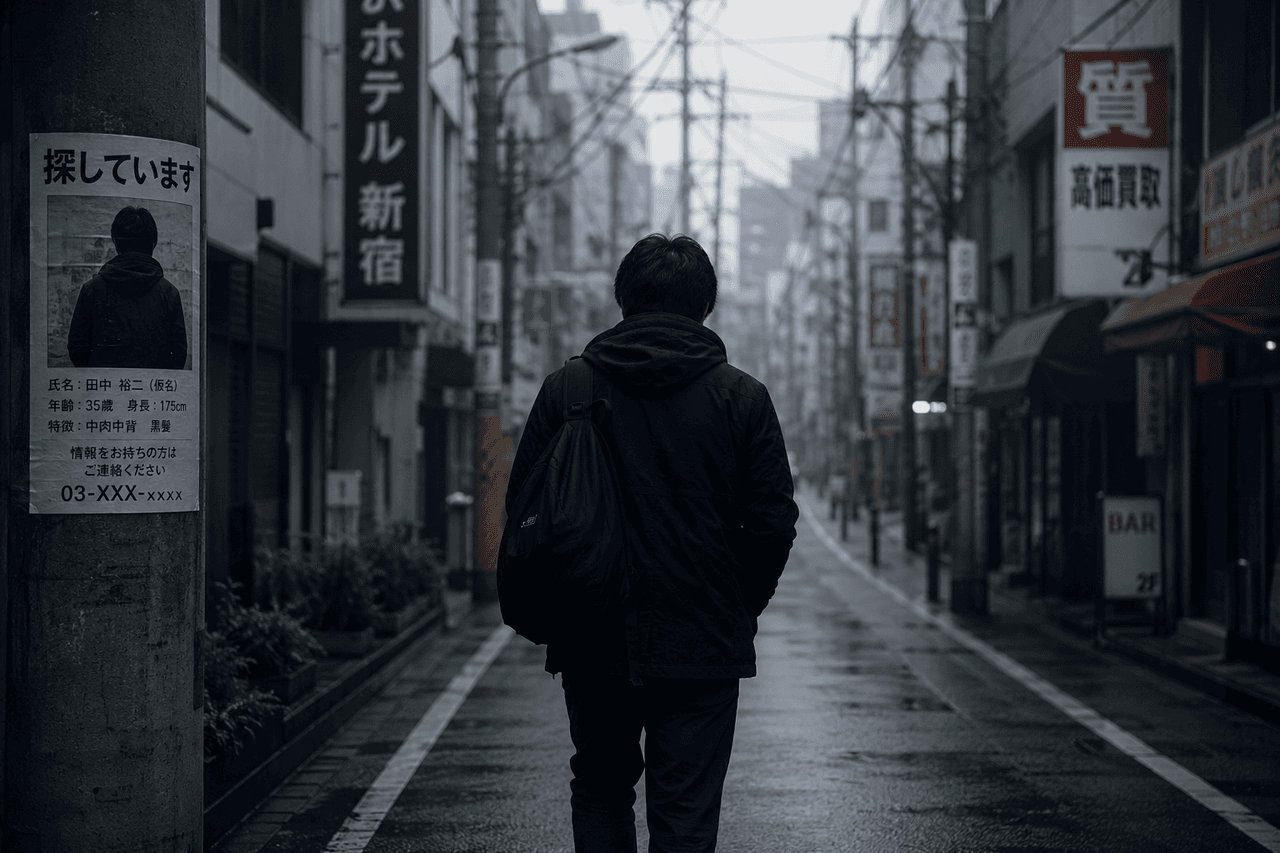
Johatsu
Johatsu is a sociological term derived from the Japanese word meaning "evaporation" or "evaporated people" that describes the act of individuals voluntarily abandoning their current lives, families, jobs, and identities without leaving any trace. Historical Development This phenomenon first entered social literature in the 1960s when individuals seeking to escape unhappy marriages abandoned their spouses due to the difficulty of divorce proceedings.【1】 In later decades, during the early 1990s, t
EN
Nursena Şahin