

`snow` Related Article Results
Avalanche
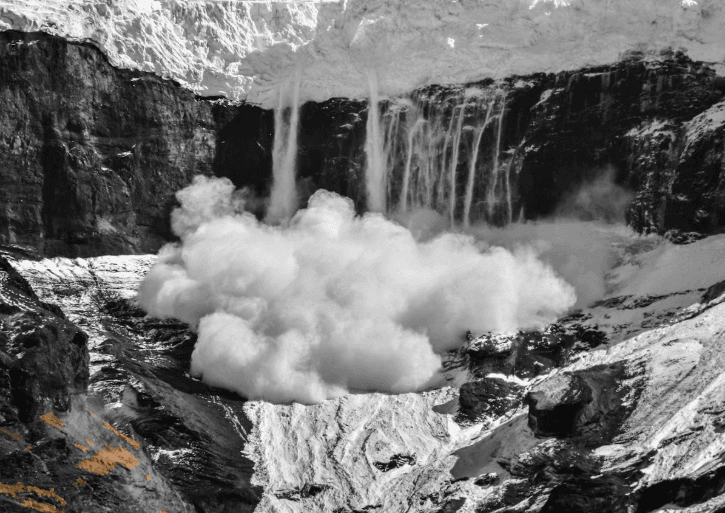
Avalanche is a natural phenomenon that typically occurs in mountainous, sloped areas lacking plant cover, resulting from the sliding of snow layers under the influence of internal and external forces. This event can also be described as the sliding of snow layers over one another or complete detachment from the ground on due to the accumulation of heavy snowfall. Avalanches are commonly observed on sloped terrain in mountainous regions, especially along valley slopes. Mountains provide environme
EN
Sümeyra Uzun
 Sn
SnSnow (Book)
Orhan Pamuk’s novel Winter is regarded as one of the most significant works of modern Turkish literature. Published in 2002, this work offers a profound analysis of individual and societal conflicts. Novel engages the reader through its political and human dimensions and captivates with its layered narrative. Plot Summary Ka returns to Kars after living for years in Germany, working as a local journalist. His goal is to investigate the stories of veiled girls who have committed suicide in Kars.
EN
Ömer Said Aydın
How Does Snow Form?
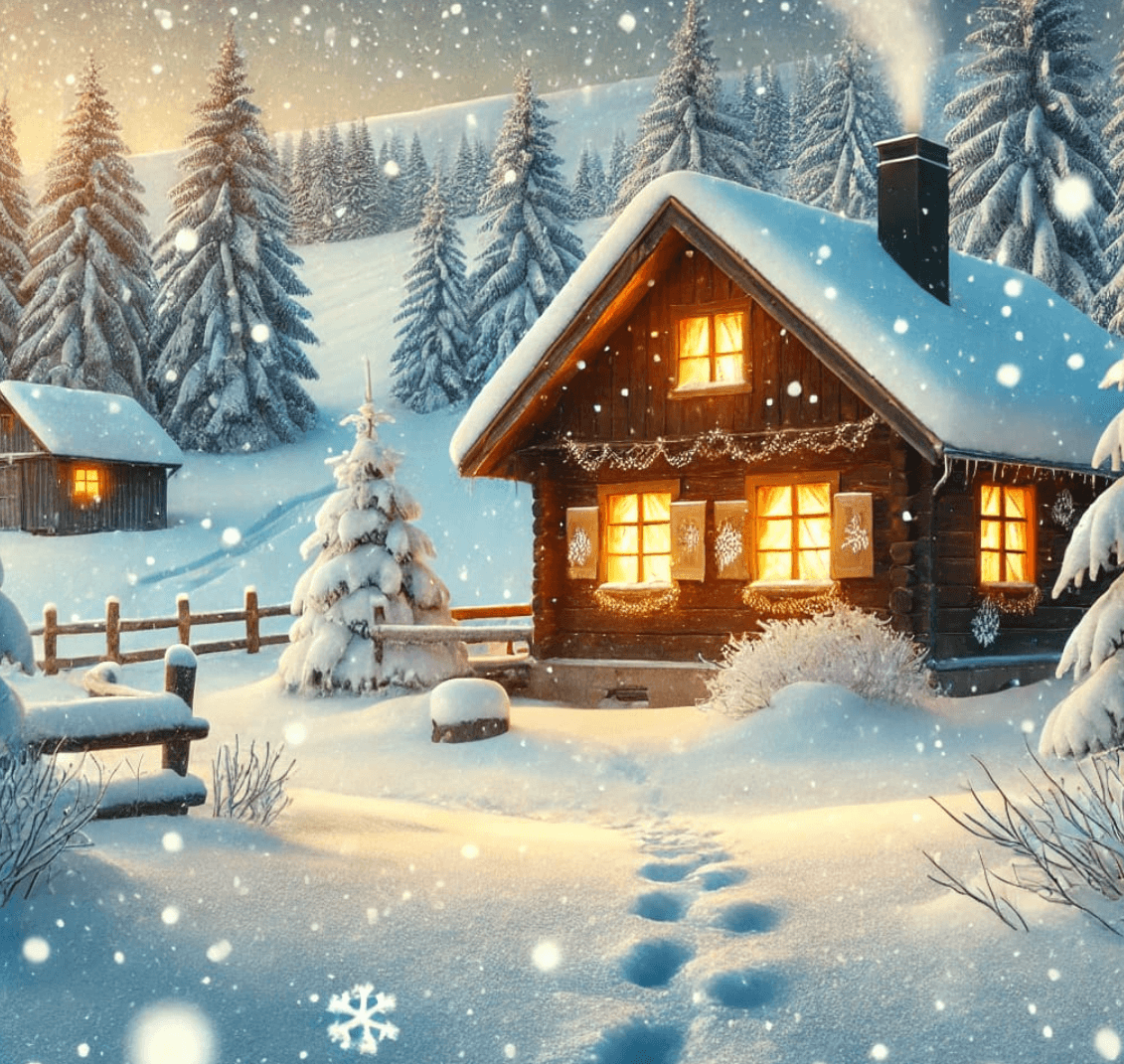
Snow Is Born in the Clouds When we look at the sky, we see that each cloud is made up of tiny water droplets. When the air becomes very cold, these tiny water droplets begin to turn into ice crystals. Ice crystals stick together and grow. Over time, they come together to form light snowflakes. If the air is very cold and the clouds become heavy enough, snowflakes begin to drift and fall from the sky. These light flakes, like cotton, reach the ground due to the wind. Every snowflake is unique! So
EN
Rumeysa Kalkan
The Secret of Snowflakes
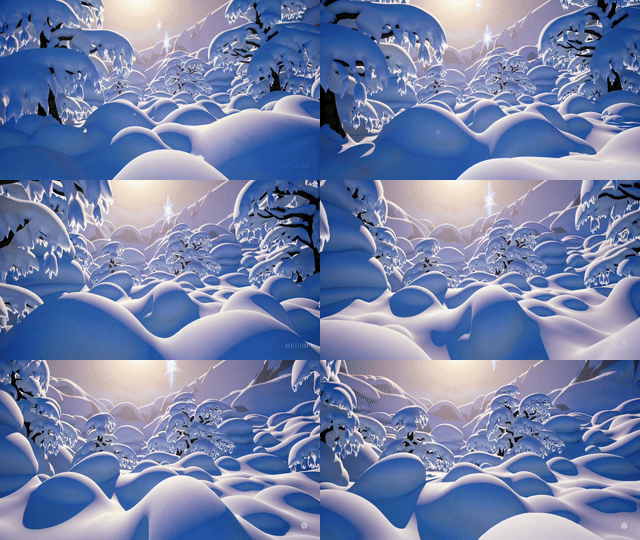
Winter arrives, and every place turns completely white, doesn't it? The air grows cold, the wind becomes harsh, and tiny white snowflakes begin to fall from the sky. Have you ever wondered why each snowflake is different from the others? Let’s uncover the secret of these snowflakes! (AI-generated snowflake animation) " image-alternate="" image-element-format="right"> How Are Snowflakes Formed? Snowflakes are in fact tiny ice crystals. In clouds, water vapor in the air cools and turns into ice
EN
Erva Öztürk
Avalanche
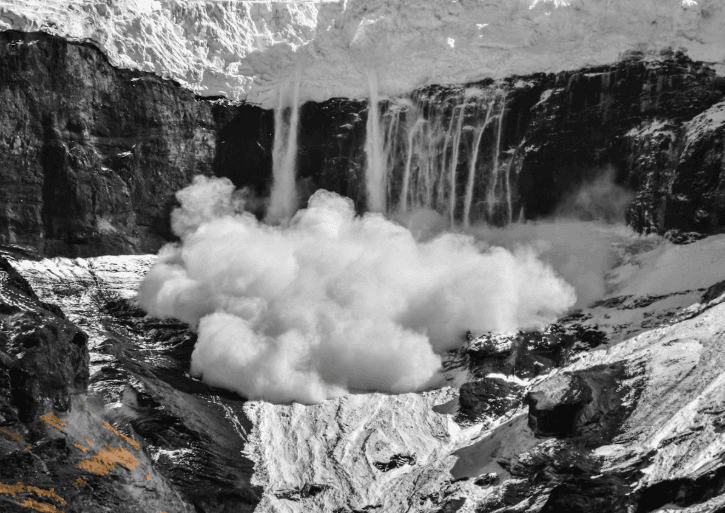
An avalanche is a natural phenomenon that occurs when layers of snow slide due to internal and external forces, typically in mountainous, sloped areas devoid of vegetation cover. This event can also be described as the sliding of snow layers over one another or entirely over the ground as a result of heavy snow accumulation. Avalanches are commonly observed on steep terrain in mountainous regions, especially along valley slopes. Mountains provide environments where snow accumulations can move ra
EN
Sümeyra Uzun
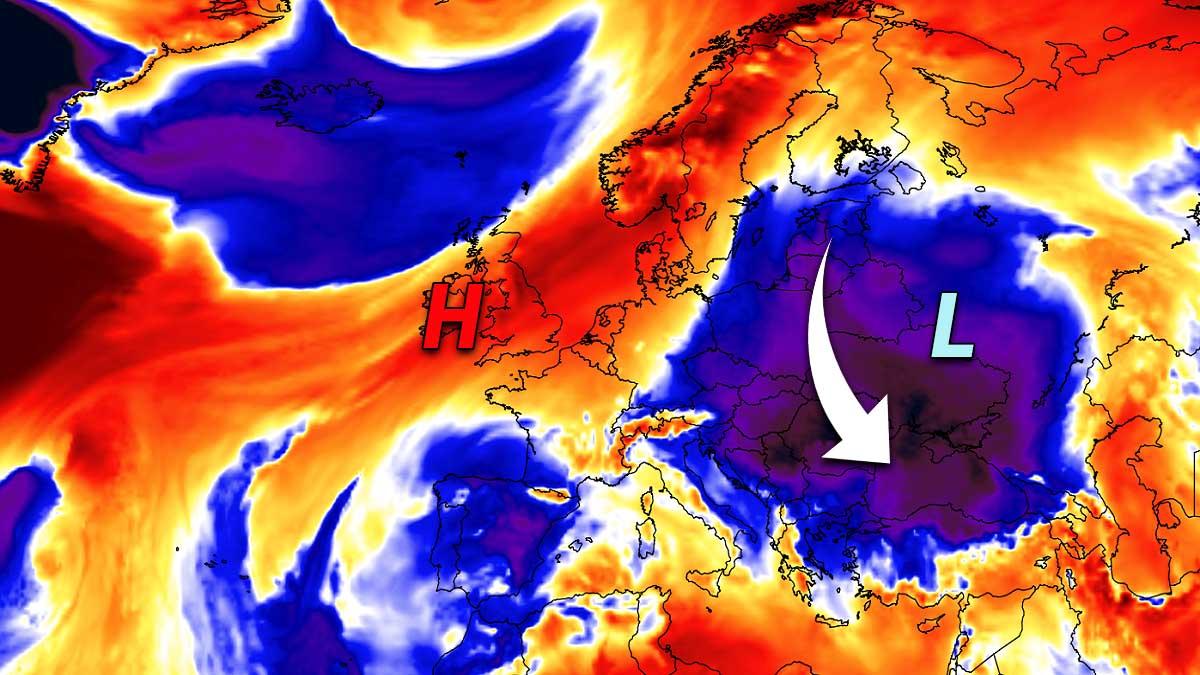
Balkanlardan Gelen Soğuk Hava Dalgası (English)
“Balkanlardan gelen soğuk hava dalgası” is a popular phrase in Türkiye that translates to “the cold air wave coming from the Balkans” in English. It describes a meteorological phenomenon where cold air masses from the Balkan Peninsula affect the country, causing a drop in temperatures and winter weather conditions. Meteorological Significance This phrase often refers to real weather patterns. Cold air masses formed in Central and Eastern Europe move southward through the Balkans, eventually reac
TR
Doğan Eşkinat
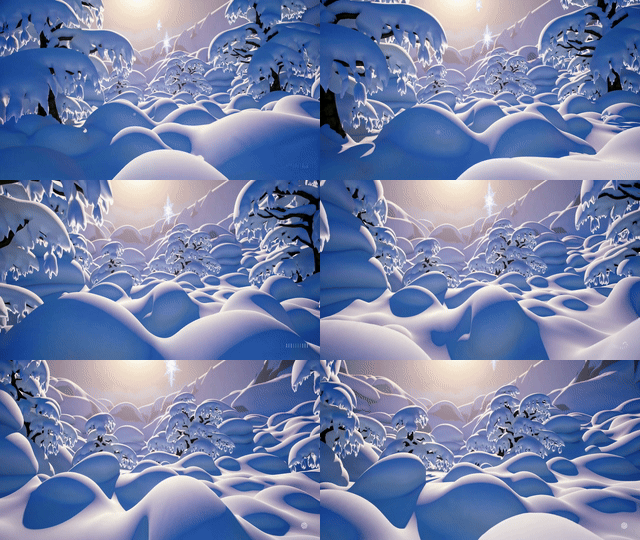
The Secret of Snowflakes
When Winter arrives, every place turns pure white, doesn’t it? The air grows cold, wind hardens, and small begins to fall from the sky as white snow crystals. Have you ever wondered why each of these snowflakes is different? Let’s begin to uncover the secret of snowflakes! (AI-generated snowflake animation) " image-alternate="" image-element-format="right"> How Are Snowflakes Formed? Snowflakes are essentially ice crystals. In clouds, water vapor in the air cools and turns into ice. This wate
EN
Erva Öztürk
Elhân-ı Şitâ (Poetry)
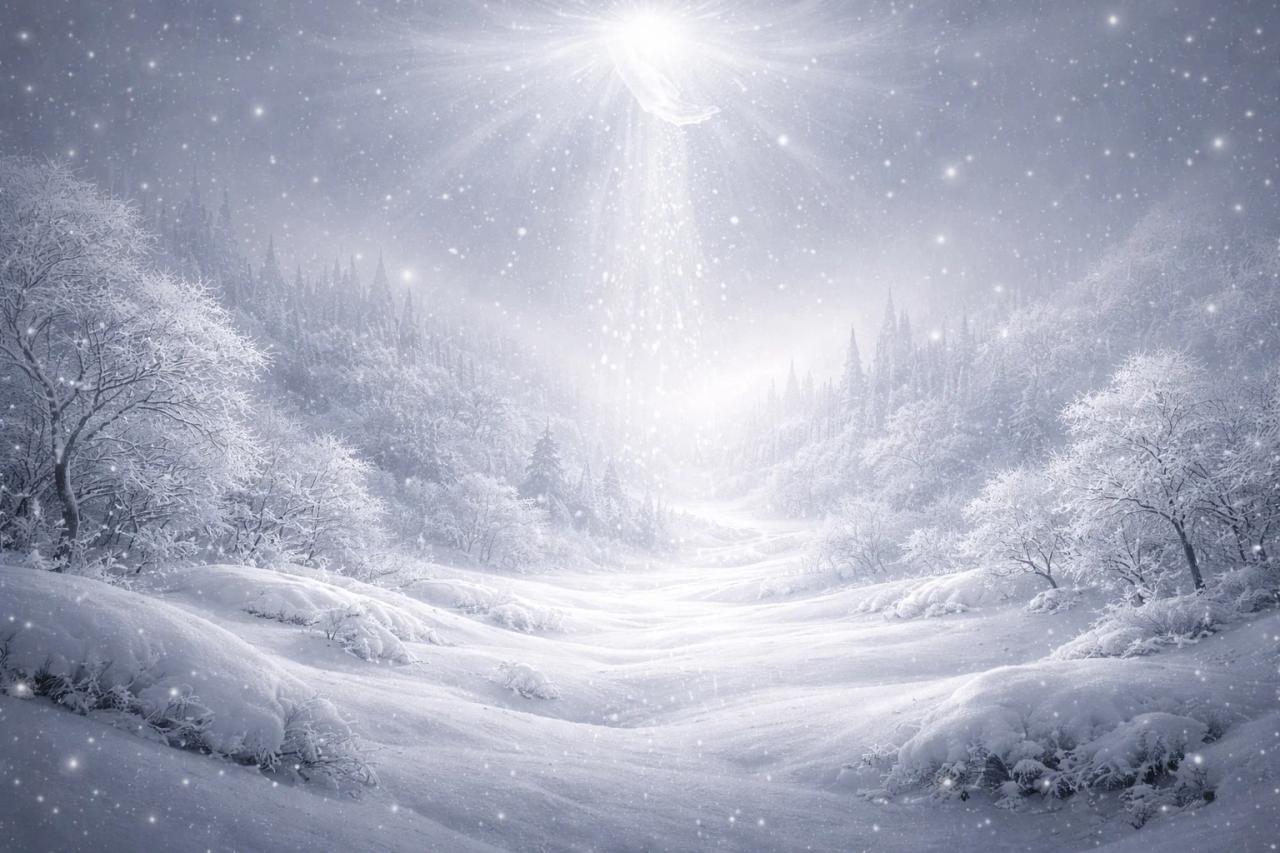
Elhân-ı Şitâ, Servet-i Fünûn literature poet Cenap Şahabettin composed in 1897 as a poetic work focusing on winter and especially snowfall. Within the framework of Servet-i Fünûn aesthetics, the poem’s structure based on natural description, sensory expression, and musical elements places it among the early and prominent examples of the snow theme in modern Turkish poetry. Elhân-ı Şitâ Poem Recited by İsmet Özel (İSTİKLAL MARŞI DERNEĞİ) " youtube-video-element-format="right" youtube-video-id="3p
EN
Nurten Yalçın
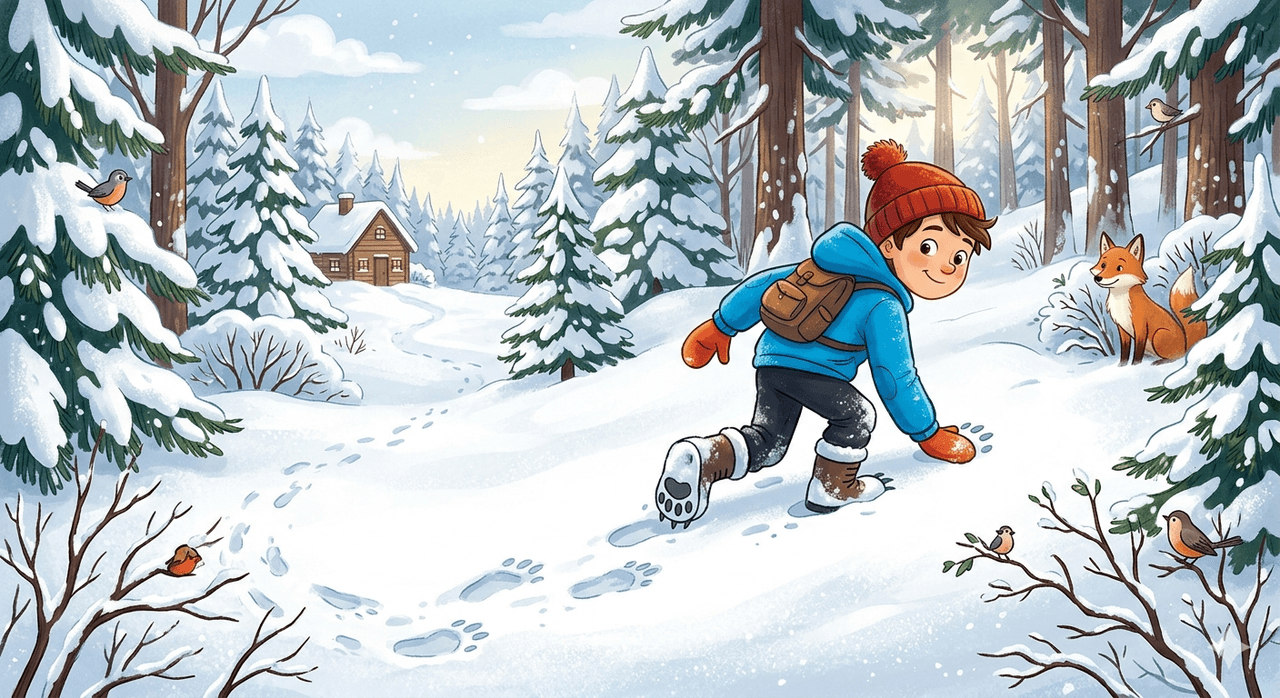
Not leaving traces while walking in the snow
Have you ever walked through heavy, powdery snow? When you walk in snow and look back, you must have seen the footprints you left behind. In our language, the expression "karda gezip izini belli etmemek" is used to describe people who secretly carry out actions without leaving any trace, just like someone who walks through snow but leaves no footprints. You might even imagine this amusing scenario when thinking of a friend who is exceptionally good at hide-and-seek and never gets caught! What Do
EN
Şehrinaz İrem Canbaba
Cold Air Wave from the Balkans
“The cold air wave coming from the Balkans” is a popular phrase in Türkiye that describes a meteorological phenomenon in which cold air masses from the Balkan Peninsula move into the country, causing a drop in temperatures and winter weather conditions. Meteorological Significance This phrase refers to actual weather patterns. Cold air masses originating in Central and Eastern Europe travel southward through the Balkans and eventually reach Türkiye, particularly the Marmara and Aegean regions. T
ENDoğan Eşkinat