

`osman-hamdi-bey` ile İlgili Madde Sonuçları
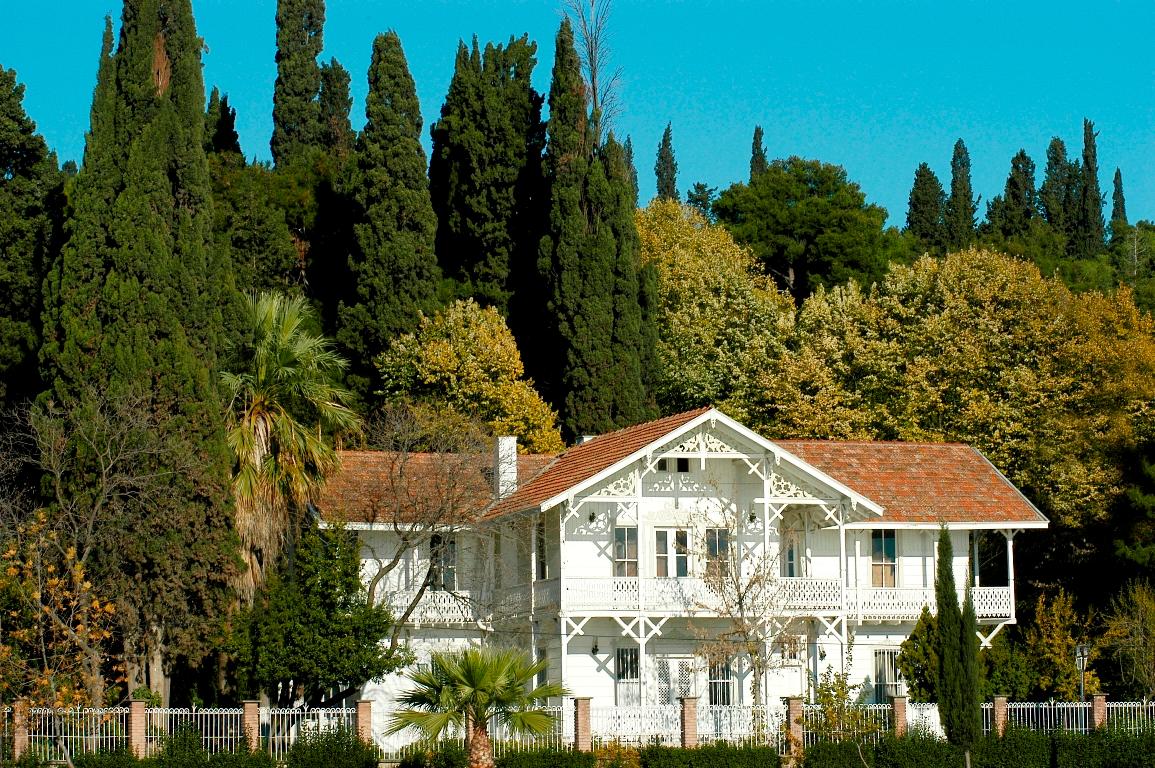
Osman Hamdi Bey House and Museum
The Osman Hamdi Bey House and Museum is a structure named after Osman Hamdi Bey (1842–1910), associated with his life artistic works and cultural activities. Located in the Eskihisar Neighborhood of Gebze District in Kocaeli Province, the building is situated on a sloping terrain overlooking the sea and forms a settlement that integrates natural and historical elements together with the surrounding greenery. Historical and Architectural Features The villa, constructed in 1884 under the direction
EN
Elanur Güney
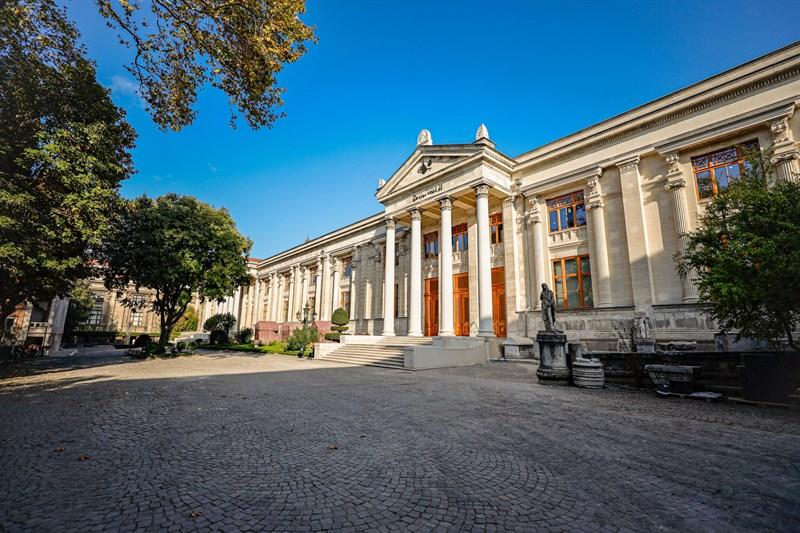
Istanbul Archaeology Museums
Istanbul Archaeology Museums are the first institutional museum complex established during the Ottoman Empire and laid the foundations of modern museology in Türkiye. Founded in 1869 as the “Müze-i Hümayun” (Imperial Museum), it now consists of three main units: the Archaeology Museum, the Museum of the Ancient Orient, and the Çinili Köşk Museum. The museum collections include approximately one million artifacts from Anatolia, Mesopotamia, Egypt, Greece, and Rome, encompassing a significant port
EN
Ahsen Güneş
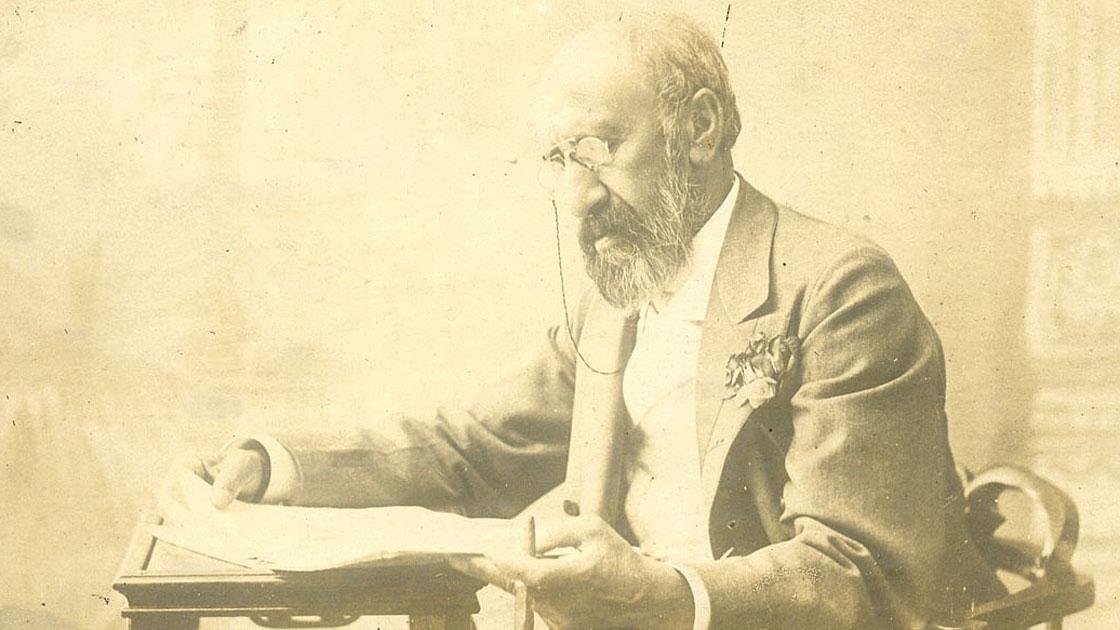
Osman Hamdi Bey
Osman Hamdi Bey (30 December 1842, Istanbul – 24 February 1910, Istanbul) was a statesman, archaeologist and painter who served in the fields of museology, archaeology and fine arts within the Ottoman State. He played a key role in the formation of Ottoman cultural institutions through his directorship of the Müze-i Hümâyûn (Istanbul Archaeology Museums), the founding of the Sanayii Nefise Mektebi, and his efforts to regulate the preservation of ancient artifacts. Birth and Family Origins Osman
EN
Nazlı Kemerkaya
Osman Hamdi Bey Evi ve Müzesi
Osman Hamdi Bey Evi ve Müzesi, 1842–1910 yılları arasında yaşamış olan Osman Hamdi Bey’in adını taşıyan, onun yaşamı, sanatsal çalışmaları ve kültürel faaliyetleriyle ilişkili bir yapıdır. Kocaeli ili Gebze ilçesi Eskihisar Mahallesi’nde yer alan bu yapı, denize hâkim eğimli bir arazi üzerinde konumlanmakta olup, çevresinde yer alan koruluk alan ile birlikte doğal ve tarihî unsurlar içeren bir yerleşime sahiptir. Yapının Tarihi ve Mimari Özellikleri Osman Hamdi Bey tarafından 1884 yılında inşa e
TRElanur Güney
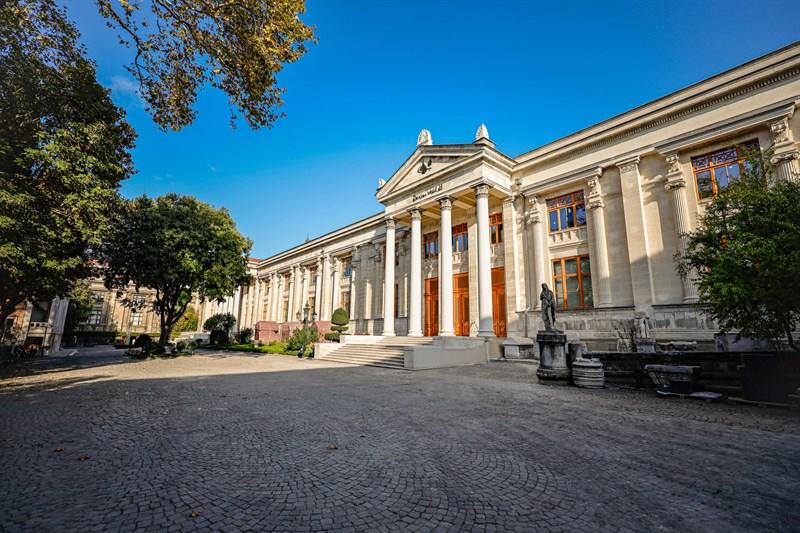
Istanbul Archaeological Museums
Istanbul Archaeology Museums is the first institutional museum complex established in Türkiye, laying the foundations of museum practice in the country during the museum period. Founded in 1869 as the “Müze-i Hümayun,” this museum consists of three distinct units: the Archaeology Museum, the Museum of the Ancient Orient, and the Çinili Köşk Museum. The museum’s collections include approximately one million artifacts from Mesopotamia, Egypt, Greece, and Rome, and preserve a significant portion of
EN
Ahsen Güneş
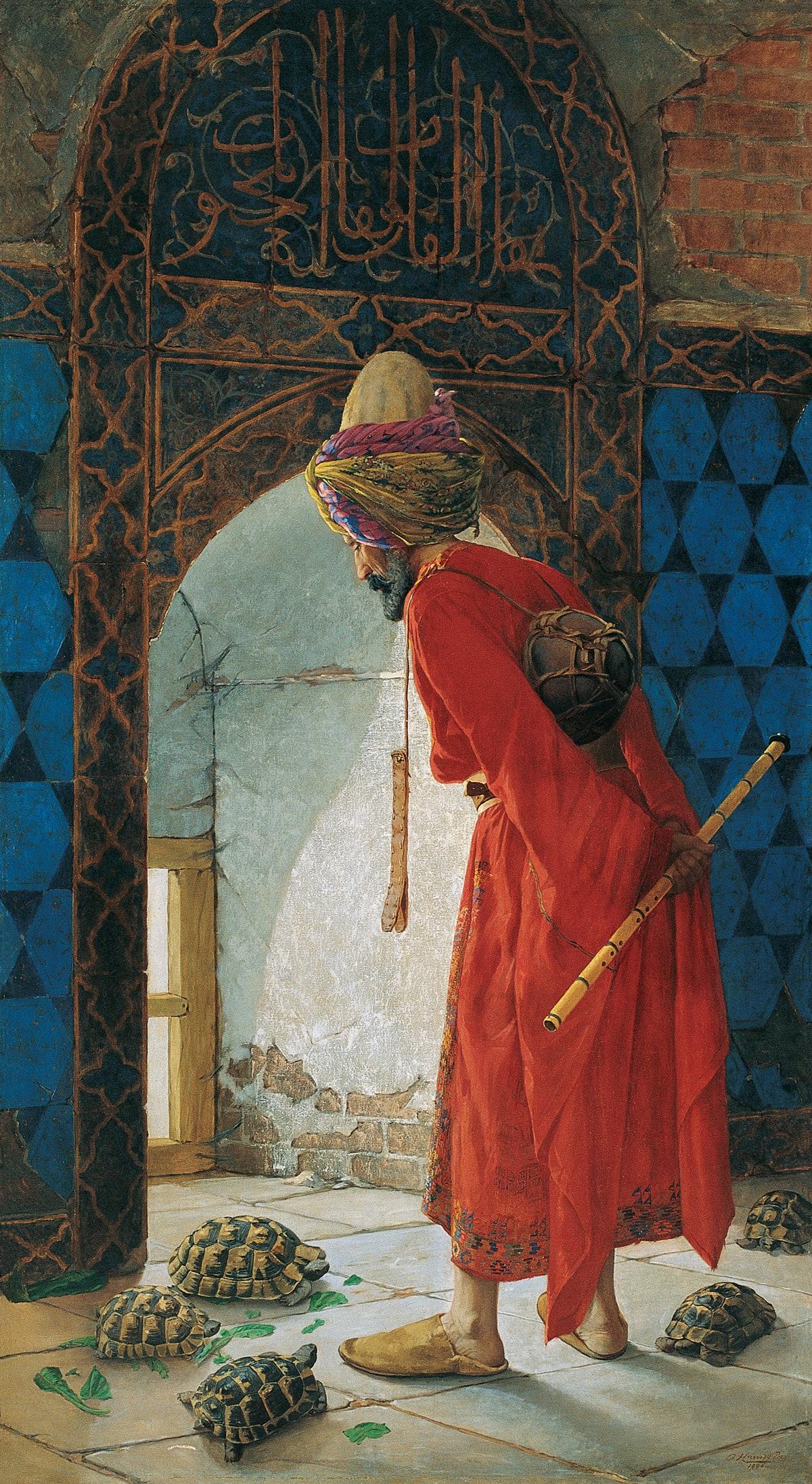
The Tortoise Trainer
The Tortoise Trainer is a painting created by Osman Hamdi Bey in 1906. It is one of the artist’s most renowned works and is believed to offer an allegorical depiction of the modernization process of Ottoman society. Today, the painting is exhibited at the Pera Museum in Istanbul, Türkiye. Subject and Composition The painting depicts a man dressed in Ottoman-era attire, observing tortoises while holding a ney (a reed flute) in his hand and carrying a nakkare (a type of percussion instrument) on h
EN
Edanur Karakoç
Osman Hamdi Bey
Osman Hamdi Bey (30 Aralık 1842, İstanbul – 24 Şubat 1910, İstanbul), Osmanlı Devleti’nde müzecilik, arkeoloji ve güzel sanatlar alanlarında görev yapmış devlet adamı, arkeolog ve ressamdır. Müze-i Hümâyun (İstanbul Arkeoloji Müzeleri) müdürlüğü, Sanayii Nefise Mektebi’nin kuruluşu ve eski eserlerin korunmasına yönelik düzenlemelerle Osmanlı kültür kurumlarının oluşum sürecinde yer almıştır. Doğumu ve Aile Kökeni Osman Hamdi Bey, 30 Aralık 1842 tarihinde İstanbul’da doğdu. Babası, Osmanlı Devlet
TRNazlı Kemerkaya
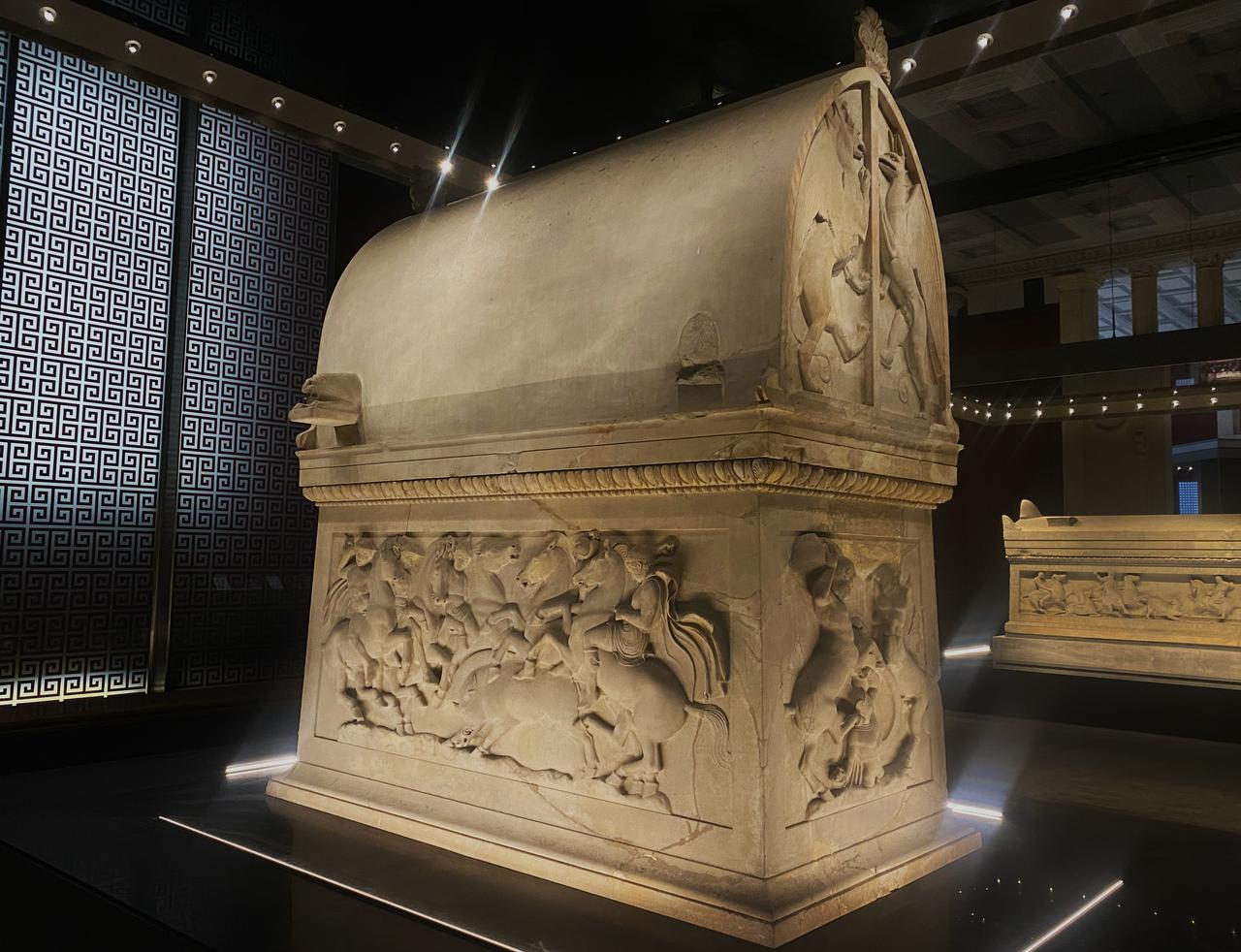
Lycian Sarcophagus
The Lycian Sarcophagus Grave is an ancient artifact discovered during excavations in 1887 by Osman Hamdi Bey and his team at the Sidon Necropolis (within the boundaries of the ancient city of Sidon, now in Lebanon) and currently on display at the Istanbul Archaeology Museums. The term “Lycian” in its name derives from the resemblance of its shape to the characteristic rock-cut tombs of the Lycian Civilization house. Dating to the late 5th century BCE and early 4th century BCE, this sarcophagus i
EN
Nazlı Kemerkaya
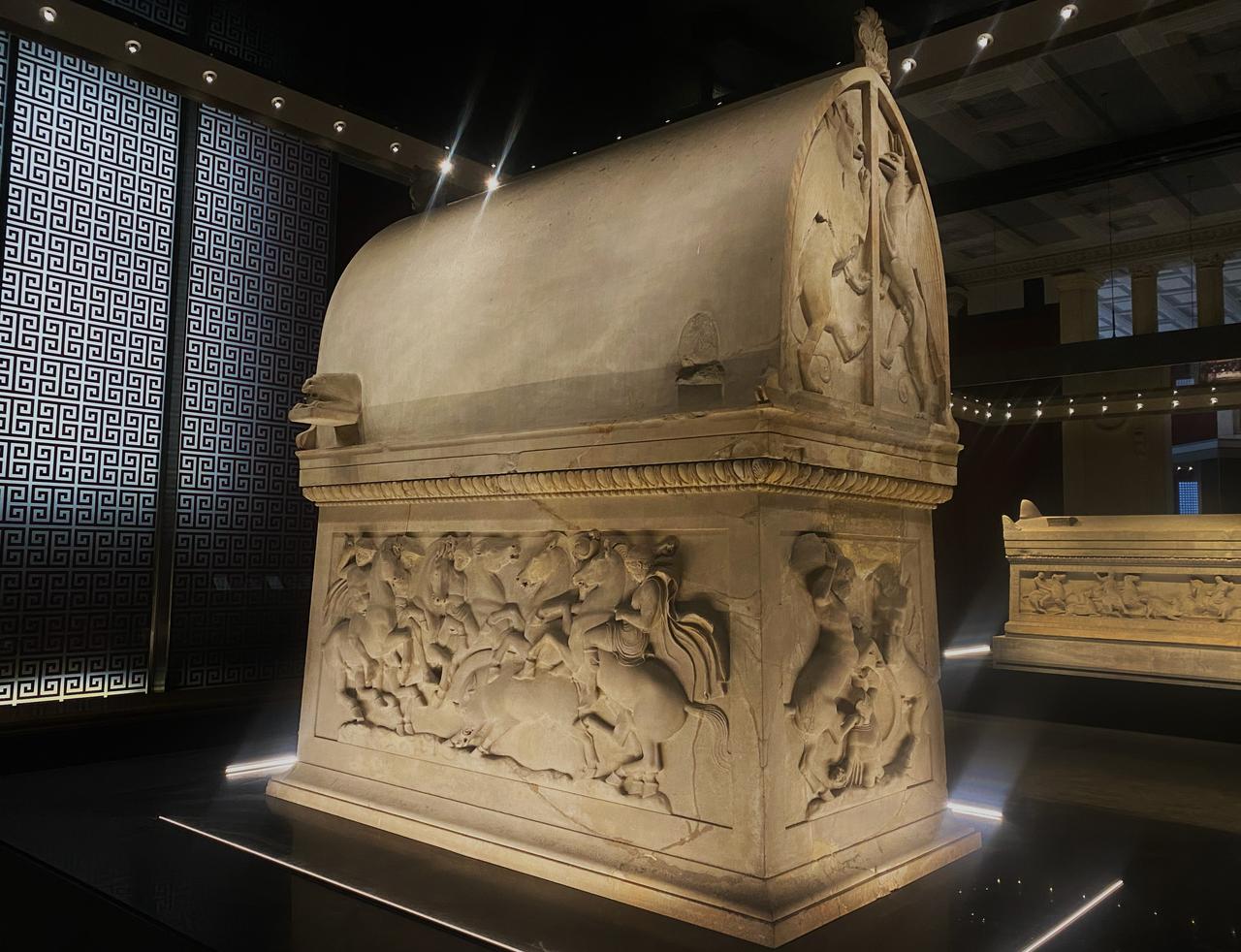
Lycian Sarcophagus
The Lycian SarcophagusSarcophagus, discovered during excavations in 1887 at the Sidon Necropolis (located within the modern borders of Lebanon, in the ancient city of Sidon) by Osman Hamdi Bey and his team, is an ancient artifact exhibited at the Istanbul Archaeology Museums. The term “Lycian” in its name derives from its resemblance to the characteristic rock-cut tomb architecture of the Lycian civilization. Dating from the late 5th century BCE to the early 4th century BCE, this sarcophagus is
ENNazlı Kemerkaya
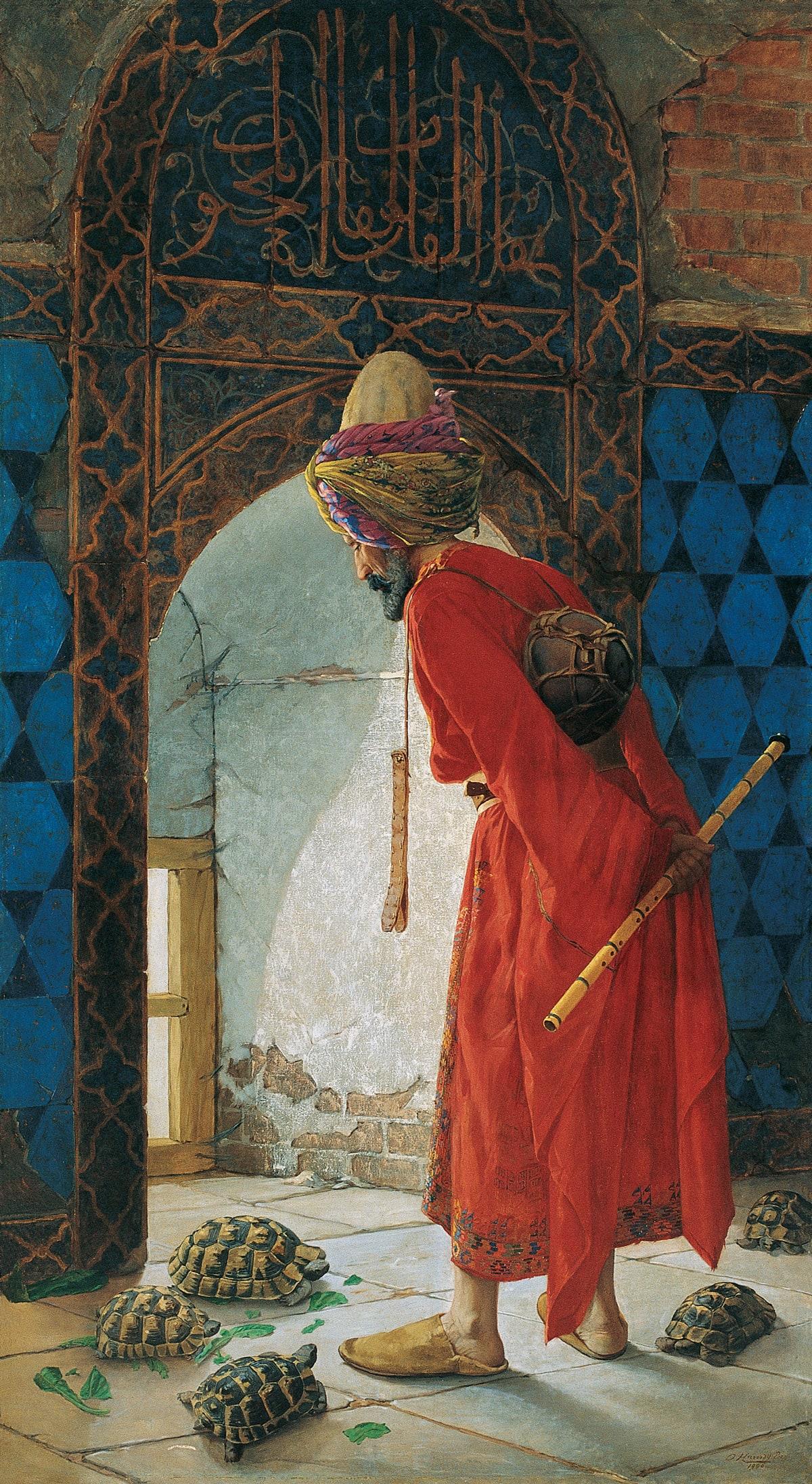
Kaplumbağa Terbiyecisi
Kaplumbağa Terbiyecisi, Osman Hamdi Bey tarafından 1906 yılında yapılan bir tablodur. Sanatçının en tanınmış eserlerinden biri olup Osmanlı toplumunun modernleşme sürecine dair alegorik bir anlatım sunduğu düşünülmektedir. Eser, günümüzde İstanbul’daki Pera Müzesi'nde sergilenmektedir. Konu ve Kompozisyon Tabloda, Osmanlı dönemi giysileri giymiş bir adam, sırtında nakkare adı verilen vurmalı bir çalgı, elinde ise ney tutarak kaplumbağaları izlemektedir. Figür, kırmızı entarisi ve başındaki külah
TREdanur Karakoç