

`iot` ile İlgili Madde Sonuçları
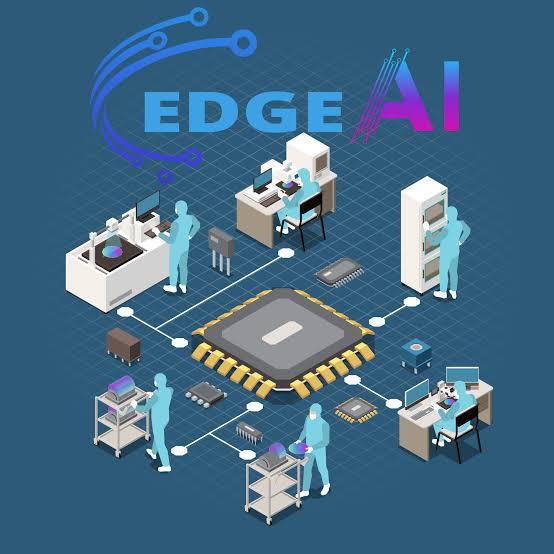
Edge AI (Edge Artificial Intelligence)
Edge AI (Fly Artificial Intelligence) or Edge Intelligence (Edge Intelligence - EI) refers to the practice of running artificial intelligence (AI) computations and algorithms on devices at the network’s edge—such as end-user devices—rather than in centralized cloud data data centers. This approach aims to integrate AI capabilities into mobile devices, Internet of Things (IoT) sensors, smart cameras, robots like real world and other edge devices. Fundamentally, it seeks to combine edge computing
EN
Hakan Şensoy
 Re
ReReconfigurable Intelligent Surfaces (RIS)
Reconfigurable Intelligent Surfaces (RIS) are a next-generation technology developed to control signal transmission in wireless communications. Based on advances in electronics and materials science, RIS technology can actively steer electromagnetic waves in the surrounding environment to alter the way signals propagate. This feature holds significant potential for achieving high data data rates, lower latency, and enhanced reliability reliability, particularly in 5G, IoT (Internet of Things), a
EN
Elvan Kuzucu Hıdır
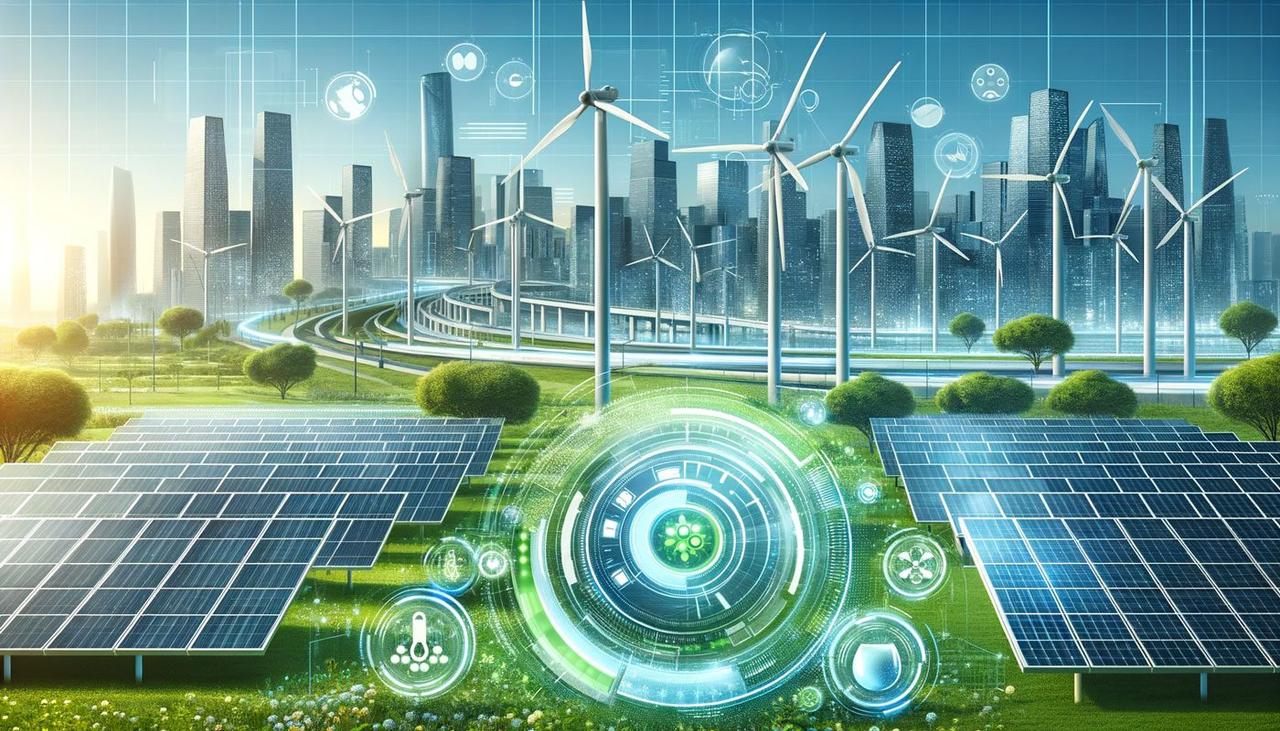
IoT Solutions in Renewable Energy
Renewable energy systems are systems that generate energy using sustainable and clean energy sources. These systems obtain energy from natural resources such as sun, wind, hydropower, and biomass like. Internet of Things (IoT) technology plays a critical role in enhancing the efficiency of these energy systems, enabling monitoring and automating management processes to offer. IoT solutions optimize the efficiency of energy systems while simultaneously reducing operational costs and lowering sour
EN
Hatice Kete
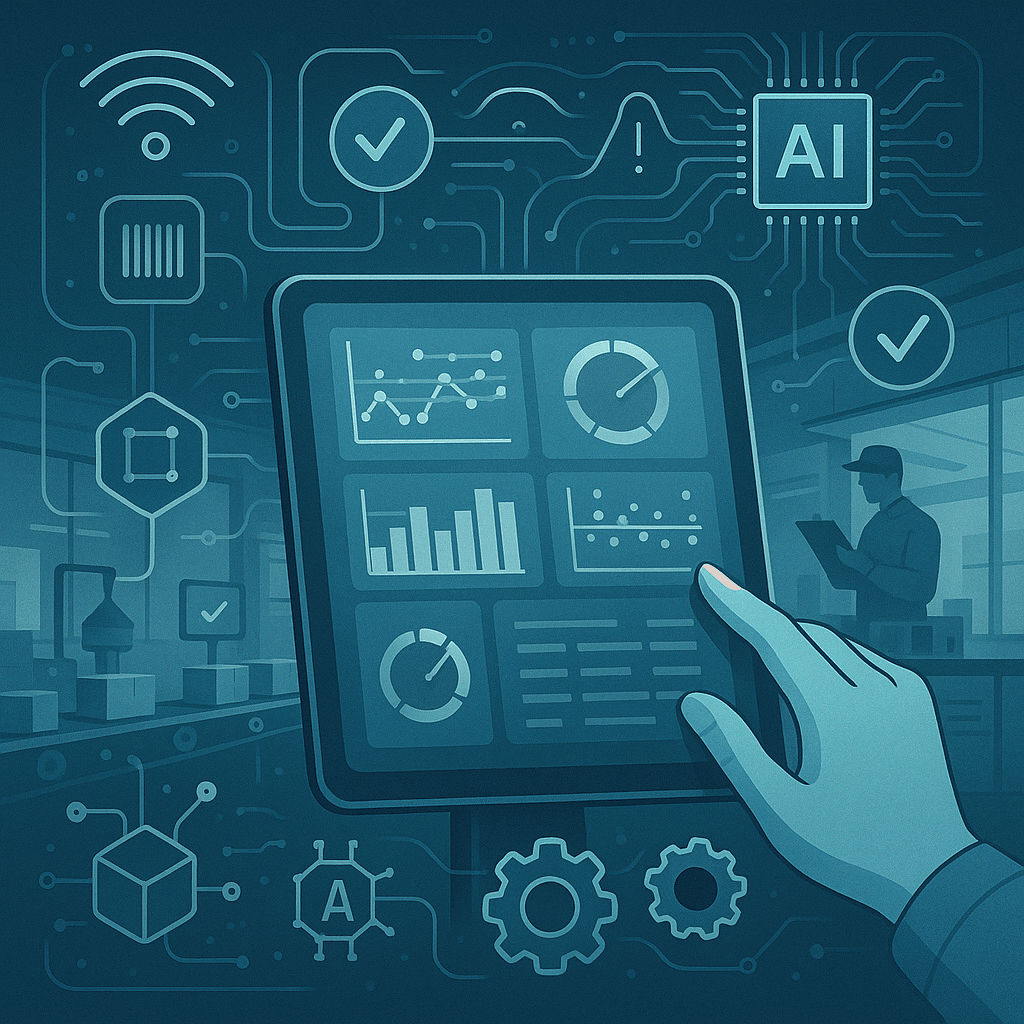
Database-Based Quality Management
Data-based quality management is a management approach that systematically employs data collection, analysis, and interpretation processes to continuously monitor, control, and improve the quality of an organization’s products, services, and processes. This approach integrates traditional quality management principles with digital technologies such as big data, artificial intelligence, the Internet of Things (IoT), and advanced analytics. Its primary objective is to shift from a reactive error-c
EN
Ömer Said Aydın
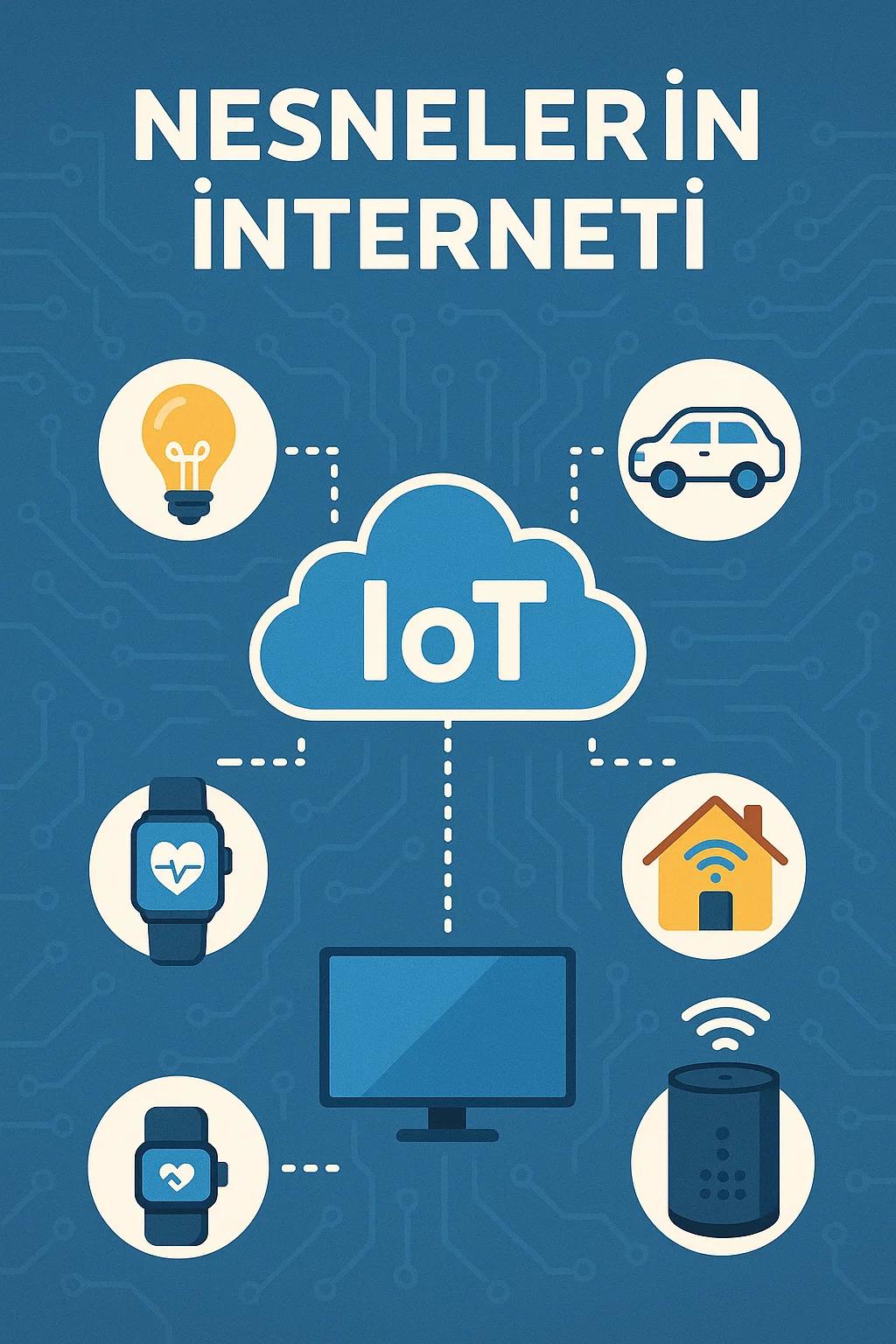
IoT (Internet of Things)
The Internet of Things (IoT) is a technology and communication infrastructure that enables physical objects to exchange data with each other and with other systems via the internet. This system allows devices to collect, process, and remotely manage environmental data. The concept of IoT was first introduced in 1999 by British researcher Kevin Ashton. Its primary goal is to integrate everyday objects into digital networks to make them more efficient, interactive, and autonomous. Definition and S
EN
Eyüp Ecmel Acat
SmSmart Manufacturing Systems
Smart manufacturing systems consist of an integration of advanced technologies that make industrial production processes more efficient, flexible, and sustainable. These systems operate in conjunction with technologies such as artificial intelligence (AI), machine learning (ML), Internet of Things (IoT), robotics, big data, and cloud computing. Smart manufacturing creates a digital ecosystem that connects all production processes, enabling data exchange between machines, robots, sensors, and sof
ENSıla Temel
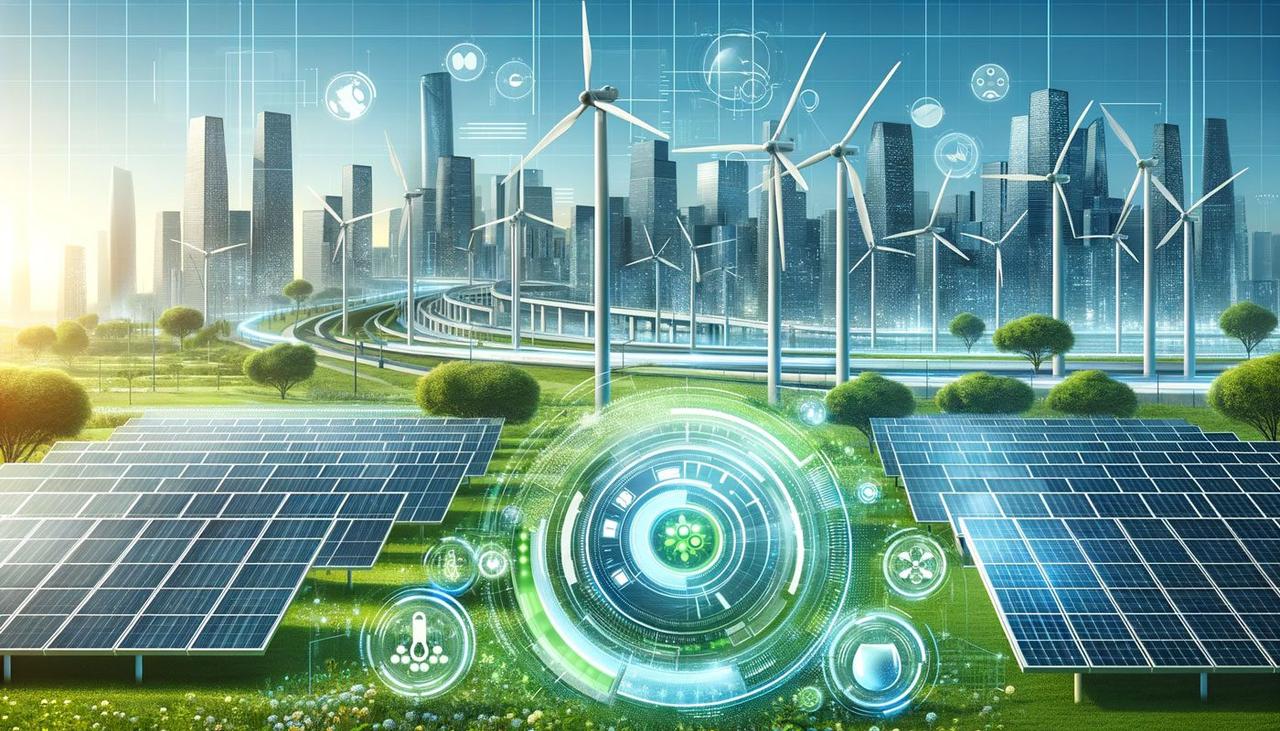
IoT Solutions in Renewable Energy
Renewable energy systems are systems that generate energy using sustainable and clean energy sources. These systems obtain energy from natural resources such as sun, wind, hydroelectric and biomass such as. Internet of Things (IoT) technology plays a critical role in enhancing the efficiency of these energy systems, enabling monitoring and providing automated management processes to offer. IoT solutions optimize the efficiency of energy systems while simultaneously reducing operational costs and
ENHatice Kete
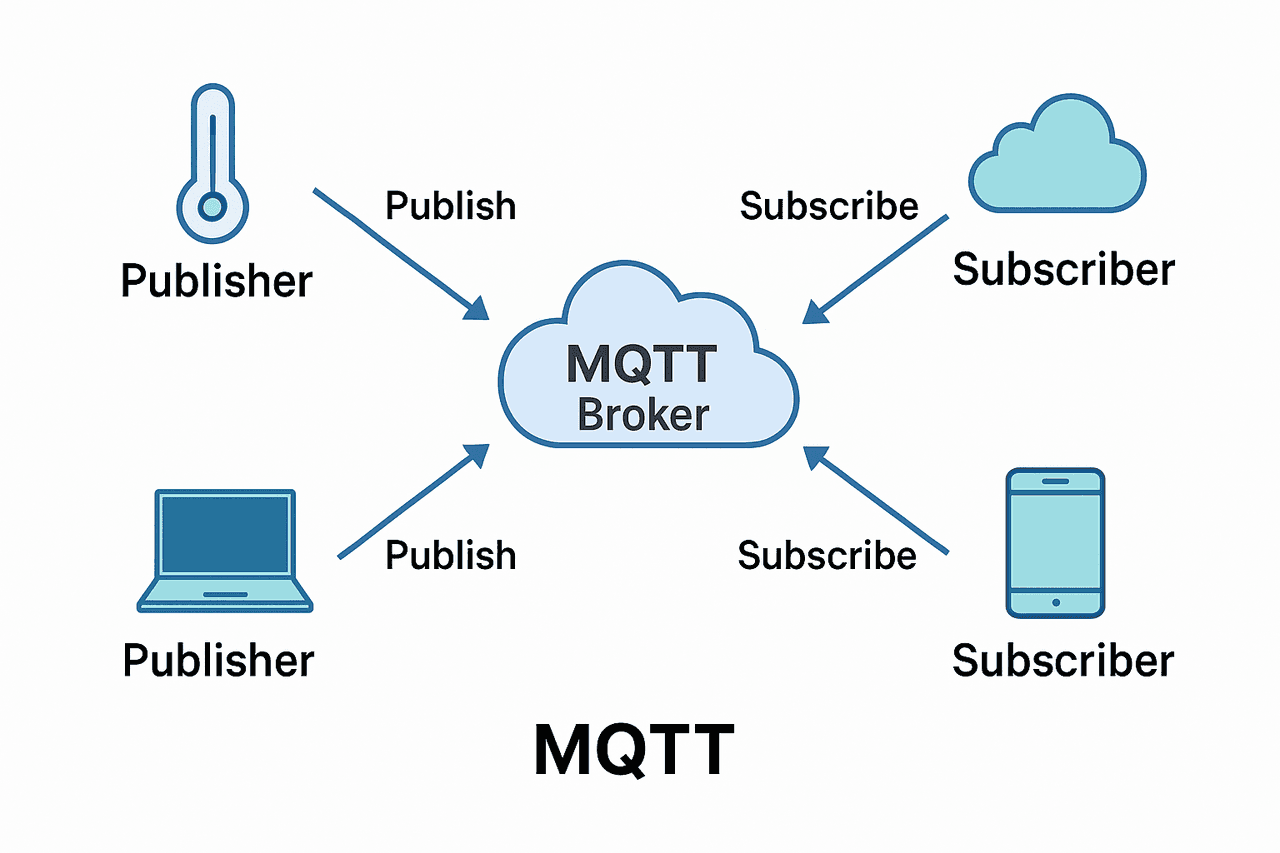
MQTT (Message Queuing Telemetry Transport)
MQTT (Message Queuing Telemetry Transport) is a lightweight and efficient messaging protocol designed to enable communication between devices with limited bandwidth and power. Embedded systems, Internet of Things (IoT) devices, and industrial automation systems widely use this protocol, which is based on a client-server model. General Structure of MQTT MQTT operates on a messaging logic between clients and a server (broker). In this structure, messages are published over a specific topic and rec
EN
Gülçin Özer

Vecna Robotics
Vecna Robotics, endüstriyel otomasyon ve otonom malzeme taşıma sistemleri alanında faaliyet gösteren bir teknoloji şirketidir. Merkezi Waltham, Massachusetts’te bulunan şirket, üretim, depolama, lojistik ve e-ticaret sektörlerine yönelik yapay zekâ destekli robotik çözümler geliştirmektedir. Vecna Robotics’in amacı, insan ve makine iş birliğini optimize ederek endüstriyel iş akışlarında verimlilik ve esneklik sağlamaktır. Kuruluş Vecna Robotics, mühendis Daniel Theobald tarafından kurulmuş olup
TRÖmer Said Aydın
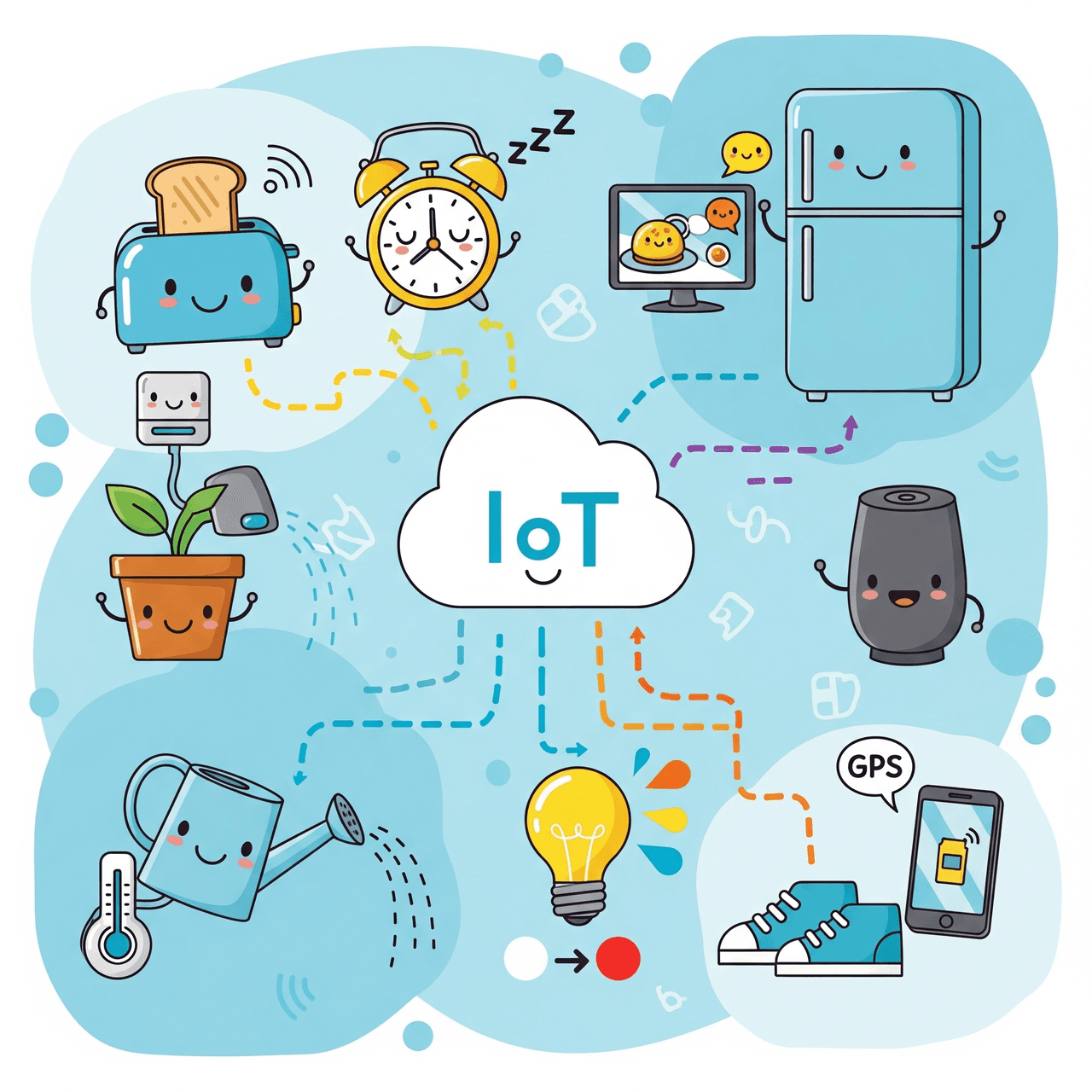
Nesnelerin İnterneti
Hiç buzdolabınızın size "Süt bitti, markete git!" dediğini hayal ettiniz mi? Ya da evinizin kapısının siz gelmeden kendini açtığını? İşte nesnelerin interneti (kısaca IoT) tam da böyle şeyler yapabilen bir teknoloji! Gelin, bu ilginç dünyayı birlikte keşfedelim. Nesnelerin İnterneti Ne Demek? Nesnelerin interneti, günlük hayatta kullandığımız eşyaların internete bağlanarak birbirleriyle konuşabilmesini sağlayan bir sistemdir. Mesela, telefonunuz, televizyonunuz, hatta saatiniz bile internet üzer
TR
Elif Laçin