

`adamsmith` ile İlgili Madde Sonuçları
 Th
ThTheory of Absolute Advantages
The theory of absolute advantage (English: Absolute Advantage Theory) is an economic theory that explains a country’s ability to produce a certain good or service at a lower cost and higher efficiency compared to other countries. This theory was introduced by Scottish economist Adam Smith in his 1776 work titled "The Wealth of Nations" (An Inquiry into the Nature and Causes of the Wealth of Nations). Smith’s theory challenged mercantilist thought by arguing that international trade is not a "zer
EN
Sümeyra Uzun
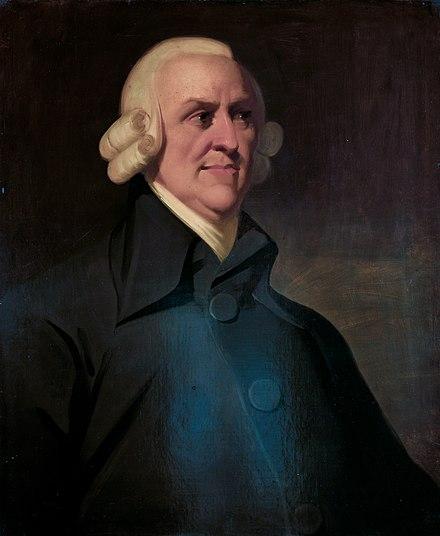
Adam Smith's Economic Theories
Modern is regarded as one of the foundational pillars of economic science. The Scottish economist and philosopher Adam Smith (1723–1790) is renowned for his theories that explain the functioning of the economy and establish the fundamental principles of capitalism. His work, *The Wealth of Nations*, is one of the cornerstone texts of economic thought and forms the basis of free-market economics. Portrait of Adam Smith 1800 " image-alternate="" image-element-format="right"> The Invisible Hand:
EN
Mesut Altunkaynak
ThTheory of Absolute Advantages
Absolute advantage theory (in English: Absolute Advantage Theory) is an economic theory that explains a situation in which a country can produce a certain good or service at a lower cost and with higher efficiency than other countries. This theory was introduced by Scottish economist Adam Smith in his 1776 work titled "An Inquiry into the Nature and Causes of the Wealth of Nations" (An Inquiry into the Nature and Causes of the Wealth of Nations). Smith’s theory challenged mercantilist thinking b
EN
Sümeyra Uzun
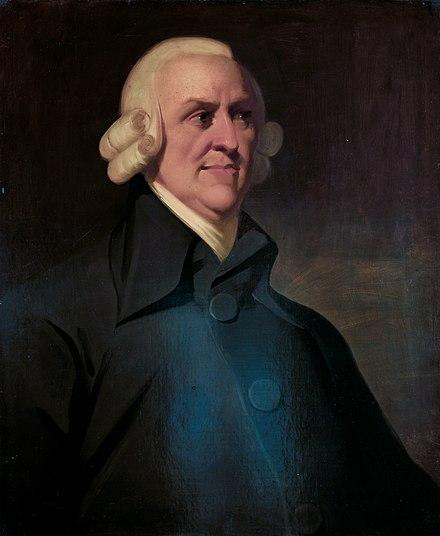
Adam Smith's Economic Theories
Modern economics considers the Scottish economist and philosopher Adam Smith (1723–1790) one of its foundational figures. He is renowned for his theories that explain how a market economy functions and establish the core principles of capitalism. His work, The Wealth of Nations, is one of the foundational texts of economic thought and lays out the fundamental principles of a free market economy. Adam Smith Portrait 1800 " image-alternate="" image-element-format="right"> The Invisible Hand: Th
EN
Mesut Altunkaynak
Adam Smith'in Ekonomi Teorileri
Modern ekonomi biliminin temel taşlarından biri olarak kabul edilen İskoç Ekonomist ve Filozof Adam Smith (1723 - 1790), piyasa ekonomisinin işleyişini açıklayan ve kapitalizmin temel ilkelerini ortaya koyan teorileriyle tanınır. "Ulusların Zenginliği" adlı eseri, ekonomik düşüncenin temel eserlerinden biridir ve serbest piyasa ekonomisinin temel ilkelerini oluşturur. Adam Smith Portresi 1800 " image-alternate="" image-element-format="right"> Görünmez El: Ekonominin Doğal Mekanizması Adam Smi
TRMesut Altunkaynak
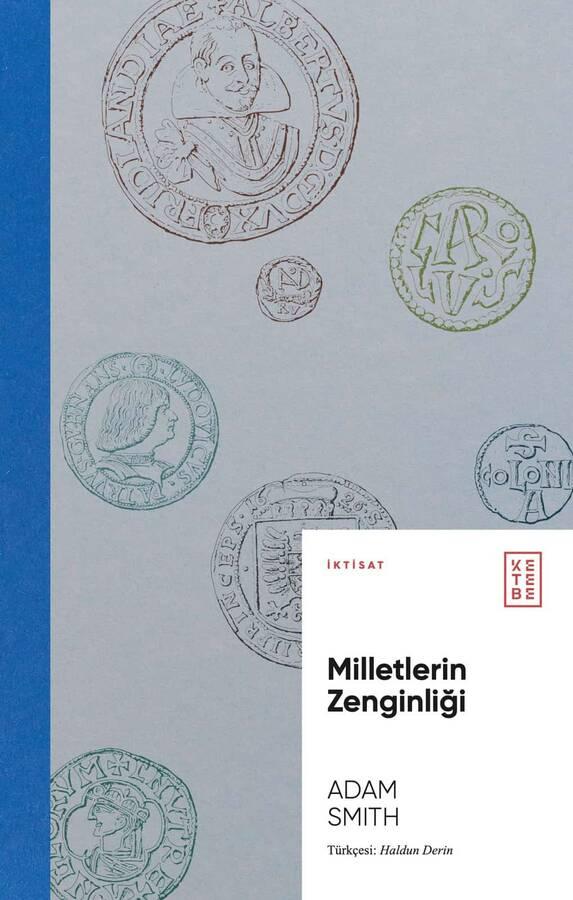
Ulusların Zenginliği (Kitap)
Ulusların Zenginliği (An Inquiry into the Nature and Causes of the Wealth of Nations), İskoç filozof ve ekonomist Adam Smith tarafından kaleme alınmış ve ilk kez 1776 yılında yayımlanmış olan beş ciltlik ekonomi kitabıdır. Modern iktisadın temelini oluşturan bu eser iktisat düşüncesinin bilimsel bir disiplin hâline gelmesinde dönüm noktası olarak kabul edilir. Eser, klasik iktisat okulunun kurucu metinlerinden biri olarak değerlendirilmektedir. İçerik ve Temel Görüşler Kitap, üretim, ticaret, iş
TR
Esra Can
MuMutlak Üstünlükler Teorisi
Mutlak üstünlükler teorisi (İngilizce: Absolute Advantage Theory), bir ülkenin belli bir mal veya hizmeti, diğer ülkelere kıyasla daha düşük maliyetle ve daha yüksek verimlilikle üretebilmesi durumunu açıklayan ekonomik bir teoridir. Bu teori, İskoç iktisatçı Adam Smith tarafından 1776 yılında yayınlanan "Ulusların Zenginliği" (An Inquiry into the Nature and Causes of the Wealth of Nations) adlı eserinde ortaya konmuştur. Smith'in teorisi, merkantilist düşünceyi eleştirerek, dış ticaretin "sıfır
TRSümeyra Uzun