

`urbanization` Related Article Results
 Ur
UrUrbanization in Türkiye
Urbanization in Türkiye is a multifaceted transformation process with social, economic, cultural, and spatial dimensions that accelerated notably from the second half of the 20th century. It is defined not merely as a movement of population but as a process of population accumulation encompassing industrialization, economic development, increasing division of labor and specialization in social structure, and changes in human behavior and relationships. Türkiye’s urbanization experience exhibits
EN
Yunus Emre Yüce

Federative Republic of Brazil
Brazil (Officially the Federative Republic of Brazil)Federal Republic is a country located in South America with its capital in Brasília.T.C. Ministry of Trade, Brazil Country Profile-2025 (Ankara: T.C. Ministry of Trade, 2025), 3. Access Date: June 22, 2026.https://www.aso.org.tr/uploads/ortam/Brezilya%20%C3%9Clke%20Profili-2025.docx.pdf ">【1】 With an area of 8,547,400 square kilometers, it is the fifth largest country in the world. Marine Corps Intelligence Activity, Brazil Country Handbook
EN
Azra Yaşar
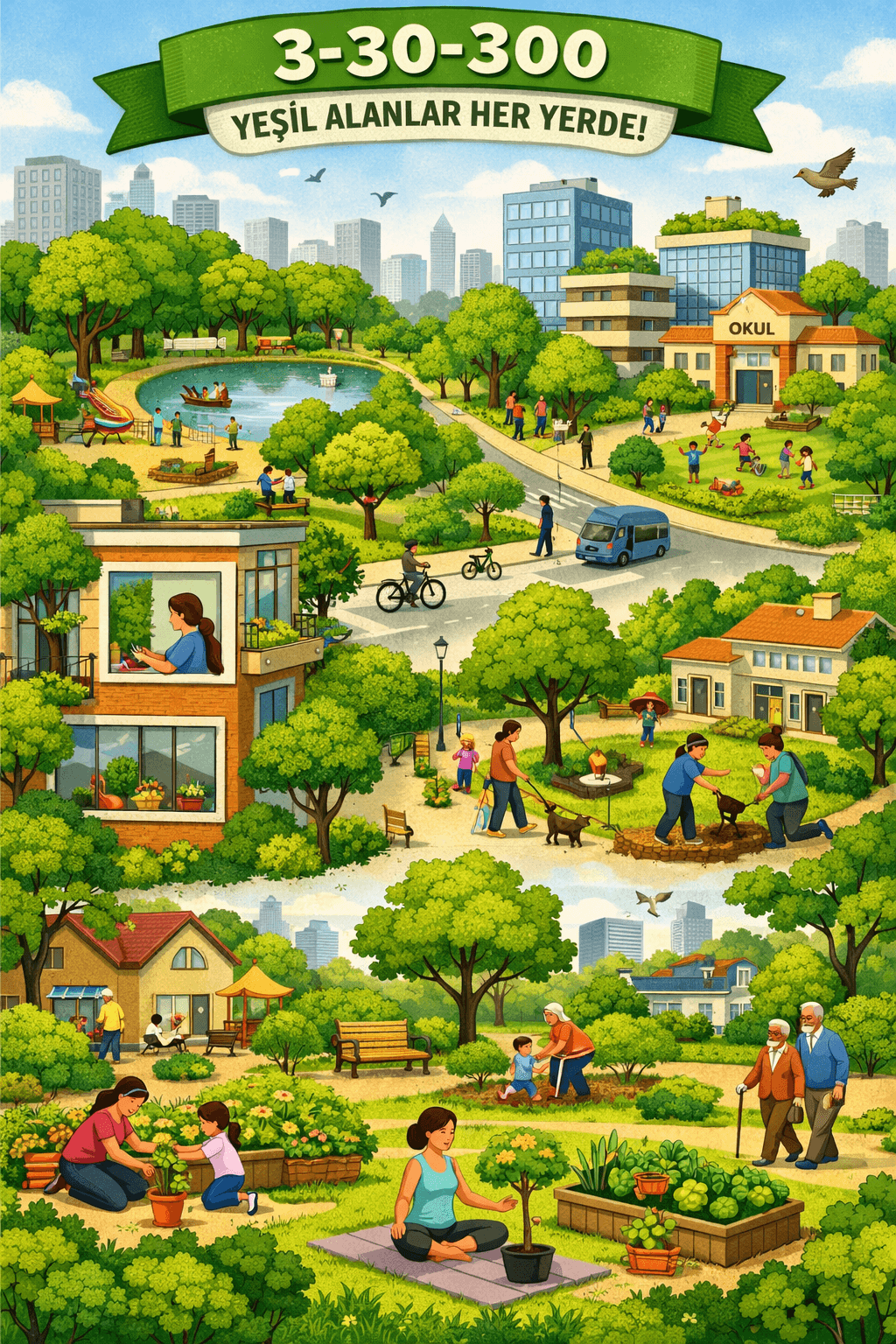
3-30-300 Rule
The 3-30-300 rule is a measurable and actionable urban green infrastructure guideline grounded in scientific evidence on the impacts of high-quality urban green spaces on human health, well-being, and climate resilience. This rule is directly linked to the seventh target of the United Nations Sustainable Development Goals, which aims for universal access to safe, inclusive, and accessible green and public spaces for all by 2030, within the framework of the 11th target. M.H.E.M Browning; Locke, D
EN
Nursena Şahin

The Production of Space
Production of Space (Production of Space) is a foundational theory developed by the French thinker and sociologist Henri Lefebvre, who lived between 1901 and 1991 and is known in the literature as a Neo-Marxist, to radically analyze the relationships between city, space and politics.【1】 Lefebvre’s redefinition of space not as a physical and static void but as a social production field was significantly shaped by his experience as a taxi driver in Paris during the 1920s and 1930s and his internat
EN
Kadriye Beyza Kirenci
GeGeography and Human Settlements
Geography is a scientific discipline that studies the physical characteristics of the Earth's surface, its climate, vegetation, and human activities. Human settlements constitute one of the human elements of geography and have been shaped by environmental factors throughout history. The distribution of settlements, population density, urbanization processes, and rural life are closely related to geographic conditions. Geographic Determinants of Settlements Many factors have influenced the select
ENHarun Kocatürk
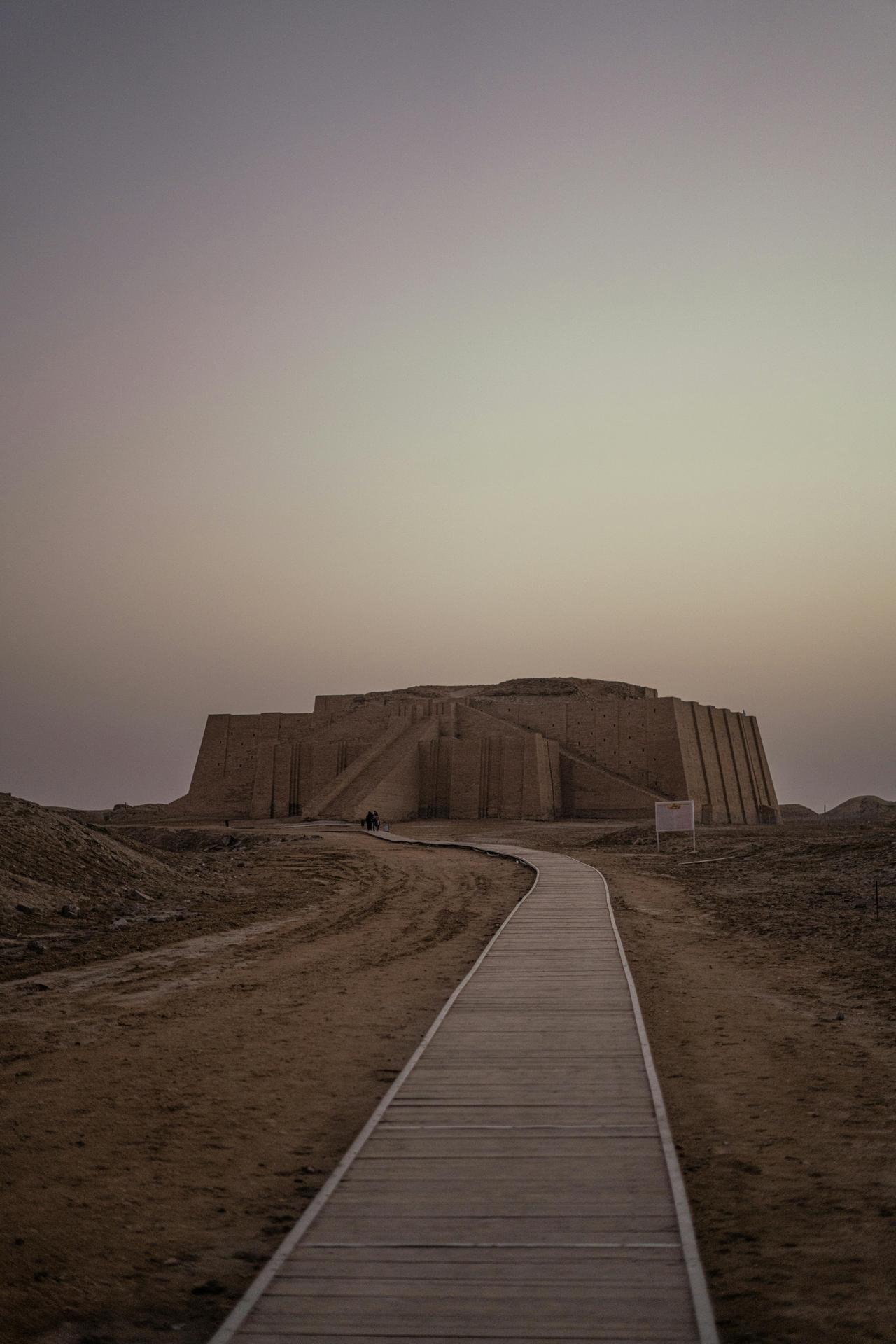
Mesopotamian Architecture
Mesopotamian architecture denotes an original building culture that emerged on the fertile lands between the Tigris and Euphrates rivers, where some of humanity’s earliest large-scale settlements appeared. This architectural understanding, which began developing from the 6th millennium BCE, evolved not only in terms of construction technology but also as an integrated system encompassing social organization, belief systems, and economic arrangements. Despite the challenging environmental conditi
EN
Esra Özkafa
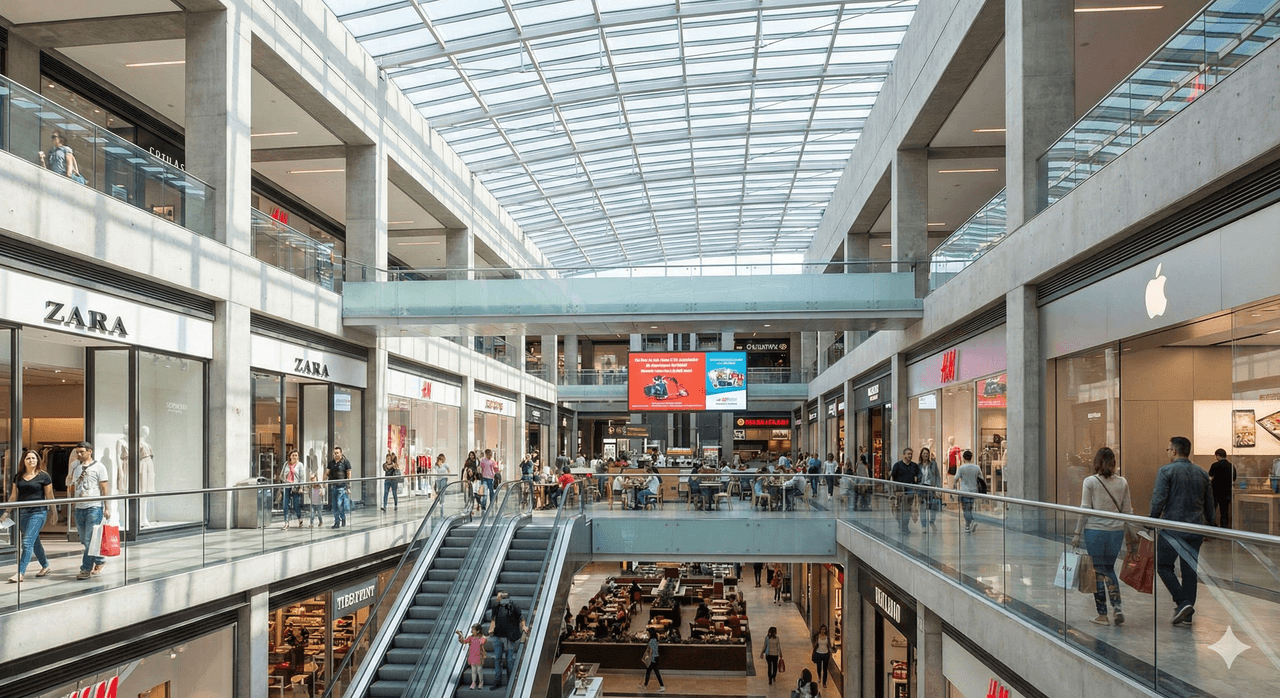
Shopping Mall Culture
The modern capitalist system spatially expresses its presence and functioning in today’s cities through shopping malls (AVM). In contemporary social structures described as a "consumption society", these centers have become an inevitable reality of urban life. The great cities of the past, once associated with production, now accommodate these massive structures where consumption is concentrated and organized.Ünal Şentürk, "Tüketim Toplumu Bağlamında Boş Zamanların Kurumsallaştırdığı Bir Mekân:
EN
Bahtiyar Bora ERGÜN
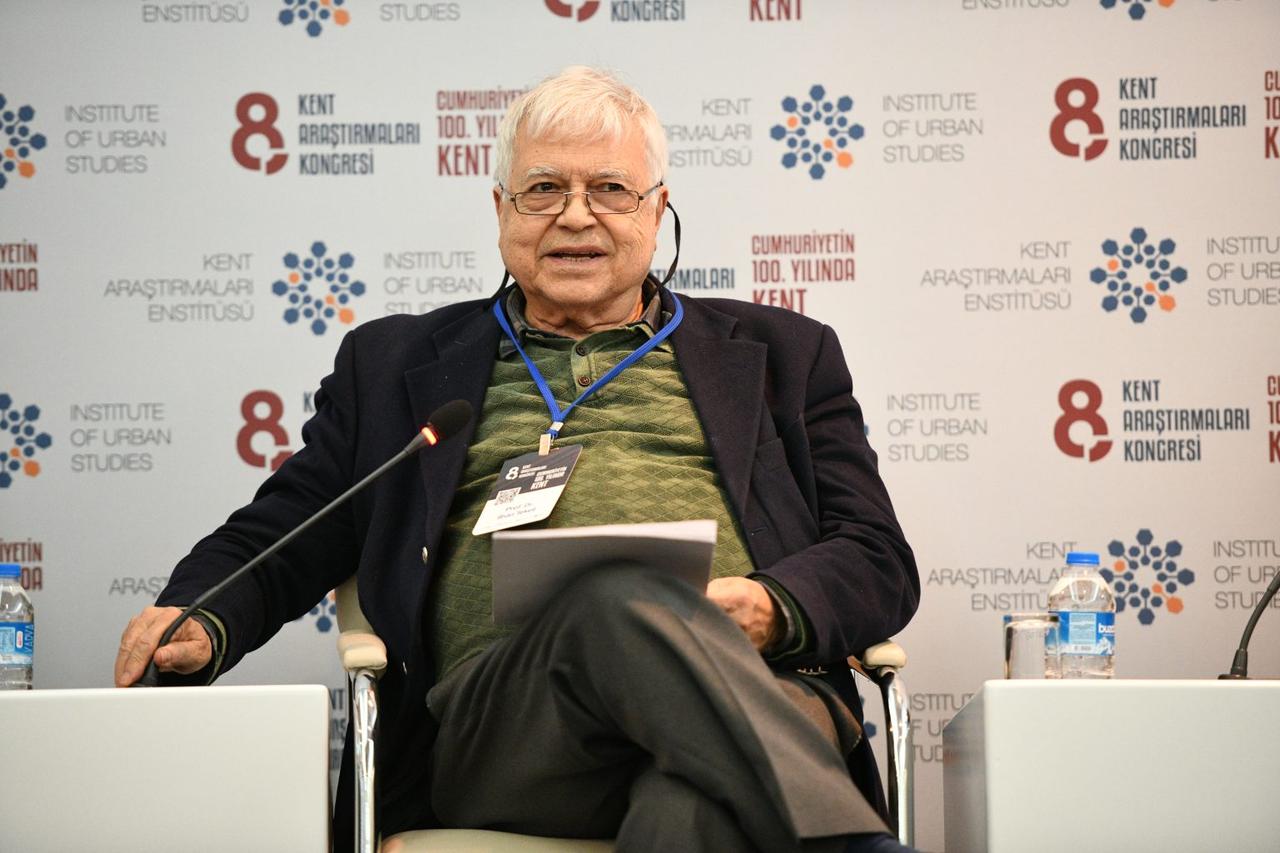
İlhan Tekeli
İlhan Tekeli (11 November 1937, İzmir) is a Turkish urban and regional planner, academic, writer and thinker. He is known for his contributions in the fields of urbanism, local governance, urban history, planning theory and social sciences in Türkiye. He is among the academics who significantly contributed to the development of the planning discipline in Türkiye. Early Life and Education İlhan Tekeli was born in İzmir in 1937. He completed his primary and secondary education in İzmir. After grad
EN
Berna Çamur
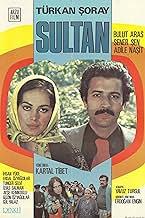
Sultan: Informal Settlement Neighborhood, Solidarity and Daily Struggle
Sultan (1978) is one of the Yeşilçam films directed by Kartal Tibet and starring Türkan Şoray in the lead role. The film focuses on the daily life of a woman named Sultan and her neighbors in one of Istanbul’s informal settlements. A mother of four children, Sultan works as a cleaner to support her family. Her developing relationship with Kemal, a man living in the neighborhood, forms the romantic thread of the film, but its primary focus is on the everyday reality of life in the informal settle
EN
Bengisu Sağlam

Soil Casts (Book)
Kemal Ateş’s novelToprak Kovgunları is a literary work that examines the rapid internal migration process in Türkiye during the second half of the 20th century through the social and cultural consequences of population movements from rural areas to urban centers. The novel takes shape around the identity crises economic hardships and struggles for adaptation experienced by individuals who left village life and began living in informal settlements. Written in a social realist vein the work narrat
EN
Nida Üstün