

`urbanidentity` Related Article Results
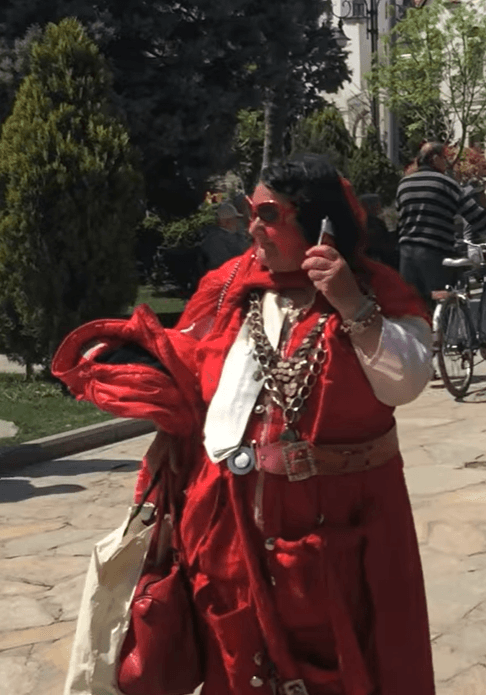
I wore a dress of blood; I would never have wanted them to change it.
The title of our article is taken from a poem written by Sezai Karakoç in February 1959. However, in this piece we will address a different subject than a poetic analysis: wearing a dress stained with blood and never wanting to change it… The poem begins with these lines: “You added something of yourself You made death beautiful”【1】 Today I learned of the death of Sultan Özcan, known on social media as “the red-clad woman.” Who was this red-clad woman and why were they calling her that? I first
EN
Nurten Yalçın
Collective Memory
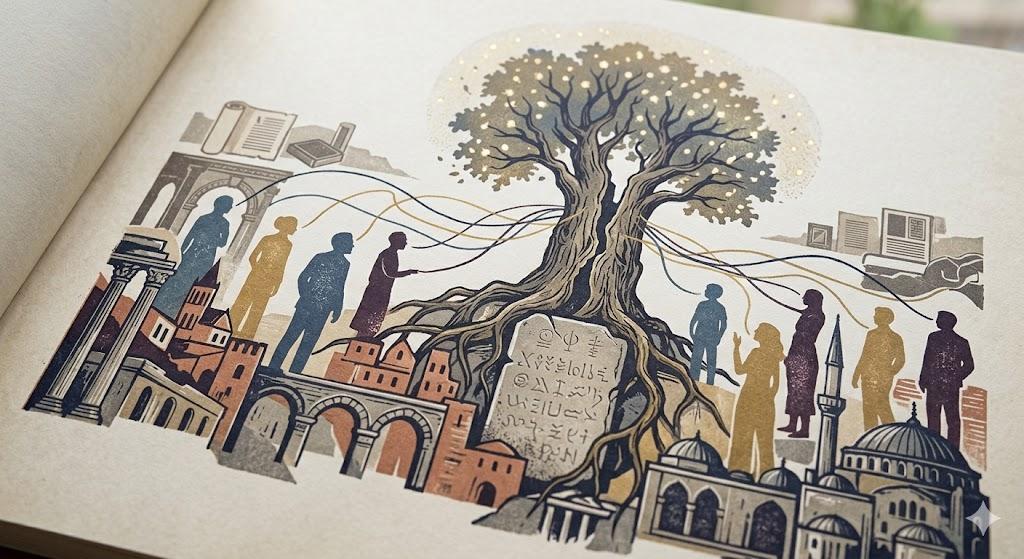
Collective memory: is a concept that argues the processes of remembering and forgetting by individuals who constitute a society are shaped within a social framework, that memory is constructed through social relations and continuously reproduced.【1】 This approach asserts that memory is not merely a biological function of the individual brain, but that the act of remembering occurs through social cues, materials, and contexts.【2】 First developed in the 1920s by French sociologist Maurice Halbwach
EN
Büşra Tuğa
Urban Anthropology
Urban Anthropology is a subfield of socio-cultural anthropology that examines cultural systems in cities and their interactions at local, regional, and global scales.【1】 Unlike traditional anthropology, which focused on non-modern, primitive, or rural communities, this field centers on complex and industrialized urban structures. Urban anthropology views the city not merely as a physical settlement but as a dynamic habitat where social processes, spatial forms, and ideological representations ar
ENBüşra Tuğa
Why Do Cities Lose Their Spirit?
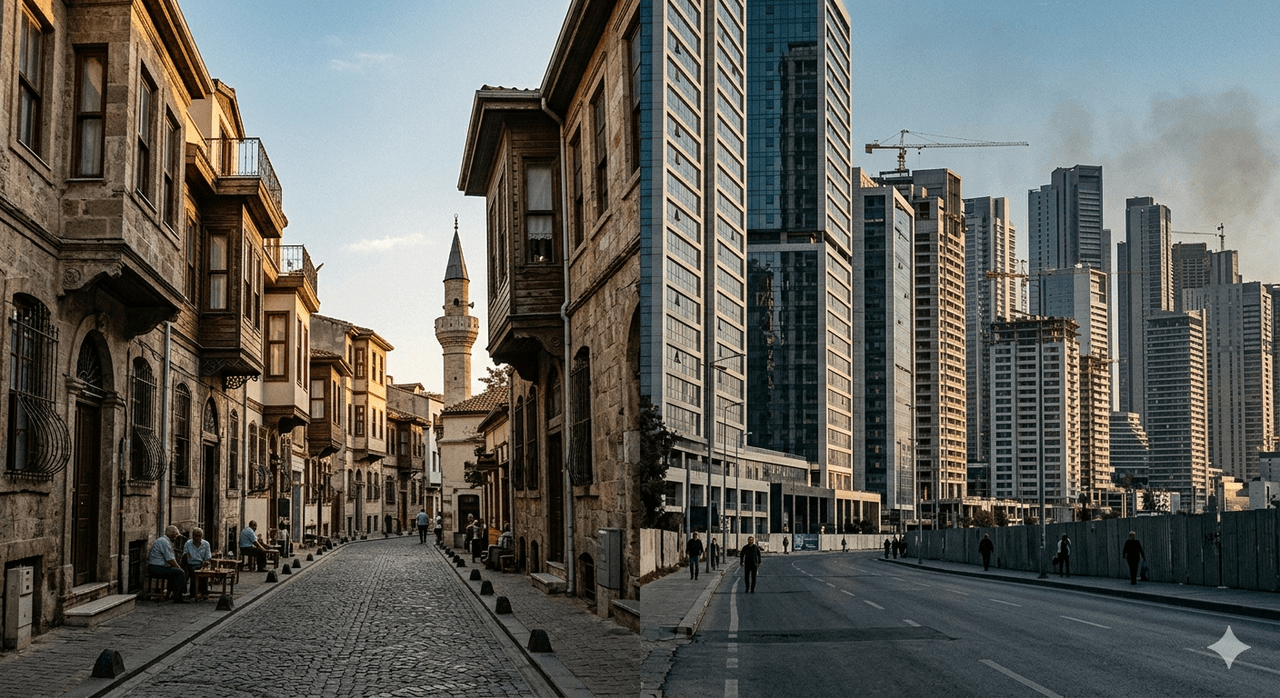
The spirit of cities is defined not only by physical structures and architectural elements, but by the connection it forges with the place’s history, collective memory, and the totality of meanings attributed to the space. The “genius loci” represents the unique identity that distinguishes one city from another and the sense of belonging felt by individuals living in that space. Losing a city’s spirit is the process of severing its physical space from these deep layers of meaning and disrupting
EN
Almina Ecenur Ergünay