

`type-2-diabetes` Related Article Results

Diabetes (Sugar Disease)
Diabetes is a metabolic disorder characterized by chronic elevation of blood glucose levels (hyperglycemia) due to the body’s inability to produce sufficient insulin or to use it effectively. This condition primarily affects the metabolism of carbohydrates, fats, and proteins, and can lead to serious complications such as cardiovascular disease, kidney failure, neuropathy, and retinopathy. Classified into Type 1, Type 2, gestational, and other specific types, diabetes is now recognized as a majo
EN
Sevilay Yeşilyurt
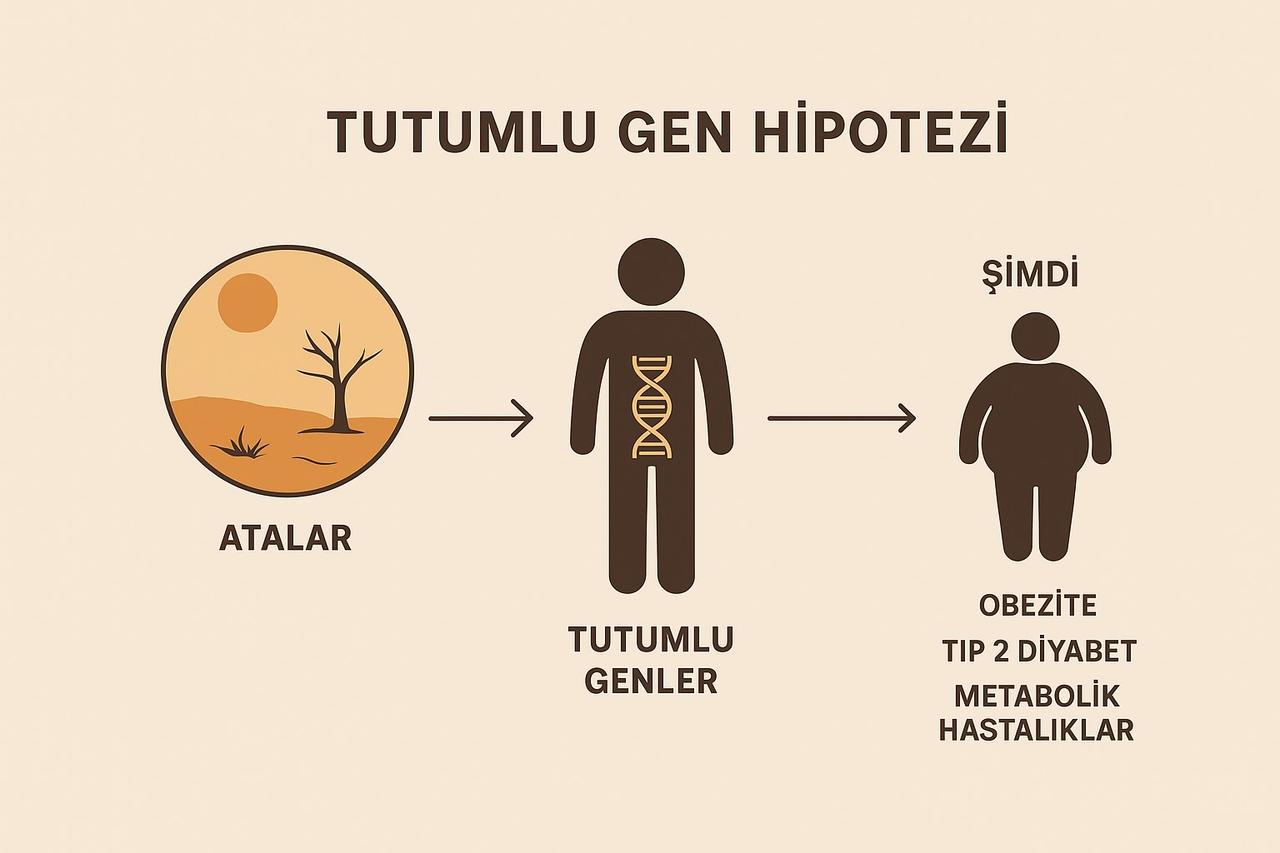
Conservative Gen Hypothesis
Thrifty Gene Hypothesis is a biological model that attributes the susceptibility to obesity and type 2 diabetes in modern human populations to evolutionary adaptations. It was first introduced in 1962 by American geneticist James V. Neel to explain the evolutionary basis of diabetes.Layla Brassington vd., “Integrating the Thrifty Genotype and Evolutionary Mismatch Hypotheses to Understand Variation in Cardiometabolic Disease Risk,” Evolution, Medicine, and Public Health 12, no. 1 (2024): 214, er
EN
Emine Nur ERDEM

Dutch Hunger Winter
Dutch Famine (Hunger Winter), a severe nutritional crisis that affected the civilian population in western Netherlands from the winter months of 1944 through the spring of 1945 during the final stages of World War II. In this region under German occupation, daily food rations for adults were documented to have dropped to between 400 and 800 calories.Tessa Roseboom, Susanne de Rooij ve Rebecca Painter, “The Dutch Famine and Its Long-Term Consequences for Adult Health,” Early Human Development 82,
EN
Emine Nur ERDEM
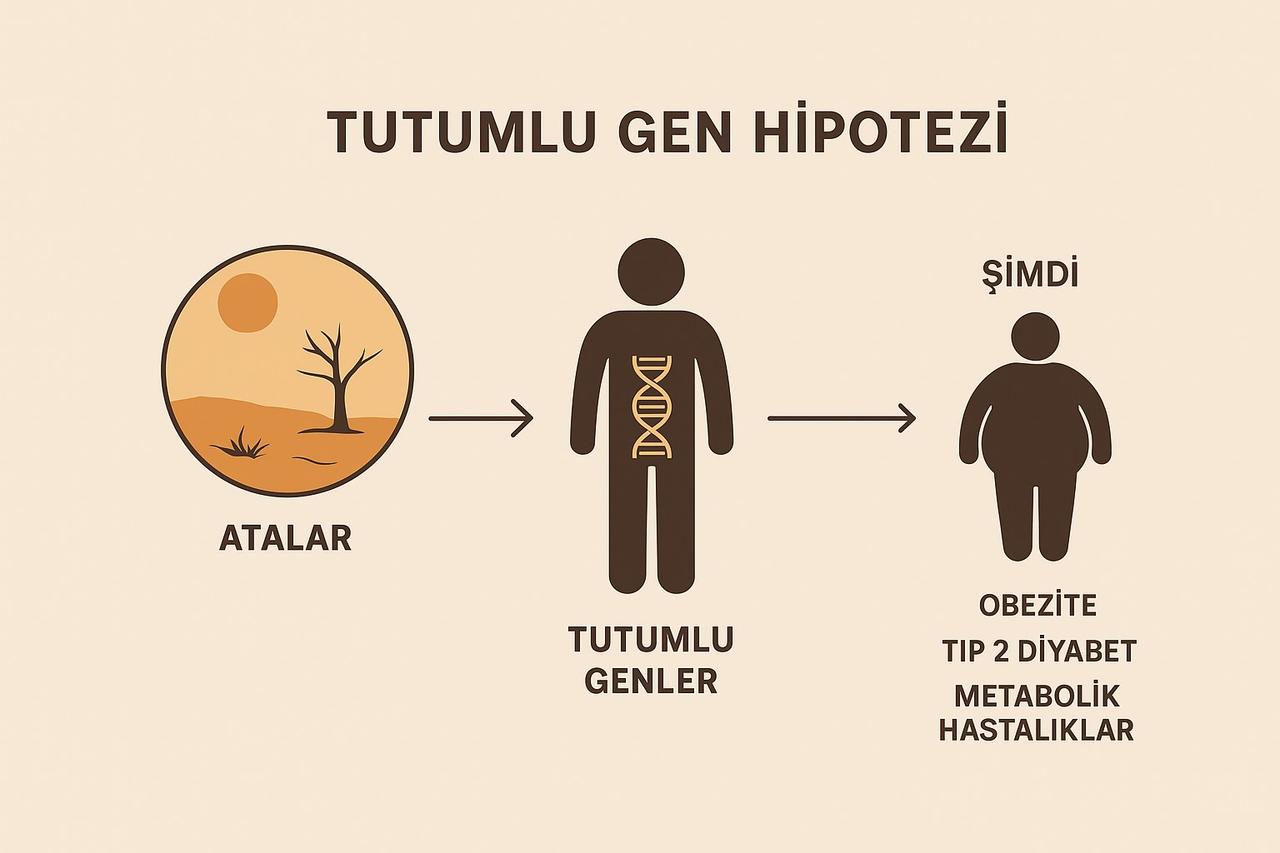
Conservative Gen Hypothesis
Thrifty Gene Hypothesis (thrifty gene hypothesis) is a biological model that attributes the prevalence of obesity and type 2 diabetes in modern human populations to evolutionary adaptations. It was first introduced in 1962 by American geneticist James V. Neel to explain the evolutionary basis of diabetes.Layla Brassington vd., “Integrating the Thrifty Genotype and Evolutionary Mismatch Hypotheses to Understand Variation in Cardiometabolic Disease Risk,” Evolution, Medicine, and Public Health 12,
ENEmine Nur ERDEM