

`turkishcuisine` Related Article Results
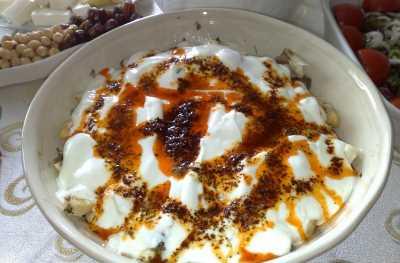
Papara
Papara, in Turkish cuisine a dish consumed primarily by soaking stale bread in liquid or yogurt-based mixtures, sometimes enriched with vegetables or meat products. This practice, rooted in the utilization of stale bread, emerged historically as both an economical and practical solution. Regional Distribution Papara is prepared in various forms across different regions of Türkiye. Local recipes and preparation methods have been preserved in cities such as Karaman, Amasya, and Giresun. In Karaman
EN
Buket Yavuz
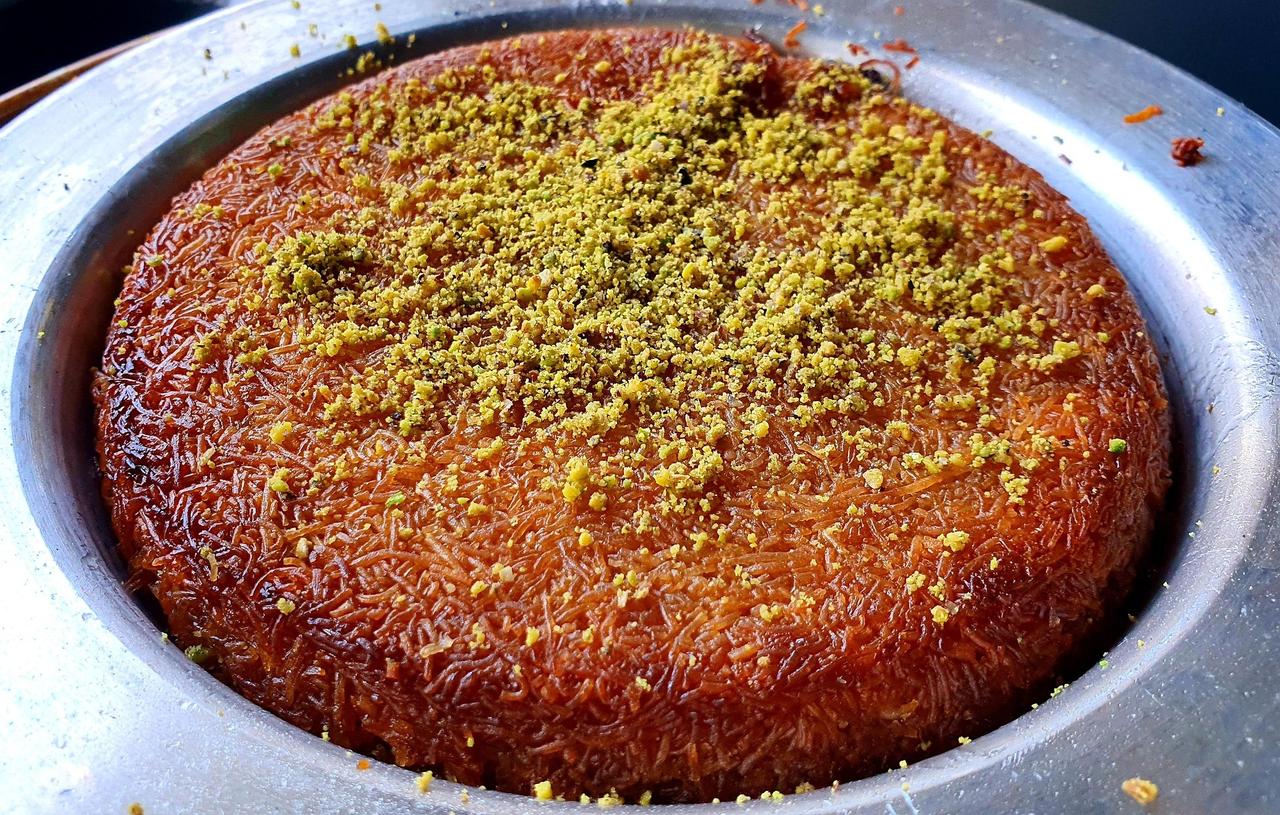
Künefe
Künefe is a syrup-soaked dessert unique to Eastern Mediterranean cuisine, prepared by combining shredded phyllo (kadayıf) and cheese. It is widely consumed in Turkey, especially in provinces such as Hatay, Mersin, Adana, Kilis, Gaziantep, and Şanlıurfa. Its basic components include finely shredded kadayıf, unsalted künefe cheese, butter, and a sweet syrup. It is baked in distinctive aluminum or tin-coated copper trays and served hot. With historical origins reaching back to the Middle East and O
EN
Nazlı Kemerkaya
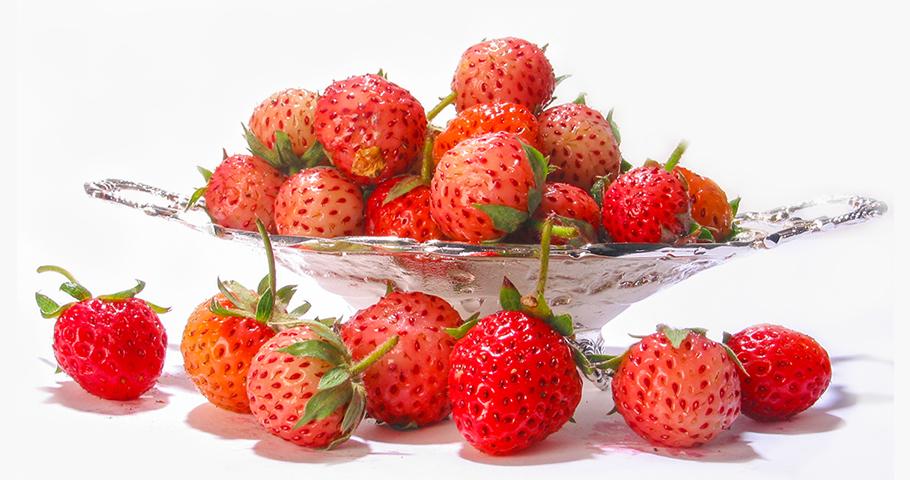
Ottoman Strawberry
Ottoman strawberry is a local strawberry variety unique to the Karadeniz Ereğli district of Zonguldak Province, renowned for its distinct aroma, scent, and taste. Small, conical in shape, and ranging in color from pink to red, this strawberry type draws attention with its thinner skin and delicate structure compared to other strawberry varieties. Possessing an intense fragrance, the Ottoman strawberry also offers a juicy and sweet flavor. Ottoman Strawberry (Photo: Azim Konserve) " image-alterna
ENNazlı Kemerkaya
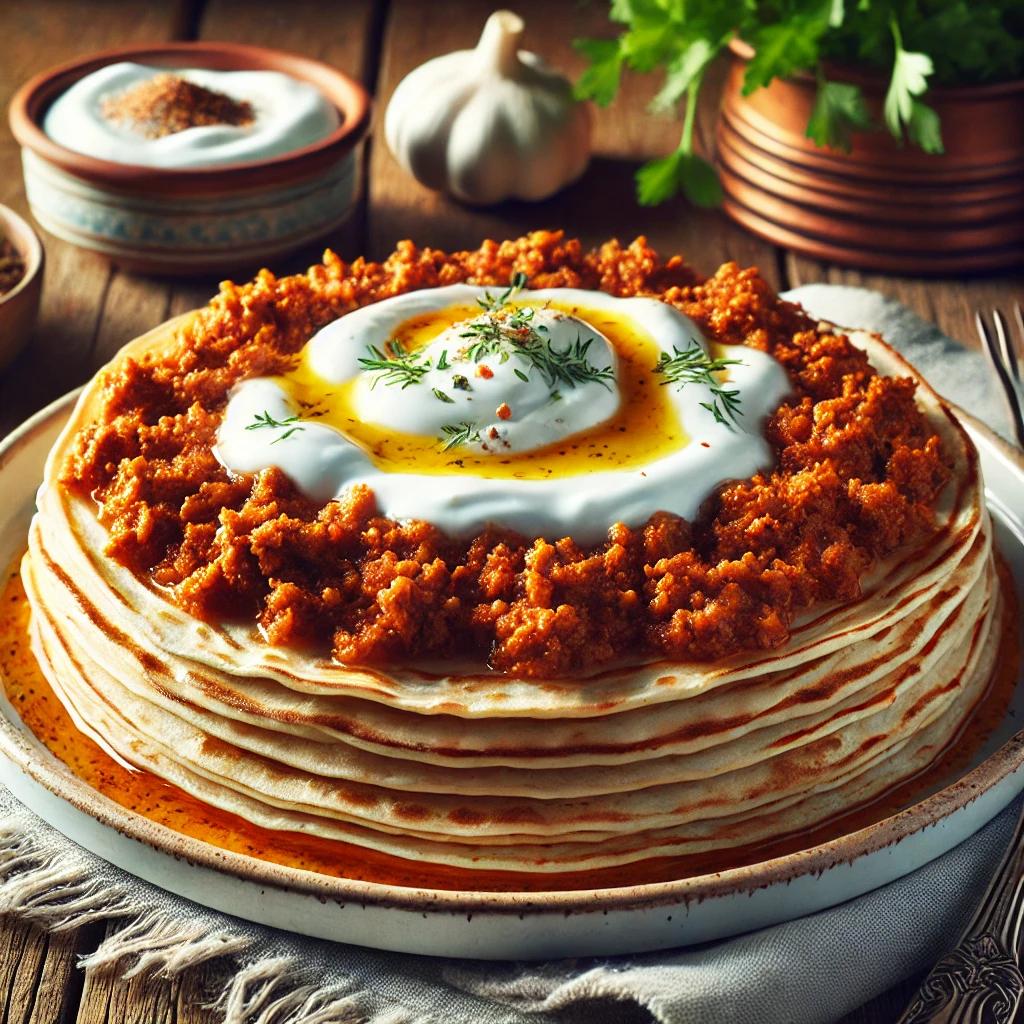
Kayseri Oiling
Kayseri yağlaması is a rich and integral part of Turkish cuisine and important. This dish, prepared specifically in Kayseri province using minced meat and spiced filling, is widely enjoyed by both local communities and visitors. Kayseri’s historical, cultural and geographical characteristics have profoundly influenced the quality of ingredients and the preparation method of this dish. With its deep-rooted history, social significance and gastronomic value, Kayseri yağlaması stands out as a disti
EN
Mustafa Yiğit Türkmen
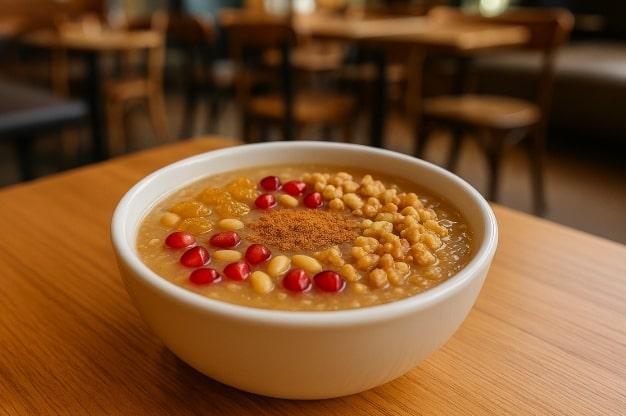
Ashura
Aşure is regarded as an important traditional dessert across Türkiye, as well as in the Middle East and Balkans. This dessert carries both religious and social significance and is prepared particularly on the tenth day of the Islamic lunar month of Muharrem, then distributed among the community as an act of shared generosity. For centuries, Aşure has endured as a multilayered cultural symbol shaped by literature and belief systems. History and Origins The sacredness attributed to the day of Aşur
EN
Meryem Betül Kaya
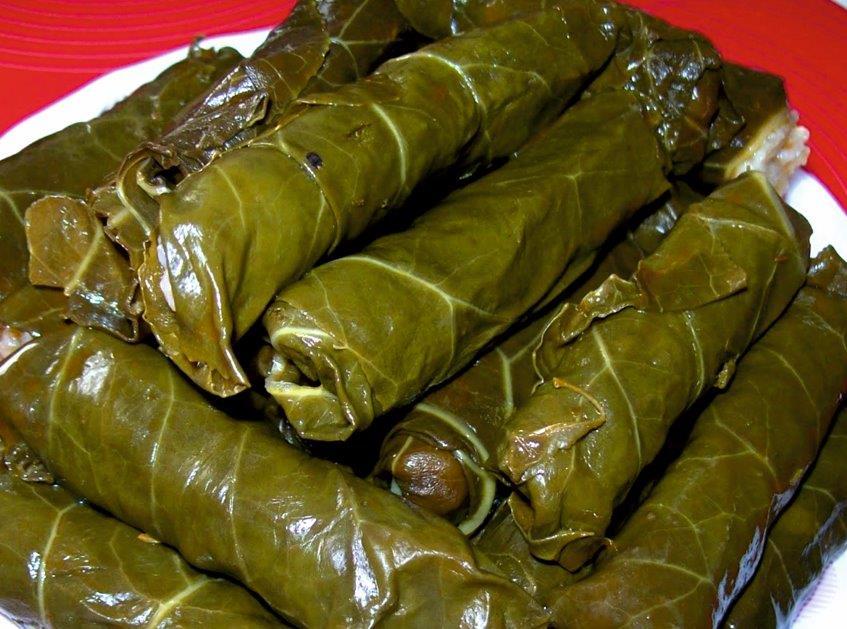
Ordu Olive Oil Stuffed Cabbage Rolls / Ordu Olive Oil Beet Leaves Rolls
Ordu Olive Oil Stuffed Cabbage / Ordu Olive Oil Beet Leaves Roll is a traditional dish specific to Ordu province, made by wrapping rice or bulgur-based filling in cabbage leaves. The cabbage, known in Latin as Brassica oleracea, is also locally referred to as “pancar” in the region. The filling is prepared with dried onion, parsley, garlic, tomato paste, red pepper flakes, black pepper, vegetable oil and salt. The leaves are blanched, wrapped around the filling, and cooked in a pot with hot wate
EN
Sabiha Meyra Şahinler
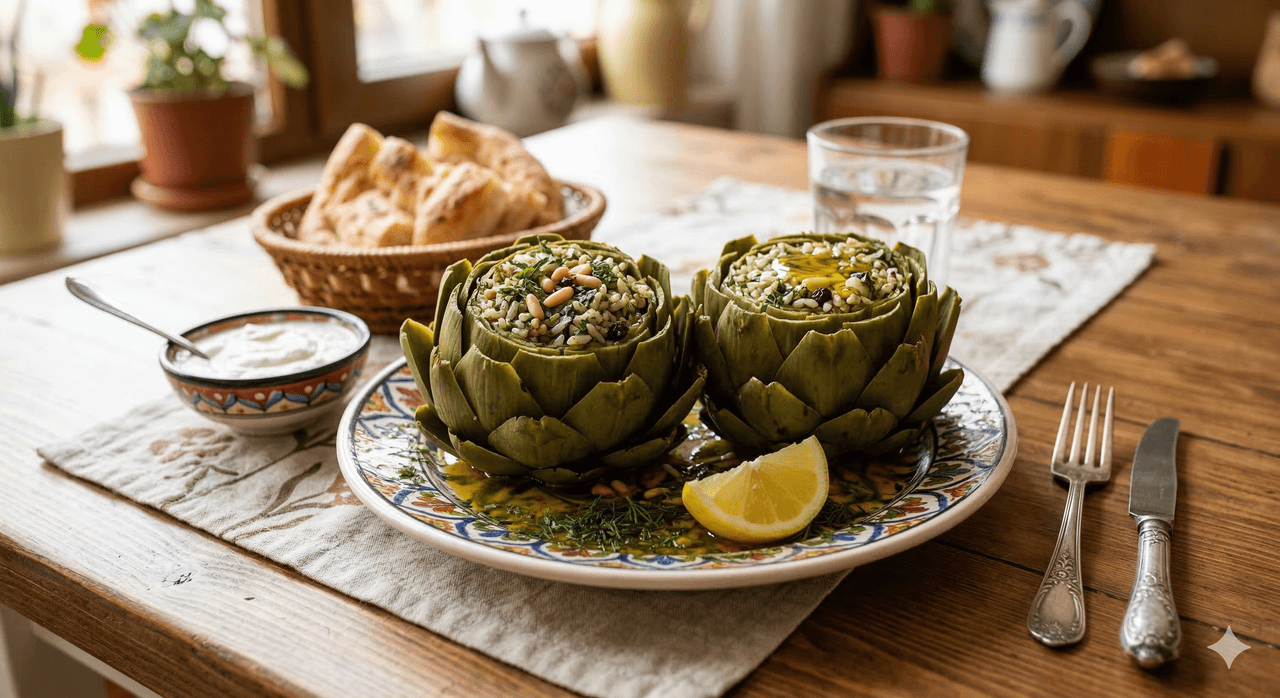
Stuffed Artichokes
Enginar dolması is a dish belonging to the category of vegetable and herb meals in Turkish cuisine, closely associated with the traditional culinary culture of the Aegean region and the province of Aydın. It can be prepared in two distinct forms: using the entire leafy head of the artichoke or solely its heart. Core Ingredients and Stuffing Composition The main components of the dish are the artichoke and rice which forms the base of the stuffing. A generous amount of olive oil is used in prepar
EN
Aslınur İLHAN
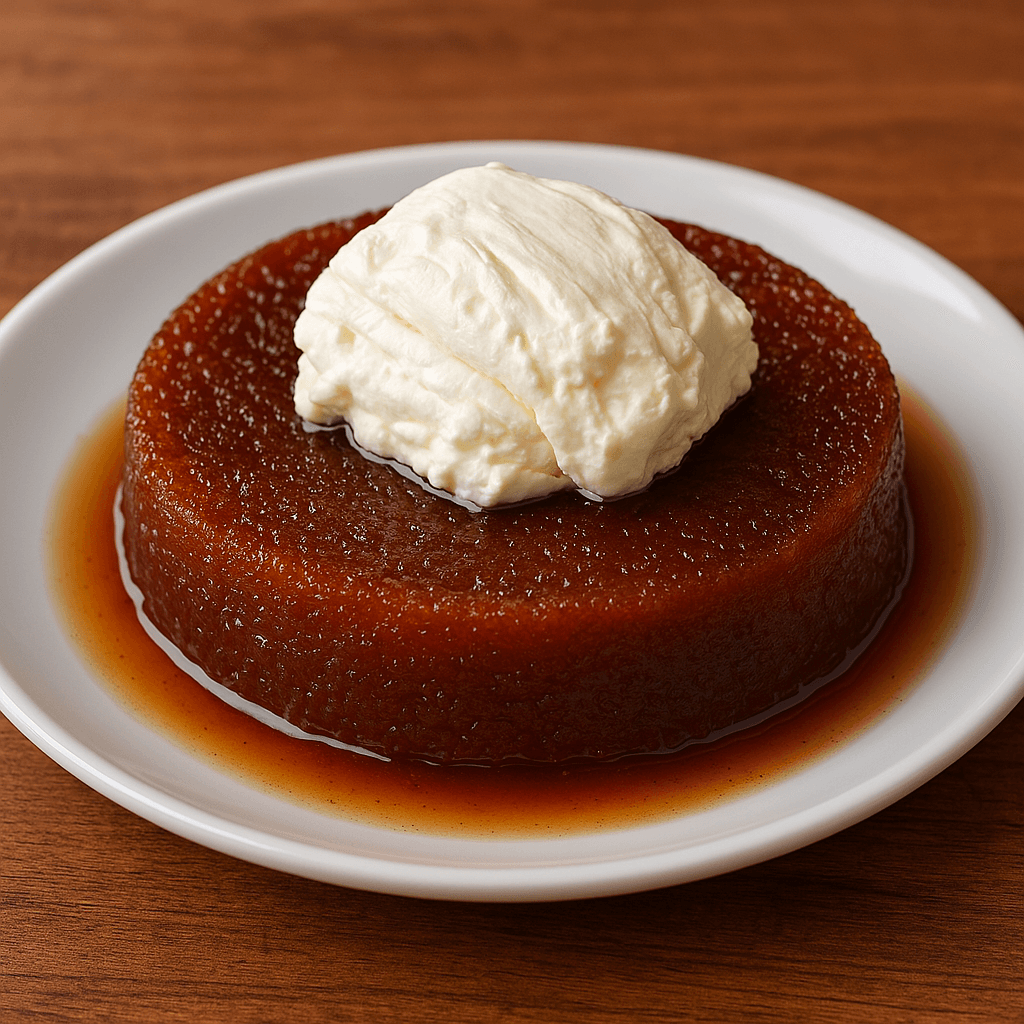
Ekmek Kadayıfı
Ekmek Kadayıfı is a traditional Turkish dessert made by re-cooking baked and dried leavened bread dough with syrup. It is best known for being served with clotted cream (kaymak). The dessert is especially associated with the region of Afyonkarahisar, where it has been registered with a geographical indication. Afyon Kaymaklı Ekmek Kadayıfı, meaning “Ekmek Kadayıfı with Afyon clotted cream,” is not only served as a dessert but also holds a significant place in social gatherings such as births, we
ENNazlı Kemerkaya
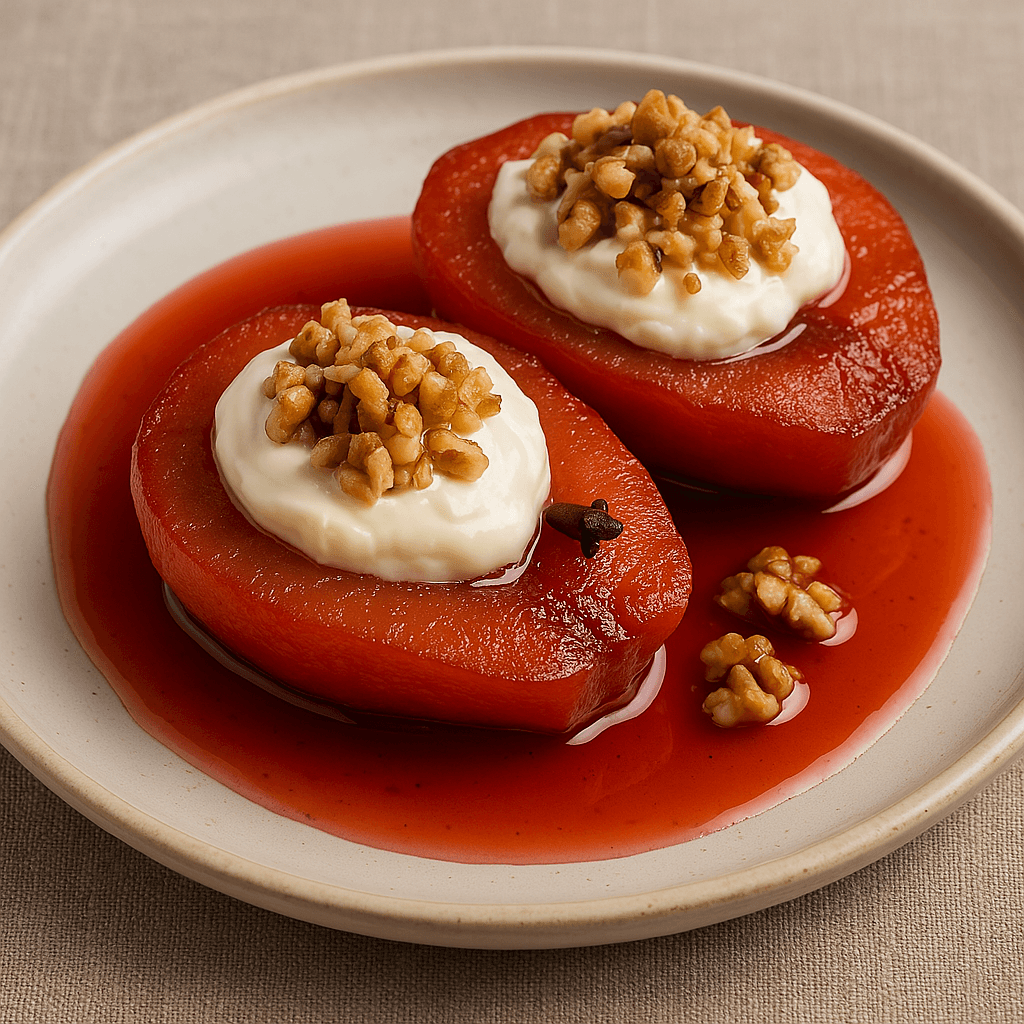
Ayva Tatlısı
Ayva tatlısı is a traditional fruit dessert from Turkish cuisine, typically enjoyed during the autumn and winter months. It is generally prepared by halving quinces and removing their seeds. In this dessert, the seeds and peels of the quince are also added to the cooking water to help create a natural jelly-like texture and to contribute to the dessert’s distinctive pinkish hue. This unique color is achieved through a slow cooking process over low heat. Common in cities such as Bursa, which were
ENNazlı Kemerkaya
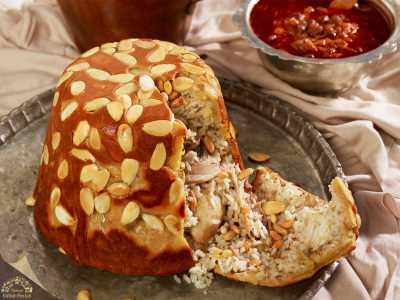
Curtain Rice
Perde Pilav is one of the most refined and delicious dishes in Turkish cuisine, adorning tables for centuries. This traditional delicacy, closely associated with Siirt, attracts attention with its rich aroma that delights the palate and its visually striking presentation. Named after the thin dough layer, called “perde,” that envelops the rice, this dish is known as a festive meal prepared for special occasions and offered to guests. Perde Pilav features rice sautéed in butter, mixed with fried
EN
Yunus Emre Sağlam